
Ribbon Reefs
"At four-thirty in the morning, in the water before sunrise, the reef belongs only to you and every creature that has never heard of you."
The liveaboard leaves Cairns in the afternoon and crosses the sixty kilometres of open water to the outer reef through the evening. By the time I was sitting on the back deck with a beer watching the sun go down over the horizon behind us — no land visible in any direction, the boat anchored in twelve metres of water directly above the reef — I had already understood that this was a different category of experience from the day-trip pontoons. The day boats are fine. They deliver what they promise. But they also run on a schedule, carry two hundred people, and exist at a certain remove from the thing itself. The liveaboard anchors over the reef and stays there. You sleep above it. It is there when you wake up at four-thirty, which I did on the second morning because someone told me the pre-dawn dive was worth the alarm.
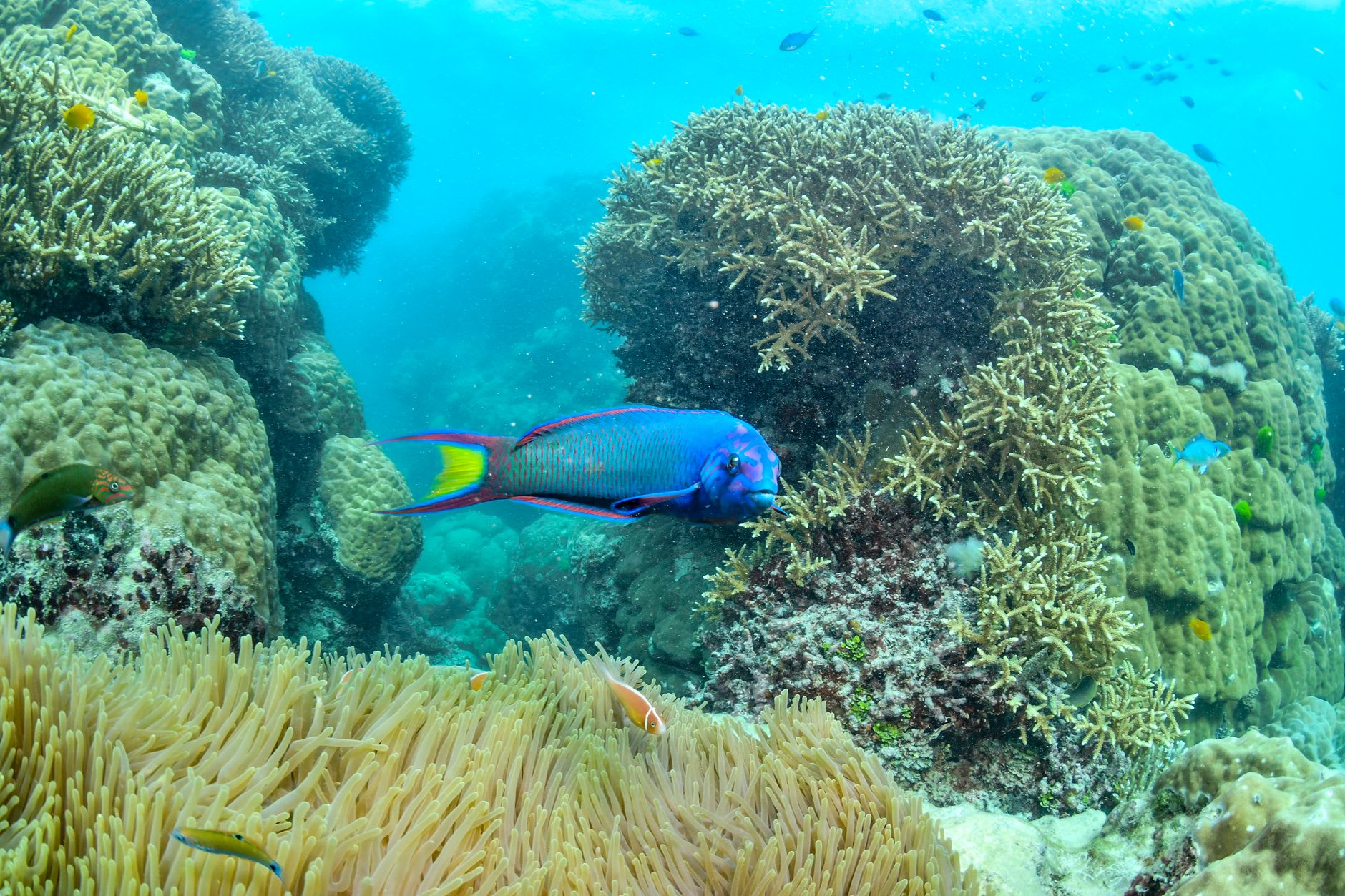
The Ribbon Reefs are ten individual reef systems running along the outer edge of the continental shelf, north of Cairns, accessible only by overnight vessel. They are narrow — some only a few hundred metres wide — but they drop steeply on the seaward side into water that goes dark quickly. On the lagoon side, the water is calm and clear and the coral is extraordinary: staghorn formations spreading in lattices, plate coral the size of a dining table, bommies rising from the sandy floor like monuments. Cod Hole, on Ribbon Reef Number 10, is famous for the potato cod — enormous, slow-moving grouper that grow to a metre and a half and have lived long enough around human divers to have shed all anxiety about proximity. They hang in the water column and approach with the gravity of something that has reached the size where it no longer needs to worry. Swimming alongside one — it came within touching distance, though the guides ask you not to — felt like sharing space with a very old, very calm intelligence.
I was on snorkel throughout, not certified to dive, and the Ribbon Reefs are still spectacular from the surface. The water clarity means you can see the coral clearly to ten or twelve metres even without descending. Night snorkelling — which the better liveaboard operators include — is a different dimension again. Under a dive torch at ten at night the reef reveals what it withholds during daylight: the coral that is visible only when open, the squid that appear at the edge of the torchlight, the parrotfish sleeping in their mucus cocoons like something from a fever dream.
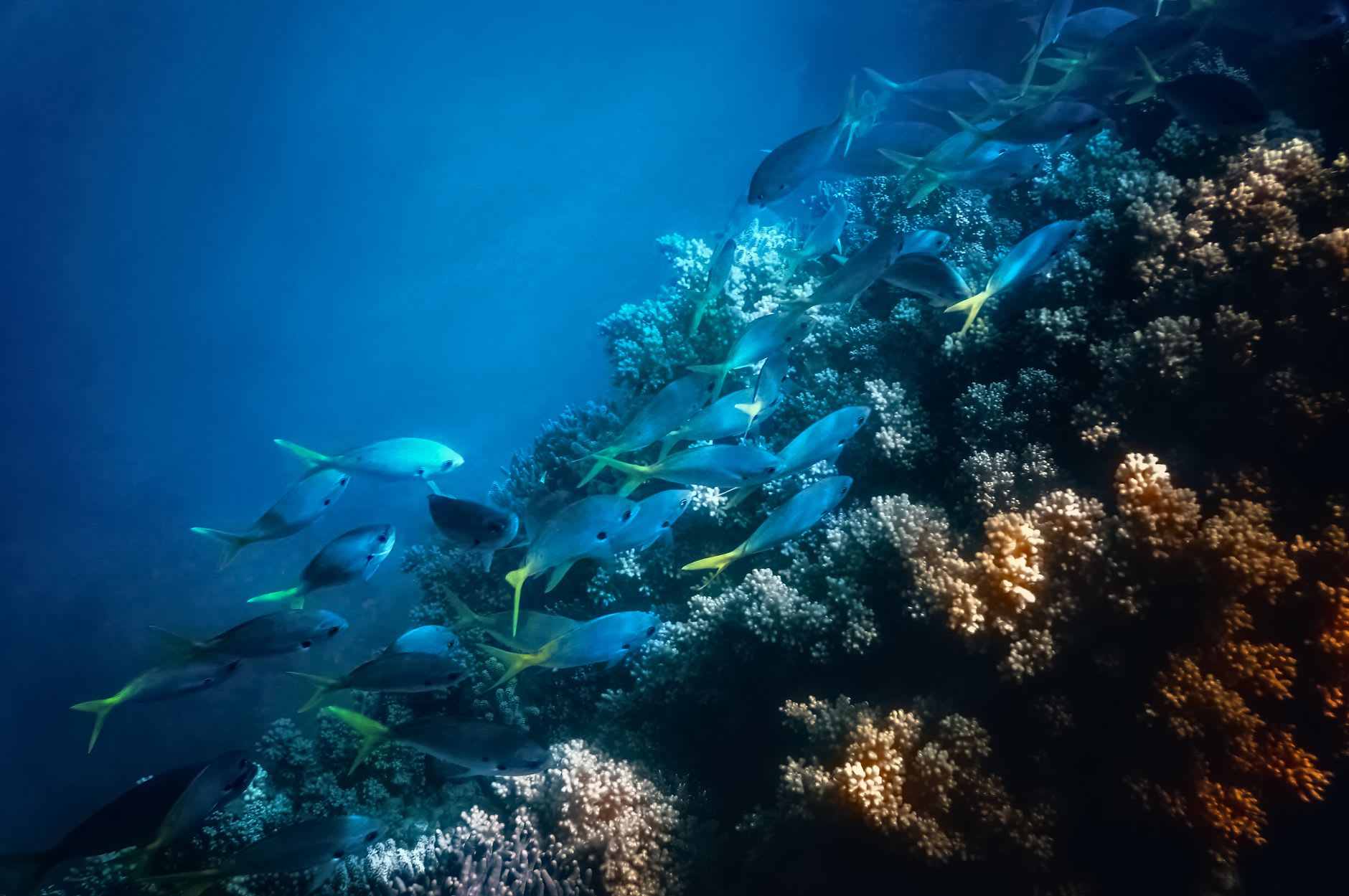
The social life of a liveaboard is its own particular thing. You share a small vessel with twelve to twenty strangers for three or four days, united by common obsession with what is underneath you. Meals happen at a communal table between dives, and the conversations are all about what was seen and how close and at what depth. By the third day the group has the cohesion of people who have been through something together, which in a mild way they have. The boat is not large and the bunks are not glamorous and it is, genuinely, one of the best ways I have ever spent seventy-two consecutive hours.
When to go: August through November is peak visibility season on the outer reef, with water clarity that can exceed thirty metres. The dry season (June through October) is the safest for comfortable crossings — the open-water passage is calmer. May and September-October are good shoulder options. Winter months (June to August) are excellent for encounter diversity. Book liveaboard trips months in advance; the better operators fill up quickly.