
Port Douglas
"There is a Sunday market here that sells passionfruits the size of your fist, and that is all the argument I need."
The drive from Cairns takes about an hour, and for the first half you are balanced on a cliff road above the Coral Sea. The Pacific is just there — enormous and turquoise, below the guard rail — and the road carves through sections of rainforest that lean over from both sides until the canopy closes above you. This is the stretch of coast where Queensland stops being merely tropical and starts being something older. The Daintree presses down from the north, and you can feel the vegetation thickening, the light going greener through the layers. By the time Port Douglas appears at the tip of its narrow peninsula, stretched between the Coral Sea and Dickson Inlet, you have been gently worked over by the landscape.
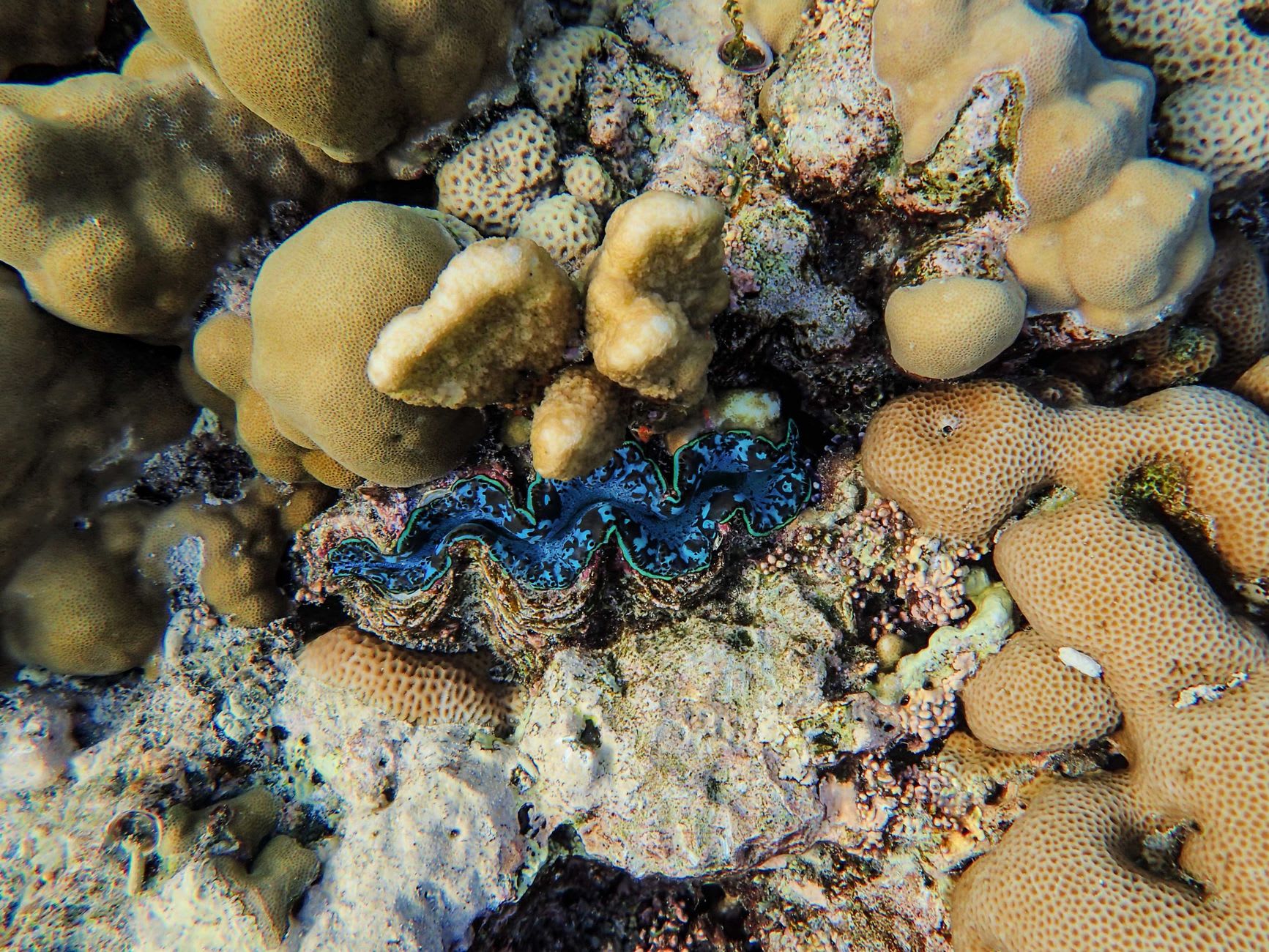
Port Douglas has one main street. Macrossan Street runs from the beach end to the marina end, takes about twelve minutes to walk, and everything worth knowing about this town is contained within that walk. The Sunday market sets up in a park near the waterfront and local growers bring produce that would cost serious money in Paris: mangoes with flesh the colour of a sunset, rambutans bristling like exotic ornaments, soursops, starfruit, ripe bananas still curved and warm from the bunch. A woman sold me a bag of passionfruits so ripe they had started to wrinkle — which is exactly when they are sweetest — and I ate them on a bench by the marina watching the pelicans dispute ownership of a fish head someone had thrown overboard. The marina holds the boats that run to the Agincourt ribbon reefs — Quicksilver’s big catamaran, Poseidon, others — and the crossing from here is notably shorter than from Cairns, which matters if you feel the ocean in your stomach.
The town is small enough to feel coherent. Maybe five thousand permanent residents, the number doubling in July and August. There are two or three restaurants worth hunting down: a Thai place on the main street that does a massaman with beef so slowly cooked the meat collapses at the touch of a spoon, and a wine bar at the marina end that stocks Clare Valley rieslings with that particular Australian quality of tasting like stones and lime peel. Neither place is trying too hard. That restraint is part of what makes them work.
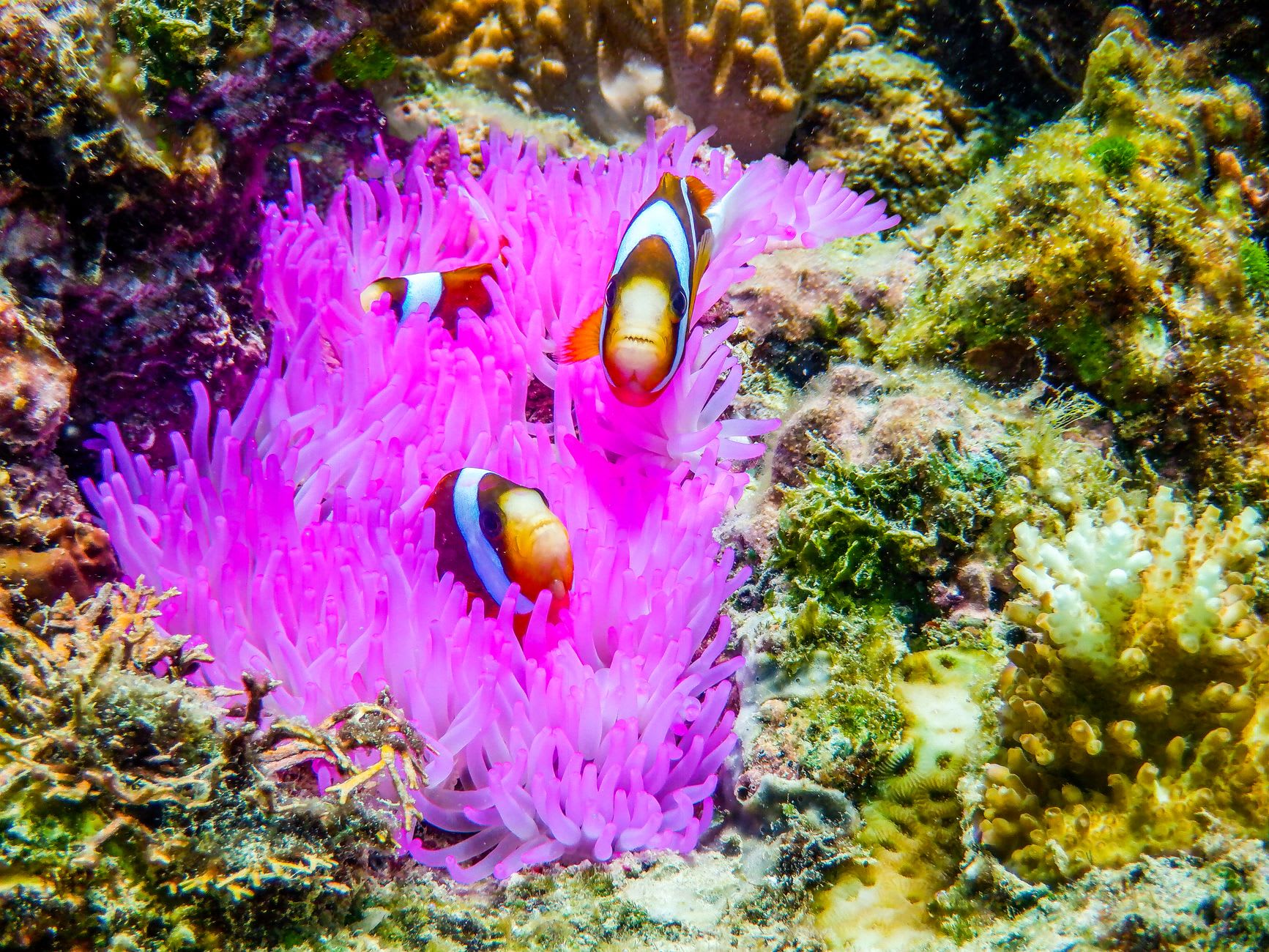
Four Mile Beach is the emotional centre. It is — as advertised — four miles of white sand, framed at the southern end by a green headland and at the north by the mountains of the Daintree beginning to descend toward the coast. Stinger nets enclose the swim zone in season; beyond them the flags snap in the trade wind. I ran the length of it twice at six in the morning on consecutive days and both times the sand near the water was packed firm enough to feel effortless. That specific sensation — long beach, horizontal early light, nobody, flat ocean — is the particular thing Port Douglas offers that Cairns does not. You can think clearly here, which is not always possible in a city that is running at departure pace.
When to go: June through September is the sweet spot — dry, relatively cool by Queensland standards, and stinger nets keep Four Mile Beach swimmable. October and November are decent shoulders with marginally higher humidity but considerably smaller crowds. The wet season (December to March) brings vivid afternoon storms and a green intensity to the surrounding rainforest that is genuinely beautiful; the reef access continues, though beach swimming carries jellyfish risk.