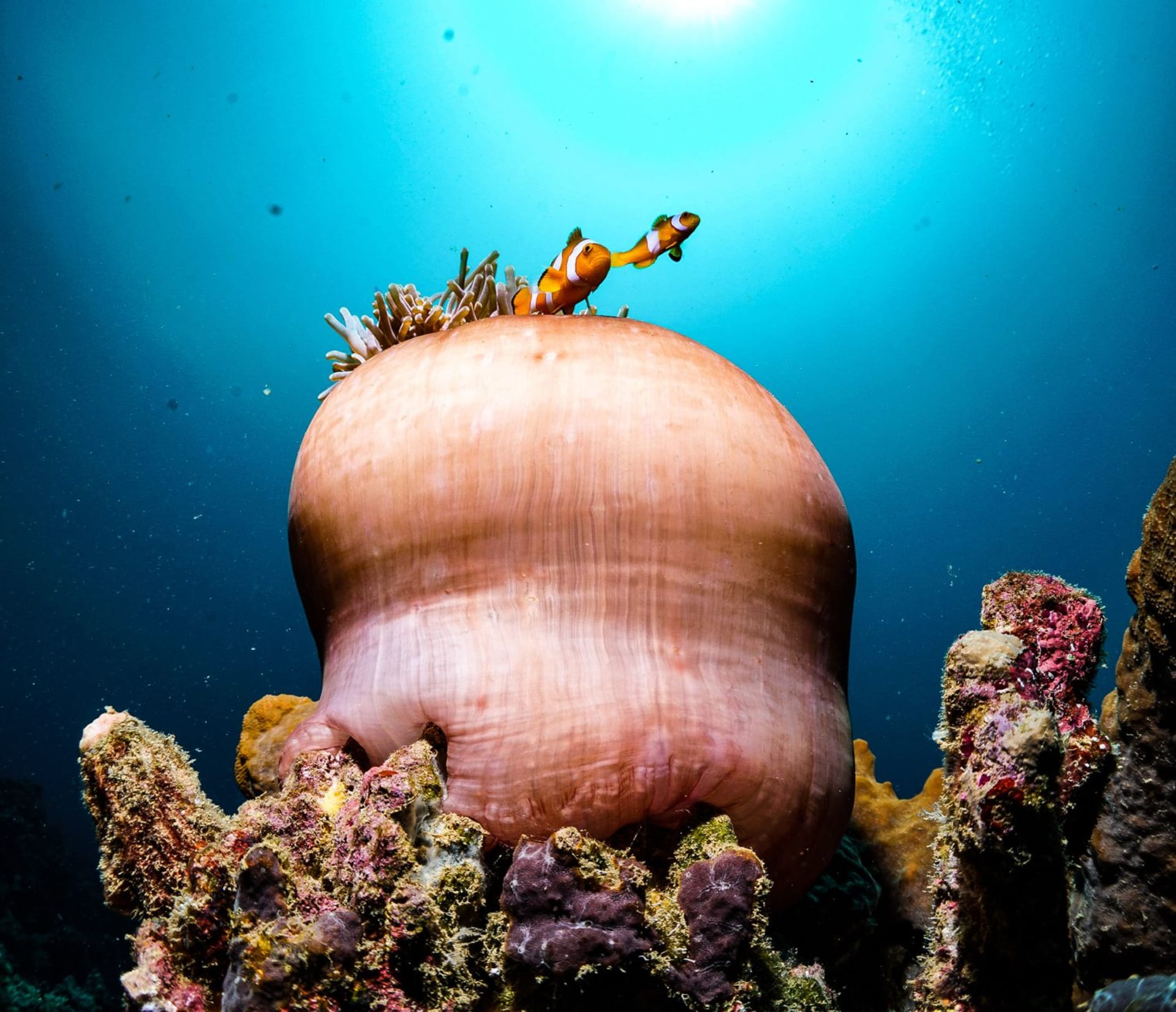
Magnetic Island
"I came for the reef and stayed for the koala asleep in a gum tree six feet above my head, profoundly unimpressed by my presence."
The car ferry from Townsville takes twenty minutes, which is short enough that people commute on it. On the morning I crossed, there were tradie utes with ladders strapped to the roof, a woman with two caged chickens, a school group from Townsville doing a day trip, and me with a borrowed snorkel. Magnetic Island is the island where people actually live — around two thousand permanent residents spread across several small communities on the bay side, working the regular economy of a small Australian town, taking the ferry to Townsville for the big supermarket run on Fridays. This quality of genuine habitation makes it feel entirely different from the purpose-built tourist islands further north. Nobody here is performing paradise for you.
The Forts Walk is the thing that stays with me most. The trail winds up through dry eucalyptus forest to a series of World War II gun emplacements — concrete and rusting steel, half-swallowed by the vegetation — built to defend Townsville’s harbour from Japanese naval attack. The history is easy to forget because the koalas keep interrupting it. This section of Magnetic Island has one of the highest densities of wild koalas in Queensland, and they spend their days wedged into forks of gum trees at eye level and below, sleeping with the profound commitment of animals that have worked out the optimal strategy for existence. I stopped to look at one sleeping three metres off the ground and stood there for ten minutes, watching it breathe. It did not acknowledge me once.
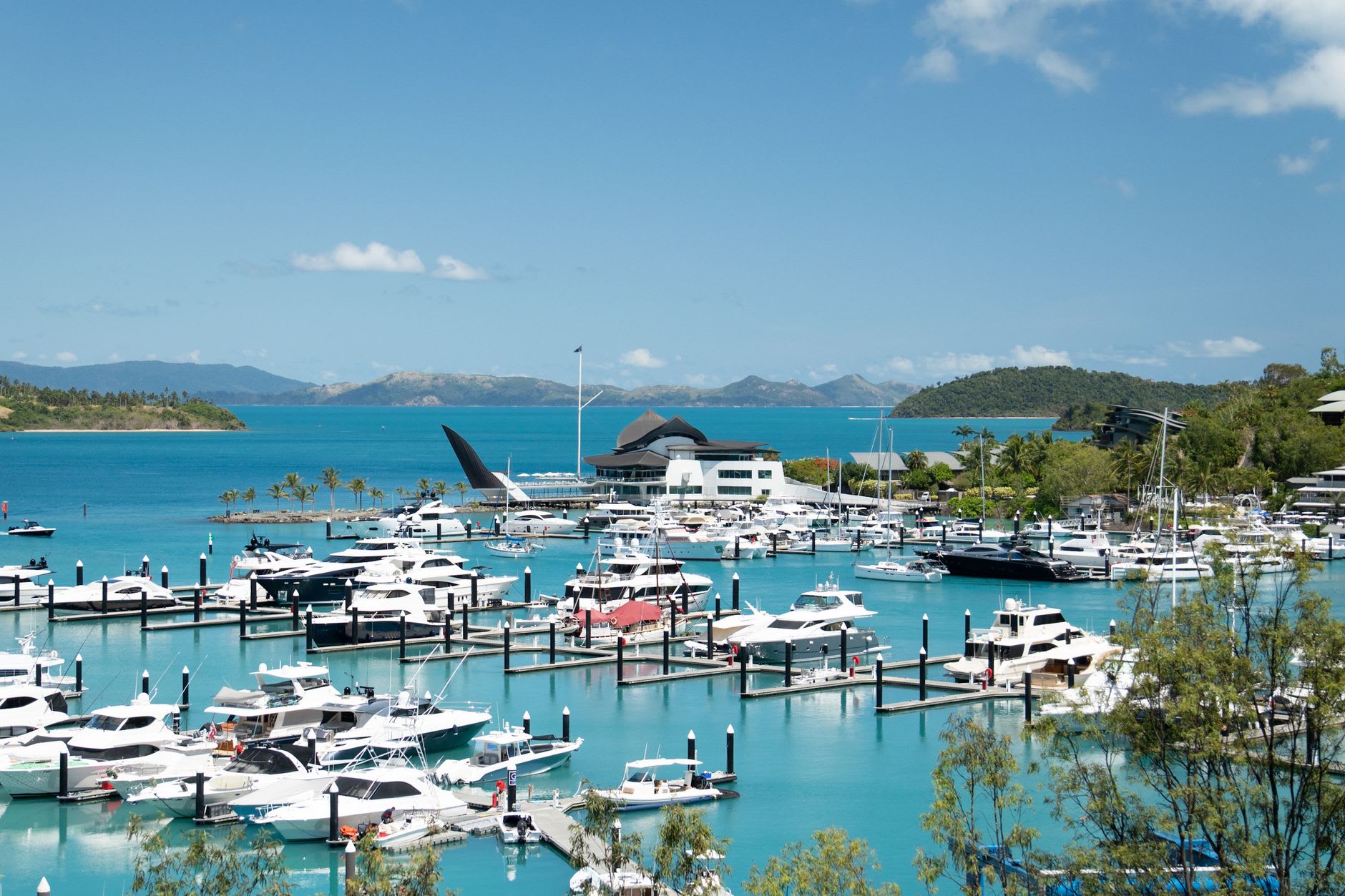
Horseshoe Bay is the social centre — a long curve of water between granite boulders, the dry hills dropping straight to the sea in a way that is more like the Greek islands than tropical Queensland. Coral and fish close to shore, turtles moving through the bay in the afternoon. On the main strip there is a pub with a beer garden where the ceiling fans turn slowly and the clientele is overwhelmingly local, and an afternoon there — cold beer, slow conversation, the particular Australian ease of people who live somewhere beautiful and have stopped commenting on it — is one of the better ways to spend a few hours.
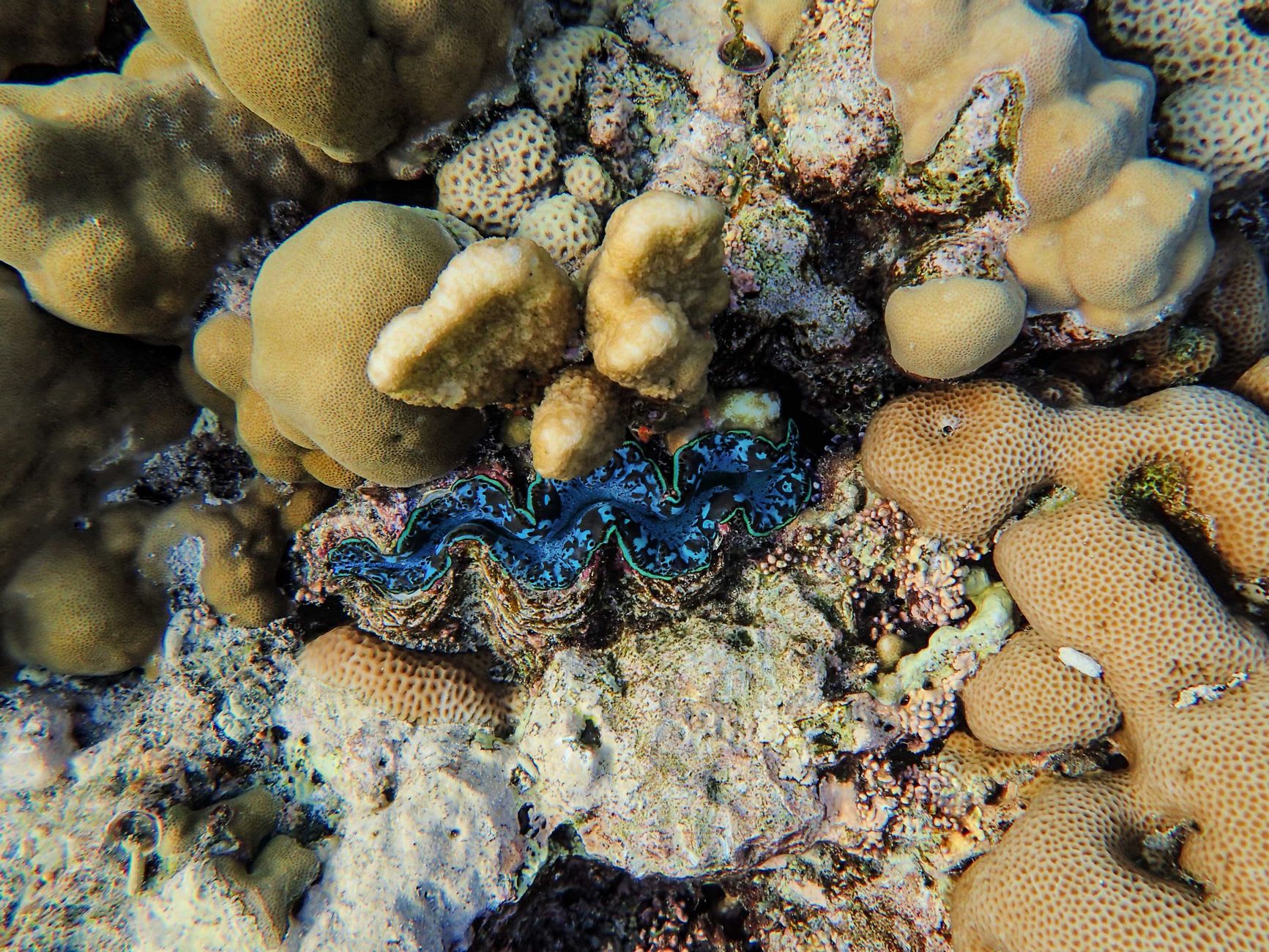
The snorkelling around the island is varied. The bays closest to the ferry terminal have been picked over, but Florence Bay and Radical Bay on the eastern side, reached by a bumpy road that crosses the island’s spine, offer coral that is quieter and less trampled. Geoffrey Bay has a marked snorkel trail and resident green turtles that have apparently decided it is theirs. The island has about twenty-three bays and beaches, most accessible only on foot or by the rattling local bus that connects the communities, and the ratio of exploration to reward is consistently good.
When to go: May through October is ideal — dry season, manageable temperatures, stinger-free swimming in the bays. The island is genuinely year-round accessible given its location (it sits within Trinity Bay, partially sheltered from the open Coral Sea), but November to April brings humidity and intermittent jellyfish warnings on the beaches closest to open water. Horseshoe Bay, being more sheltered, remains swimmable through more of the year.