Lady Elliot Island
"The manta ray did a complete barrel roll ten metres below me and I forgot, briefly, that I needed to breathe."
The approach to Lady Elliot Island happens in a small prop plane from Bundaberg or Hervey Bay, and for the last twenty minutes of the flight there is nothing below you but the Coral Sea. Then a small oval of vegetation appears in the blue — the island looks, from above, like a green smudge on a watercolour wash — and the plane descends toward what I can only describe as a grass airstrip that also serves as the main path between the eco-resort’s bungalows. We landed, bumped across the rough surface, and stopped. A frigatebird, enormous and prehistoric-looking with its hooked beak and forked tail, watched us from a nearby post with the expression of something that has seen too many planes arrive and cannot be bothered to pretend they are interesting.

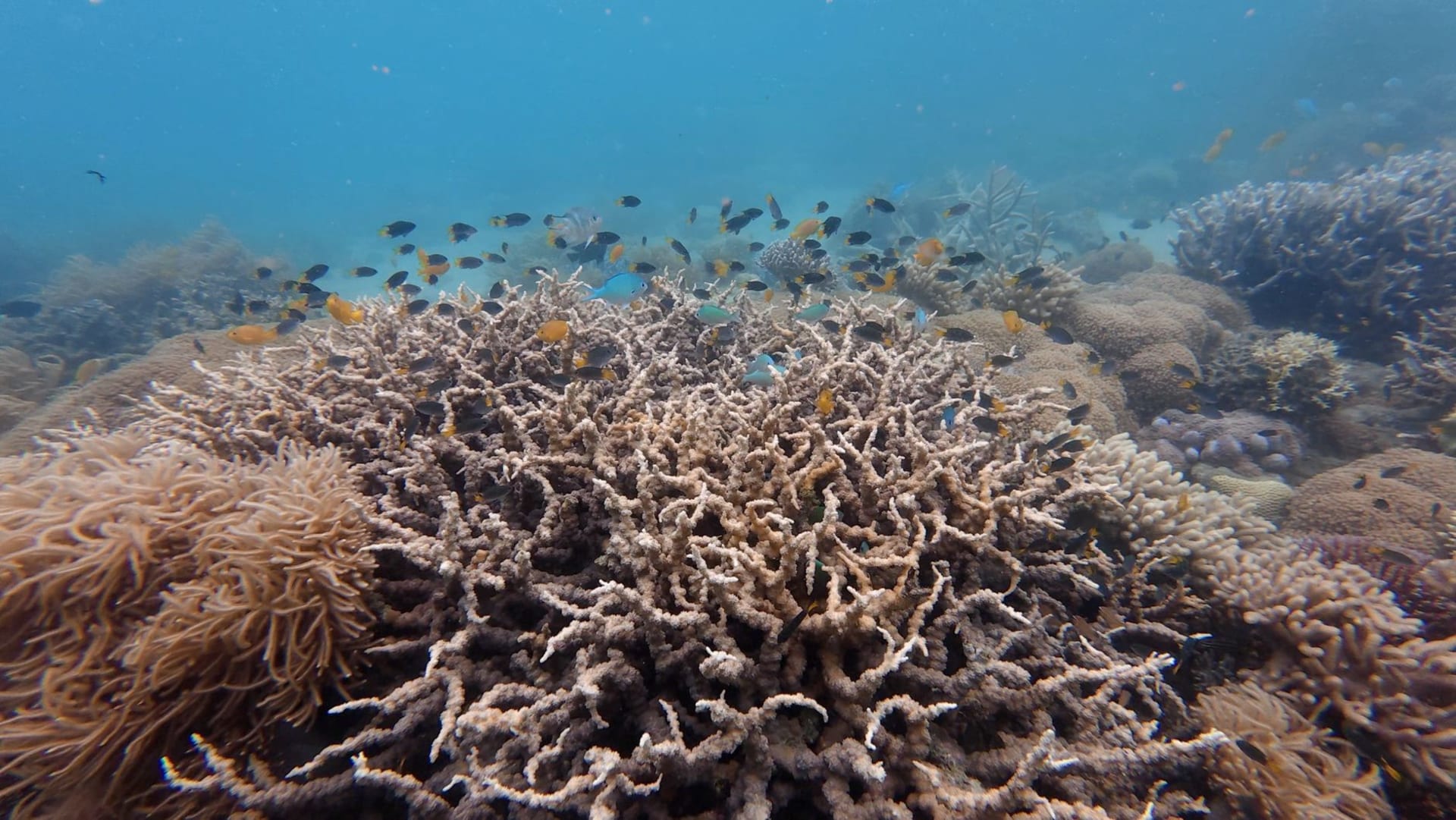
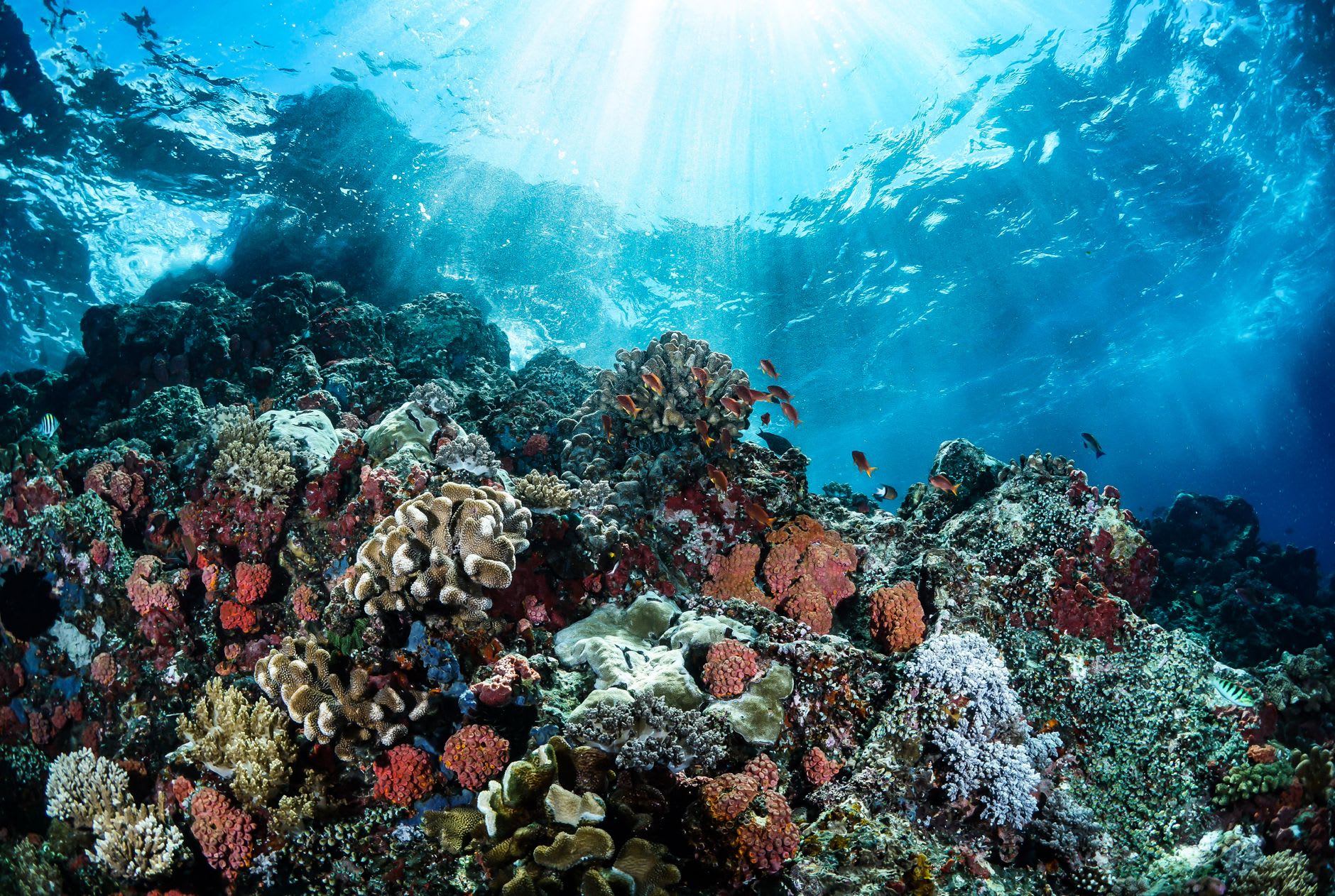
Lady Elliot is the southernmost coral cay on the Great Barrier Reef and, by some measures, the one with the most intact coral cover. It is also, without question, the least glamorous. The eco-resort here is genuinely eco — simple cabins, no swimming pool, limited electricity, no children under twelve, shared dining. The runway bisects the island. The beach is not the white-sand fantasy of the Whitsundays but rough coral rubble, bleached and sharp. None of this matters because the point of Lady Elliot is entirely and specifically underwater. The island sits on its own reef plateau, and you can walk into the water from the beach and within forty metres be looking at coral formations that have been building for centuries. Visibility runs to thirty metres on a good day. I went in at six in the morning on my second day and the light coming through the water at that hour — angled, pale gold, filtering through the surface in long moving shafts — was unlike anything I have seen in a pool or a tank or any controlled environment.
The manta rays are the reason most people come. They arrive in the lagoon most mornings, particularly between May and August, doing slow barrel rolls in the current as they feed on the plankton that concentrates in the shallower water. I floated above them for forty minutes one morning, just watching. They are large — wingspans of three to four metres — and almost completely silent in their movement, banking and turning with an economy that looks effortless and must require extraordinary muscular control. A dive guide told me that the mantas here are individually identified and regularly return. Some of them have been coming to this lagoon for longer than the resort has existed.
At night, the frigatebirds and noddies that nest in the pisonia trees create a constant background noise — not unpleasant, once you understand it. The stars over the island are extraordinary in the way that stars are extraordinary only when there is no competing light for fifty kilometres in any direction. I sat on the coral rubble beach for an hour one night and the Milky Way was so thick it looked structural.
When to go: May through September is peak season for manta rays and ideal diving conditions. October and November remain good. The turtle nesting season runs November through February, when loggerhead and green turtles come ashore at night — a separate and remarkable spectacle. Avoid cyclone-risk months (February to April) for flight access reliability; the island is small enough that weather impacts everything quickly.