Paga Crocodile Ponds
"I put my hand on a crocodile's back in Paga and felt, for one absurd second, completely calm."
In Ghana's far north, sacred crocodiles glide toward strangers' hands, guarded by a belief older than the border beside it.
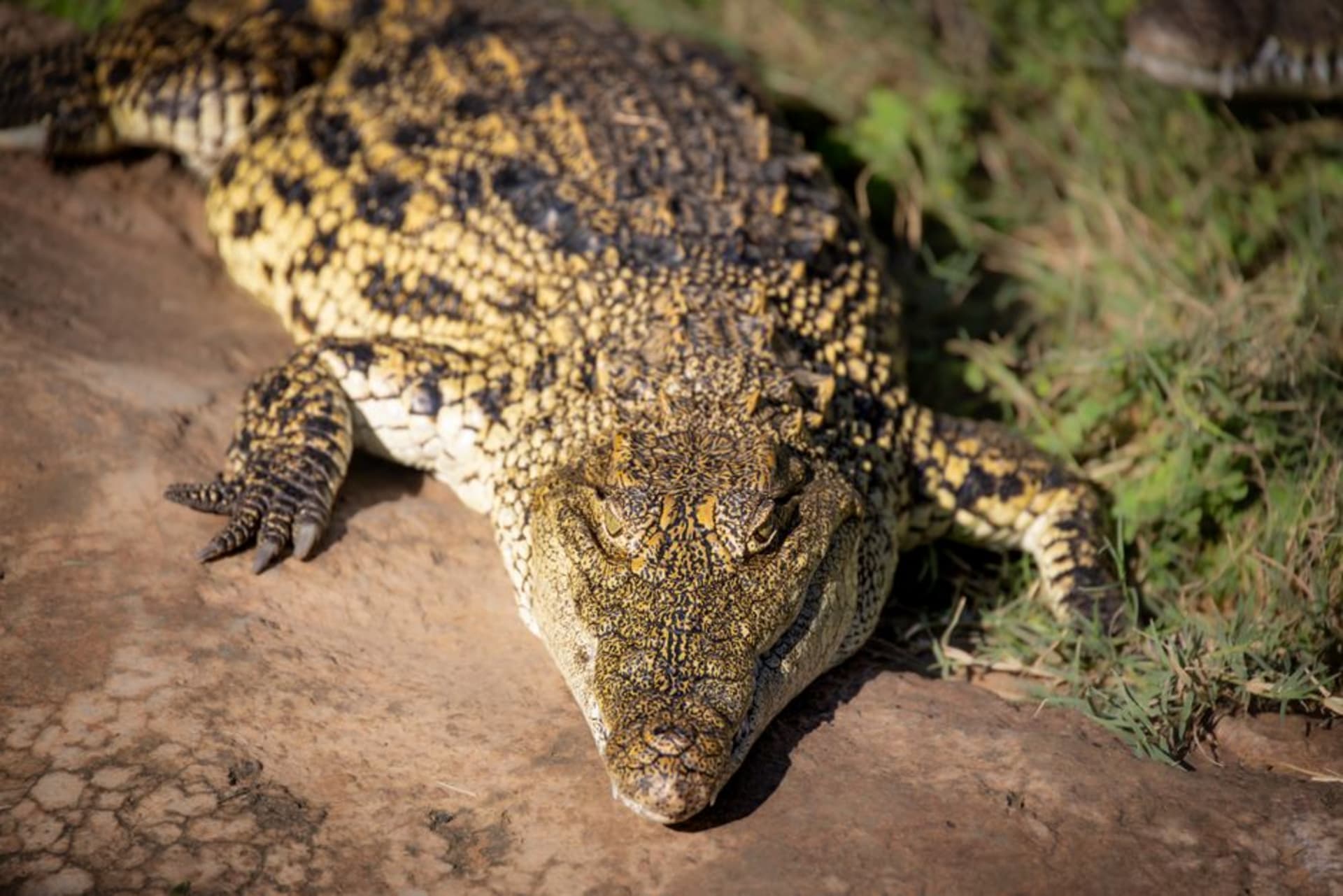
We reached Paga in the late morning, dust from the Burkina Faso road still on the windshield, and I remember thinking the town looked too quiet for a place famous for crocodiles. Lia had been skeptical the whole drive up from Bolgatanga — “sacred crocodiles, sure, Pierre” — but the skepticism cracked the moment our guide, a wiry man named Emmanuel whose family had watched the pond for generations, waded knee-deep into Paga Pia’s Pond and called out low, rhythmic words. Within a minute a shape moved under the surface, unhurried, and a crocodile the length of a canoe pulled itself onto the bank like it had been asked politely to come say hello.
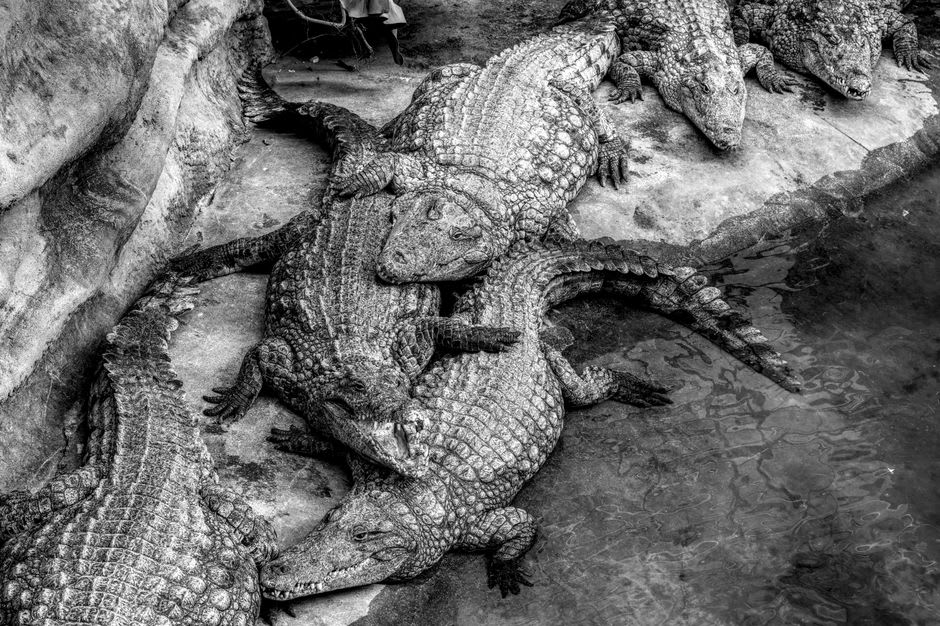
What struck me wasn’t the crocodile’s size, it was how unbothered everyone else was. Emmanuel explained, sitting cross-legged near the animal’s tail while I stood frozen a few feet away, that these creatures are believed to hold the spirits of the town’s ancestors, and that the pond itself exists because a crocodile once led the first settlers here, showing them where to find water in a landscape that doesn’t forgive thirst. That’s not folklore recited for tourists — you can feel it in how the handlers talk about the crocodiles, more like elderly relatives than wildlife. When Emmanuel finally waved me forward and guided my hand onto the ridged skin of its back, I understood I wasn’t performing a stunt for a photo. I was being let in, briefly, on a relationship between a town and a river that predates any of us.
We sat afterward on a low wall near the pond, eating groundnuts a woman was selling from a basin, and I kept turning over how close Paga sits to the border — you could walk to Burkina Faso in twenty minutes from where we sat. For centuries this exact stretch of ground was a crossing point for trans-Saharan trade caravans, and it struck me that the crocodiles have been watching that same traffic of strangers passing through for far longer than any of the checkpoints or fences that now mark the frontier. Lia, who touches nothing she doesn’t trust, ended up crouched by the water for a good ten minutes just watching two more crocodiles surface and settle back into the mud, and I don’t think either of us said much on the drive back into town.
When to go: We visited in the dry season, and it’s worth timing your trip the same way — between November and March the water level drops and the crocodiles bask openly on the banks, so you’re far more likely to see several at once rather than searching a full pond for a ripple.
Keep exploring
More from Ghana
 ghana
ghana Tamale
Ghana's northern capital moves at a different register — drier, quieter, Muslim in its rhythms — and rewards travelers willing to step outside the coastal circuit.
Explore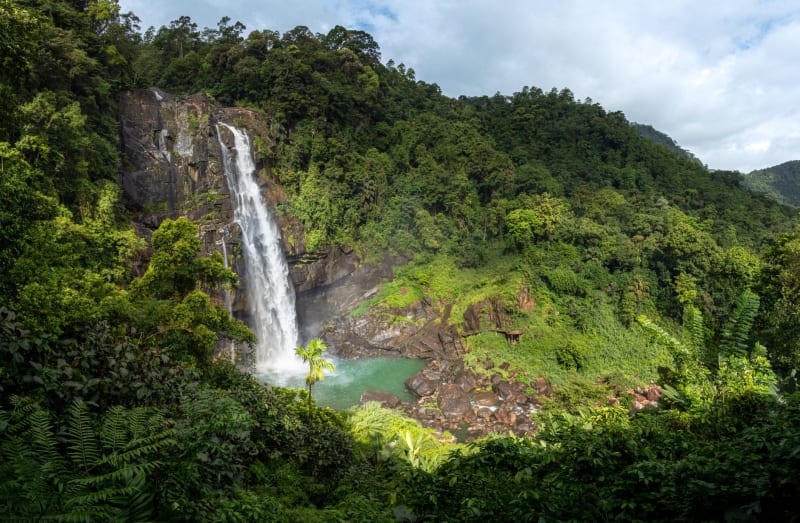 ghana
ghana Wli Falls
The highest waterfall in West Africa drops out of the Volta highlands into a pool full of fruit bats and cold mist, deep in Ghana's Volta Region.
Explore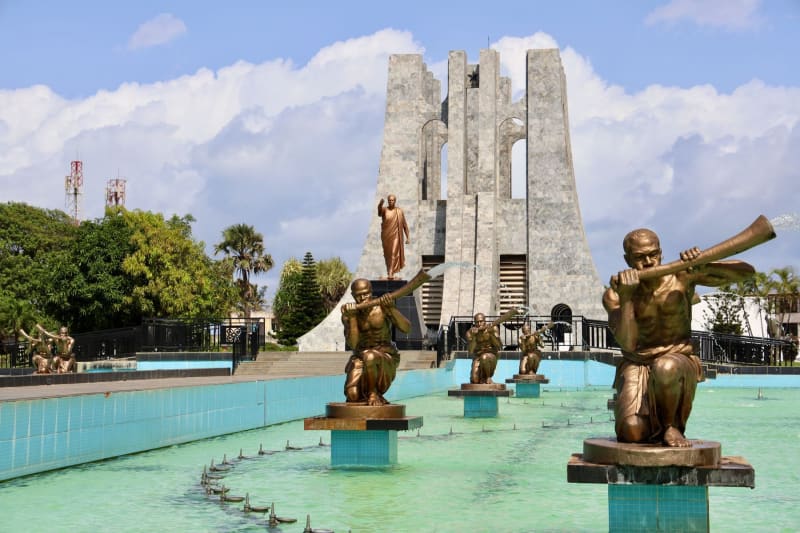 ghana
ghana Accra
West Africa's most vibrant capital — Nkrumah's legacy, Labadi Beach, and jollof rice debated on every corner.
Explore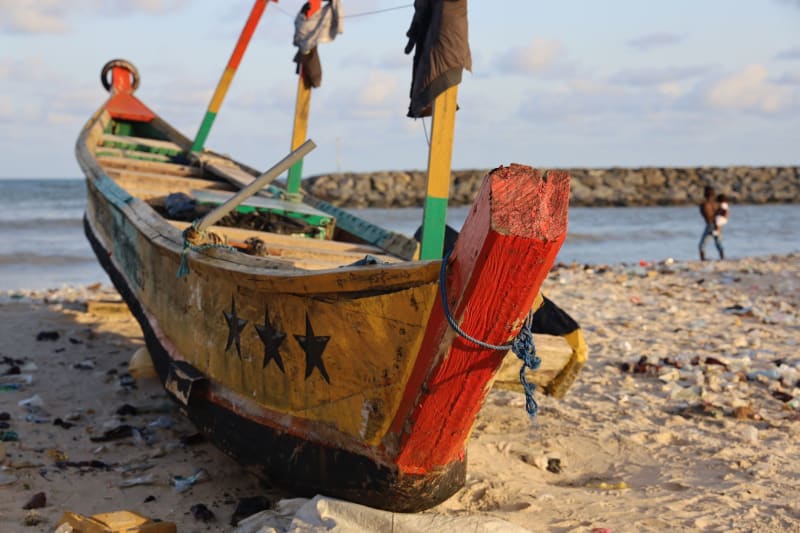 ghana
ghana Ada Foah
Where the Volta River finally meets the Atlantic in a tangle of lagoon, mangrove, and sandbar — the most geographically dramatic meeting point on Ghana's coast.
Explore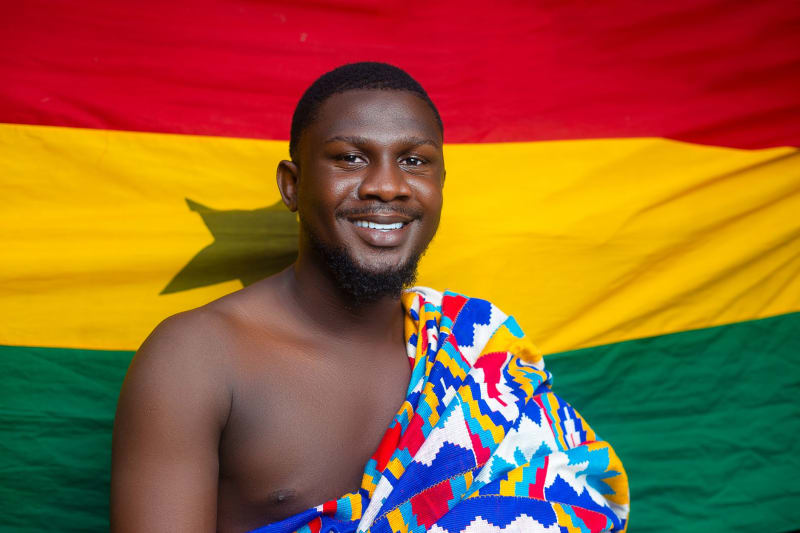 ghana
ghana Bolgatanga
In Ghana's Upper East corner, a market town famous for woven baskets and a crocodile pond that operates entirely on local faith.
Explore ghana
ghana Busua
A crescent of dark-gold sand on Ghana's Western Region coast where the surf actually breaks cleanly and nobody seems to be in a hurry.
Explore