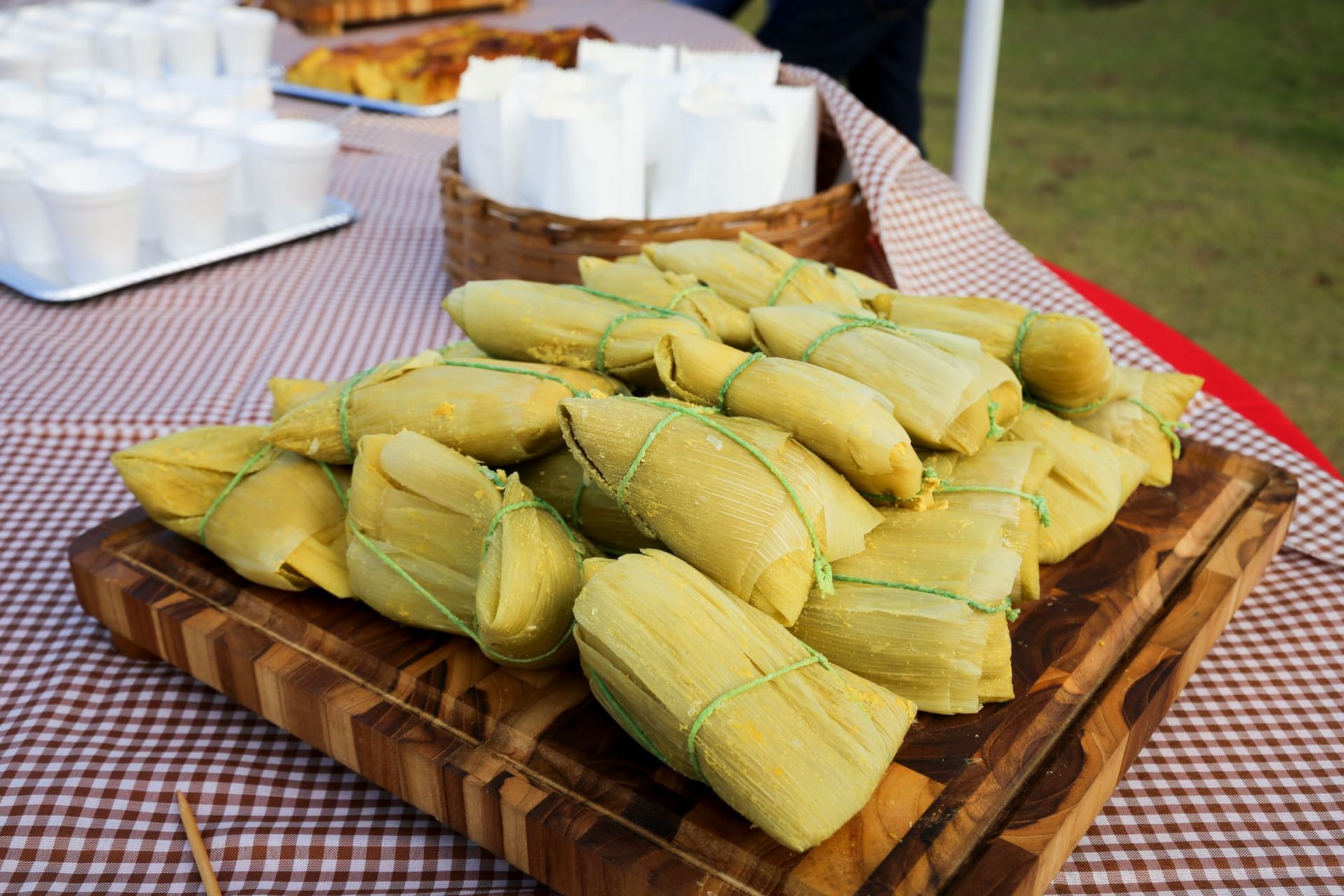
Ghana's northern capital moves at a different register — drier, quieter, Muslim in its rhythms — and rewards travelers willing to step outside the coastal circuit.

The drive from Kumasi to Tamale takes about five hours on a good day, and as the Ashanti forest recedes and the land opens into flat Guinea savanna, something shifts. The trees thin. The light hardens. The roadside stalls change from yam sellers to women with flat baskets of shea nuts. By the time I arrived in Tamale, I’d crossed some invisible line into a Ghana that the tourist circuit doesn’t talk about much, and I was glad I hadn’t listened to the people who told me it wasn’t worth the effort.
The Guinea Fowl Capital
Tamale has an informal title: the guinea fowl capital of Ghana. This is not metaphor. The birds are everywhere — in markets, in backyards, on roadsides, threading through traffic with the clueless confidence that guinea fowl seem to carry everywhere they go. The Tamale central market sells them live and processed, alongside smoked fish, pyramids of ground pepper, and the shea butter that the entire region produces in serious quantity. The market smell is different from Kejetia in Kumasi — drier, smokier, with an undercurrent of dried goods rather than tropical produce.
Mosques and the Rhythm of Prayer
Tamale is predominantly Muslim, and the city’s architecture reflects it. The old mud-brick mosques in the Tamale area — particularly in surrounding villages — belong to a West African tradition of Sudano-Sahelian architecture that reaches from Mali to northern Ghana, all tapered towers and wooden beams protruding like ribs. I sat in the shade near the Friday mosque on an afternoon when the call to prayer rolled out over the streets and watched the city reorganize itself temporarily around it. That rhythm — the pause, the gathering, the dispersal — felt like something I rarely see travel writing account for honestly.
Gateway to the North
The practical value of Tamale is also its gateway function. Mole National Park is about 170 kilometers west — accessible via shared minibus or a hire car, a journey that takes three to four hours depending on road conditions. The town of Bolgatanga and the Upper East region lie about 170 kilometers northeast. Tamale sits in the middle of all of it, with actual accommodation options, restaurants, and the logistical infrastructure that smaller northern towns lack.
I spent two nights here between Mole and Bolgatanga, which turned out to be more than enough to feel the city’s texture without overstaying. The street food after dark was the revelation: tuo zaafi, a stiff millet paste, eaten with a slimy green stew that sounds wrong and tastes completely right. A man at the next table explained it to me without being asked, and then we talked for an hour about football.
What Tamale Teaches
What I took from Tamale was a corrective. Ghana’s south — Accra, Cape Coast, the beaches — has a well-worn tourist logic. The north doesn’t perform for visitors. It’s just there, running on its own schedule, practicing its own faith, eating its own food. That absence of performance is harder to photograph and harder to write about, but it’s worth something that the curated experiences further south often aren’t.
When to go: November through February is the dry season and far preferable — the harmattan wind is dusty but the roads are passable and the heat manageable. Avoid the rainy season (May–September) when roads between Tamale and Mole can become genuinely difficult. Ramadan brings a different and interesting energy to the city if you’re prepared to adjust eating schedules accordingly.
Keep exploring
More from Ghana
 ghana
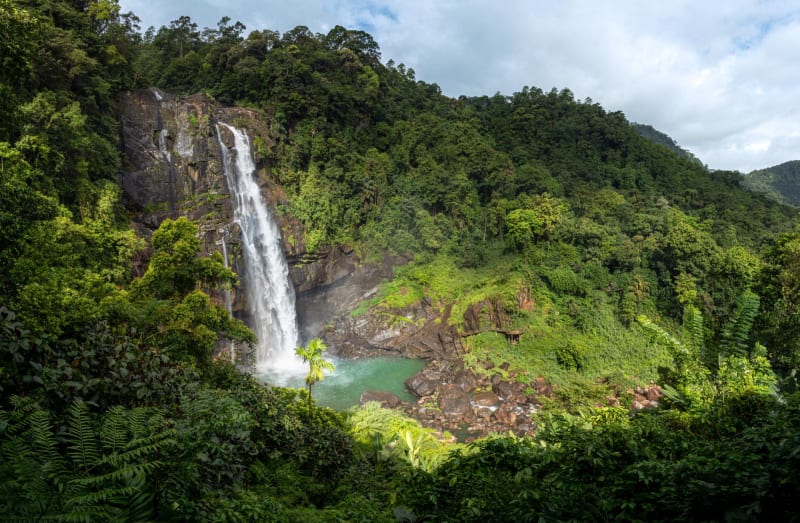
Wli Falls
The highest waterfall in West Africa drops out of the Volta highlands into a pool full of fruit bats and cold mist, deep in Ghana's Volta Region.
Explore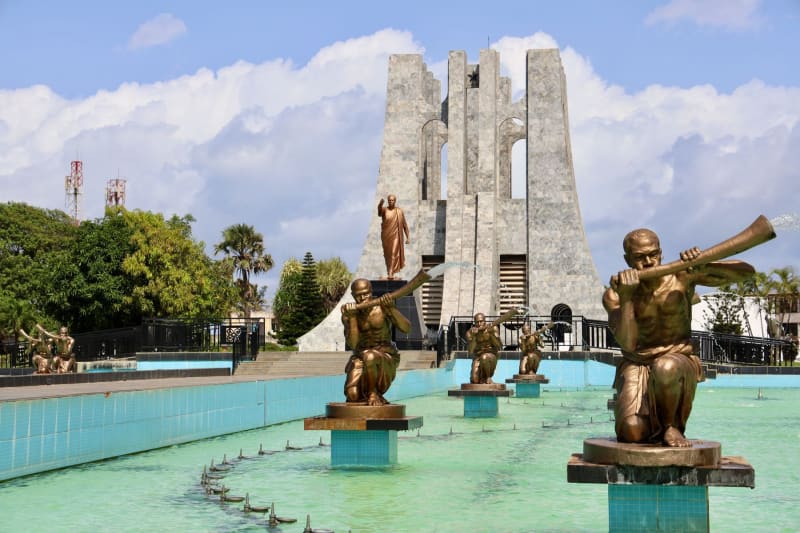 ghana
Accra
West Africa's most vibrant capital — Nkrumah's legacy, Labadi Beach, and jollof rice debated on every corner.
Explore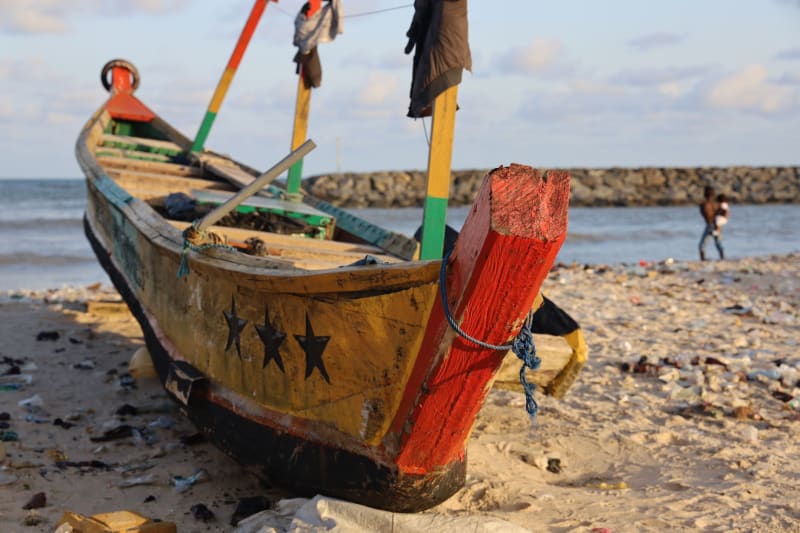 ghana
Ada Foah
Where the Volta River finally meets the Atlantic in a tangle of lagoon, mangrove, and sandbar — the most geographically dramatic meeting point on Ghana's coast.
Explore ghana
Bolgatanga
In Ghana's Upper East corner, a market town famous for woven baskets and a crocodile pond that operates entirely on local faith.
Explore ghana
Busua
A crescent of dark-gold sand on Ghana's Western Region coast where the surf actually breaks cleanly and nobody seems to be in a hurry.
Explore ghana
Cape Coast
The castle that held millions before the Middle Passage — a site of reckoning and remembrance above the ocean.
Explore