Kakum National Park
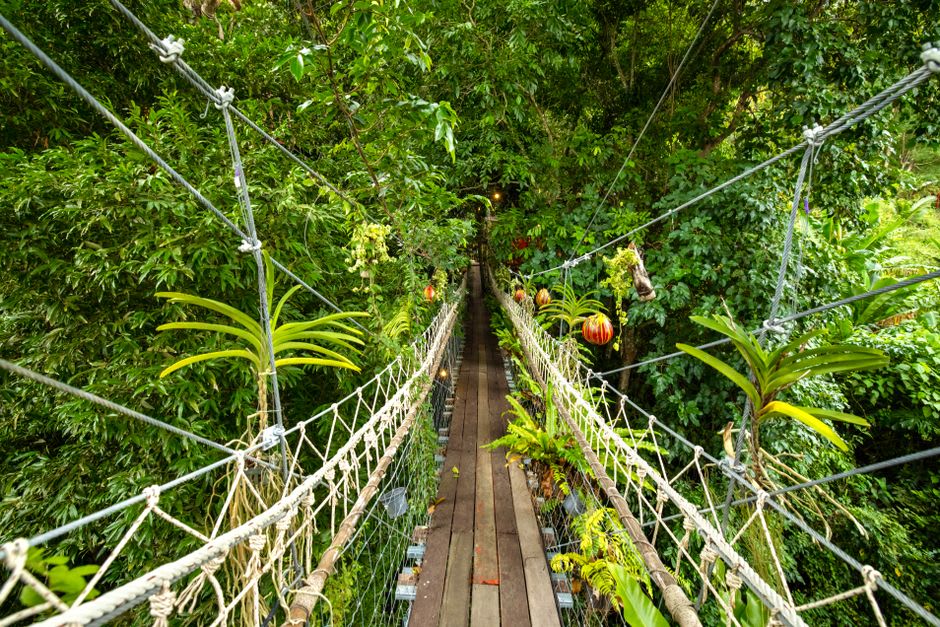
"I gripped the rope rail, looked down through the planks, and understood why they call it a walkway and not a bridge — bridges don't move like that."
Walking a swaying rope bridge 40 meters above an ancient rainforest canopy inland from Cape Coast.
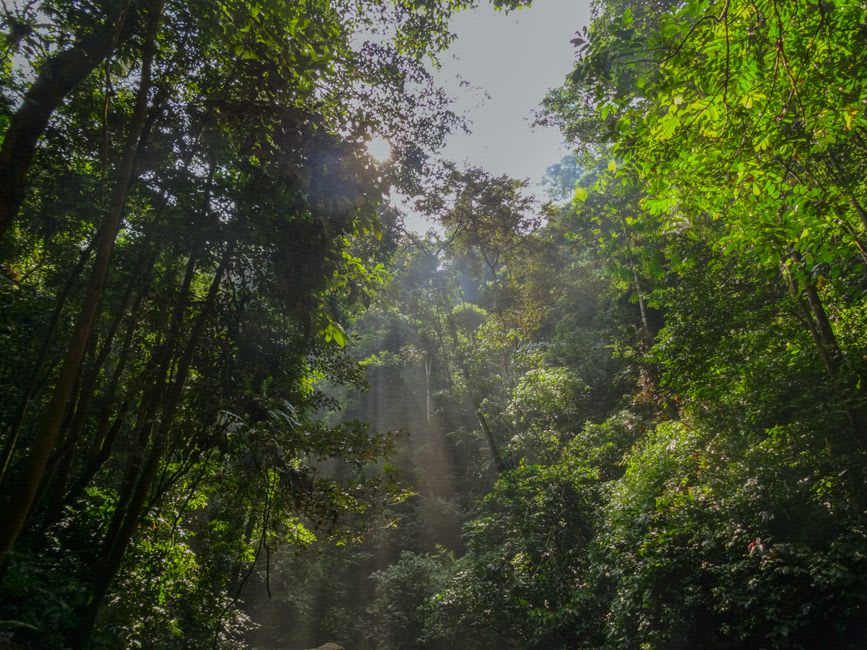
We drove up from Cape Coast in the dark, before dawn, because everyone we’d talked to said the same thing: get to Kakum early, before the heat and the tour buses turn the forest into something else. Lia was skeptical about the wake-up call until we stepped out of the car into that thick, cool, green-smelling air and heard the forest already going — birds we couldn’t name, something moving in the canopy we never saw. Kakum protects something like 375 square kilometers of rainforest, one of the last real stretches of untouched forest left on Ghana’s coast, and you feel that scale the second the trail swallows you.
The canopy walkway is the reason most people come, and it earns the reputation. Built in the 1990s with Canadian engineers, it was among the first structures of its kind anywhere in Africa — a chain of rope-and-plank bridges strung between seven platforms, hung roughly 30 to 40 meters above the forest floor. I’m not afraid of heights, generally, but there’s a specific feeling to standing in the middle of a suspended bridge, alone for a second between platforms, watching it flex under your own footsteps with nothing but treetops beneath you. Lia went first and kept turning around to tell me to stop looking down. I did not stop looking down.
What surprised me most wasn’t the walkway itself but what it revealed about the forest underneath it. Kakum became a national park in 1992 after surveys found forest elephants, bongo antelope, and more than 300 species of birds living inside its boundaries — numbers that sounded abstract to me until our guide pointed out fresh elephant tracks pressed into the mud near the visitor center, tracks we would absolutely not have noticed on our own. We never saw an elephant. We didn’t expect to; they’re shy, and the forest is dense enough to hide something that size without trying. But knowing they were out there, somewhere past the tree line, changed how I listened to the place for the rest of the morning.
We came back down and ate boiled eggs and bread from a cooler in the parking lot, both of us a little giddy from adrenaline and lack of sleep, watching the first big tour groups arrive as we left. That timing felt like the whole trick of Kakum — the forest doesn’t change, but your experience of it depends entirely on whether you share the walkway with three people or thirty.
When to go: We went in January, deep in the dry season that runs from November to March, and the trails held up well underfoot — worth planning around if you want firmer ground and a real shot at spotting wildlife rather than just hearing it.
Keep exploring
More from Ghana
 ghana
ghana Kumasi
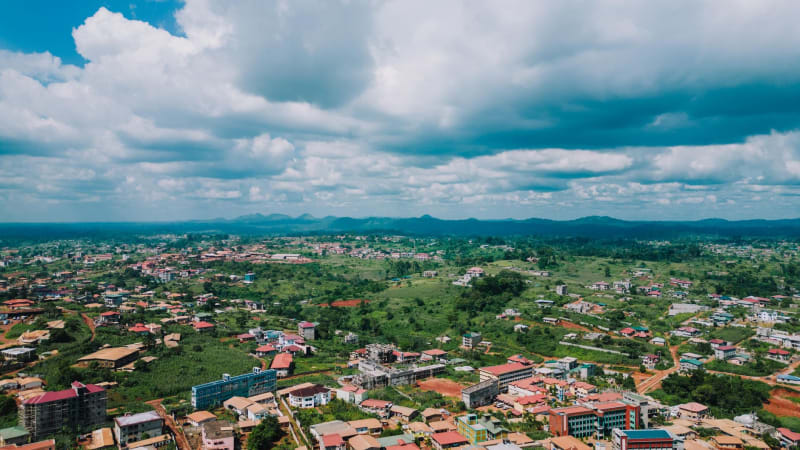
The Ashanti capital smells of woodsmoke and fresh kente thread, a city that wears its royalty without ceremony.
Explore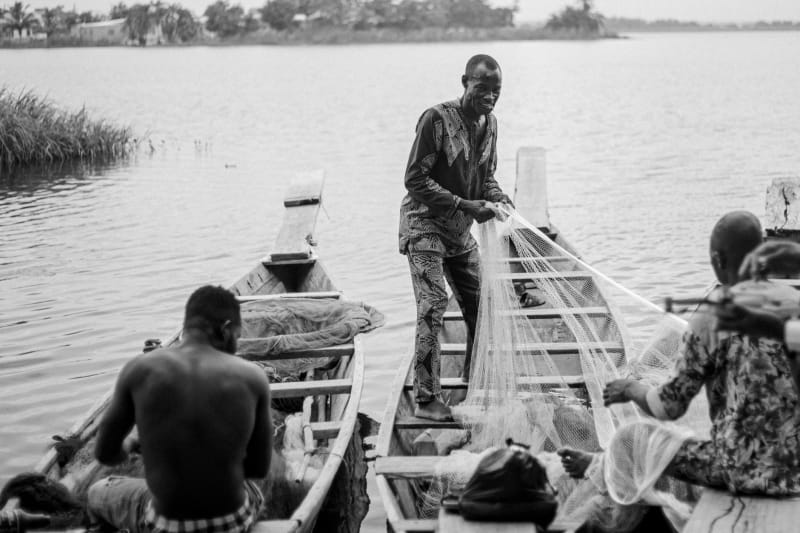 ghana
ghana Lake Volta
The world's largest reservoir by surface area sits in Ghana's east like a flooded map, dotted with fishing villages that exist nowhere on most tourists' itineraries.
Explore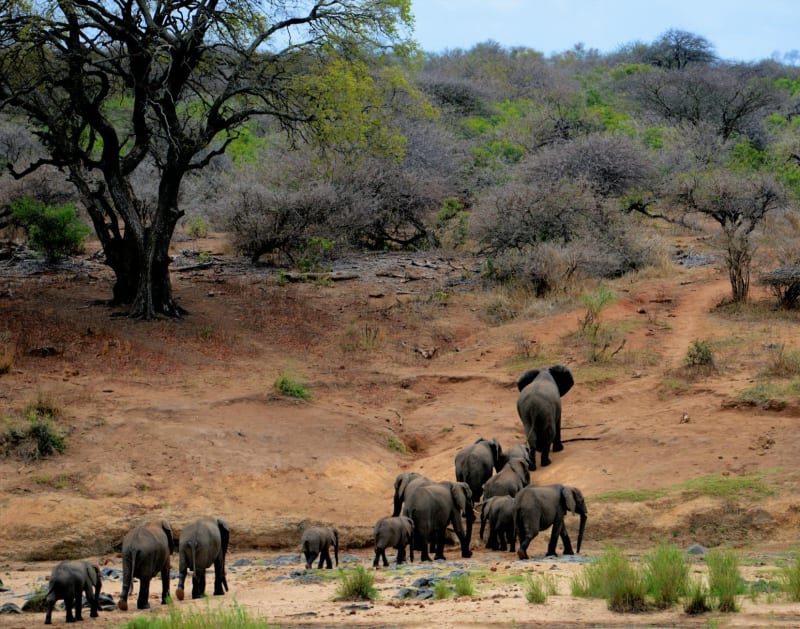 ghana
ghana Mole National Park
Ghana's largest wildlife refuge, where elephants drink at waterholes visible from your lodge balcony at dawn.
Explore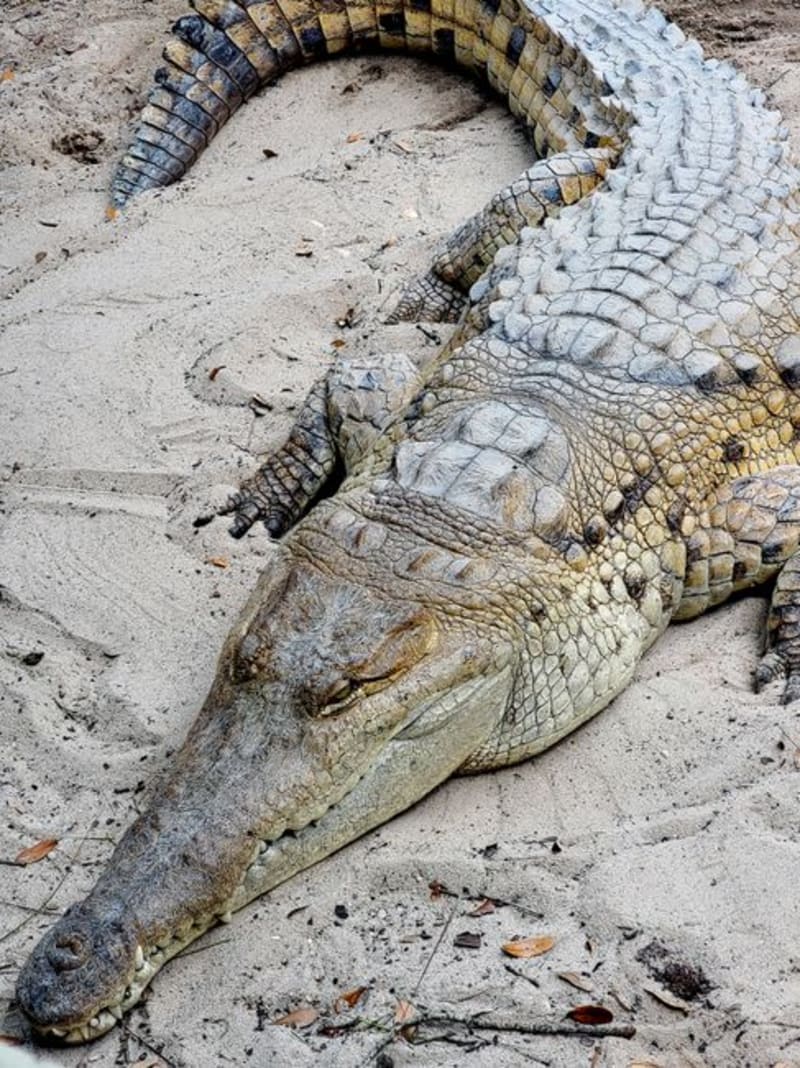 ghana
ghana Paga Crocodile Ponds
In Ghana's far north, sacred crocodiles glide toward strangers' hands, guarded by a belief older than the border beside it.
Explore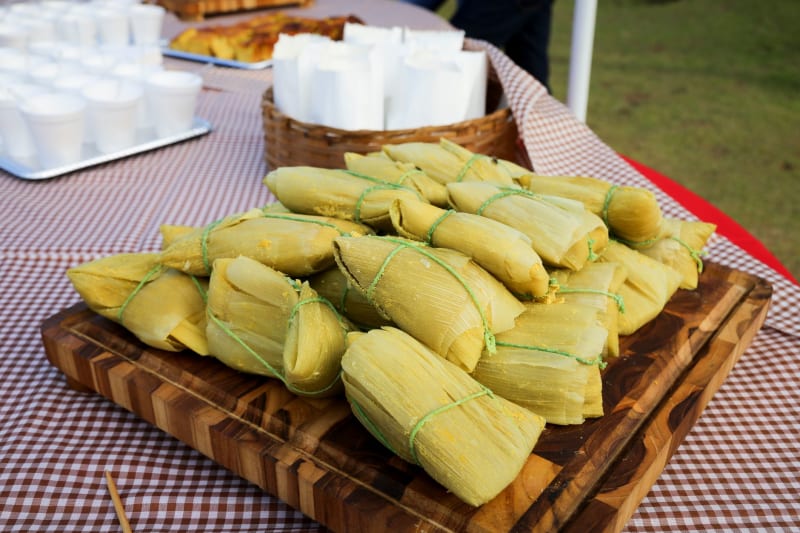 ghana
ghana Tamale
Ghana's northern capital moves at a different register — drier, quieter, Muslim in its rhythms — and rewards travelers willing to step outside the coastal circuit.
Explore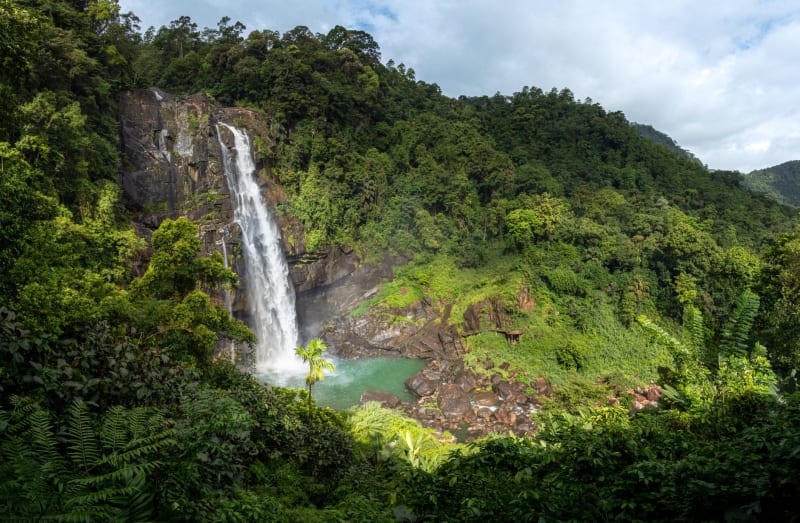 ghana
ghana Wli Falls
The highest waterfall in West Africa drops out of the Volta highlands into a pool full of fruit bats and cold mist, deep in Ghana's Volta Region.
Explore