Plettenberg Bay
"The bay at sunrise, before anyone else arrives — that's the version of Plettenberg Bay you keep."
I had been warned about Plettenberg Bay — that it was where wealthy Johannesburgers came in December, that the prices tripled, that the traffic on the N2 backed up for kilometres, that the town had lost its soul to holiday letting and waterpark infrastructure. Most of this is true in December. I arrived in early March, which is a different country. The bay stretched out in a long horseshoe arc, deep blue and almost completely empty, and a pod of bottlenose dolphins was working a wave about a hundred metres from shore, riding it for no discernible reason other than what looked, from the beach, an awful lot like pleasure.
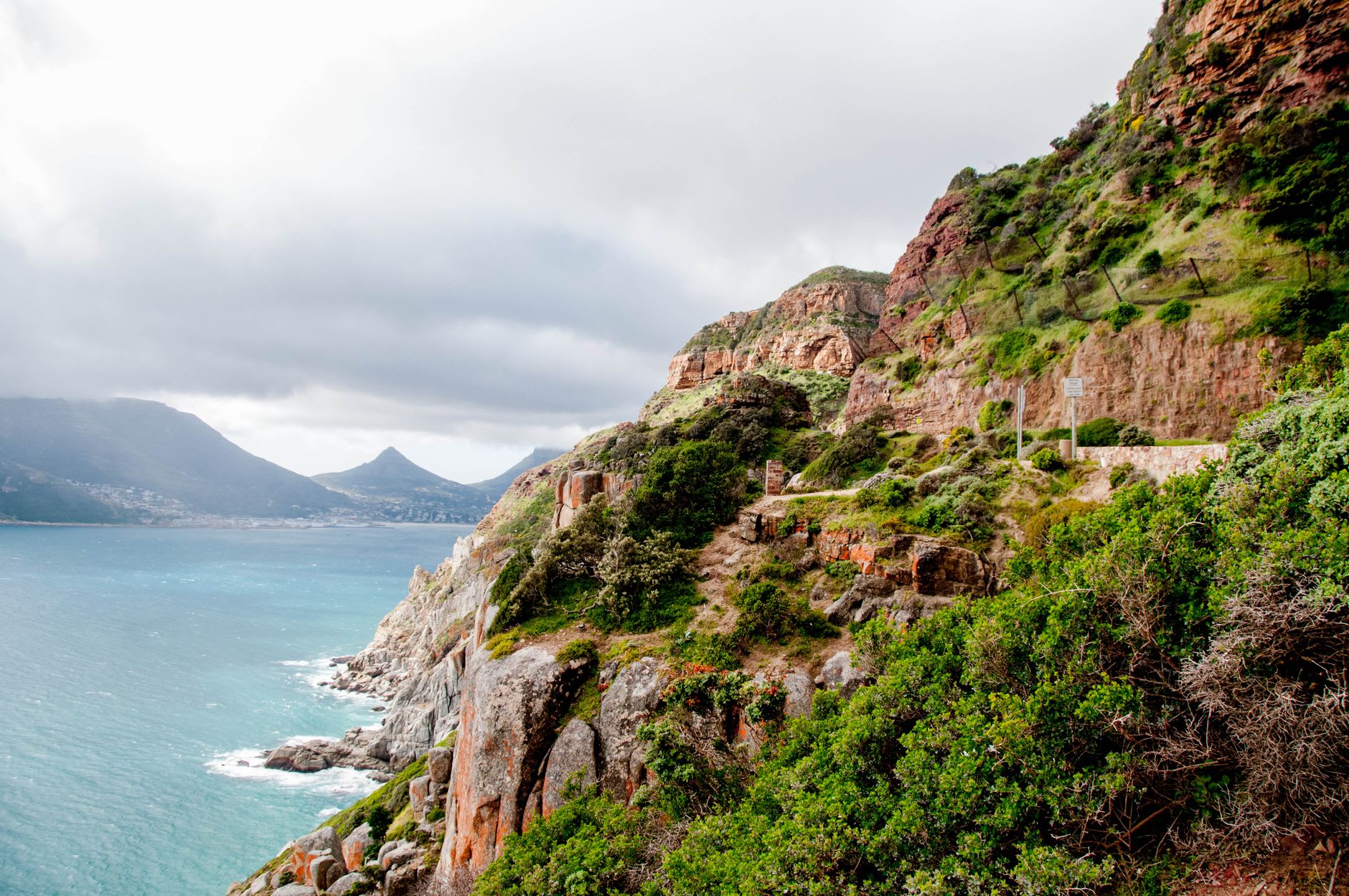
The geography of Plett — everyone shortens it — is unusually generous. There are three distinct beaches within walking distance of the town centre: Robberg Beach below the main strip, Central Beach around the point, and Lookout Beach facing north where the Bitou River meets the sea. Each has a different character. Robberg is the dramatic one, backed by the cliffs of the Robberg Peninsula jutting into the sea with its colony of Cape fur seals and the whale nursery ground just offshore. Lookout faces the river and gets the beach shack restaurants with plastic chairs and children’s buckets and the particular comfortable chaos of South African family beach life. I preferred Central Beach at low tide, when the sand goes for what felt like a kilometre and the town disappears behind the headland.
The night market runs on Thursday evenings near the tourism office, and it is the best version of Plett: local cheesemakers, a woman selling Cape Malay pickled fish from a bucket she’s been refilling since morning, someone grilling lamb chops over coals in the open air, a school music group playing with more enthusiasm than accuracy in the corner. I spent more money than I intended. The pickled fish — sweet, sharp, fragrant with masala and bay leaves — was unlike anything I’d had before, a condensed version of a whole culinary history.

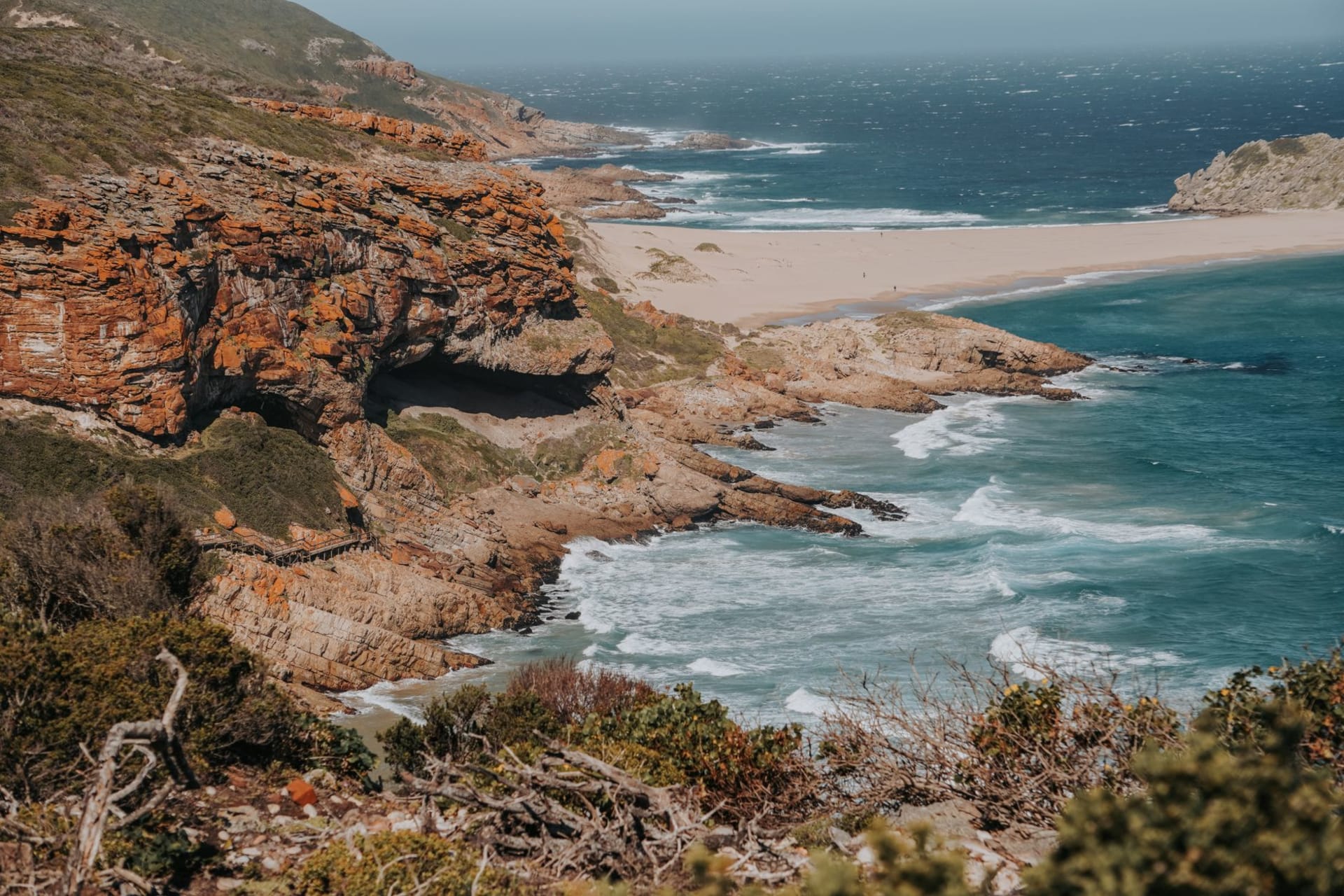
The Robberg Nature Reserve deserves its own half-day. The 9km circular trail around the peninsula is one of those walks where the landscape does the work — you start in fynbos, cross a narrow sandy isthmus with ocean on both sides, climb sandstone cliffs looking south toward Antarctica in some technical sense, and end above a beach packed with fur seals arguing loudly about territory. The smell hits you before you see them: a dense marine funk of fishy breath and wet fur that is completely overpowering and somehow wonderful. Bring water, sun protection, and no expectations about finishing quickly.
When to go: September through November is ideal — the whales arrive in the bay to calf, the weather is warm but not yet crowded, and accommodation prices are reasonable. January and February offer the best swimming but the highest prices and fullest beaches. Avoid the period between December 15 and January 10 unless crowds are a thing you enjoy.