
Oudtshoorn
"Cross the Outeniqua Pass and you're in a completely different country. The air even smells different."
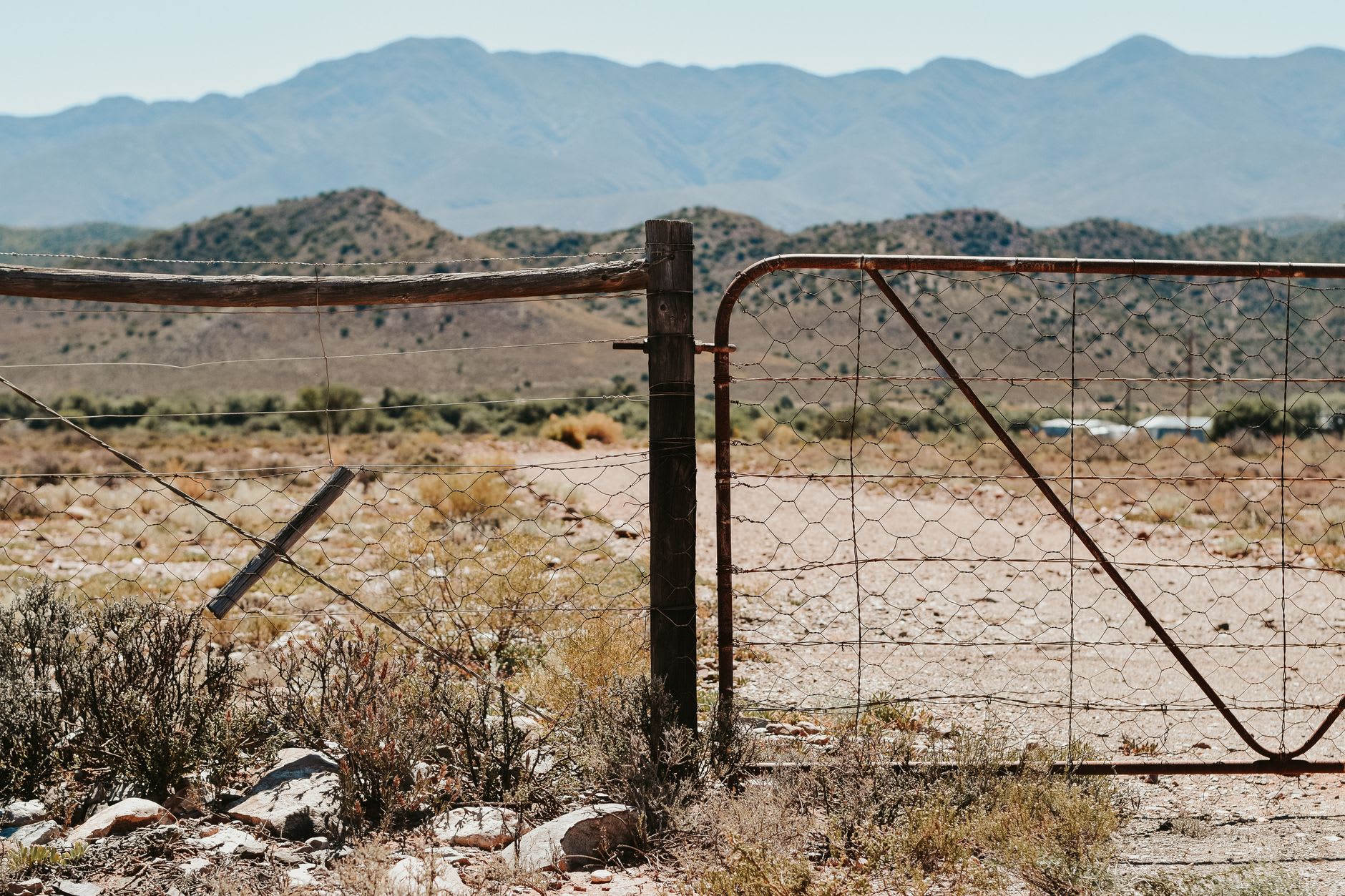
The transition from the Garden Route coast to Oudtshoorn is one of the sharpest landscape shifts I’ve experienced without leaving a tarmac road. You drive the Outeniqua Pass — forty minutes of tight switchbacks through yellowwood forest — and emerge on the other side into the Little Karoo: dry air, scrub acacia, red dust, the Swartberg Mountains in the distance with their sharp quartzite ridges, and ostriches. So many ostriches. Long-legged, prehistoric-looking, utterly implausible birds standing in paddocks along the roadside as if they are waiting for a bus and have accepted that the bus is very late.
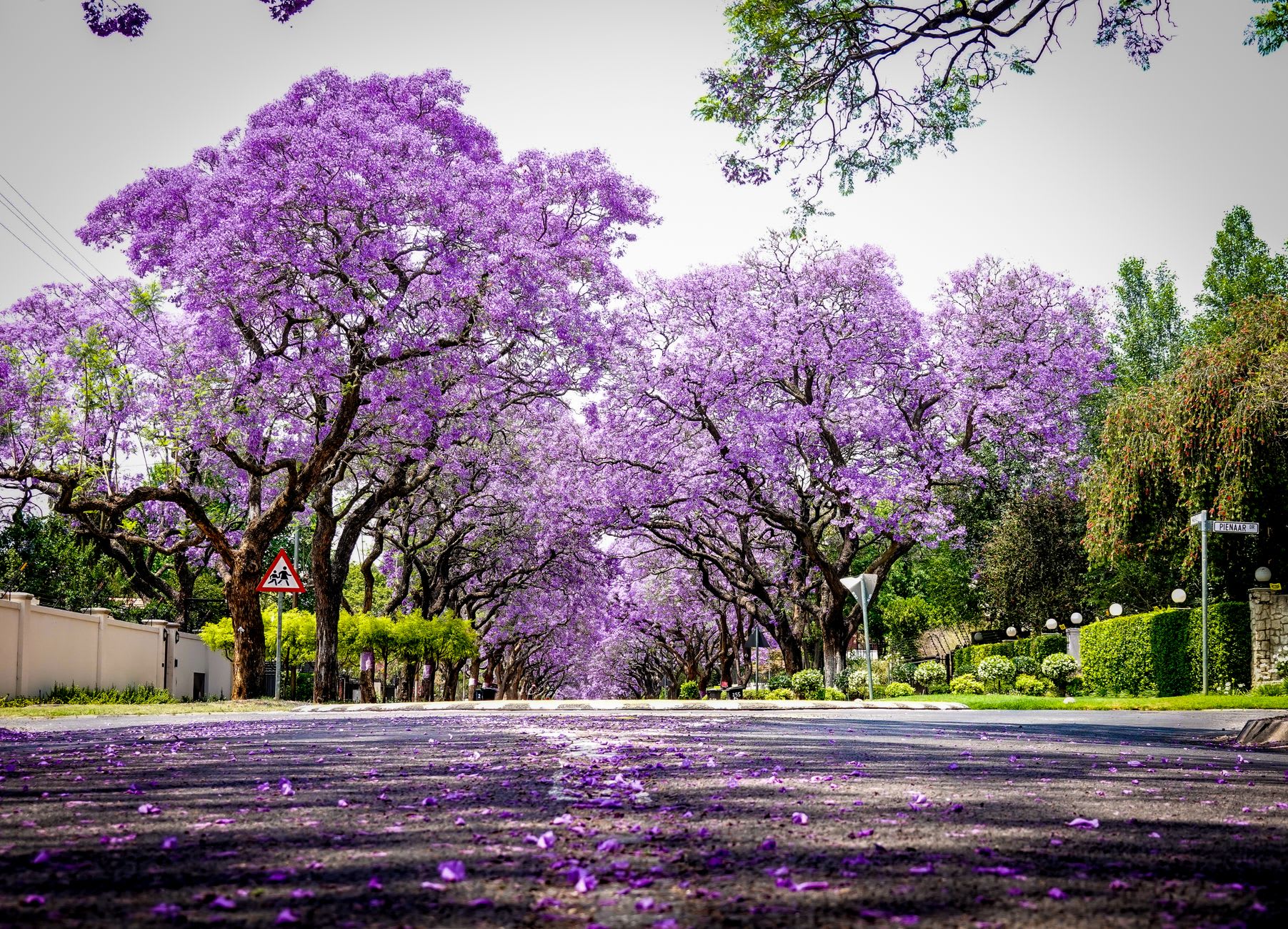
Oudtshoorn’s peculiar history begins with feathers. Between 1890 and 1914, ostrich feathers were among the most valuable commodities in the world — demanded by the European fashion industry for hats, boas, and trim, and harvested from birds that thrived in this semi-arid valley. The fortunes made here were immense and sudden, and the Victorian houses they built — sandstone palaces called “feather palaces” locally — stand on the main street with the slightly bewildered air of things that have outlasted the occasion for which they were constructed. The Cango Ostrich Farm is the most accessible introduction to the industry: you can ride an ostrich (briefly, memorably, not comfortably), eat an ostrich steak (which tastes more like beef than poultry, lean and dark-fleshed), and buy an egg large enough to omelette eight people, though carrying it home requires commitment.
The Cango Caves are the reason Oudtshoorn earns a full day rather than an afternoon detour. Twenty-six kilometres north of town, in the foothills of the Swartberg, the cave system extends for more than four kilometres through the earth in a sequence of chambers that get progressively more spectacular and, in the adventure sections, progressively more claustrophobic. The standard tour covers the main decorated galleries: stalactites and stalagmites built over millennia by mineral-rich water, some of them forming shapes that the Victorian explorers who named them — Cleopatra’s Needle, Van Zyl’s Hall — were perhaps overimaginative about, but which are genuinely astonishing in scale. The adventure tour requires squeezing through the Devil’s Chimney, a passage so narrow that you exhale to fit through. I am not especially claustrophobic and I found this memorable.
The town of Oudtshoorn itself has a calm, unhurried quality that contrasts with the coast. The main street has bakeries selling koeksisters — twisted, syrup-drenched fried dough that you eat with both hands over a counter — and a market on Saturday mornings where the farmers sell dried fruit, biltong, and preserves from the local orchards. I bought a bag of dried peaches from the Cango Valley that were so intensely sweet they were almost savoury, and I ate them in the car on the drive back over the pass with the windows down and the temperature rising ten degrees as the forest closed in again and the sea reappeared.
When to go: Oudtshoorn is best visited as a day trip or overnight detour from the Garden Route, ideally combined with the Outeniqua or Montagu Pass drive. Summer (December–February) temperatures in the Karoo can exceed 40°C; spring (September–November) and autumn (March–May) are ideal. The caves maintain a constant 18°C year-round, making them appealing on any day.