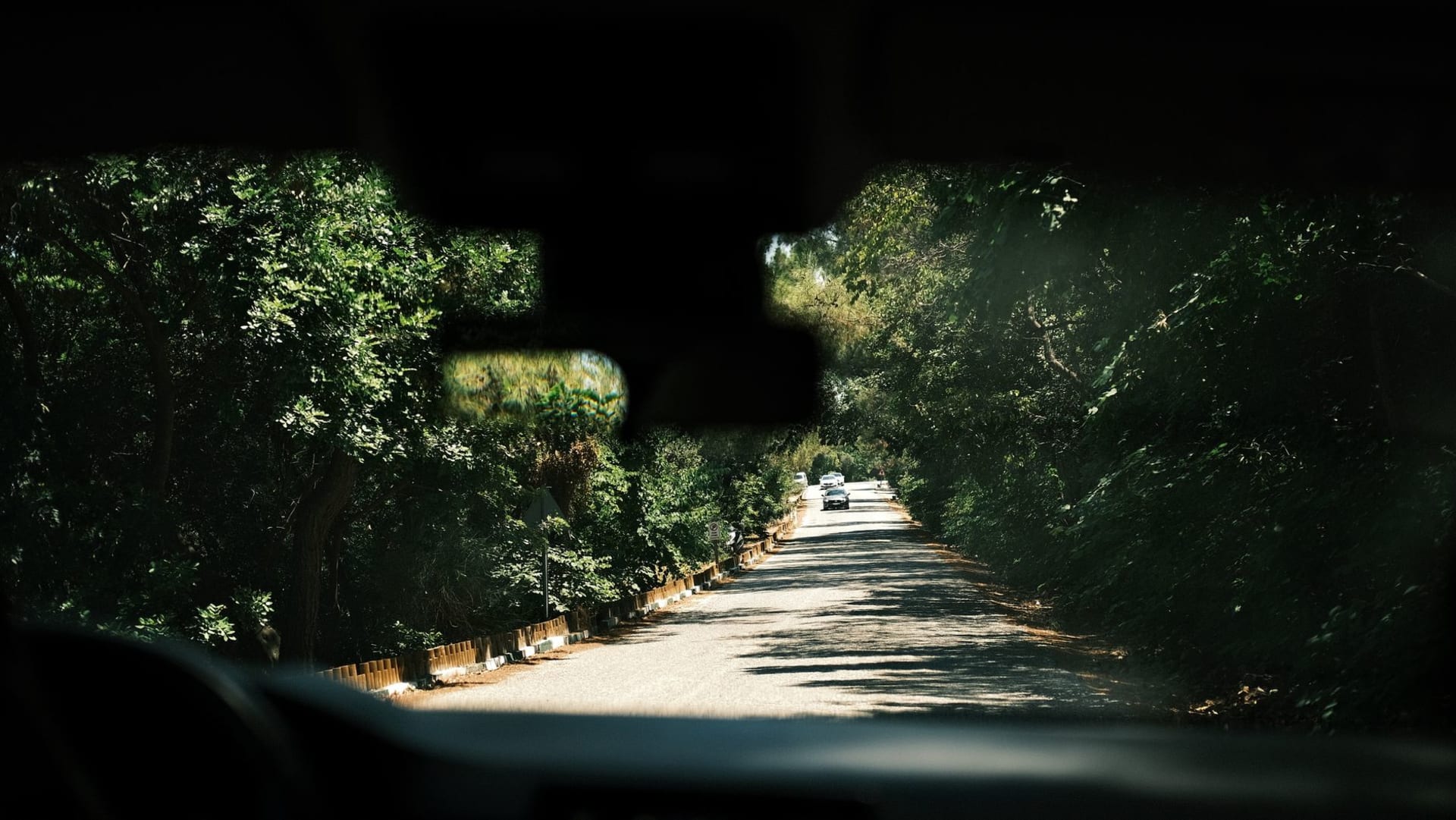
Keurboomstrand
"The crayfish tasted of cold water and smoke, and cost almost nothing, and I still think about it."
I found Keurboomstrand because the main post mentioned crayfish at a roadside braai stand, and once that image was in my head it wasn’t leaving. The turnoff is a few kilometres east of Plettenberg Bay on the N2, easy to miss if you’re not watching for it, and the road drops toward the sea through milkwood scrub and a small residential settlement of weekend houses and permanent homes that coexist without tension. There is no hotel. There is no restaurant in the usual sense. There is a beach that goes for a long way in both directions and, if you time it right, a man with a braai grill set up in the grass above the car park, selling crayfish — rock lobster, technically, though everyone here calls it crayfish — and nothing else.

The crayfish. I want to describe it accurately: a half-crayfish, split lengthways, the shell charred and fragrant from the coals, the flesh still translucent in the deepest part and hot-sweet everywhere else, with a squeeze of lemon that was given to me loose from a plastic bag. It cost what a mediocre lunch costs in Cape Town and tasted of Atlantic depth and salt air and the particular satisfaction of eating something in the place where it was caught. I ate two. I would have eaten a third but the man told me that was the last of the day and he was packing up, which seemed like information delivered for my benefit.
The beach itself is the other reason to come. The Keurbooms River empties into the sea here at a broad, shallow mouth that shifts position with the tides and the seasons, creating a sandbar system that changes the wave patterns throughout the day. At low tide the rock pools on the southern headland are extraordinary — periwinkles and limpets and brittle stars, sea anemones in the deeper channels, and the occasional spiny sea urchin in a crevice that you learn about with your foot if you’re not paying attention. The water is Indian Ocean cold, which at this latitude means bracing rather than impossible.
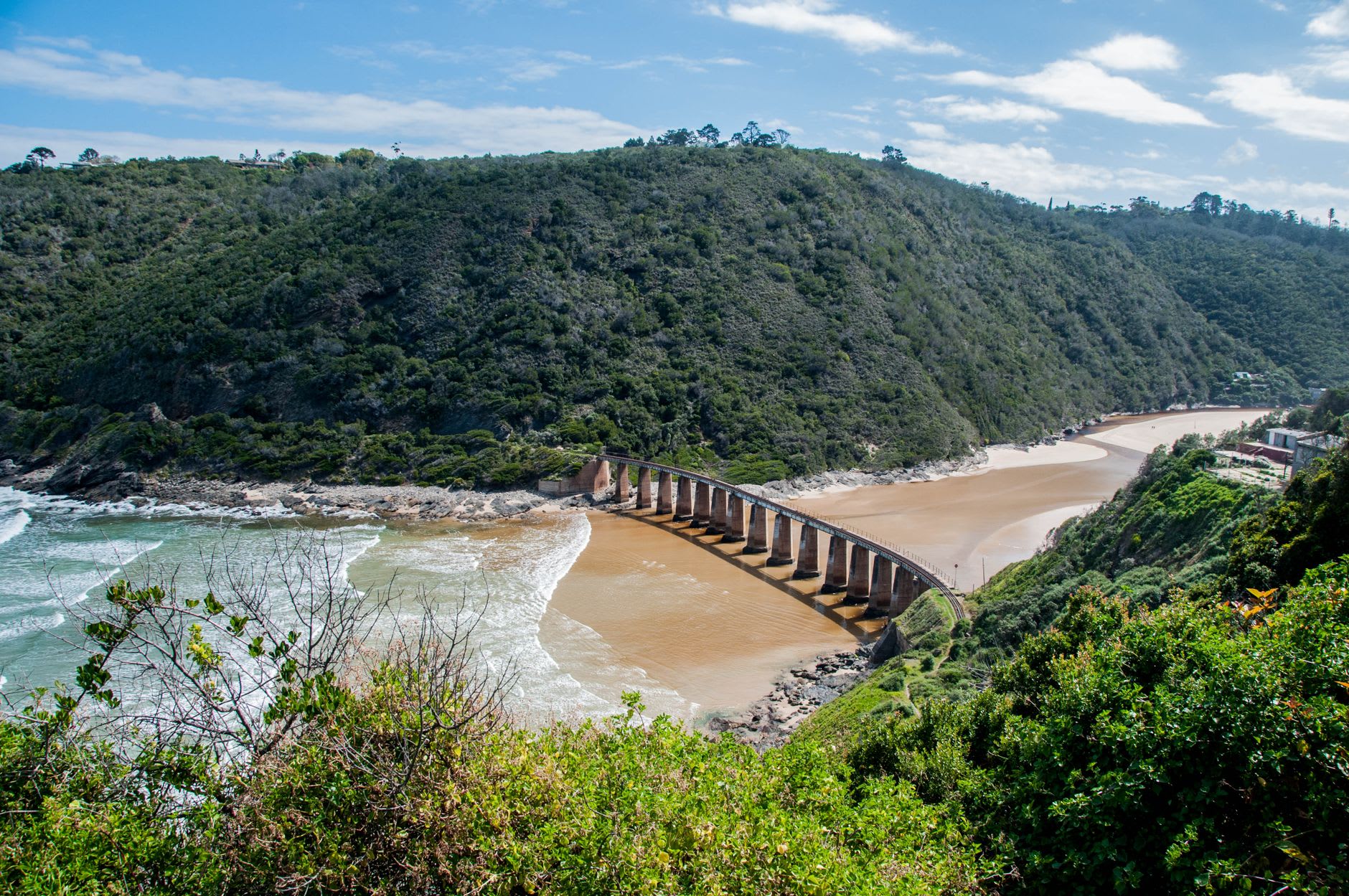
The Keurbooms Lagoon, accessible from the river mouth, extends several kilometres inland through riparian forest and makes for an excellent paddle if you have a kayak or can arrange a canoe rental from the Plettenberg Bay side. I walked along the river bank instead, on a sandy path under the old milkwood trees, until the path gave out and the forest thickened and I turned back without having seen another person for forty-five minutes. That is a specific kind of luxury on the Garden Route in summer — genuine quiet, genuine solitude, the forest absorbing the sound of the road completely.
When to go: The crayfish braai stands appear most reliably between November and April, when the season is open and the local fishermen are operating. The rock pools are best explored at low spring tides, and the lagoon paddling is easiest in autumn when the river is lower. Come on a weekday to have the beach to yourself.