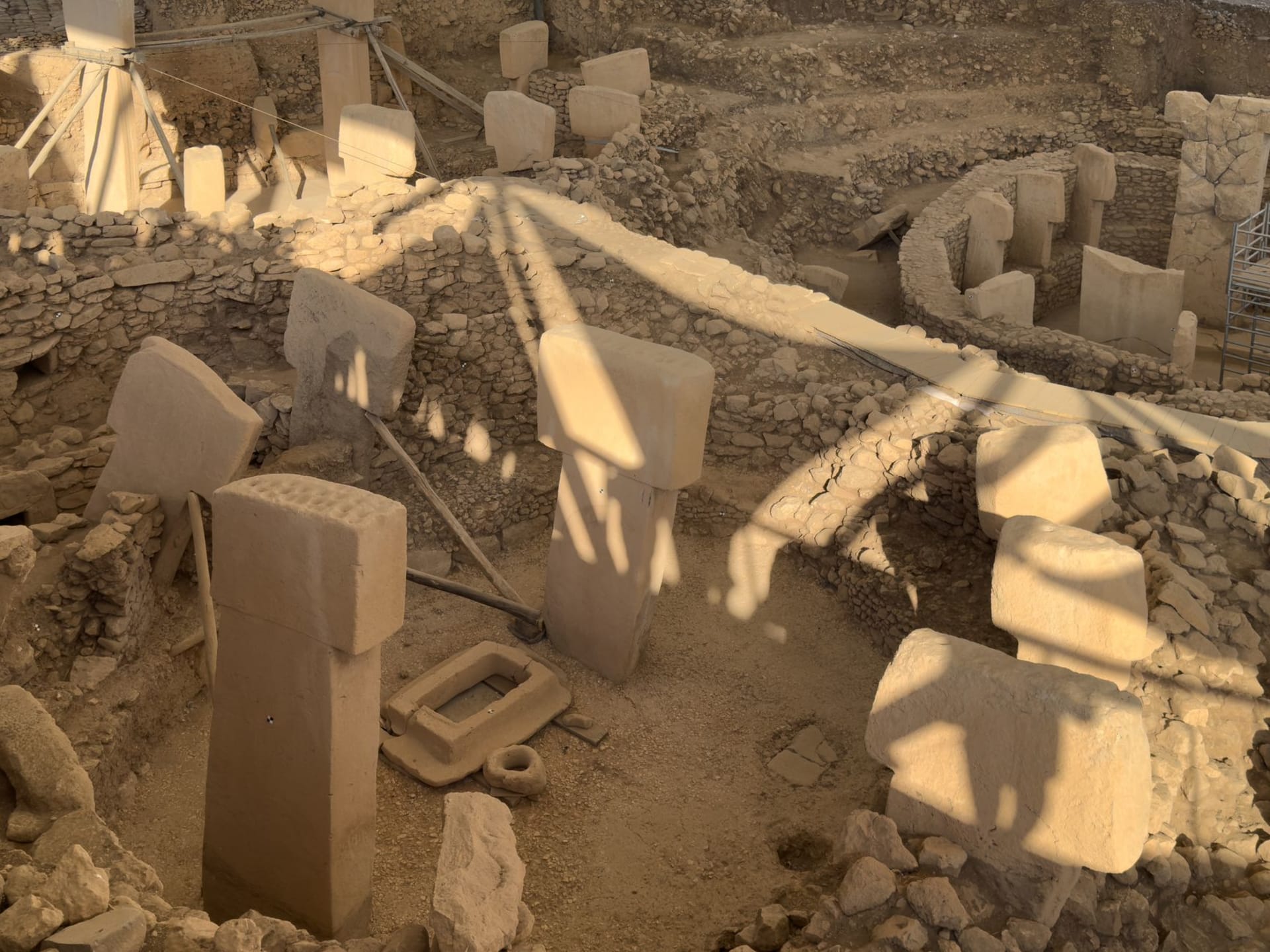
Wassu Stone Circles
"Stonehenge gets the tourists. Wassu gets the silence, and somehow the silence suits it better."
The road to Wassu runs east for several hours through the Gambian interior, the landscape flattening and drying as you leave the coast, the vegetation changing from palm and baobab near the river to dry savannah scrub, termite mounds standing red against the pale grass. I came from Georgetown on a rented motorcycle, which was either brave or foolish depending on the road conditions that day, and arrived at the site in the mid-morning heat with dust on my teeth and a genuine feeling of having traveled somewhere.
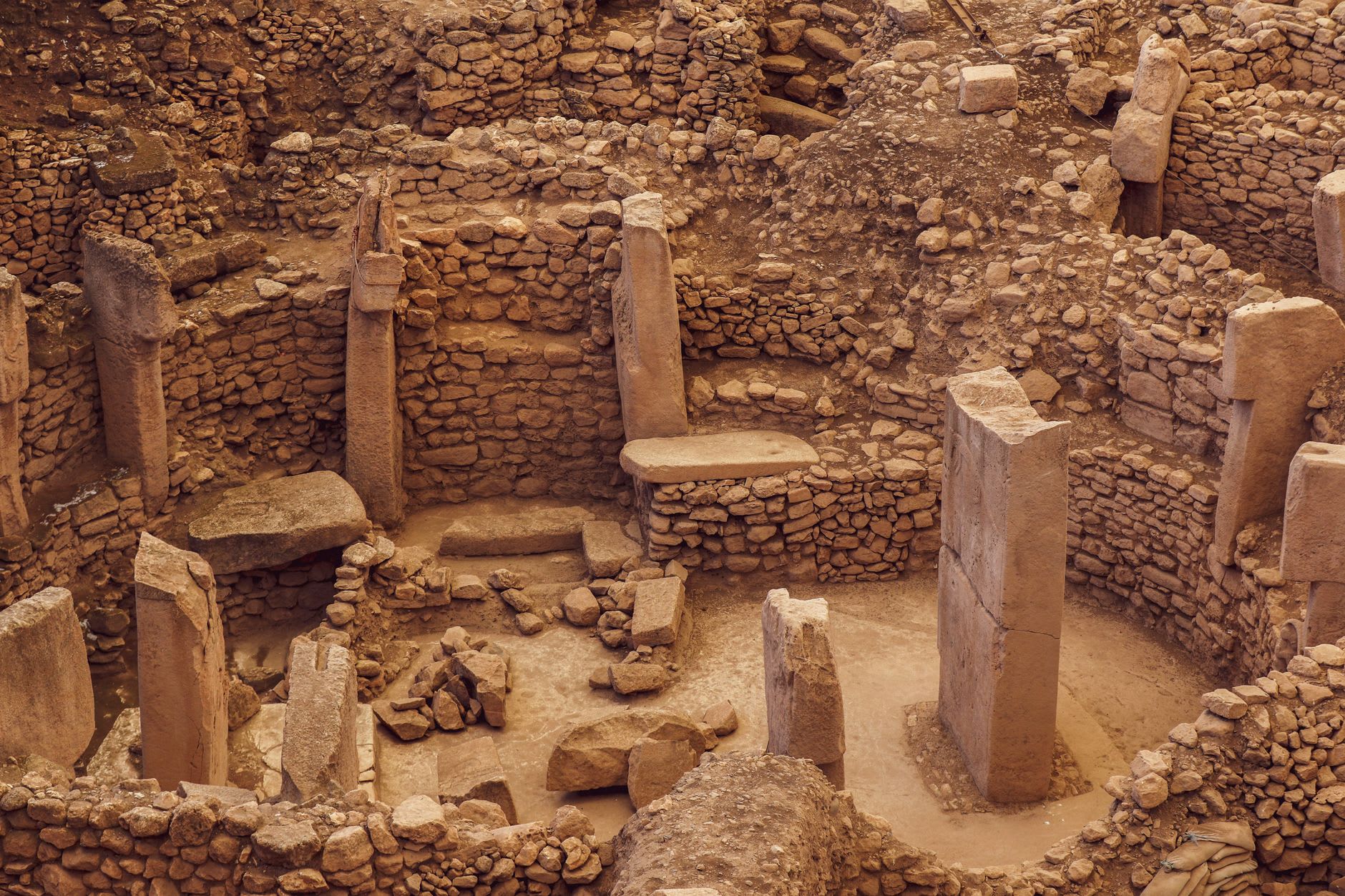
There are more than a thousand stone circles scattered across Senegambia — in Senegal and The Gambia both — all built between the third and sixteenth centuries by a civilization that left almost no other trace. Nobody knows for certain who they were or why they built in circles or what the circles meant. Archaeological excavation has found human remains inside some of them, suggesting funeral use, but the full story resists resolution. At Wassu, the best-preserved cluster sits on a flat piece of ground behind a modest gate, the red laterite columns standing waist-to-shoulder height, grouped in rings of between eight and twelve stones. Some are topped with cup-shaped hollows. Some lean. Some have fallen.
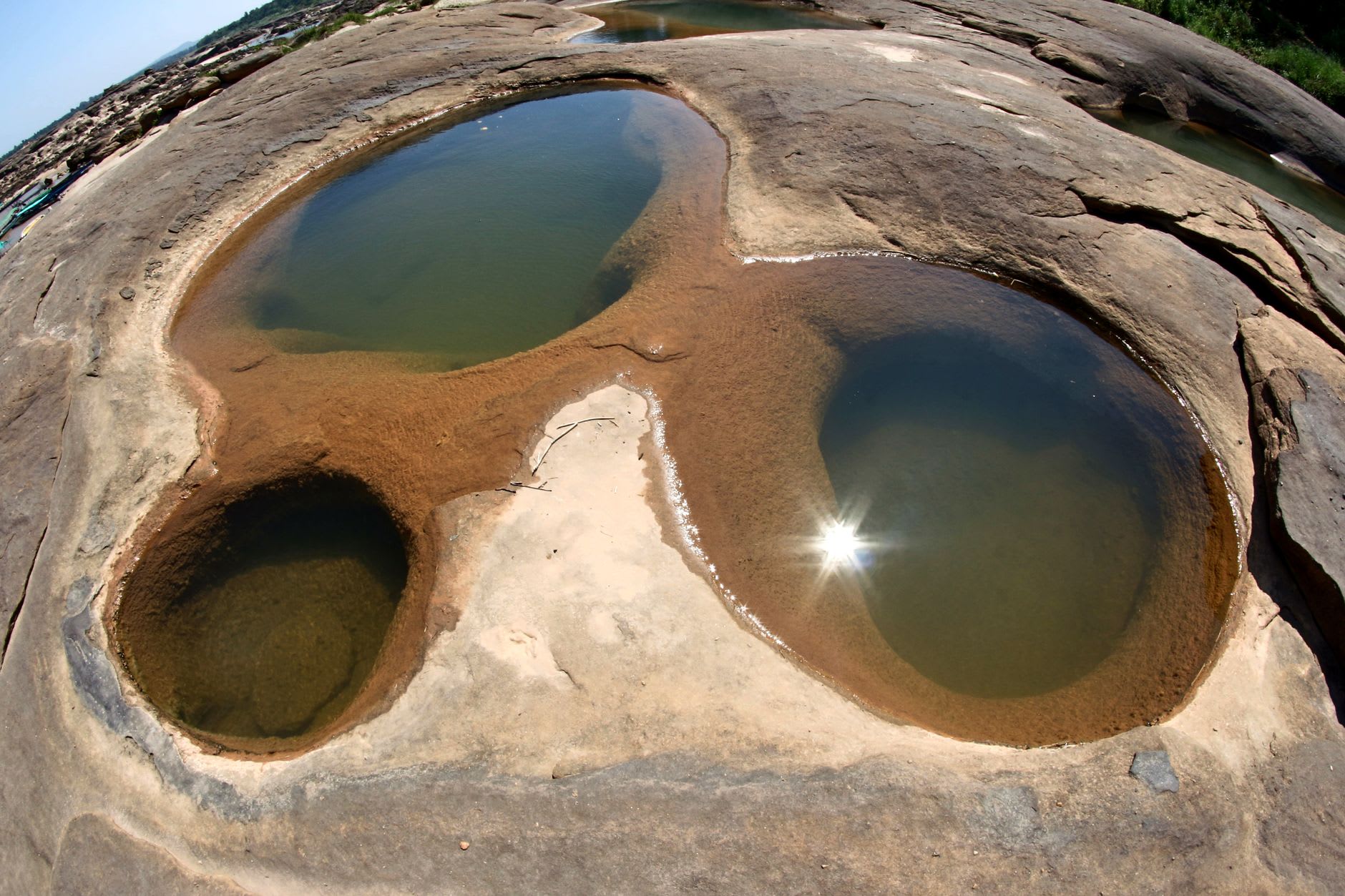
What strikes you first is not the size — these are not enormous monuments — but the persistence. The stone is a deep red-orange, almost glowing in strong sunlight, and the columns have the quality of objects that have absorbed centuries of weather and heat without softening. A few tourists were there when I arrived; they moved through quickly, took photographs from the same four angles, and left within twenty minutes. After they were gone I sat in the shade of one of the circles and ate the peanuts I’d bought at a stall in Georgetown and watched a pair of pied crows investigate the grass between the stones.
The small museum at the site is better than you’d expect. A Gambian archaeologist named Lamin gave me an explanation of the working theories — mortuary use, ancestor veneration, territorial marking — that was honest about what’s unknown. He’d studied in Dakar and come back specifically to work on this site, and his care for it was evident. Most visitors, he told me, arrive, take photos, and leave without asking a single question. The circles had been there for eight hundred years without answers, he said. They could wait.
Drive further north and you find additional groupings of stones in less visited farmland — some overgrown, some incorporated into the edges of family compounds. A circle in someone’s groundnut field, used by goats for shade. The stones exist on a different timescale than the country around them, and that disjunction, between the ancient and the everyday, is the thing I keep thinking about.
When to go: November through February for manageable heat and clear visibility across the grassland. The drive from the coast takes three to four hours each way — plan for an overnight in Georgetown (Janjanbureh) to avoid a brutal day trip. The site is open daily; arrive in the morning before the heat intensifies.