Vigo
"The oyster women of Vigo work faster than any restaurant I've ever been to, and charge less than any bar."
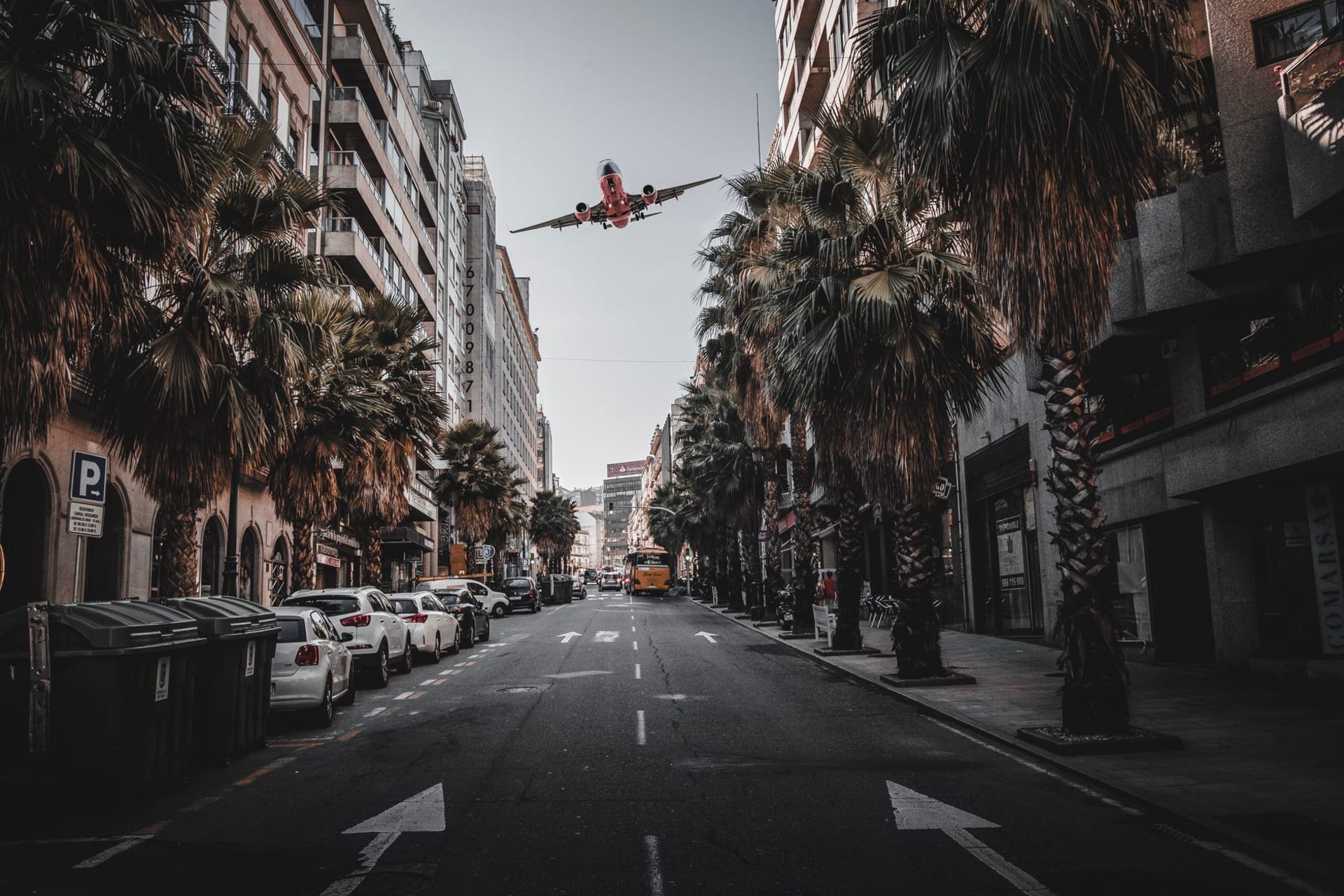
Vigo doesn’t announce itself. It arrives as a mess of port cranes and apartment blocks and industrial waterfront, and for about ten minutes on the approach you wonder why you came. Then you walk into the old quarter and someone hands you an oyster on a piece of bread and a slice of lemon and the whole calculus changes. Vigo is Galicia’s biggest city and proudest port, and it wears both facts without vanity — a place that works for a living and has been working for a very long time, and is not particularly interested in whether you find it picturesque.
The mariscadoras — the oyster women who work the stalls along the Rúa Pescadería near the old market — are the thing that makes Vigo different from anywhere else in Spain. They stand behind wooden boards piled with bivalves from the Ría de Vigo, opening them with practiced speed, presenting them on ice or on bread, accepting payment in coins and moving on. I watched one woman open forty oysters in the time it takes a waiter in Madrid to find the wine list. The oysters themselves — cold, oceanic, tasting of the specific ría they came from — cost almost nothing. This is not a tourist experience. It is simply how people in Vigo eat oysters: standing up, outside, quickly.

Behind the seafood stands, the old town climbs the hill in tight streets that open occasionally onto small plazas. The Casco Vello has the worn, unpolished feel of a city that has never been especially concerned with preservation — the streets are real streets used by real people, not a heritage zone. There is a covered market, the Mercado do Berbés, where the catch arrives each morning from the trawlers. There are bars where zamburiñas — small scallops — are grilled on an iron plate with nothing but garlic and oil. In the evenings, the bars in the old town fill with a mixture of university students, fishermen still in their work gear, and the kind of older men who sit at the same table every night and only speak when something actually needs saying.

The city also has a genuine cultural scene that gets overlooked because it doesn’t market itself. The Museo Marco — a contemporary art museum installed in the old provincial prison — is better than most contemporary museums in Spanish cities twice the size. The Casco Vello’s small galleries show Galician artists who work in the shadows of Santiago’s pilgrimage tourism and are none the worse for it. And from the Monte do Castro park above the city, the panorama of the ría, with the Illas Cíes sitting in the mouth of the bay like a placed object, is one of the finest views in northwest Spain.
When to go: Vigo is a working city and functions year-round. September and October are the sweet spot — warm enough for the outdoor oyster stalls, cool enough for walking the hilly old quarter without sweating through your clothes. The Holy Week processions in spring are among the most dramatic in Galicia. July and August bring good weather but the city is busy with Spanish holidaymakers headed for the coast.