Europe
Galicia
"The Spain I never expected to love this hard, and the one I keep returning to."
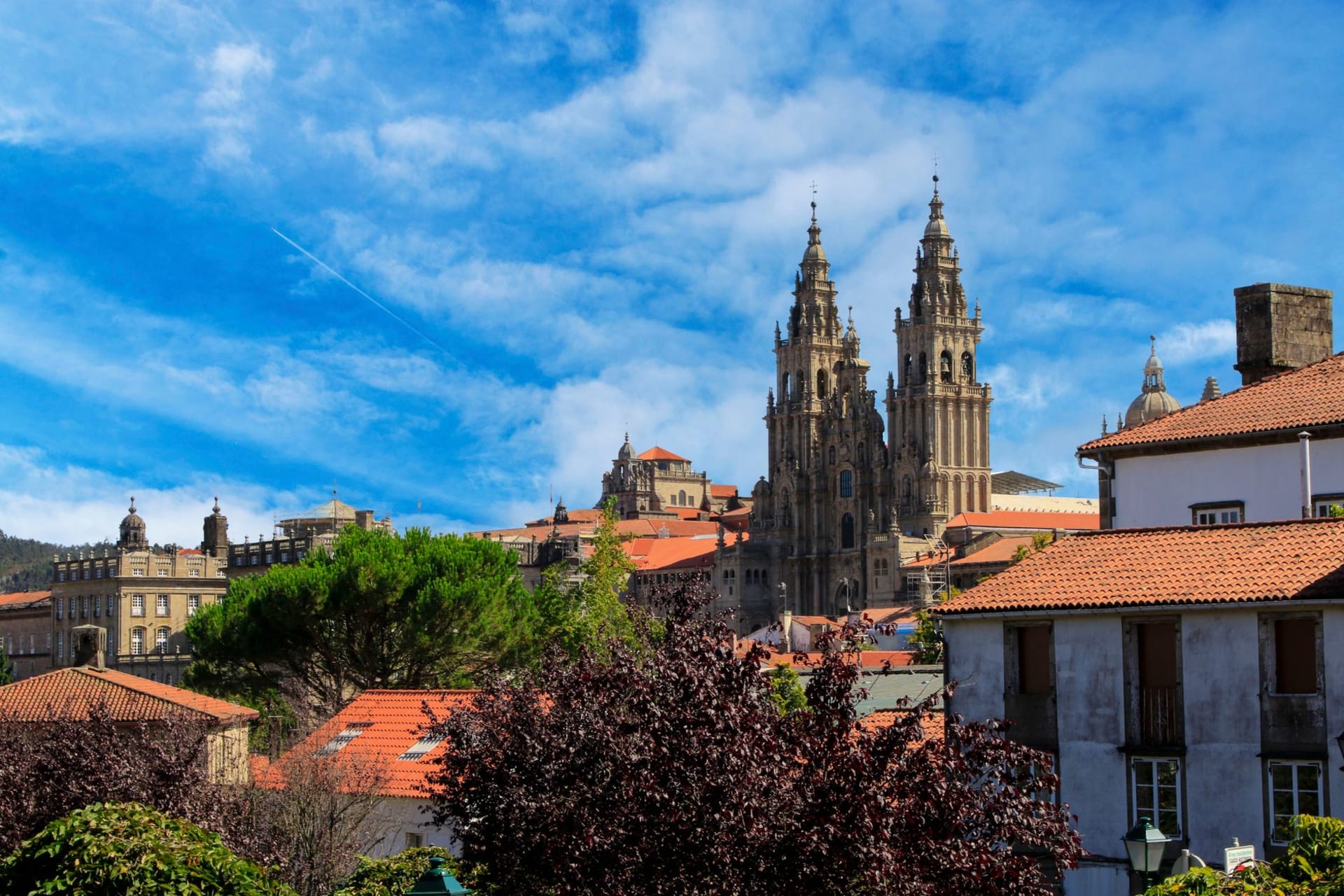
I arrived in Santiago de Compostela on a Tuesday in October, stepping off a night bus from Porto with no plan beyond finding coffee. The city was wrapped in the kind of drizzle that feels purposeful, the cobblestones of the old quarter so polished they reflected the cathedral towers back at me. Everyone around me was either a pilgrim who had just finished the Camino or a local who had long stopped noticing the pilgrims. I was neither, and that felt like exactly the right way to arrive.
Galicia is the part of Spain that makes Spaniards from elsewhere shrug and say es diferente. They are not wrong. This is Celtic territory — bagpipes are a real thing here, not a tourist gimmick, and the green hills rolling toward the Atlantic look more like western Ireland than Andalusia. The language, Galego, sounds like Portuguese spoken through a Spanish accent. The food is built around the sea: pulpo a feira dressed in paprika and olive oil on a wooden plate, barnacles that local fishermen harvest at low tide from wave-battered rocks, mejillones steamed open in white wine, enormous centollos that arrive at the table still steaming. In the markets of Santiago, the fish counters stretch longer than some restaurant menus I’ve seen in Paris.
Outside the capital, the coast opens up into something wilder. The Rías Baixas cut inland like fjords, lined with mussel farms strung on wooden frames that float just above the waterline. The village of Combarro, with its stone granaries — hórreos — built on stilts at the water’s edge, is one of those places that looks too composed to be real but is in fact just very, very old. Further north, the Costa da Morte — the Coast of Death, named for the ships it has destroyed — throws Atlantic swells against headlands that feel genuinely remote even in summer. In November, with the fishing boats pulled up on shore and the cafés mostly empty, it reminded me of the Breton coast my grandmother used to take me to as a child. That particular shade of grey-green sea. That smell of salt and kelp and rain on stone.
When to go: May through June or September through October. July and August bring Spanish tourists in real numbers and prices follow. The Camino is quietest in autumn, the seafood season is excellent through late fall, and October light in the rías is something a photographer could spend a week chasing. I would avoid January and February unless you specifically want to experience Galician winter, which is relentless.
What most guides get wrong: They treat Galicia as a Santiago pilgrimage add-on — arrive, photograph the cathedral, leave. The city deserves two days minimum, but the region deserves a week. Rent a car and follow the coast. Eat in places with no menu in English and where the daily catch is written on a chalkboard in Galego. The albariño wine grown in the Rías Baixas is among the best whites in Europe and costs almost nothing at the source. This is not a budget Spain. This is a different country wearing Spain’s passport.