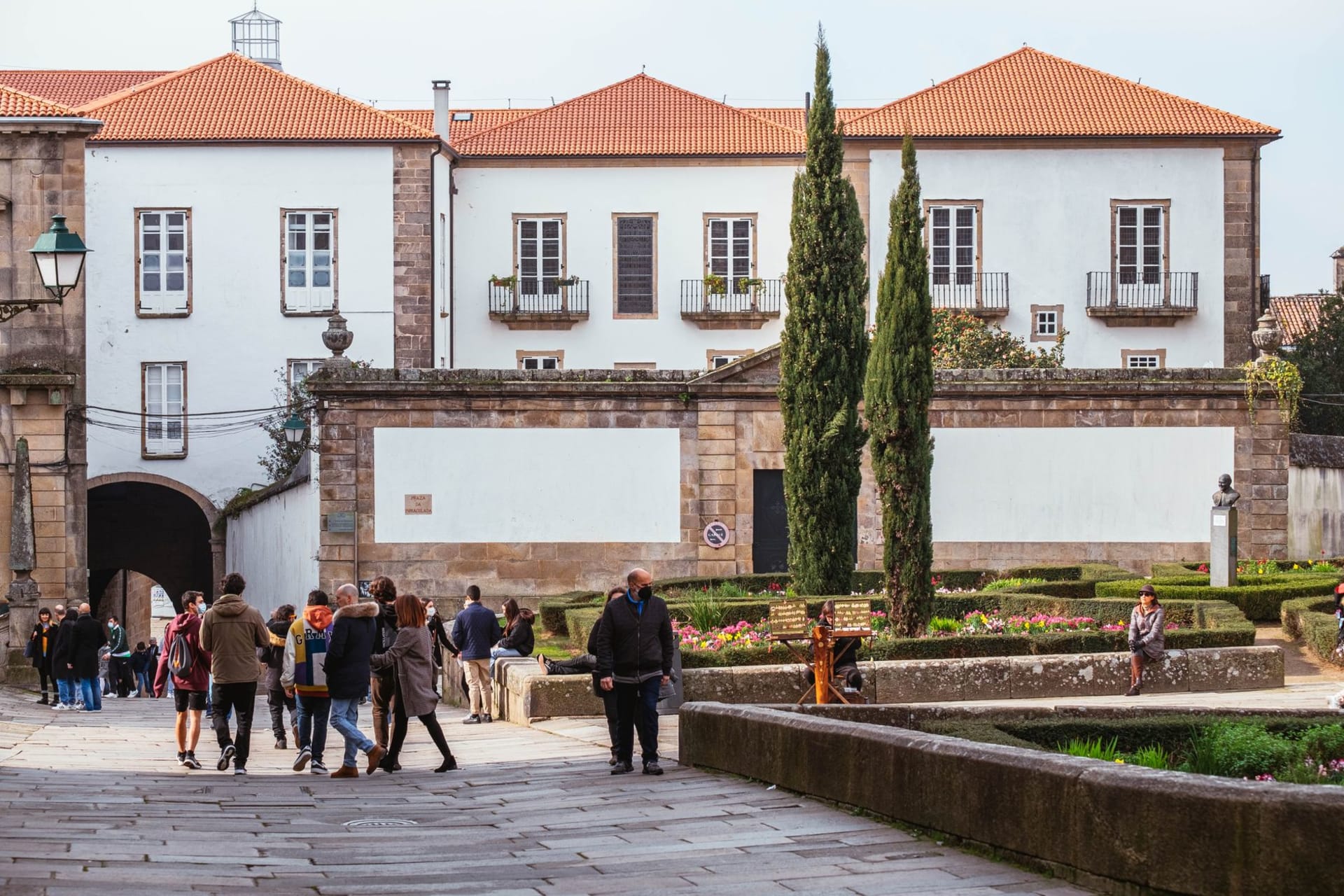
Santiago de Compostela
"Everyone who arrives here has walked toward something. I just hadn't figured out what yet."
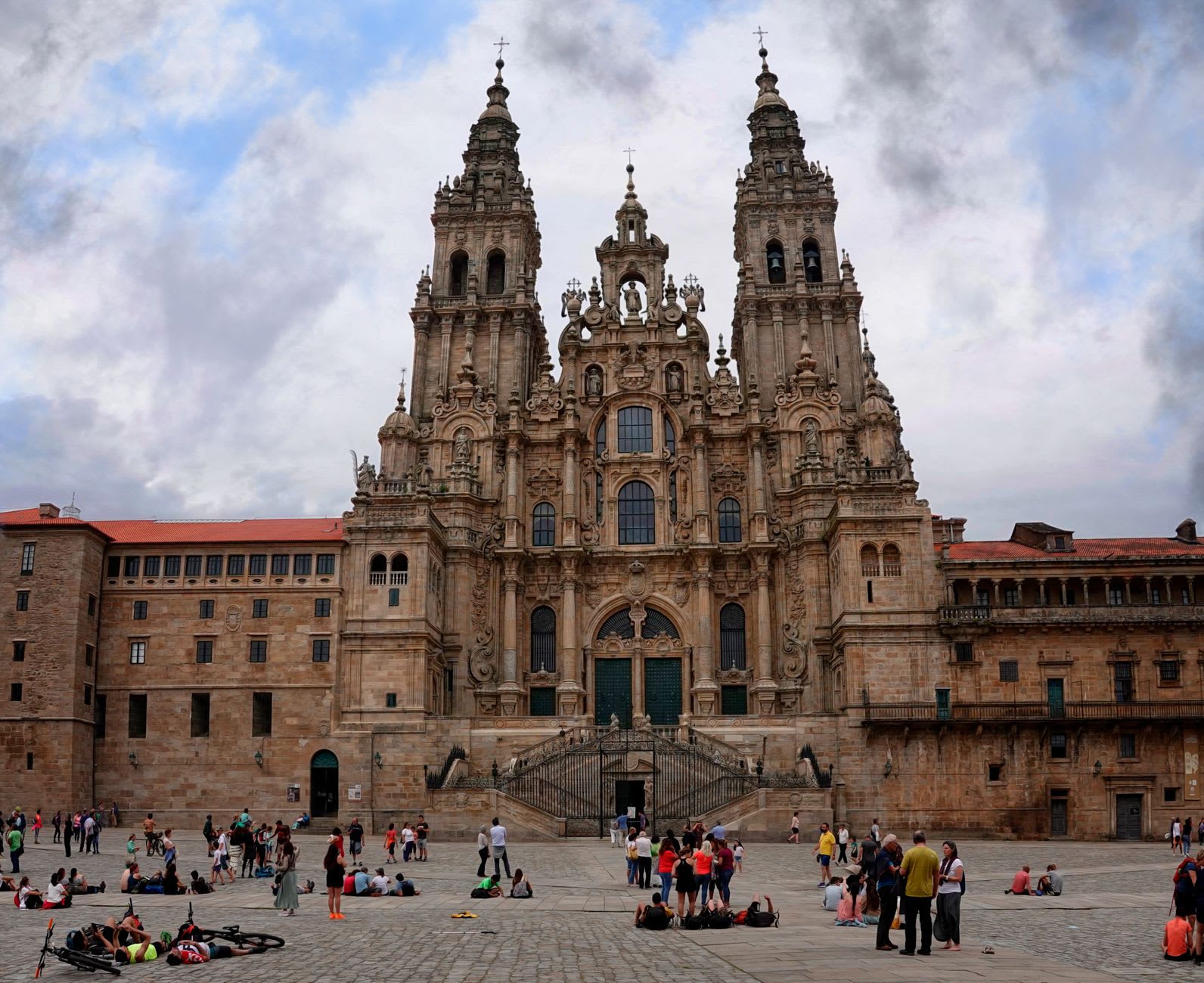
I stepped into the Praza do Obradoiro at seven in the morning, before the tour groups and the souvenir stalls found their rhythm, and stood there in the fine rain while the cathedral’s twin towers dissolved and re-emerged through the mist like something being slowly revealed. A handful of pilgrims sat on the granite pavement, backpacks still on, faces tilted upward. Some were crying quietly. I didn’t know any of them. I didn’t ask why. There are moments in cities where you understand, without explanation, that this place has been pulling people toward it for a very long time and that the pull still works.
Santiago de Compostela is the terminus of the Camino de Santiago, one of medieval Christianity’s great pilgrimage routes, and everything about the old city has been shaped by centuries of arrival. The streets are worn smooth by feet. The cathedral itself — begun in the eleventh century, finished, rebuilt, and ornamented across the following five hundred years until the Baroque facade you see today emerged — sits at the centre of everything like a very patient host. Inside, the smell is incense and damp stone and something older still. The Botafumeiro, the enormous silver thurible that swings on ropes across the transept during certain masses, gives off smoke in great billowing arcs. I watched it once and felt, briefly and irrationally, that I understood why people crossed mountains on foot to be here.
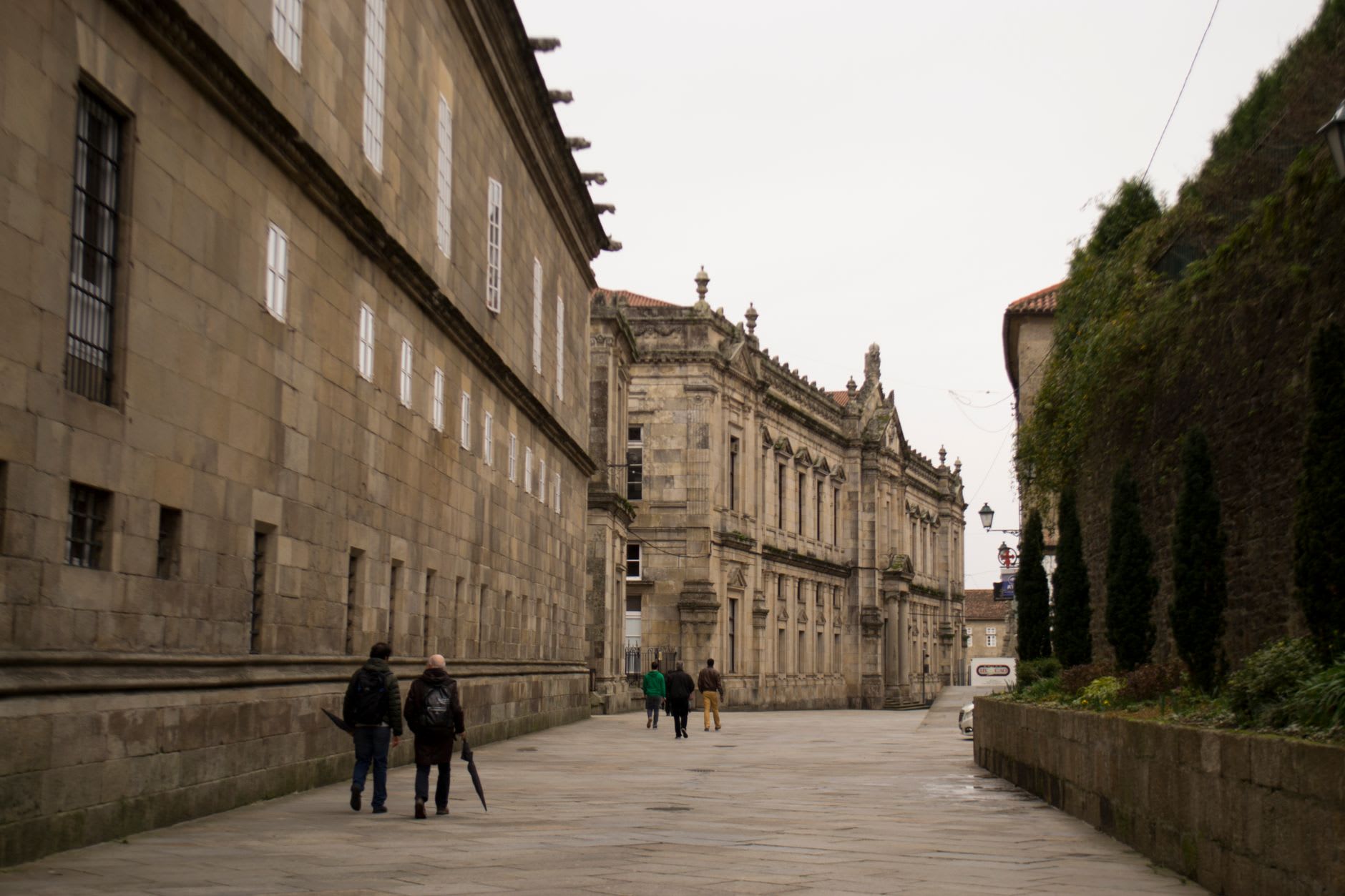
The city beyond the cathedral is smaller and more human than it first appears. The old quarter is dense with arcaded streets — soportales — where locals walk dry-shod in the rain, and the ground floors hold bakeries selling tarta de Santiago and bars with octopus on the menu at ten in the morning because the market is nearby and the fishmongers have been open since six. The Mercado de Abastos, a nineteenth-century covered market two minutes from the cathedral square, is one of the best food markets I’ve found in Spain. The fish and shellfish counters are the length of a city block. Women in rubber aprons sell barnacles and sea urchins and live crabs from buckets of seawater. The produce stalls stack grelos — turnip tops, a Galician staple — next to peppers the size of my fist.
In the evenings the students come out. Santiago has a large and lively university, and the bars around the Rúa do Franco and Rúa da Raíña fill with people who have no interest in pilgrimage or history — they want albariño wine and pimientos de Padrón and conversation that goes past midnight. The tension between the sacred and the collegiate, the arriving and the already-arrived, is what makes Santiago feel genuinely alive rather than simply preserved. It is a city that earns its weight.
When to go: May and June are ideal — warm enough for long evenings in the plazas, crowds manageable, the hills surrounding the city lush and green. The Feast of Saint James on July 25th is spectacular but draws enormous numbers. October is quieter and has beautiful light; the Camino traffic thins and the city feels more local. Avoid August if you dislike crowds.