Ribeira Sacra
"The vineyards in the Sil canyon are so steep they make you tired just looking at them — and the wine tastes like the effort."
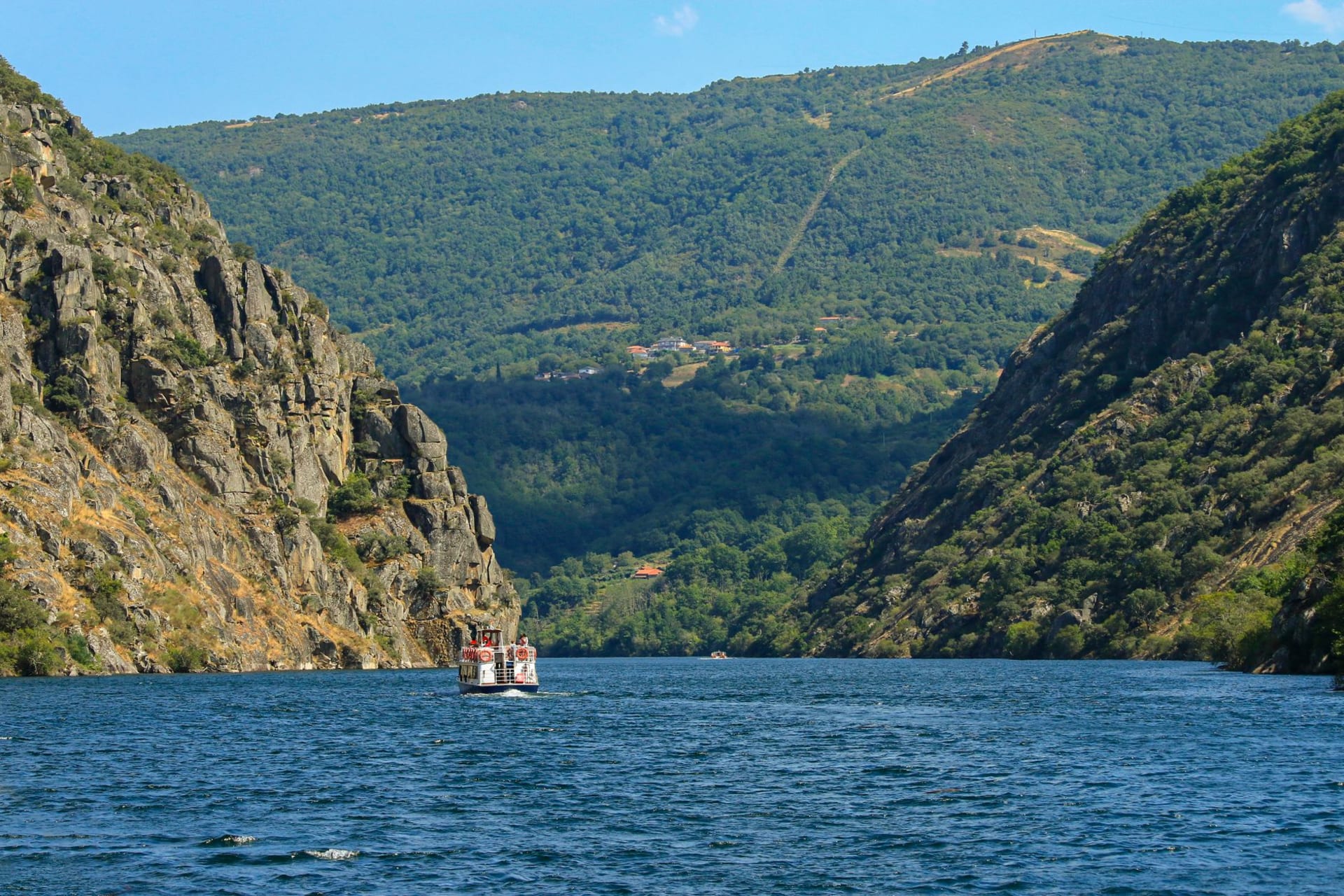
The Ribeira Sacra doesn’t announce itself the way the Galician coast does. You arrive at it gradually, driving south from Lugo or east from Ourense through increasingly hilly country, the road narrowing and the river valleys deepening, until you reach an overlook above the Cañón del Sil and the landscape simply stops you. The Sil River has cut a gorge through the slate mountains that drops hundreds of metres in walls so steep they are almost vertical, and on those walls — clinging to hand-built terraces no wider than a kitchen counter — are some of the most dramatic vineyards in Europe. The grapes grown here, mostly Mencía for reds and Godello for whites, produce wines that taste like somewhere extremely specific, because nowhere else on earth is quite like this.
I came in October, which is harvest season, and the gorge had the particular smell of that week when the grapes are ripe and everything has the urgency of fruit that won’t wait. The grape pickers work the terraces with harvesting baskets and a rope system that would look at home in an Andean coca plantation — some slopes are too steep for anything mechanical, too narrow for a donkey, and so the grapes still come up by hand and rope exactly as they have for three hundred years. I watched a man work a terrace for twenty minutes and calculated that he was covering about four metres of lateral distance every ten minutes. He was not rushing. He seemed constitutionally incapable of rushing.

The other thing the Ribeira Sacra has in extravagant quantity is Romanesque monasteries. The river valleys were settled by monks from the sixth century onward, and the density of religious architecture — San Esteban de Ribas de Sil, Santo Estevo, San Pedro de Rocas carved into the living rock — is what gave the region its name: the Sacred Shore. Santo Estevo, now a state-owned parador hotel, occupies a twelfth-century monastery complex of such architectural ambition that checking in feels slightly absurd. The cloisters are as beautiful as any I’ve seen in Spain, and the walk from the cloisters to the table where they serve breakfast is longer than most restaurants in Santiago.
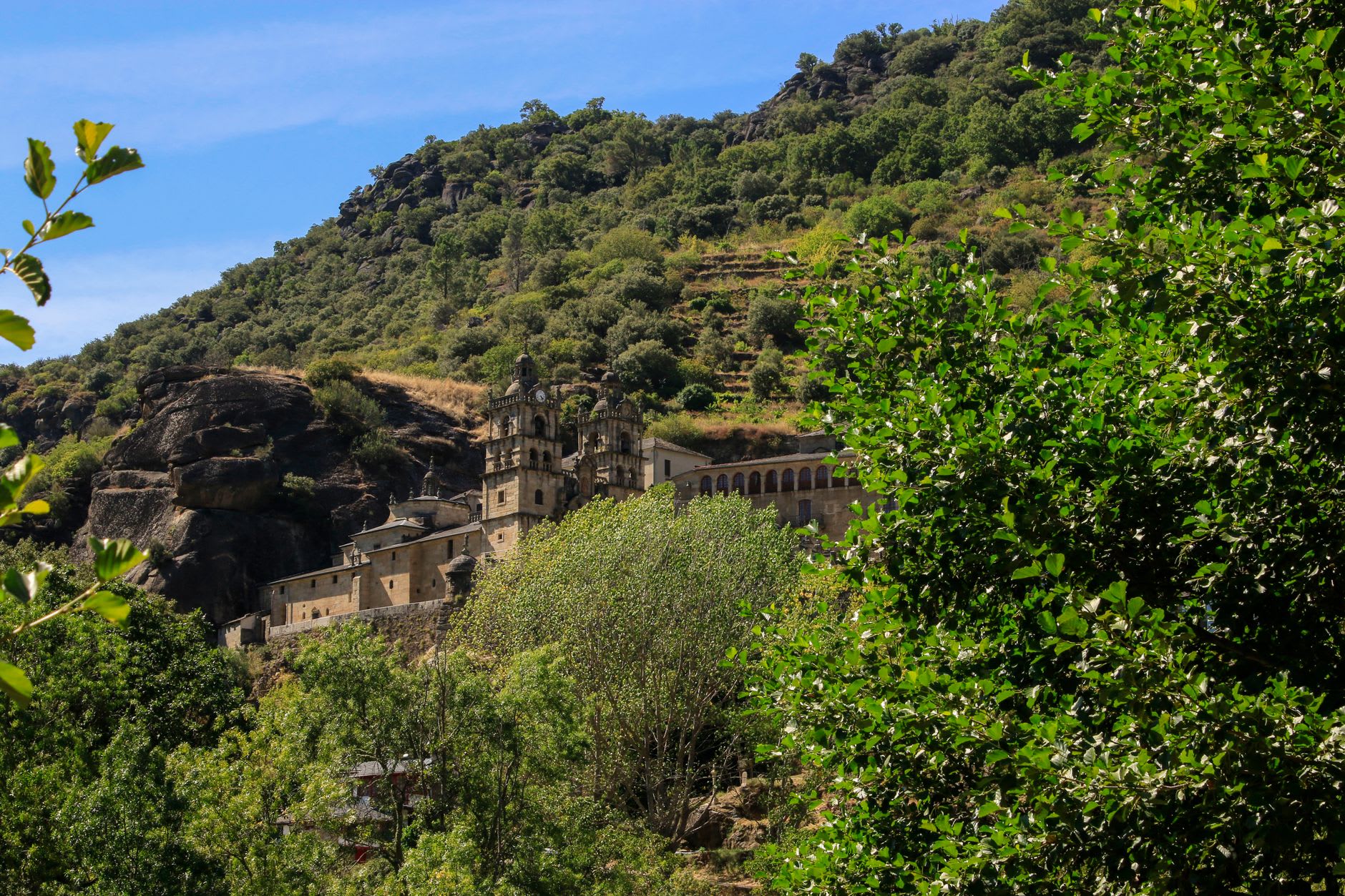
The boat trip through the Cañón del Sil — operated from the town of Os Peares — is the most common tourist experience here and, unusually, fully deserves its popularity. The canyon is viewable from the road above, but from the water the scale becomes apparent in a way it simply isn’t from land. The terraced vineyards rise from the waterline to heights that seem physically impossible; the monasteries perched on ledges halfway up the walls look like objects placed by a theatrical director. The Galician oaks and chestnuts in October are orange and rust against the grey slate. I sat in the bow and didn’t speak for two hours, which felt like the correct response.
When to go: October is the clear choice — harvest season, autumn colour in the gorges, the wine cellars active and aromatic, and every restaurateur in the valley in a good mood because the vintage has arrived. Spring (April–May) brings wildflowers on the canyon walls and the gorge in its full green surge. Summer is warm but can be crowded at the boat launch points. Avoid January and February unless you specifically want fog and isolation, which, I confess, also appeals to me.