Ourense
"I came to Galicia for the coast and ended up neck-deep in a riverside hot spring at midnight."
Everyone tells you to go to the Galician coast, and they are not wrong — the rías and the cliffs and the seafood will all do their job. But after a week of squinting at the Atlantic, Lia and I drove inland to Ourense almost as an afterthought, lured by a friend’s offhand comment that the city sat on a field of hot springs and nobody outside Galicia seemed to know. It is the kind of tip that usually disappoints. This one rearranged our itinerary.
The water that comes out hot
Ourense is built on geothermal springs, and they are not a tourist installation — they are simply part of how the city has lived for two thousand years. In the centre, on a small square, As Burgas pours out of stone spouts at a steady forty-odd degrees, hot enough that the locals fill bottles and the steam hangs in the cold morning air. But the real revelation is downriver, along the Miño, where a string of open-air thermal pools — the termas — sit right at the water’s edge.
We went at night, which is the correct way to do it. You undress in the chill, lower yourself into water that smells faintly of minerals and verges on too hot, and then you simply stop. Across a low wall, the river runs cold and dark. Above, the hills. Around you, a quiet murmur of Galician conversation and the occasional contented groan. I have rarely felt my shoulders descend so far from my ears. Some of the pools are free and municipal; others charge a modest fee and add a roof and a bar, which I would argue defeats the point.
A granite old town with no agenda
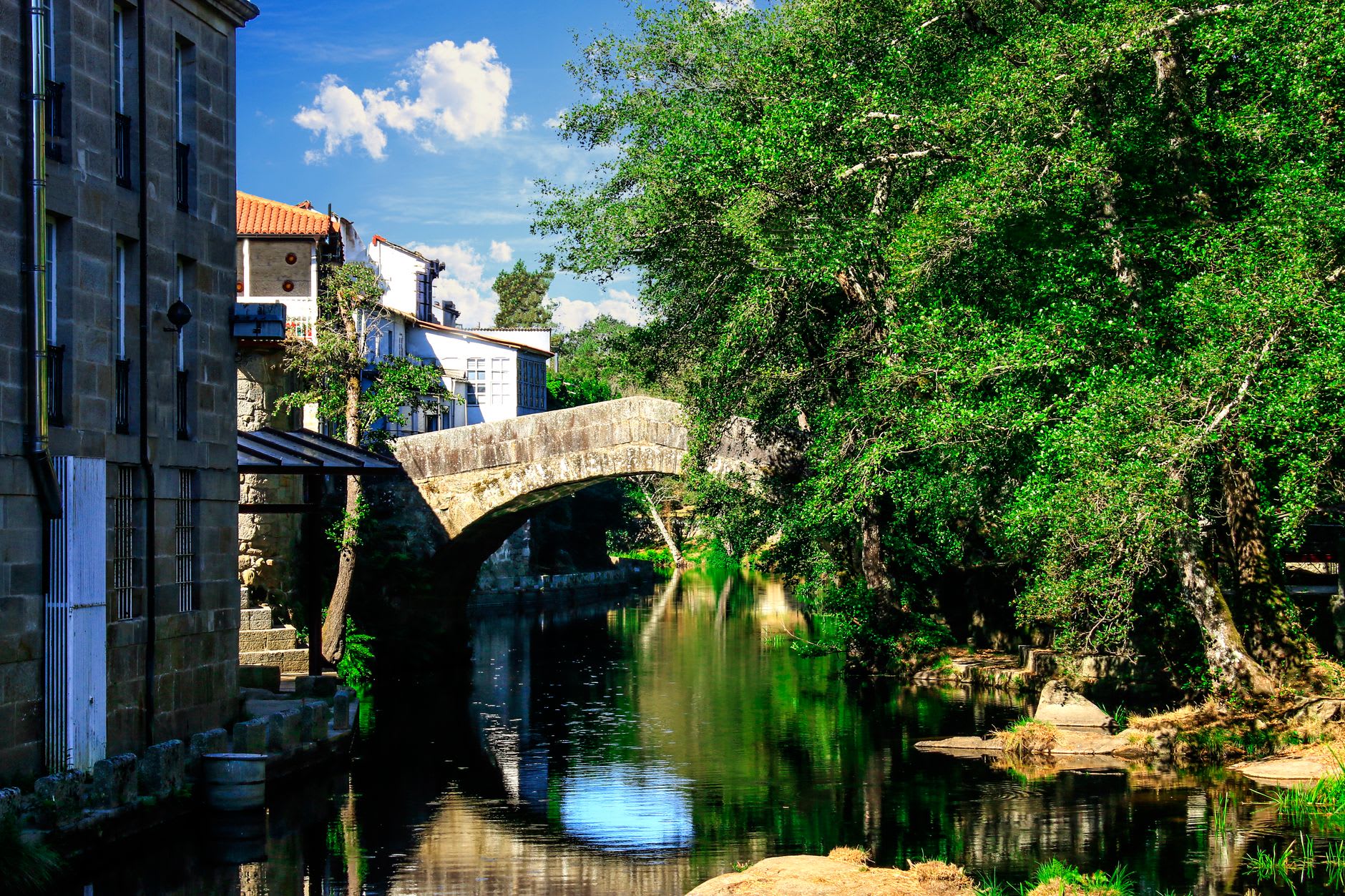
The historic centre is small, walkable, and refreshingly free of the polished sheen that Santiago wears for its pilgrims. The cathedral hides a Pórtico do Paraíso, a painted Romanesque doorway that is a deliberate echo of the famous one in Santiago, and which I found more moving precisely because there was no queue and no one telling me how to feel about it. The streets around the Praza do Ferro fill in the evening with people doing the thing Galicians do better than almost anyone — eating standing up, drinking small glasses of Ribeiro wine, and talking.
We ate octopus, of course, because not eating pulpo in Ourense would border on rude, dressed simply with paprika and good oil and sea salt on a wooden plate. Lia, who claims not to like octopus, ate most of mine. The Ribeiro came in white ceramic cups, cloudy and cold, and cost roughly nothing.
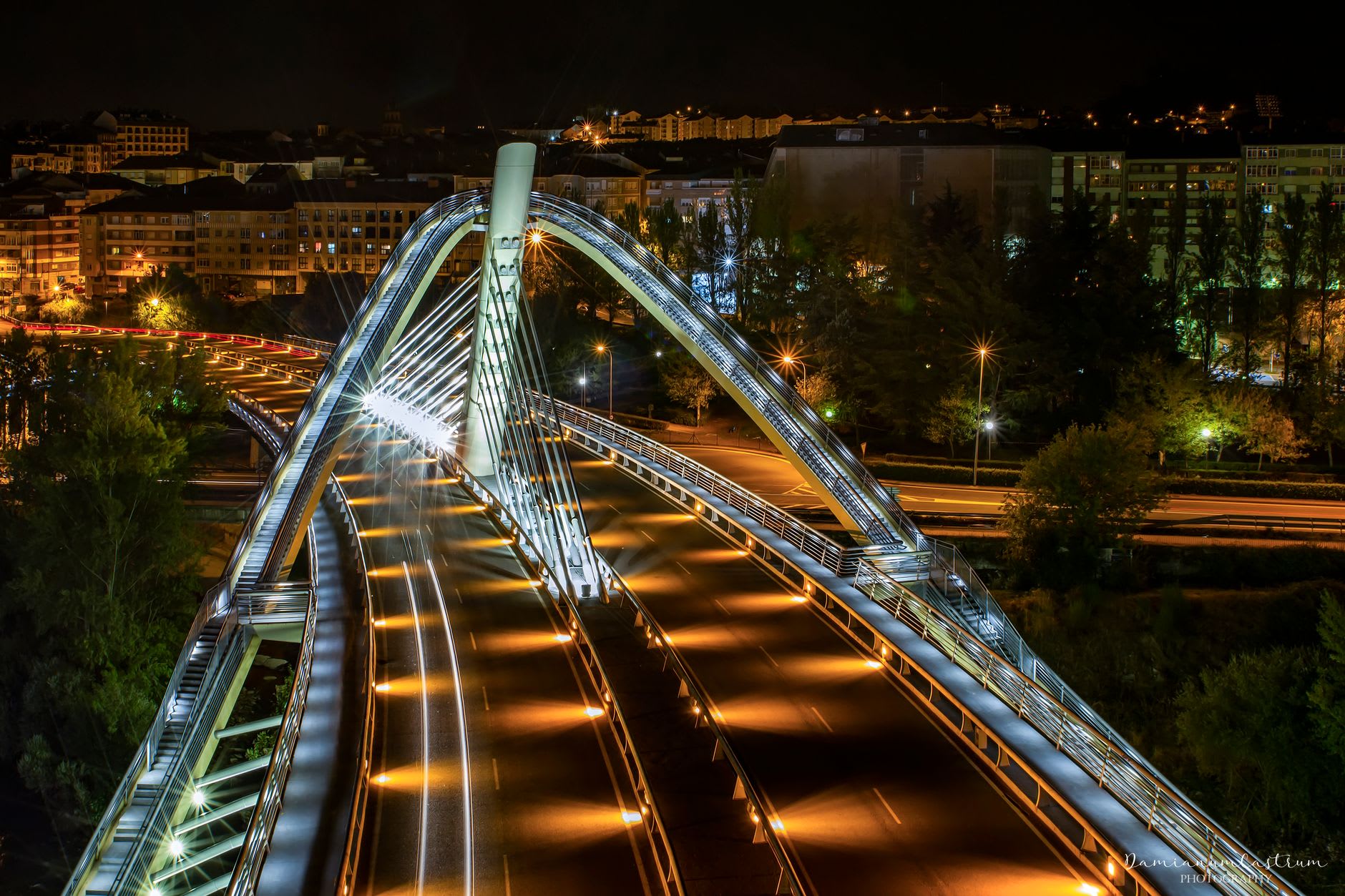
Ourense will never be on the front of a Galicia poster, and the people soaking in the river at midnight seem to prefer it that way. I would not blame them.
When to go: autumn and winter are, counterintuitively, the best — the colder the air, the better the contrast with the hot pools, and the steam becomes theatrical. Spring is lovely too. Avoid high summer, when the inland heat makes a thermal bath feel like a punishment rather than a reward.