Europe
Galicia
"The Spain I never expected to love this hard, and the one I keep returning to."
A rain-soaked corner of Spain that feels nothing like Spain — Celtic fog, granite villages, wild Atlantic coast, and the best seafood on the Iberian peninsula.

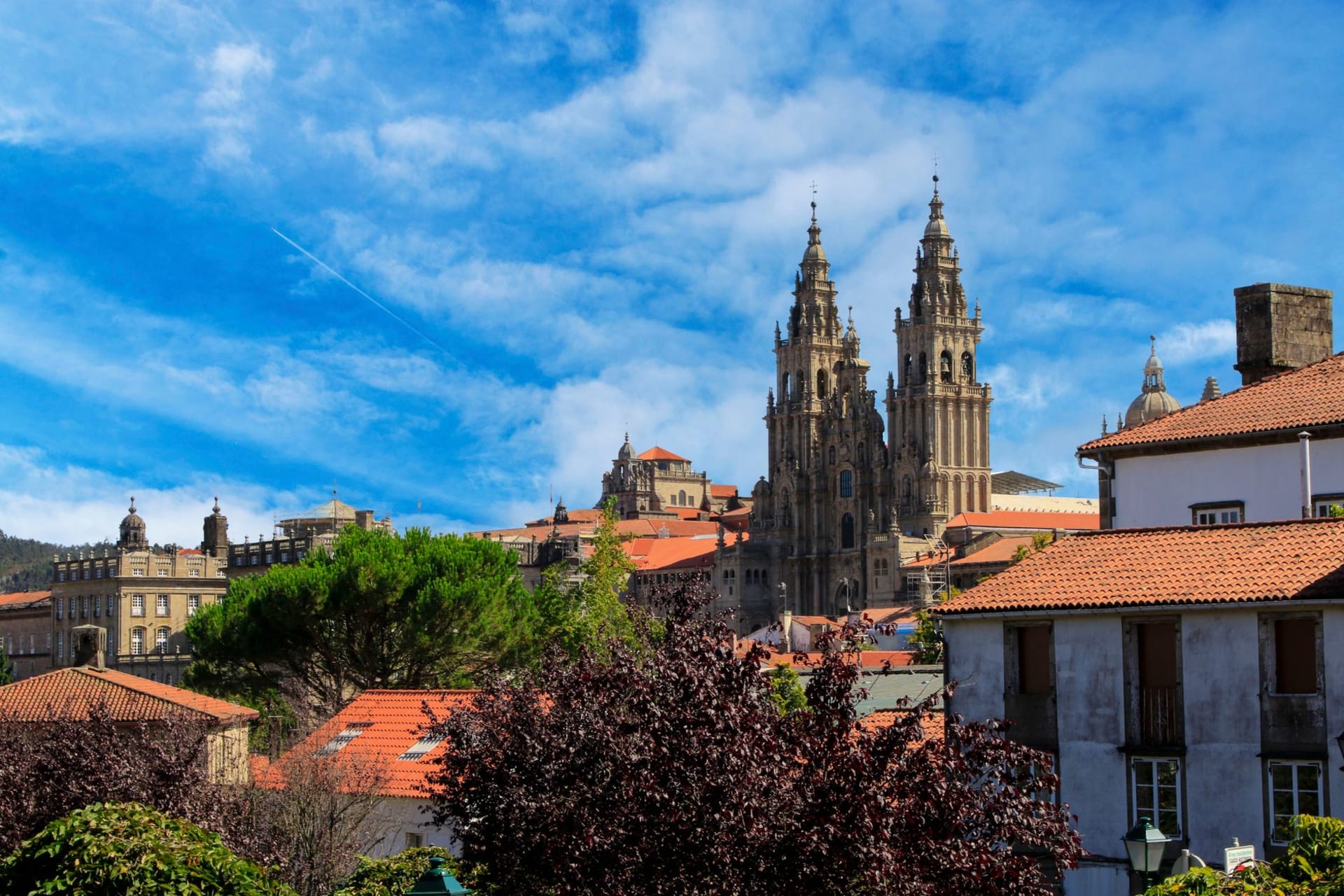
I arrived in Santiago de Compostela on a Tuesday in October, stepping off a night bus from Porto with no plan beyond finding coffee. The city was wrapped in the kind of drizzle that feels purposeful, the cobblestones of the old quarter so polished they reflected the cathedral towers back at me. Everyone around me was either a pilgrim who had just finished the Camino or a local who had long stopped noticing the pilgrims. I was neither, and that felt like exactly the right way to arrive.
Galicia is the part of Spain that makes Spaniards from elsewhere shrug and say es diferente. They are not wrong. This is Celtic territory — bagpipes are a real thing here, not a tourist gimmick, and the green hills rolling toward the Atlantic look more like western Ireland than Andalusia. The language, Galego, sounds like Portuguese spoken through a Spanish accent. The food is built around the sea: pulpo a feira dressed in paprika and olive oil on a wooden plate, barnacles that local fishermen harvest at low tide from wave-battered rocks, mejillones steamed open in white wine, enormous centollos that arrive at the table still steaming. In the markets of Santiago, the fish counters stretch longer than some restaurant menus I’ve seen in Paris.
Outside the capital, the coast opens up into something wilder. The Rías Baixas cut inland like fjords, lined with mussel farms strung on wooden frames that float just above the waterline. The village of Combarro, with its stone granaries — hórreos — built on stilts at the water’s edge, is one of those places that looks too composed to be real but is in fact just very, very old. Further north, the Costa da Morte — the Coast of Death, named for the ships it has destroyed — throws Atlantic swells against headlands that feel genuinely remote even in summer. In November, with the fishing boats pulled up on shore and the cafés mostly empty, it reminded me of the Breton coast my grandmother used to take me to as a child. That particular shade of grey-green sea. That smell of salt and kelp and rain on stone.
When to go: May through June or September through October. July and August bring Spanish tourists in real numbers and prices follow. The Camino is quietest in autumn, the seafood season is excellent through late fall, and October light in the rías is something a photographer could spend a week chasing. I would avoid January and February unless you specifically want to experience Galician winter, which is relentless.
What most guides get wrong: They treat Galicia as a Santiago pilgrimage add-on — arrive, photograph the cathedral, leave. The city deserves two days minimum, but the region deserves a week. Rent a car and follow the coast. Eat in places with no menu in English and where the daily catch is written on a chalkboard in Galego. The albariño wine grown in the Rías Baixas is among the best whites in Europe and costs almost nothing at the source. This is not a budget Spain. This is a different country wearing Spain’s passport.
Explore
Places in Galicia
 galicia-spain
 A Coruña
A northern Galician port city shaped by Atlantic winds and glazed gallery facades, where the oldest functioning lighthouse in the world still works.
Explore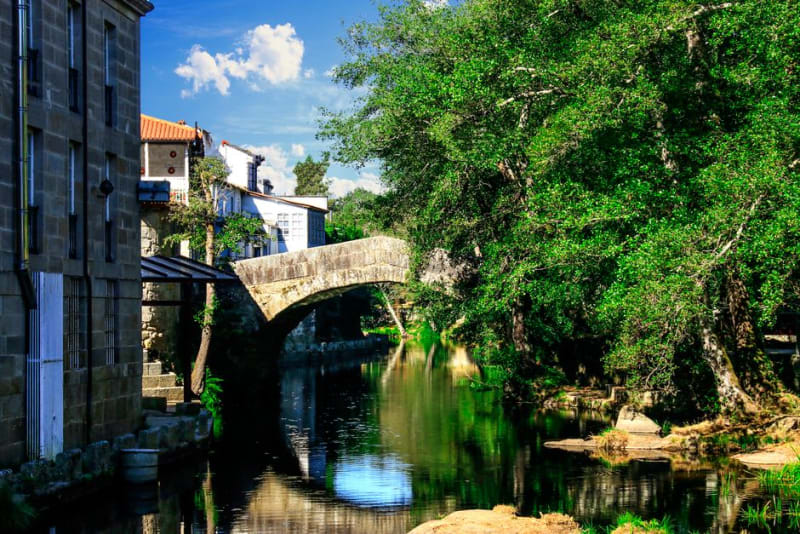 galicia-spain
 Allariz
A medieval river town in Ourense province where restored granite bridges and riverside walkways trace the Arnoia through a beautifully preserved old quarter.
Explore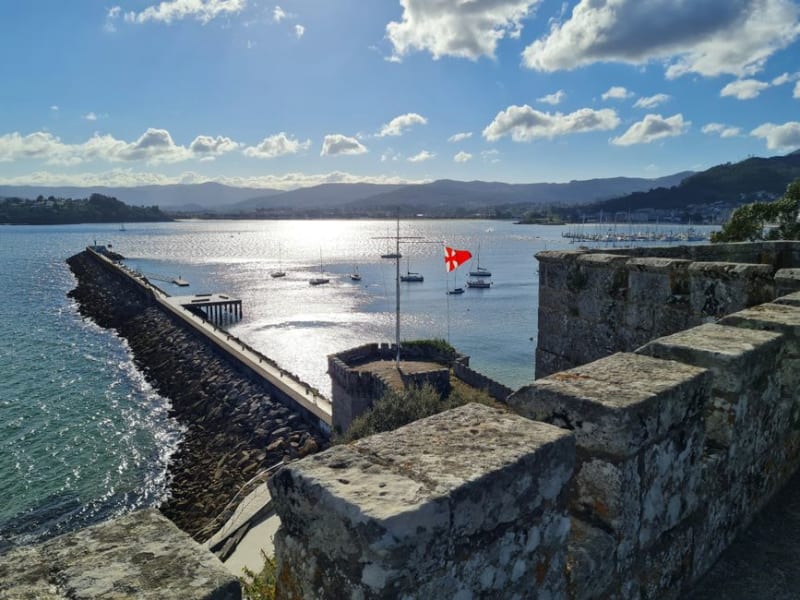 galicia-spain
 Baiona
A fortified port town on Galicia's Atlantic edge where a replica caravel still floats in the harbor that once received the first news of America.
Explore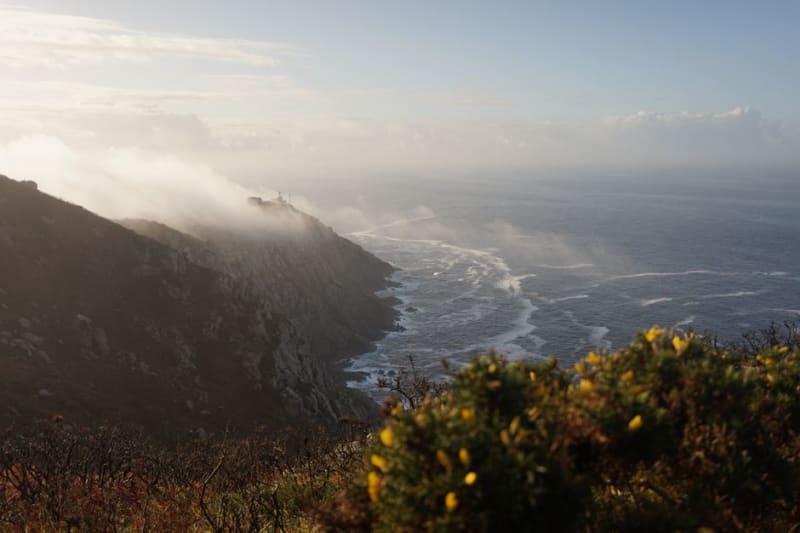 galicia-spain
 Cabo Fisterra
A wind-scoured granite cape long believed to be the end of the known world, where the 0.00km marker still draws pilgrims past Santiago's finish line.
Explore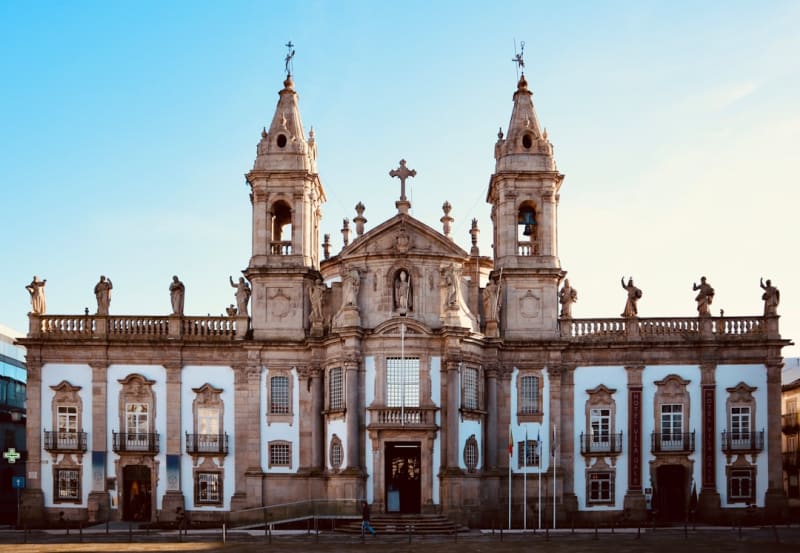 galicia-spain
 Cambados
A honey-stone coastal town crowned Albariño's spiritual capital, where the vineyards run right down to the edge of the Ría de Arousa.
Explore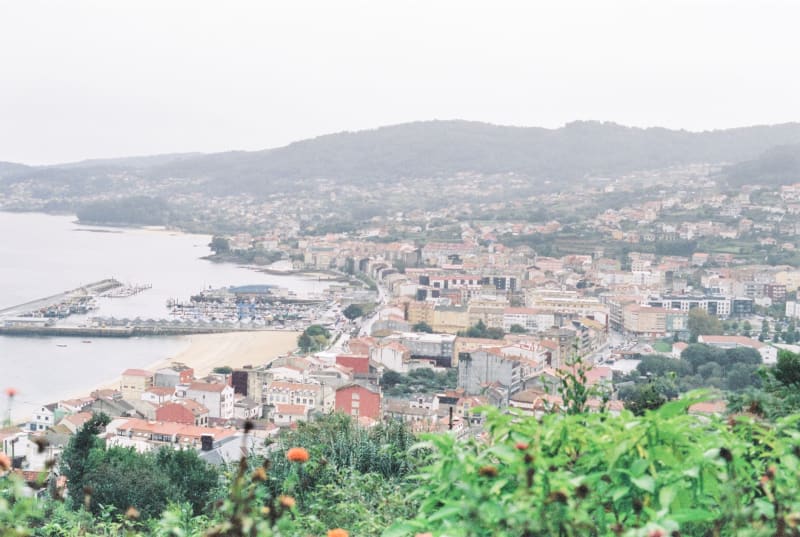 galicia-spain
 Combarro
A stone fishing village on the Ría de Pontevedra where ancient grain granaries stand on stilts at the water's edge like the village grew from the sea itself.
Explore galicia-spain
 Costa da Morte
The Coast of Death — Galicia's raw Atlantic edge where shipwrecks, fog, and a particular brand of solitude feel earned rather than performed.
Explore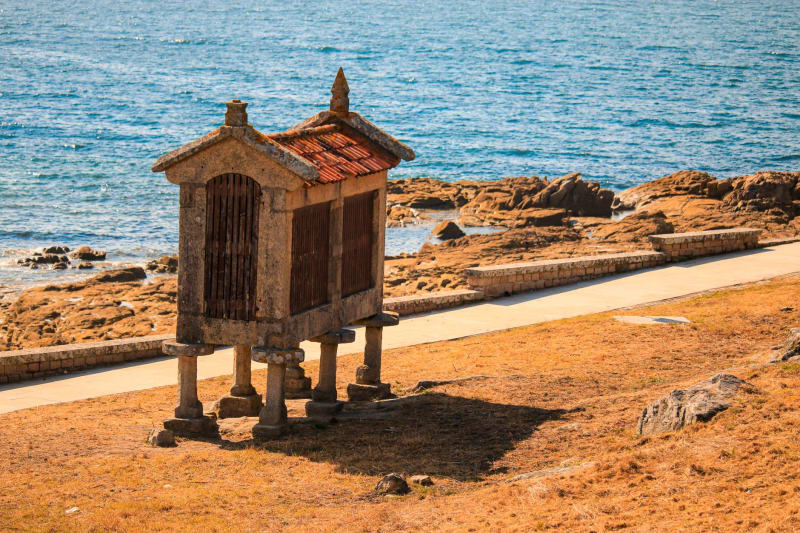 galicia-spain
 Illas Cíes
Three uninhabited Atlantic islands off Vigo with white sand beaches and water so clear and cold it feels like a secret the sea is only reluctantly sharing.
Explore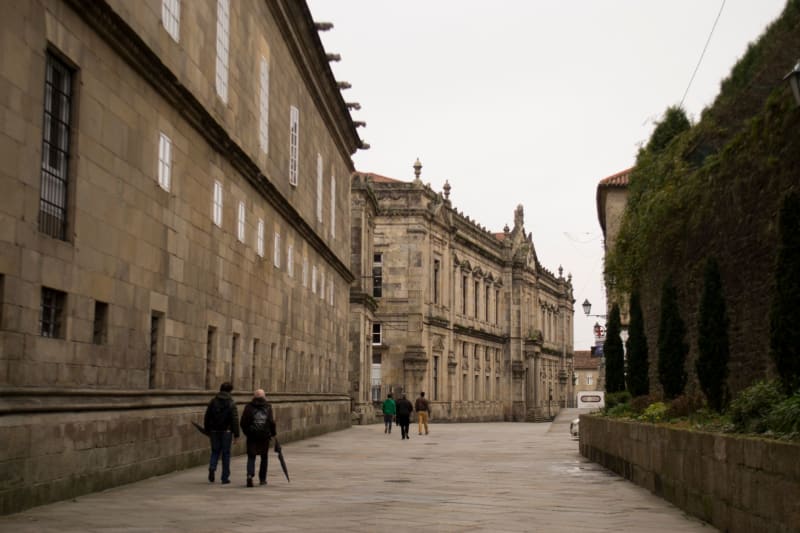 galicia-spain
 Lugo
A Roman walled city in Galicia's interior where you can walk the complete circuit of two-thousand-year-old ramparts above a city that still doesn't make a fuss about it.
Explore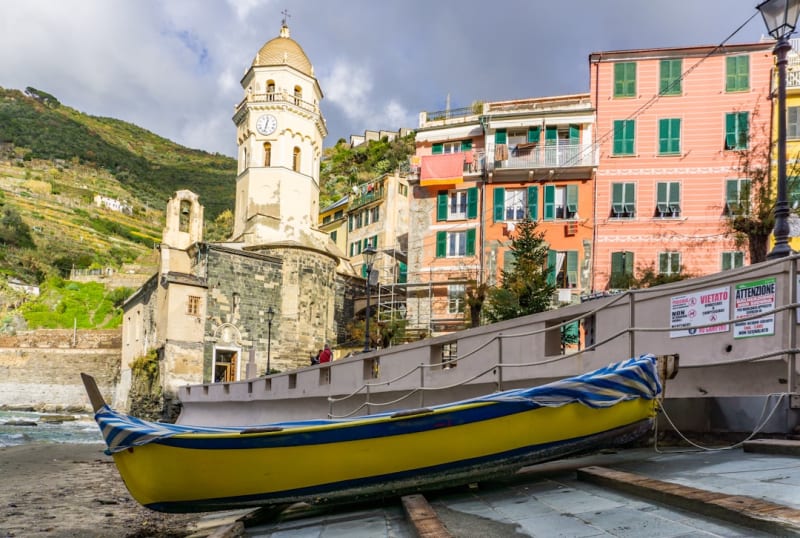 galicia-spain
 Muxia
A wind-battered fishing town beyond Santiago's official Camino, where the storm-scarred Sanctuary of A Barca sits right at the ocean's edge.
Explore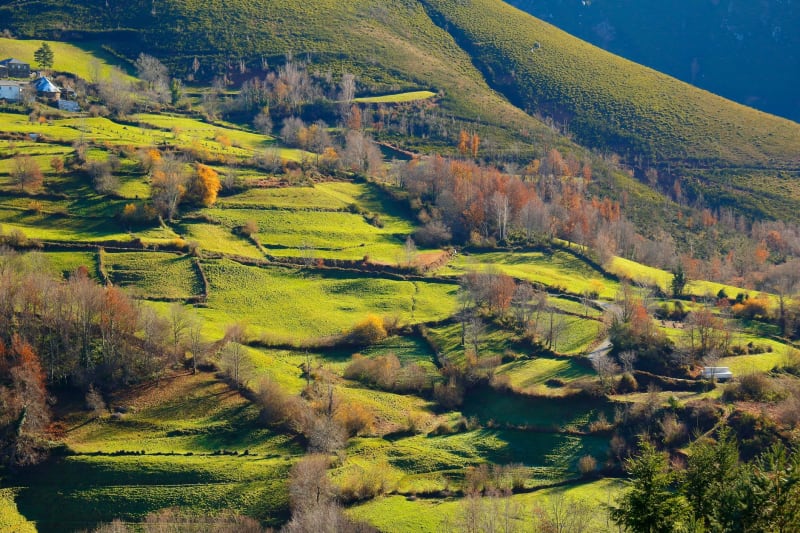 galicia-spain
 O Cebreiro
The mountain village where the Camino enters Galicia — ancient stone pallozas in the clouds, a pre-Romanesque church, and air that tastes of the end of a long journey.
Explore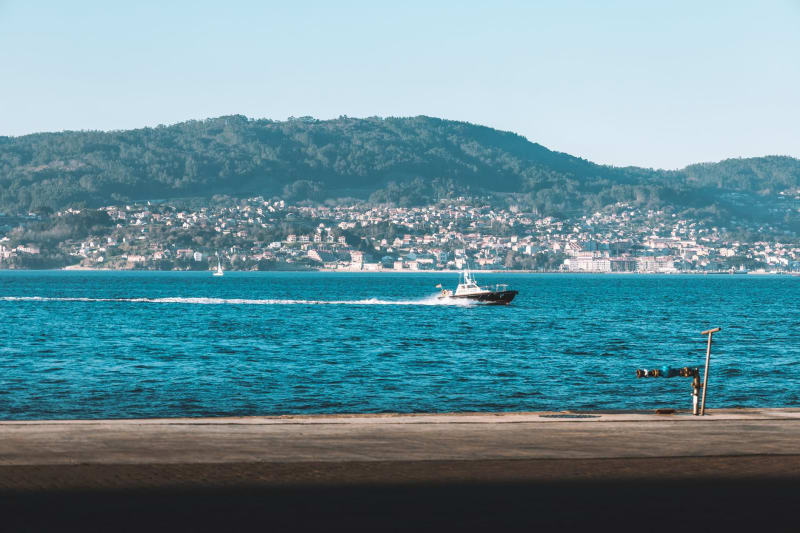 galicia-spain
 Ourense
Galicia's inland thermal city, where hot springs steam along the river Miño, a granite old town hides Romanesque corners, and nobody is in a hurry.
Explore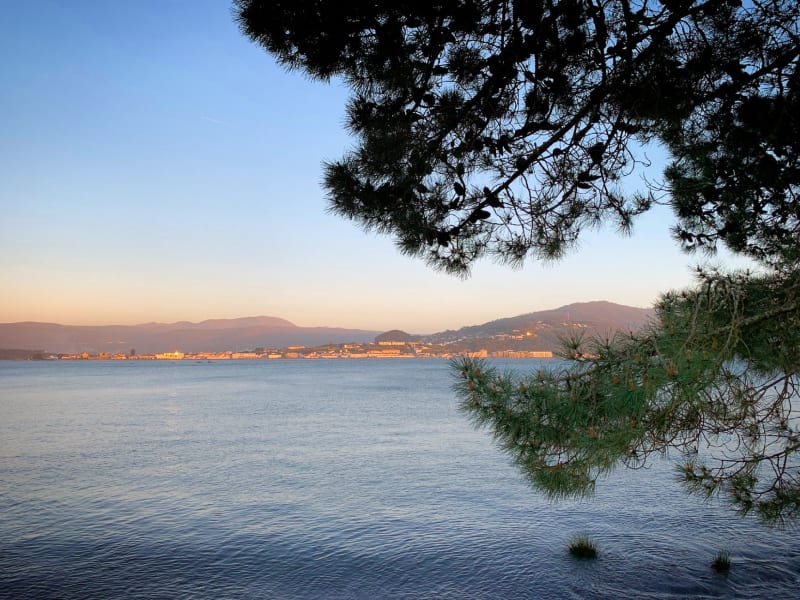 galicia-spain
 Pontevedra
A medieval Galician city that banned cars from its old quarter and accidentally became one of the most liveable places in Europe.
Explore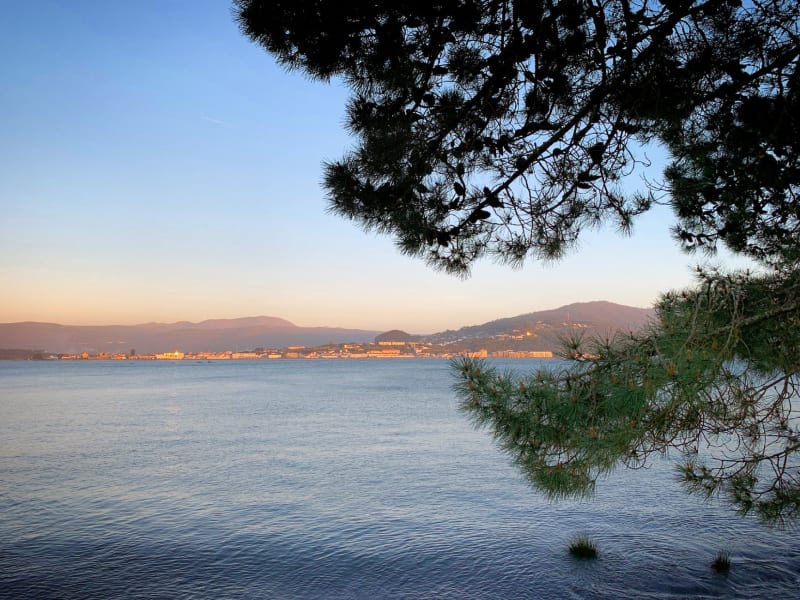 galicia-spain
 Rías Baixas
Galicia's drowned river valleys, where mussel rafts float above albariño vines and the sea smells like the best meal you'll ever eat.
Explore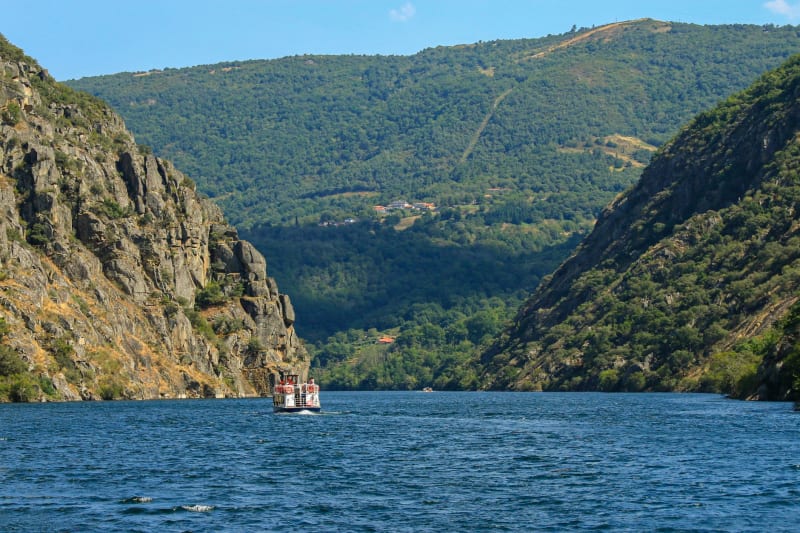 galicia-spain
 Ribeira Sacra
A dramatic inland canyon where the Miño and Sil rivers cut through slate gorges lined with terraced vineyards and Romanesque monasteries clinging to impossible cliffs.
Explore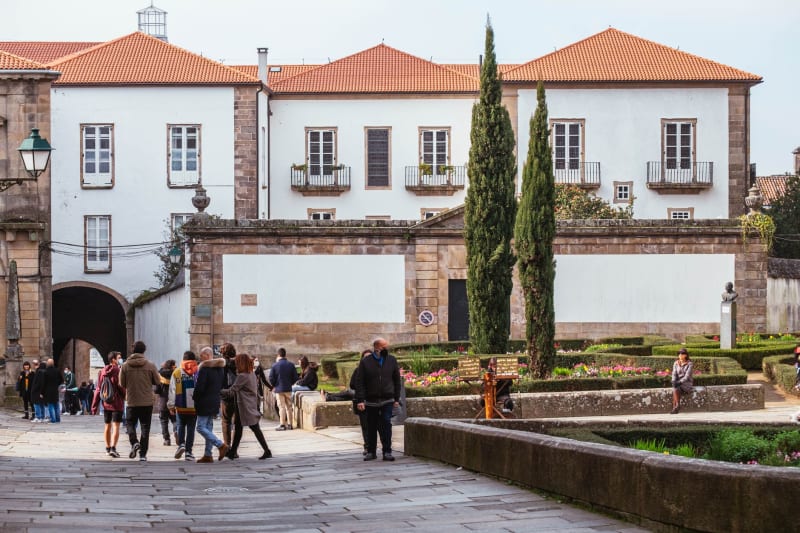 galicia-spain
 Santiago de Compostela
A medieval granite city at the end of the world's most walked road, humming with arrival and ancient stone.
Explore