Africa
Gabon
"The country that chose its forests over its tourists, and won."
Eighty percent rainforest, a thousand kilometers of Atlantic coastline, and virtually no mass tourism — Gabon is equatorial Africa at its most untouched and quietly overwhelming.

I landed in Libreville at dusk, and the first thing I noticed was the smell — warm, vegetal, almost physical, the kind of air that arrives as a reminder that you are somewhere closer to the equator’s raw logic than to anything mapped in a guidebook. The city sits right on the Atlantic, low-rise and a little scruffy, with a waterfront that looks out toward nothing but ocean. Nobody at the airport tried to sell me a tour. Nobody handed me a flyer. It took me a moment to understand that this was, itself, the whole point of Gabon.
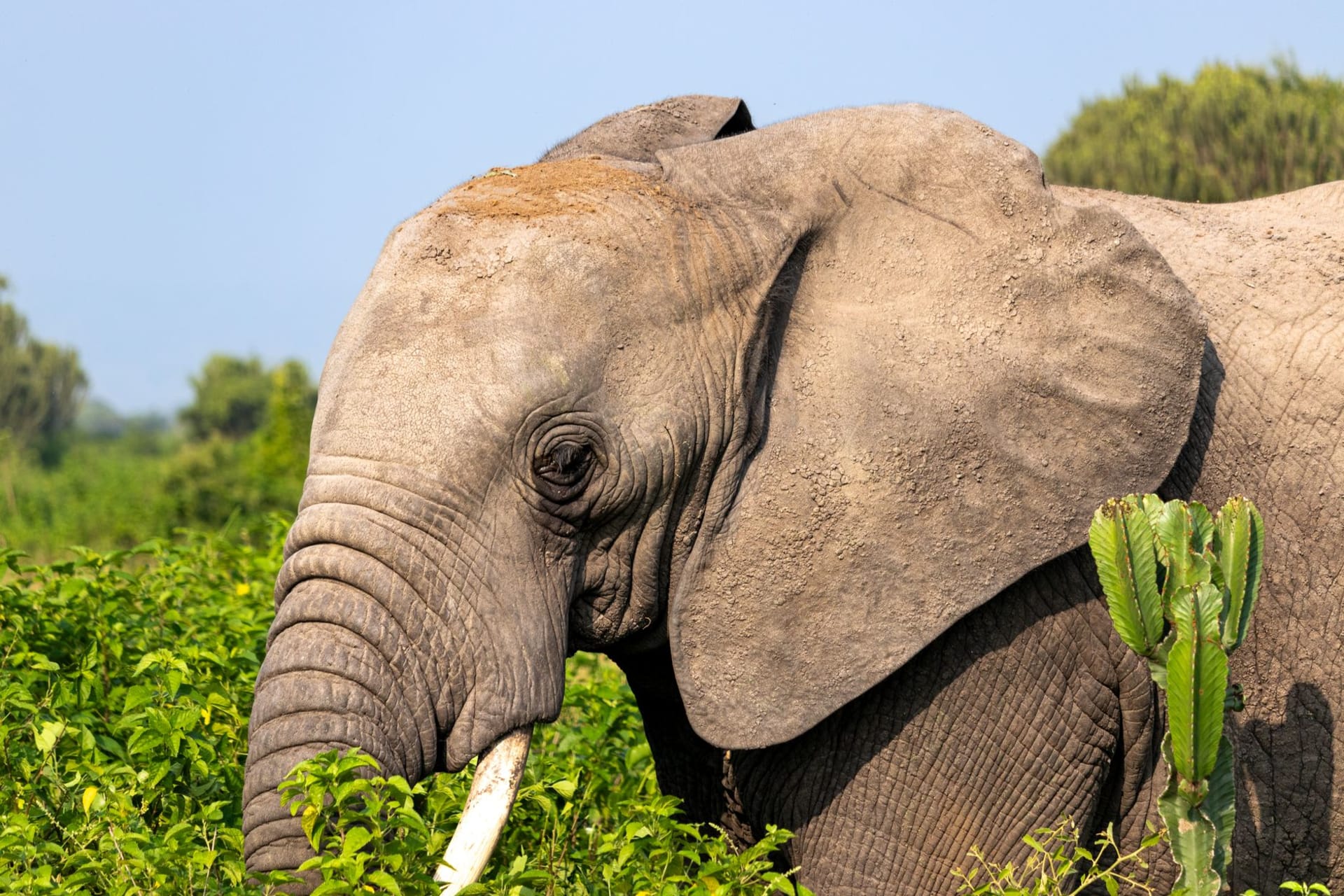
The country has made a deliberate and extraordinary choice: oil revenues fund the state, so the government has never had to build a tourism economy around its natural heritage. The result is that roughly 11 percent of the national territory is protected parkland — Lopé, Moukalaba-Doudou, Pongara, Ivindo — and most of it receives almost no visitors. In Lopé National Park, a UNESCO World Heritage site, you can drive for hours across a landscape that transitions from savannah to dense Congo Basin forest with an abruptness that still surprises me. Forest elephants — smaller, shaggier, genuinely different from the savannah giants — move through the undergrowth with an indifference that comes from never being hunted. Mandrills flash their improbable faces through the canopy. At Kongou Falls, the Ivindo River drops into a basalt gorge with a roar that you feel in your sternum, and no one is selling refreshments nearby.
The Atlantic coast is where Gabon opens another room. From Mayumba in the south, leatherback turtles the size of coffee tables haul themselves ashore at night between October and March, one of the largest nesting concentrations on earth. The beaches at Pongara, just across the estuary from Libreville, are backed by primary forest. Humpback whales pass close to shore between July and September. I watched them from the beach with two other people, which felt like a mistake in the arithmetic of the world — this should require a waitlist.
When to go: June to September for dry season when forest roads are passable, whale watching along the coast, and best wildlife viewing in Lopé. October to March for leatherback turtle nesting at Mayumba and the lush green of peak rainy season, though some park tracks become difficult. Avoid April and May — the heaviest rains make interior travel genuinely hard.
What most guides get wrong: They treat Gabon as a destination for the ultra-wealthy, and while some lodges are expensive, that framing misses the real story. The barrier is not cost — it is infrastructure and the absence of a well-worn trail to follow. Gabon demands that you plan carefully, accept discomfort, and travel without the guardrails of a tourist industry. In exchange, you get encounters with wildlife and landscape that most of Africa sold off decades ago. That is not a niche travel experience. That is the rarest thing on the continent.
Explore
Places in Gabon
 gabon
gabon Cap Lopez
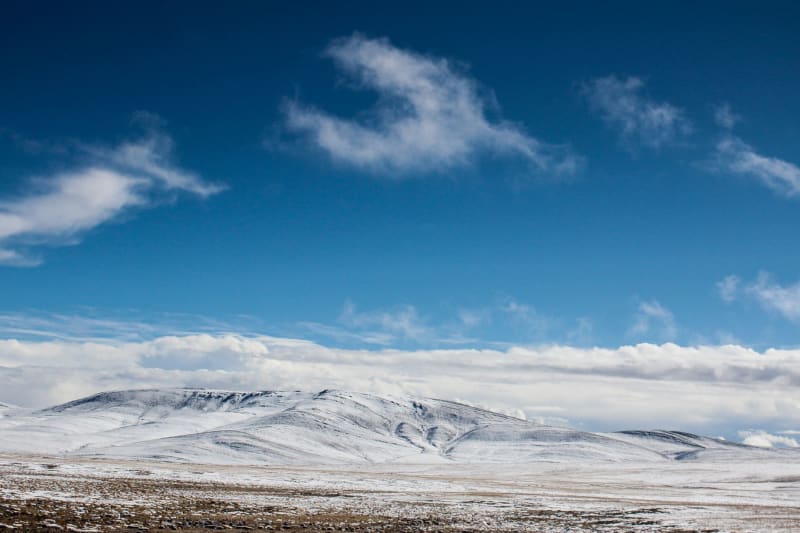
A lighthouse on the westernmost point of the peninsula, where the Atlantic collides with the lagoon and history washed ashore and stayed.
Explore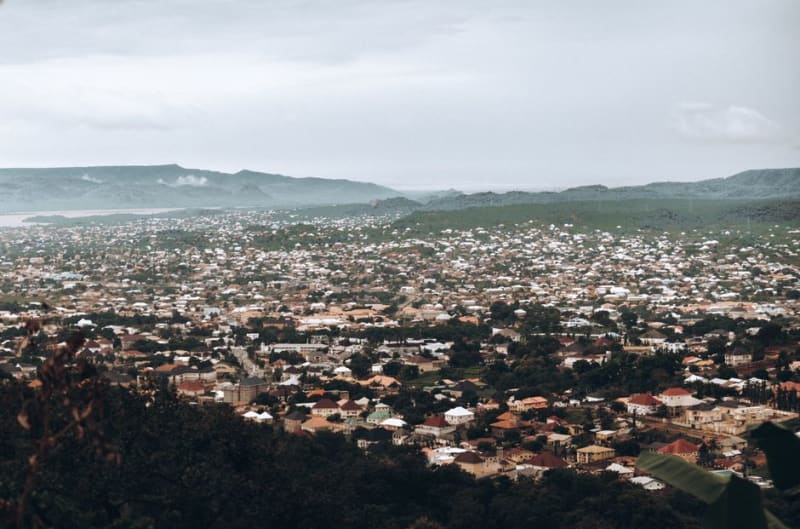 gabon
gabon Franceville
A manganese boomtown on the edge of the Bateke Plateau, where savanna grasslands break Gabon's wall of rainforest.
Explore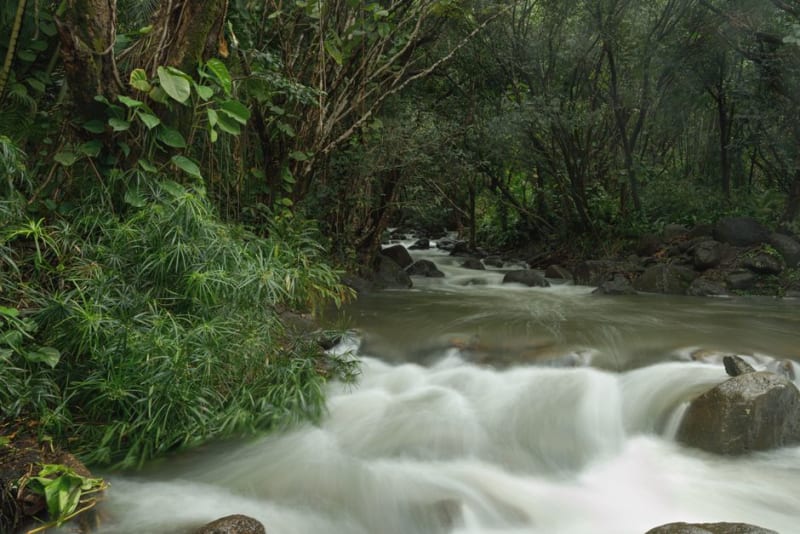 gabon
gabon Ivindo National Park
A roadless expanse of rainforest where forest elephants gather at a hidden clearing and a river thunders over ancient falls.
Explore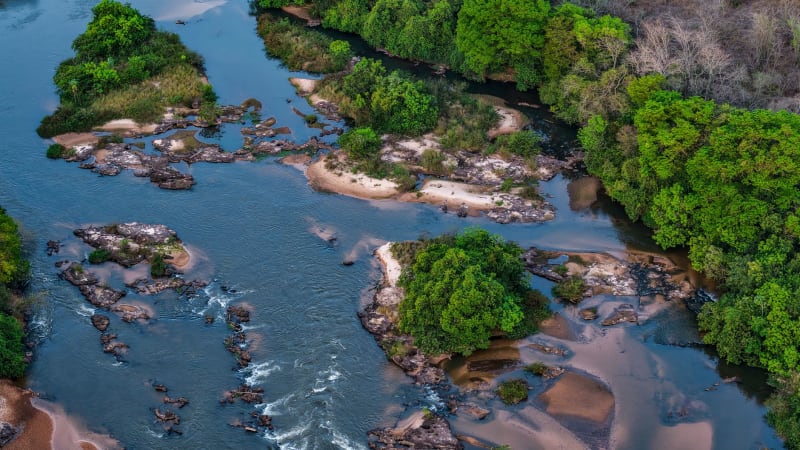 gabon
gabon Kongou Falls
The Ivindo River drops into a basalt gorge with a roar you feel before you hear it, and not a single refreshment stand in sight.
Explore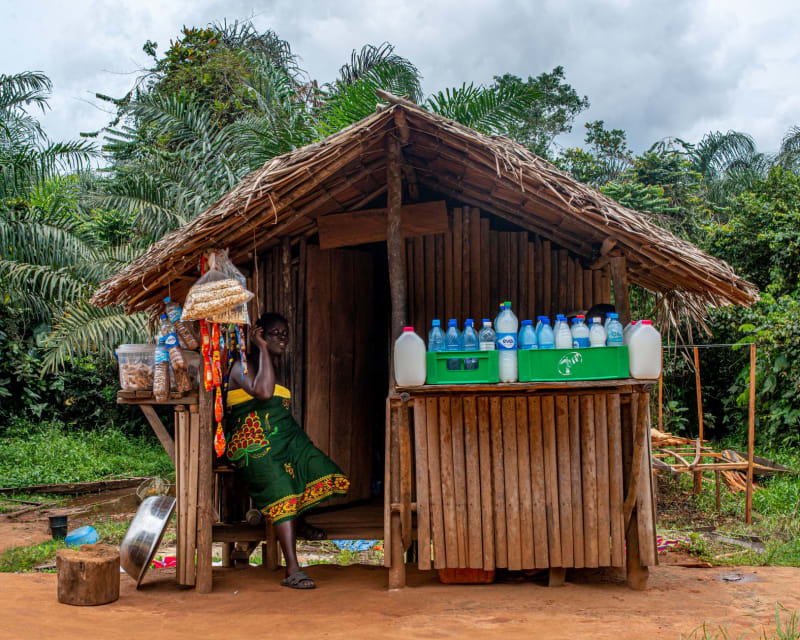 gabon
gabon Lambaréné
A river town on the Ogooué where Albert Schweitzer's hospital still operates and the forest presses in from every angle.
Explore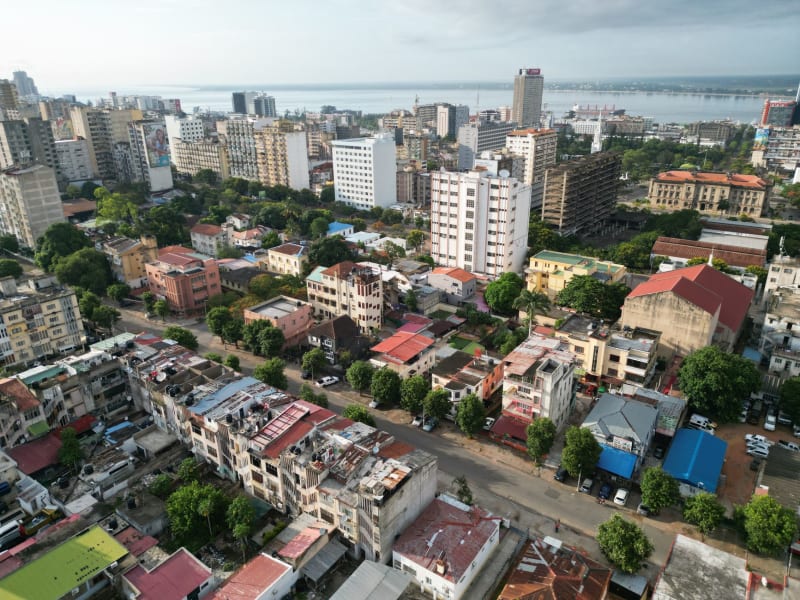 gabon
gabon Libreville
A port capital that smells of the ocean and the rainforest simultaneously, and has never quite decided which one it prefers.
Explore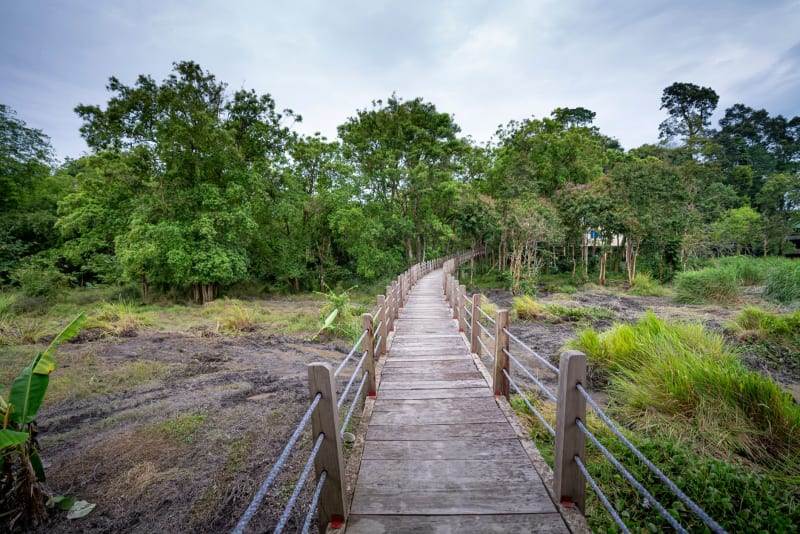 gabon
gabon Loango National Park
The stretch of Gabonese coast where rainforest meets the Atlantic and elephants, buffalo, and hippos wander out onto empty surf beaches.
Explore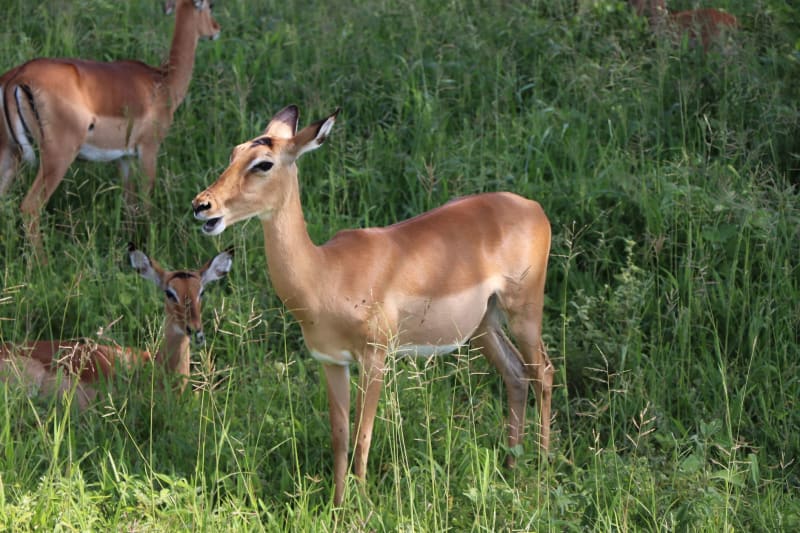 gabon
gabon Lopé National Park
Where Congo Basin rainforest meets ancient savannah and forest elephants walk past your vehicle like you don't exist.
Explore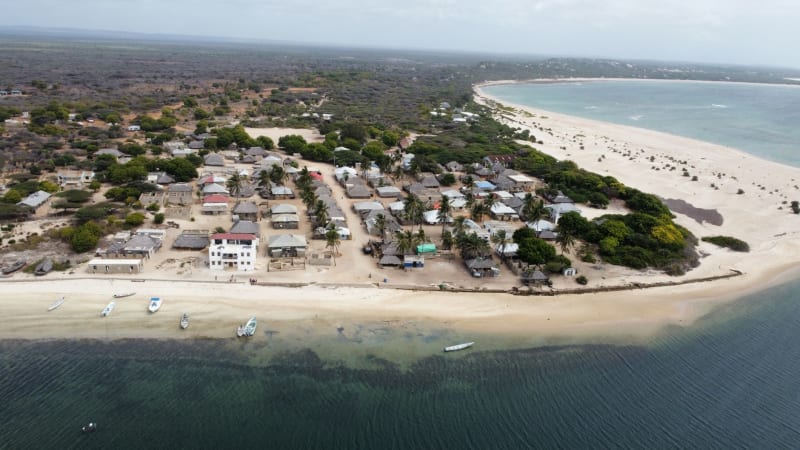 gabon
gabon Mayumba
At the southern end of the world's longest unbroken stretch of beach, leatherback turtles the size of sofas crawl ashore in the dark.
Explore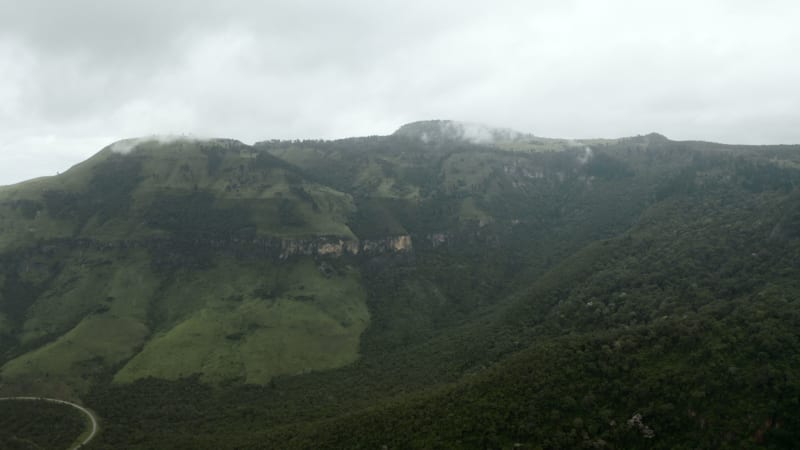 gabon
gabon Monts de Cristal
A granite biosphere reserve an hour from Libreville where waterfalls run over black rock and primates are more reliable than people.
Explore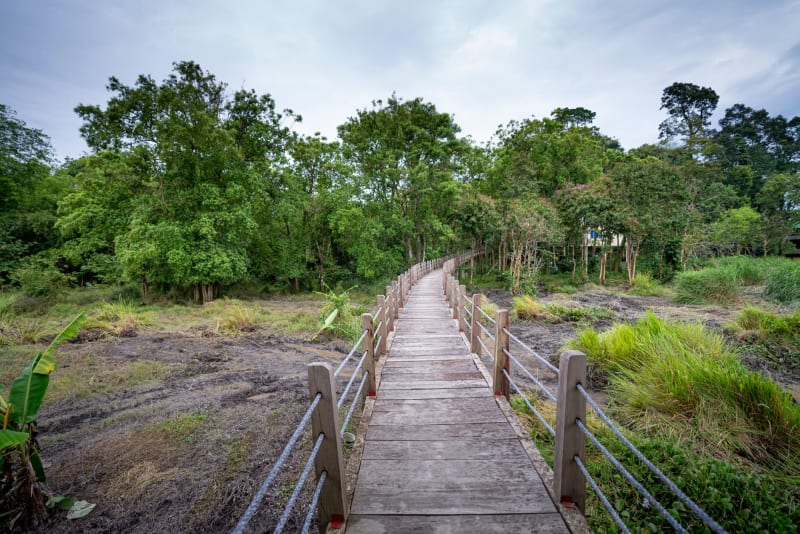 gabon
gabon Moukalaba-Doudou National Park
In the deep southwest, western lowland gorillas move through gallery forest that almost no one has walked through before you.
Explore gabon
gabon Pongara National Park
Primary rainforest meets empty Atlantic beach just twenty minutes by ferry from the capital — an improbability Gabon takes entirely for granted.
Explore gabon
gabon Port-Gentil
Gabon's oil capital sits on a peninsula you can only reach by air or sea, and radiates an end-of-the-road energy that suits it perfectly.
Explore