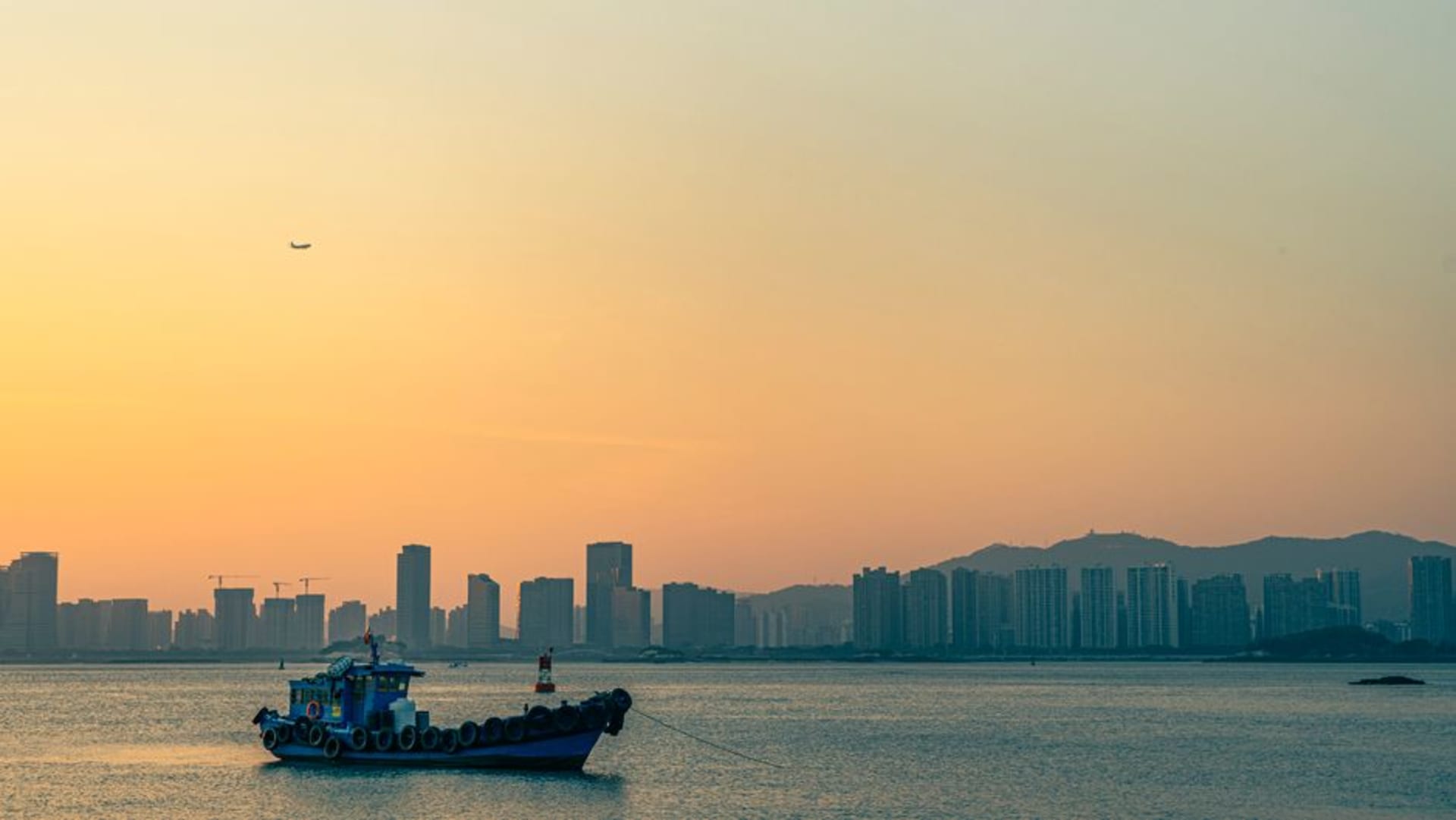
A palm-lined port city facing Gulangyu across the strait, where shophouse arcades and salt air still outrun the skyline of glass.
We got off the high-speed train from Fuzhou expecting another concrete port city, and instead spent our first hour just standing on Zhongshan Road with our necks craned back. The arcaded shophouses there, the ones that went up during the trading boom of the 1920s, still have their scalloped colonnades intact, and at seven in the evening the whole street turns into one long open-air kitchen. We ate oyster omelets off a folding table wedged between a pharmacy and a shop selling dried scallops, and I remember thinking that this was the first place in Fujian where I could actually picture the money that once moved through here.
That money is the real story of Xiamen, even if nobody puts it on a postcard. In 1980 it became one of China’s first Special Economic Zones, and you can feel the hinge point everywhere: fishing boats still work the harbor, but they’re doing it in the shadow of finance towers that went up in a single generation. What struck me more, though, was the older layer underneath — Xiamen was for decades the departure point for Hokkien families sailing off to Manila, Singapore, Penang, anywhere with a port and a promise. Lia has family history in the Philippines on her mother’s side, and standing at the water’s edge she went quiet for a minute, doing the math on how many boats like that must have left from this exact stretch of coast.
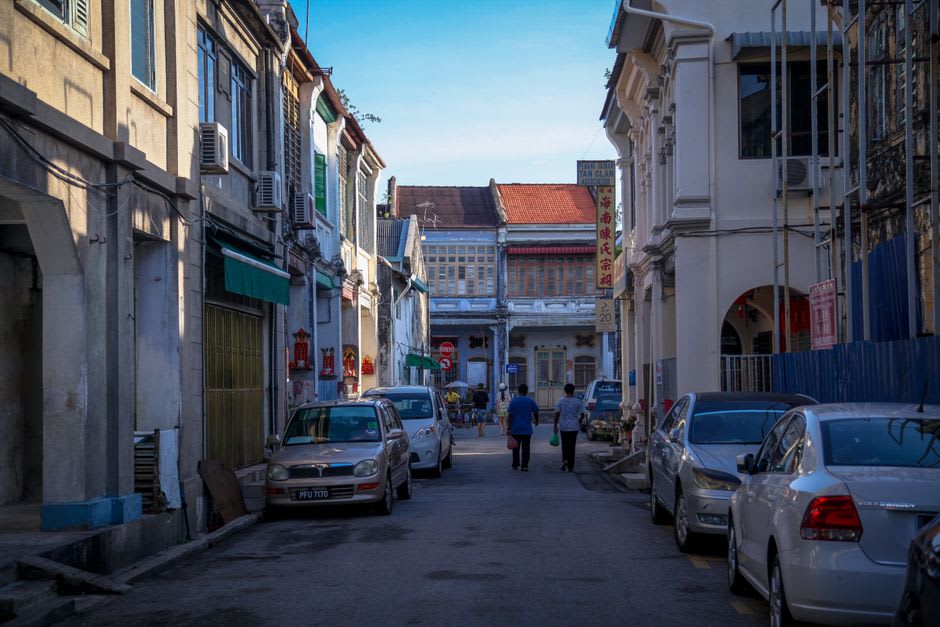
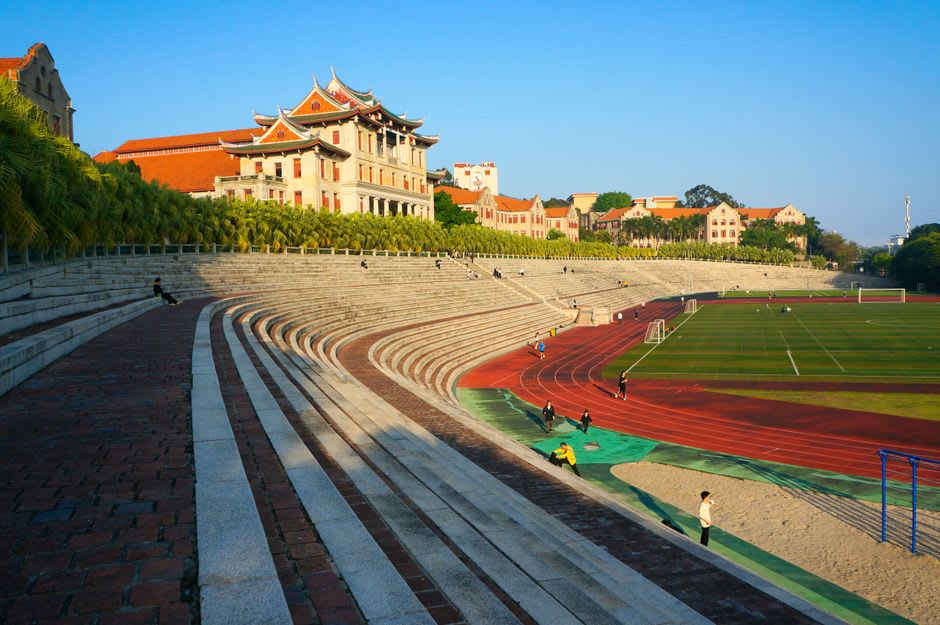
Gulangyu sits close enough across the strait that you can watch the ferries shuttle back and forth from a café window, colonial villas piled up on a hillside with no cars allowed, which after Xiamen’s traffic felt like stepping into a different century entirely. But my favorite morning wasn’t even on the island — it was walking the seawall path along Xiamen University, which Tan Kah Kee, a rubber magnate who’d made his fortune in exactly the kind of emigration Xiamen enabled, founded in 1921 and built to back straight onto the ocean. Students were doing tai chi on the rocks below the lecture halls, and I sat on a bench eating a pineapple bun and watching container ships slide past campus buildings older than my grandparents.
We stayed four nights in a converted tea merchant’s house near the old town, close enough to smell the harbor from bed, and it was one of those cities that rewards slow mornings more than any single sight does. When to go: aim for spring (March to May) or autumn (October to November) — we caught the tail end of summer once and the humidity off the strait, combined with the threat of typhoons rolling in, made the waterfront walks a lot less pleasant than they should have been.
Keep exploring
More from Fujian Coast
 fujian-coast
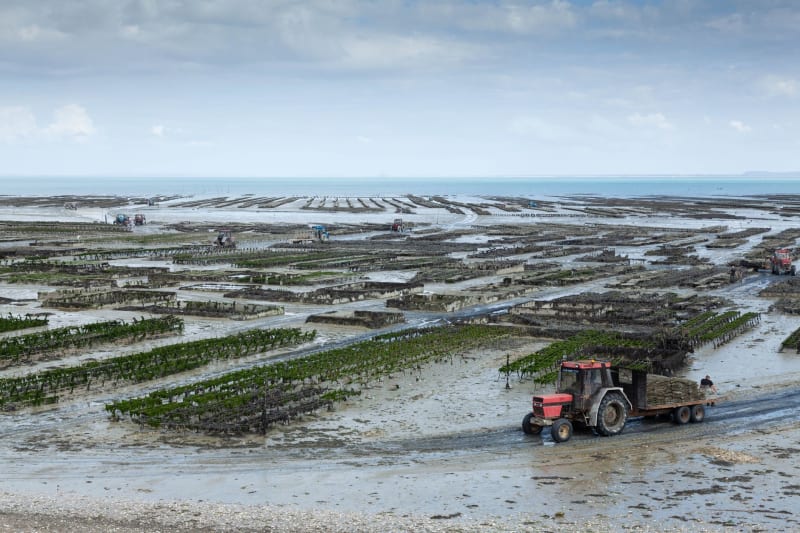
 Xiapu Mudflats
Tidal mudflats at the edge of Fujian where bamboo-raft fishermen move through silver channels at dawn like figures in an ink painting.
Explore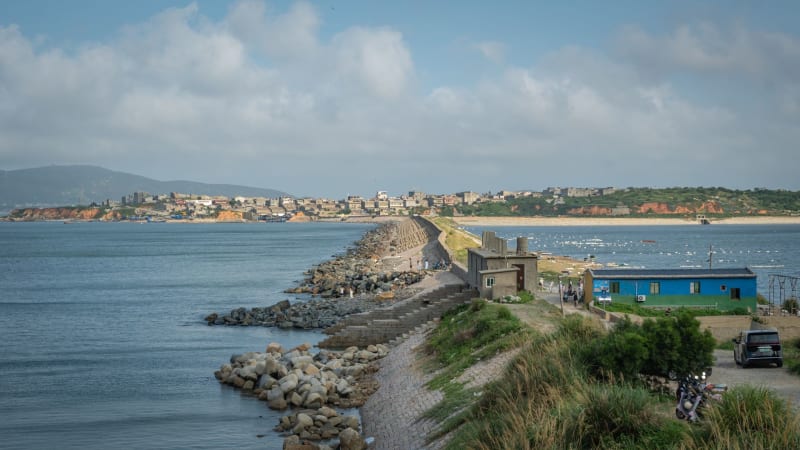 fujian-coast
 Yongding Tulou
Circular Hakka earthen fortresses five stories high, built to house entire clans, and some families still live in them.
Explore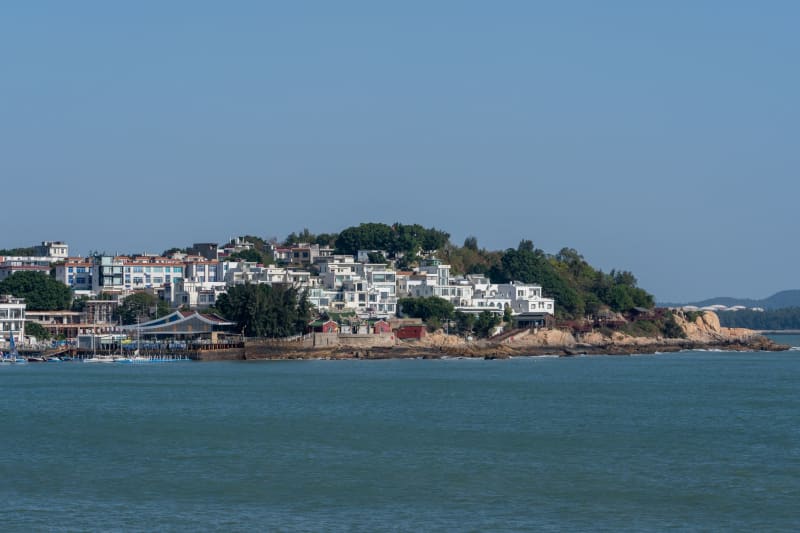 fujian-coast
 Zhangzhou
A low-key Minnan city of flower markets, Satay noodle shops, and old streets that domestic tourists haven't quite caught up with yet.
Explore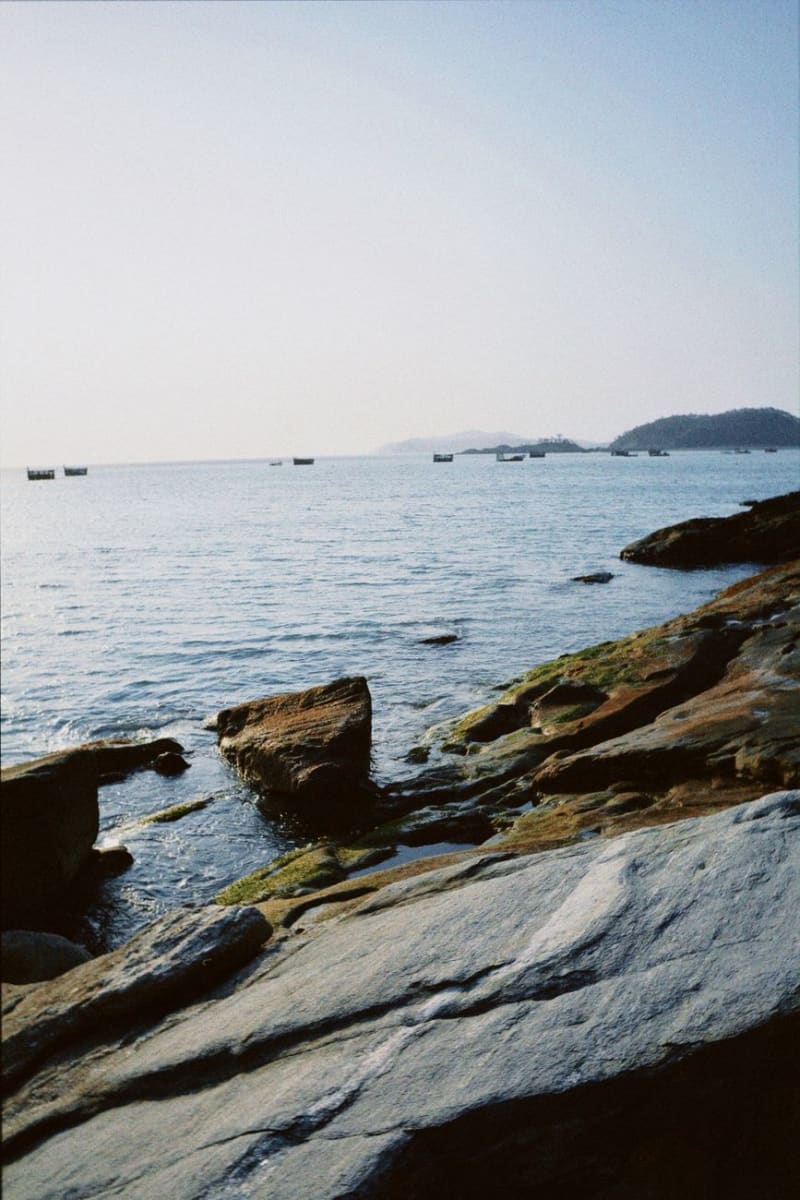 fujian-coast
 Chongwu
A Ming-dynasty granite fortress town on a rocky Fujian headland, still walled, still fishing, where the women in flowered headscarves haul the nets and the sea has worn the stone smooth.
Explore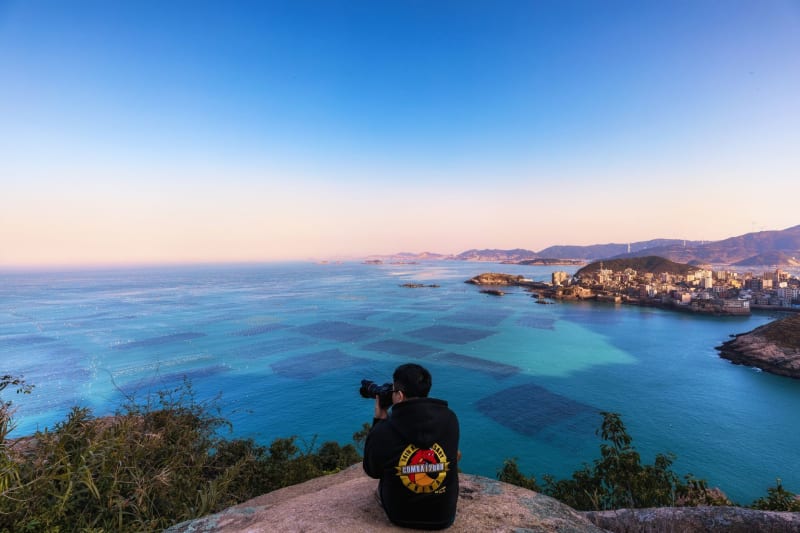 fujian-coast
 Dongshan Island
A southern Fujian island of wind-sculpted granite boulders and quiet beaches where the 1950s military standoff left its own strange archaeology.
Explore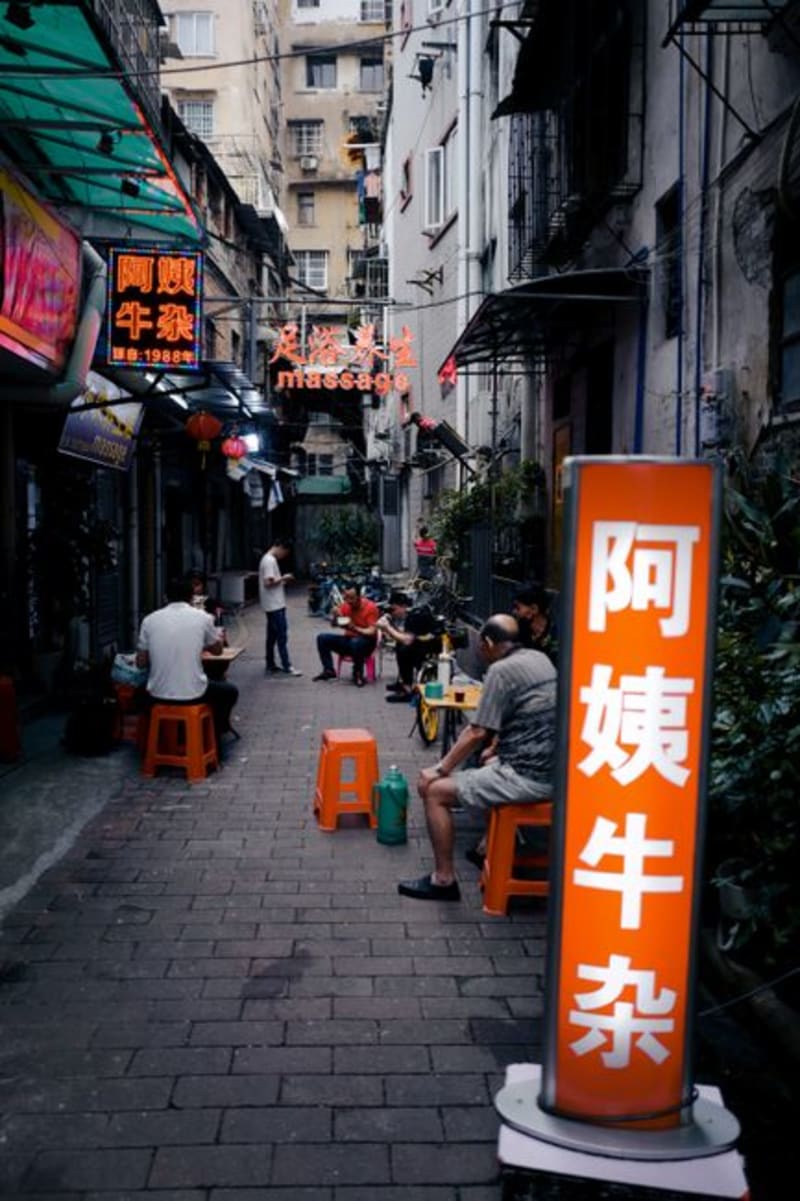 fujian-coast
 Fuzhou
A river capital of banyan trees and Ming-era courtyards, where 2,200 years of history hide behind quiet stone gates.
Explore