Tahuata
"White sand in the Marquesas is rare enough that the boatman pointed it out to me like it was a landmark. It was."
A small Marquesan island reachable only by boat from Hiva Oa, with the whitest sand in the archipelago and a village still shaped by a French missionary's first landing.
Tahuata has no airstrip, so the only way in is a boat crossing from Hiva Oa — about forty-five minutes across a channel that can be glassy or genuinely rough depending on the day, with absolutely no way to predict which you’ll get until you’re already committed to the crossing. I got the rough version, arrived slightly damp and thoroughly humbled, and was told by the boatman, entirely unbothered, that this was a calm day by local standards.
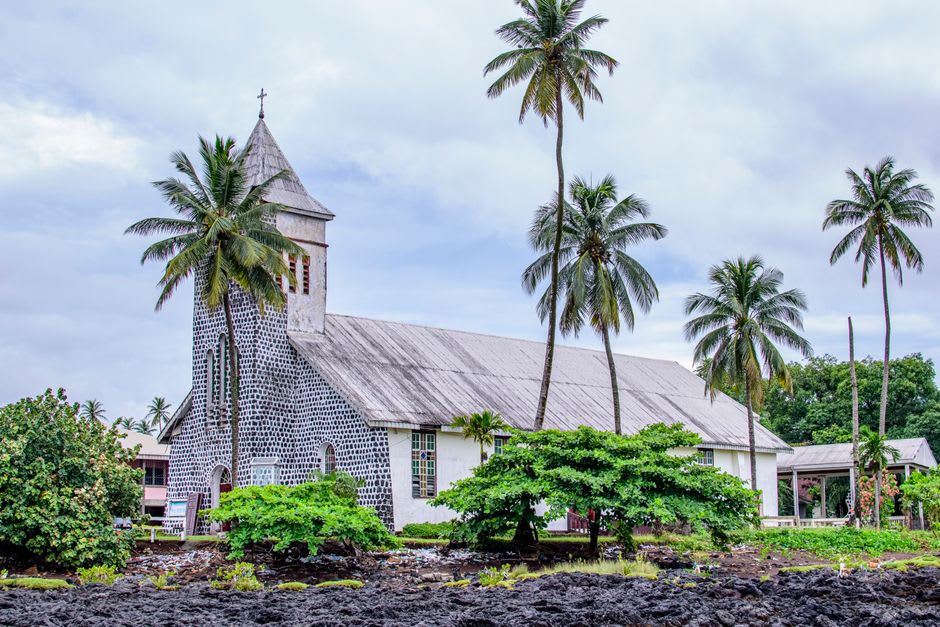
Vaitahu, the main village, holds a specific footnote in French Polynesian history: this is where the first French Catholic mission in the Marquesas was established in 1838, and a large modern church built in the 1990s with support from the Vatican now stands where that original mission took root, its stained glass depicting Marquesan rather than European saints and scenes, which I hadn’t expected and appreciated more than I can easily explain. A small museum next door displays artifacts recovered from the island’s archaeological sites, including tools and ornaments that predate the missionaries by many centuries.
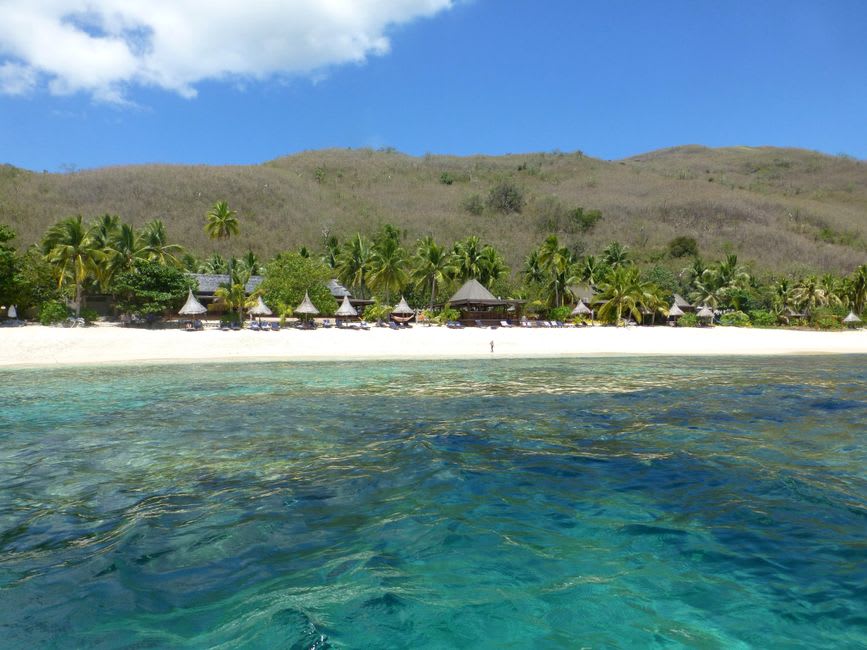
The real draw for most people who make the crossing, though, is Anahoa and Hanamoenoa beaches on the island’s protected west coast, both fringed with genuinely white sand, which is unusual enough in the black-and-grey-volcanic-sand Marquesas that locals treat it almost as a novelty. I anchored off Hanamoenoa for an afternoon with a fisherman who moonlights running informal boat trips, and swam in water so clear I could count individual fish shadows on the sandy bottom five meters down.
Tahuata is also known within the Marquesas for bone and tooth carving, particularly using whale bone and boar tusk, and I watched a carver in Vaitahu working a piece of bone into a traditional pendant design with hand tools alone, the same forms — the tiki face, the manta ray — that show up on tapa cloth and stone tikis across the archipelago, a visual vocabulary that seems to hold steady island to island even where the materials change completely.
When to go: May through October brings calmer boat crossings from Hiva Oa and better conditions at the beaches. There’s no accommodation infrastructure to speak of, so this is most realistically a day trip unless you can arrange to stay with a local family in advance.
Keep exploring
More from French Polynesia
 french-polynesia
 Tikehau
An atoll where the sand is genuinely pink, the lagoon is thick with fish nobody bothers to name, and the pace of life makes Rangiroa next door feel almost hurried.
Explore french-polynesia
 Tubuai
The Austral island where Bounty mutineers tried and failed to build a fort, now a quiet farming outpost with a lagoon few divers ever bother to visit.
Explore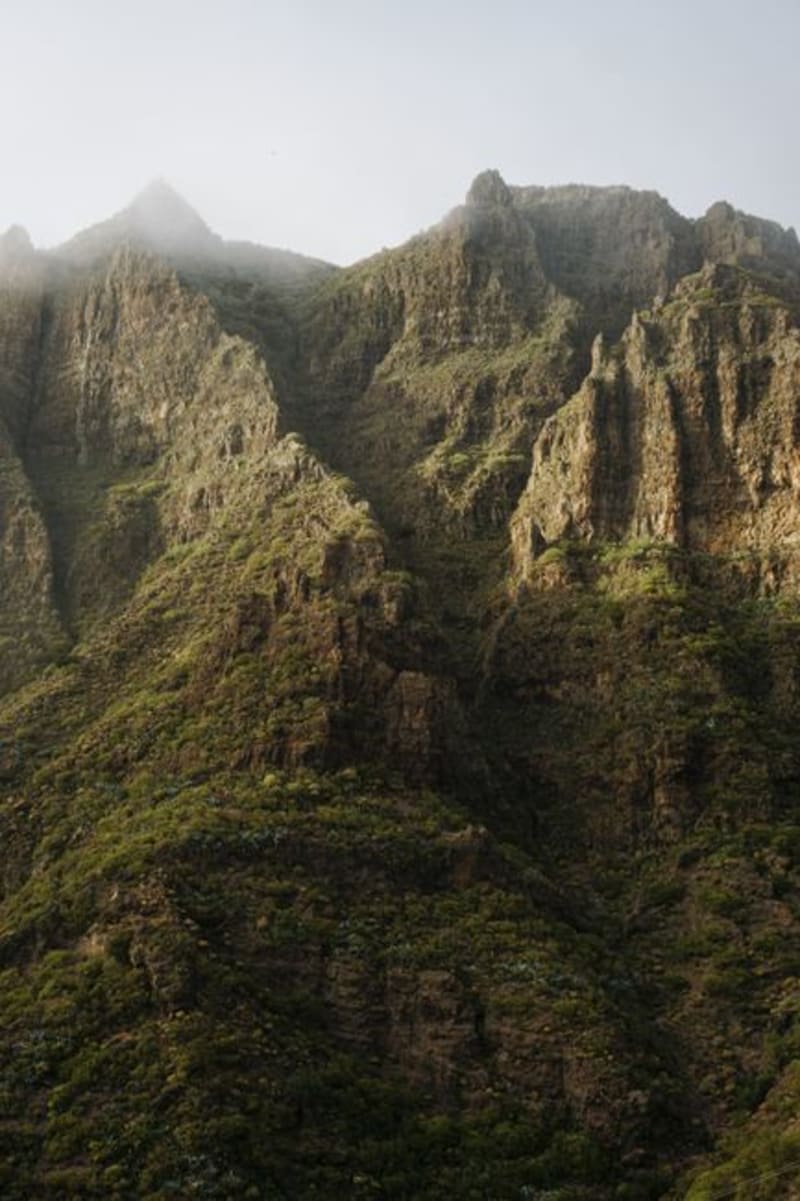 french-polynesia
 Ua Pou
A Marquesan island whose basalt spires pierce the clouds so consistently that sailors called it 'the cathedral,' and whose villages still carve stone the way their ancestors did.
Explore french-polynesia
 Bora Bora
The lagoon is actually that color — not a filter, not a lie, just water so impossibly blue it takes a day to accept.
Explore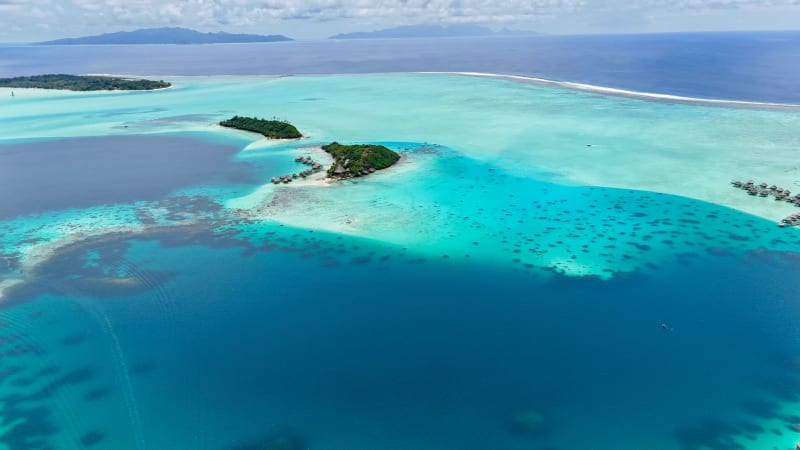 french-polynesia
 Fakarava
A UNESCO biosphere reserve where the southern pass turns into a living wall of grey sharks at the right hour, and silence is the dominant weather.
Explore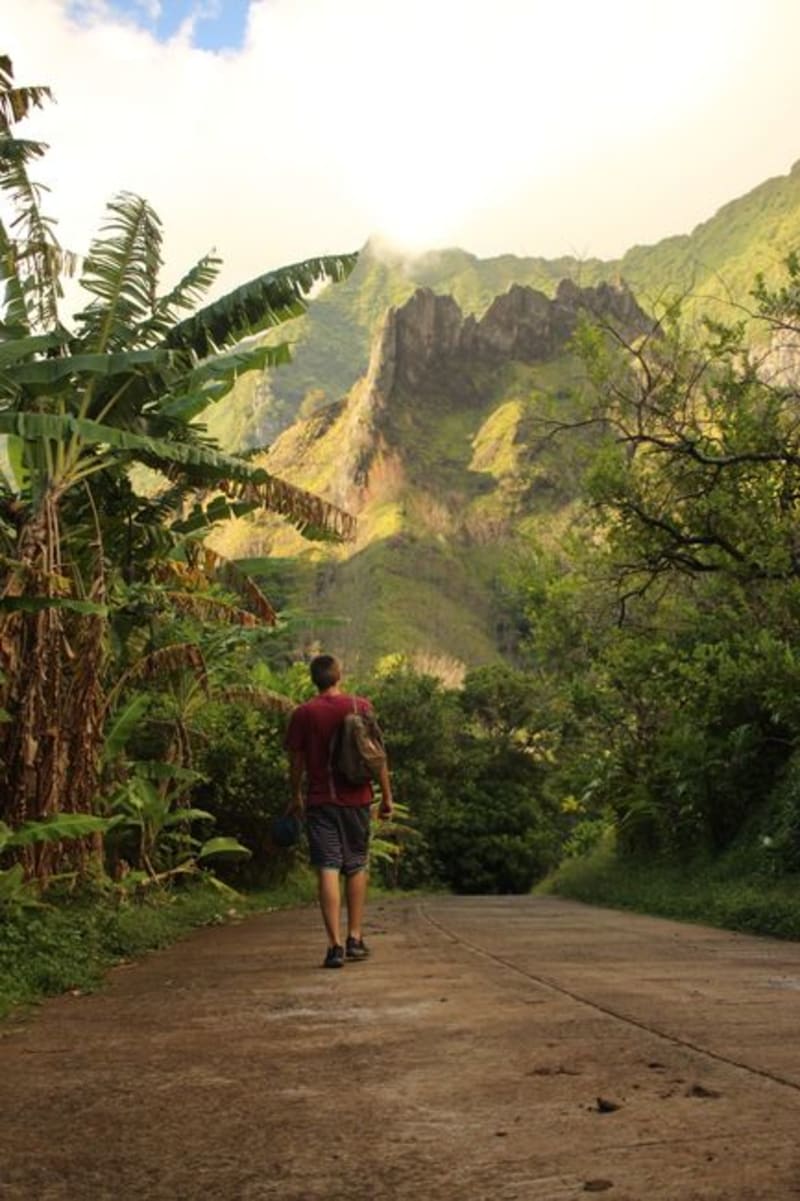 french-polynesia
 Fatu Hiva
The most remote inhabited island in the Marquesas, reachable only by boat, where the Bay of Virgins cuts a fjord-like gash into cliffs and tapa cloth is still pounded by hand.
Explore