Hiva Oa
"Gauguin came here to disappear and instead became more famous than ever. There's a lesson in that I haven't fully worked out."
The Marquesan island where Gauguin and Brel both chose to die, ringed by black volcanic cliffs and stone tikis older than either of their legends.
Hiva Oa is a three-and-a-half-hour flight from Tahiti, which already tells you something about how the Marquesas relate to the rest of French Polynesia — they’re barely the same idea. There’s no turquoise lagoon here, no reef ring; the islands rise straight out of deep ocean in jagged volcanic spines, and Hiva Oa’s interior is a tangle of ridges and valleys thick with mango and breadfruit trees that nobody planted on purpose but that now feed half the population.
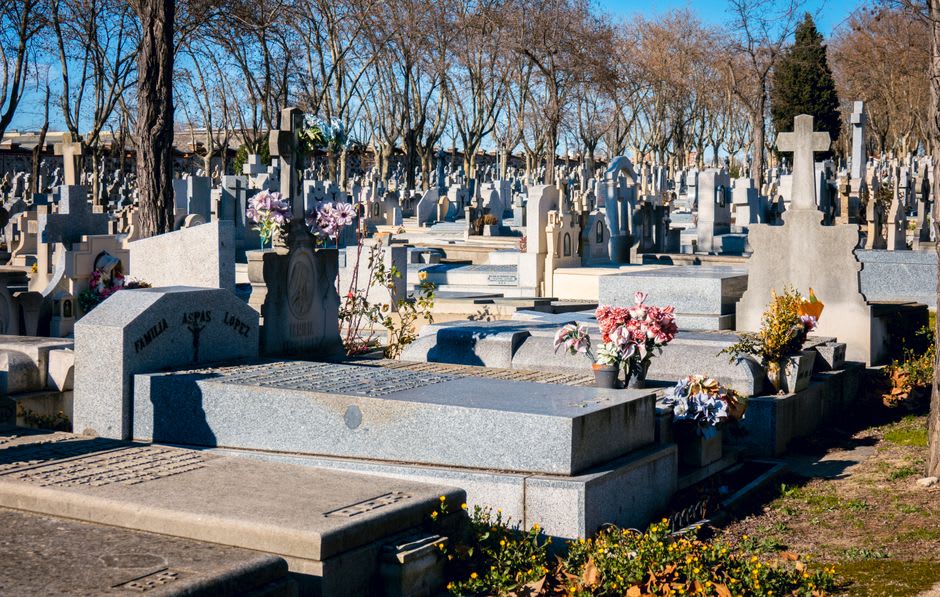
I went to Atuona, the main village, mostly for the Calvary Cemetery, where Paul Gauguin is buried beneath a rough volcanic stone marker just a short uphill walk from where Jacques Brel’s grave sits with a view over the bay. It’s an odd pairing of exiles who never met but share a hillside — Gauguin arrived in 1901 disillusioned and ill and died a year later; Brel came seven decades on, flying his own plane in supplies to islanders, and stayed until his own death in 1978. Local kids sell tiare flowers at the cemetery gate, and someone had left a half-empty bottle of rum at Gauguin’s grave, which felt more honest than flowers would have.
The archaeological site at Puamau, on the island’s northeast coast, is the real reason to make the effort to get here. The Me’ae Iipona ceremonial site holds several of the largest stone tikis in French Polynesia, including one nearly two and a half meters tall, carved from red volcanic tuff and standing in a clearing surrounded by banyan roots that have grown around and through the ruins over centuries. My guide, a Marquesan man who’d grown up in the valley, spoke about the figures with a directness that had nothing reverent or touristic about it — this was just where his ancestors had put their gods, and the gods were still there.
Getting between Atuona and Puamau meant a rough two-hour drive on a track that climbed and dropped through valleys with views straight down black cliffs to a churning ocean below — no lagoon to soften the drop, just rock and swell. I ate lunch at a roadside stand that served goat curry and poe, a sweet fruit pudding, and understood a little better why the Marquesas produce a different kind of traveler than Bora Bora does.
When to go: May through October is the dry season and the most comfortable for the mountainous interior roads. The Marquesas Arts Festival, held roughly every four years, draws visitors from across the archipelago for traditional dance, tattoo, and carving competitions — worth timing a trip around if the dates align.
Keep exploring
More from French Polynesia
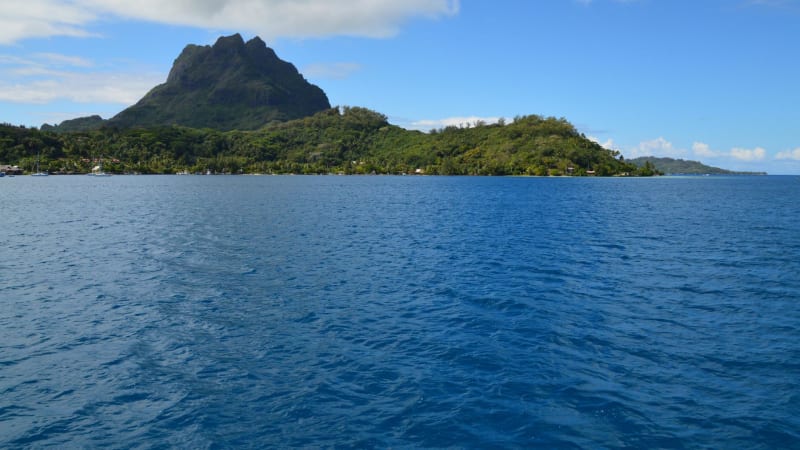 french-polynesia
 Huahine
The island French Polynesia forgot to develop, where ancient marae sit in the jungle and the lagoon is entirely yours.
Explore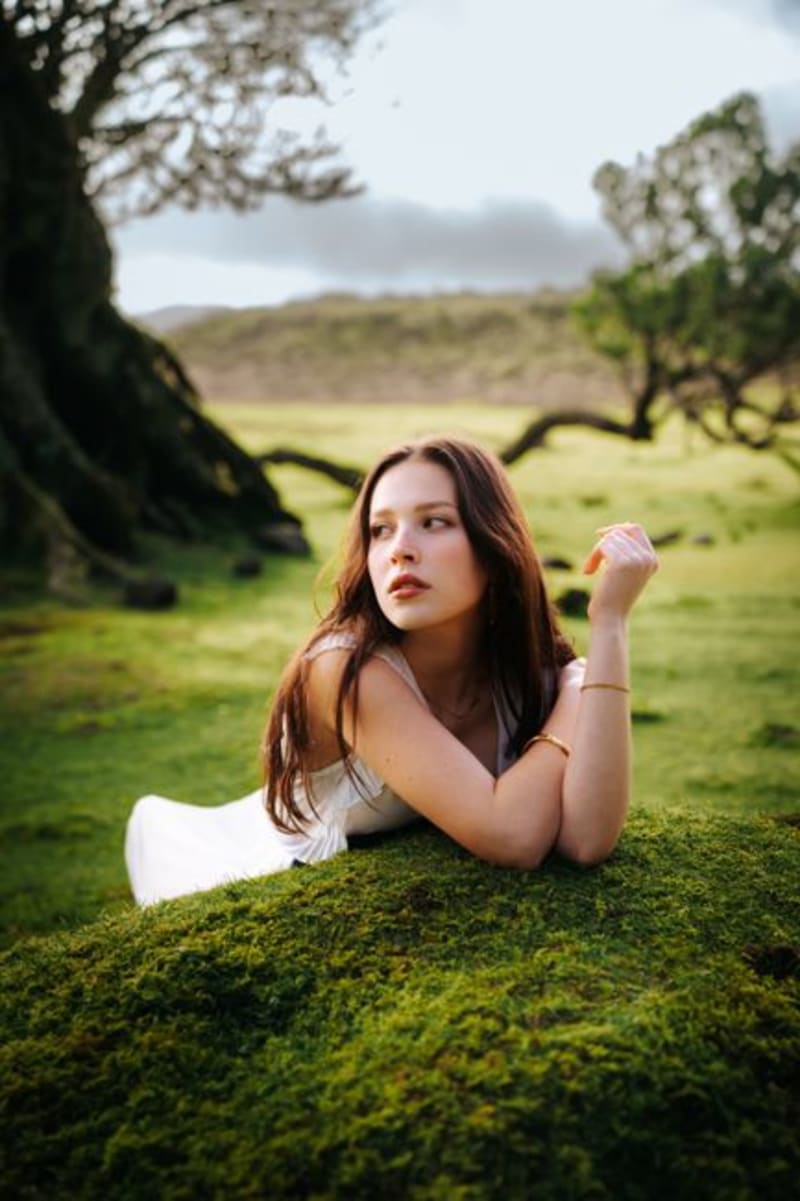 french-polynesia
 Maiao
A tiny Society Island barely anyone visits, ringed by a lagoon closed to any real boat traffic, where the mountain forest reaches almost to the sand.
Explore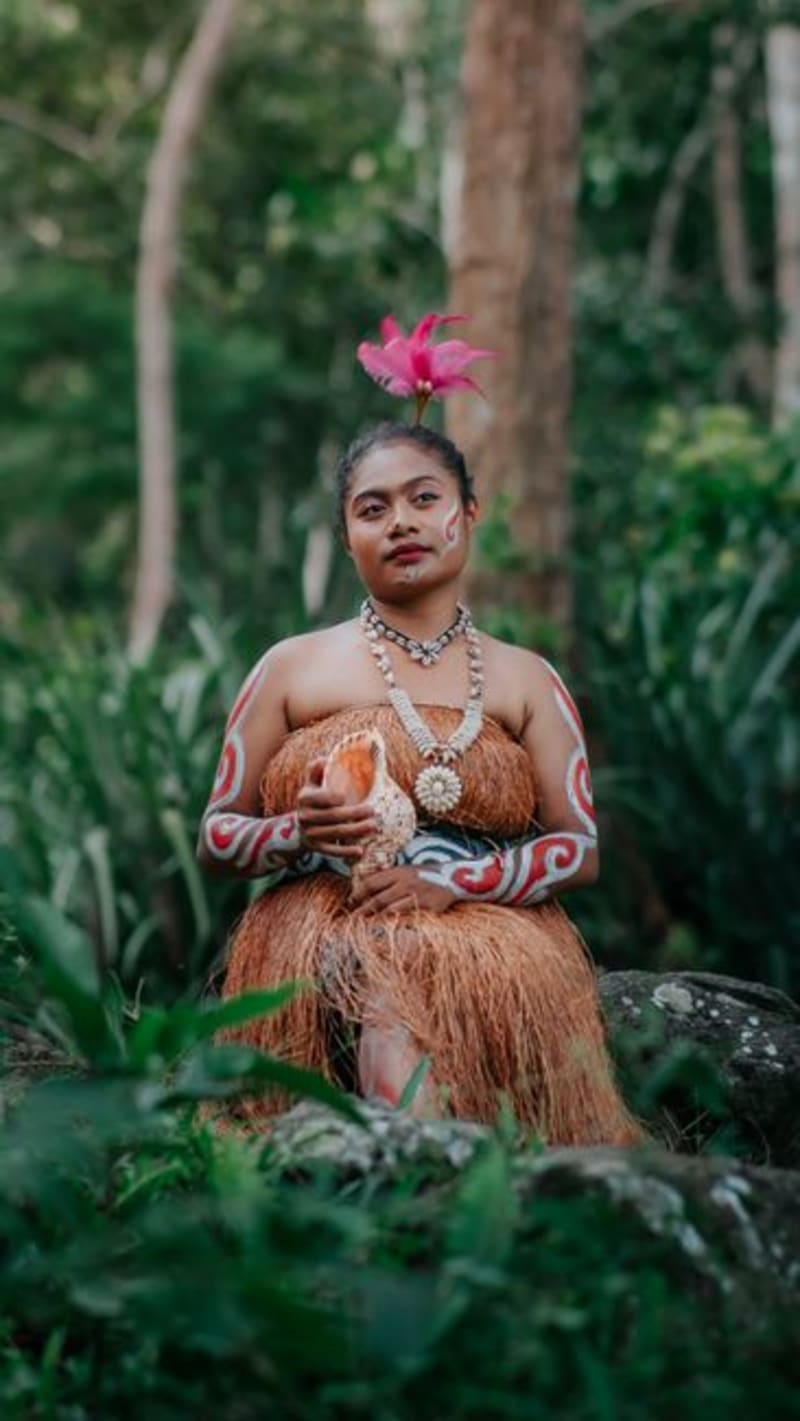 french-polynesia
 Mangareva
The main island of the remote Gambier archipelago, where a nineteenth-century cathedral built from coral stone rises improbably above pearl farms and near-total isolation.
Explore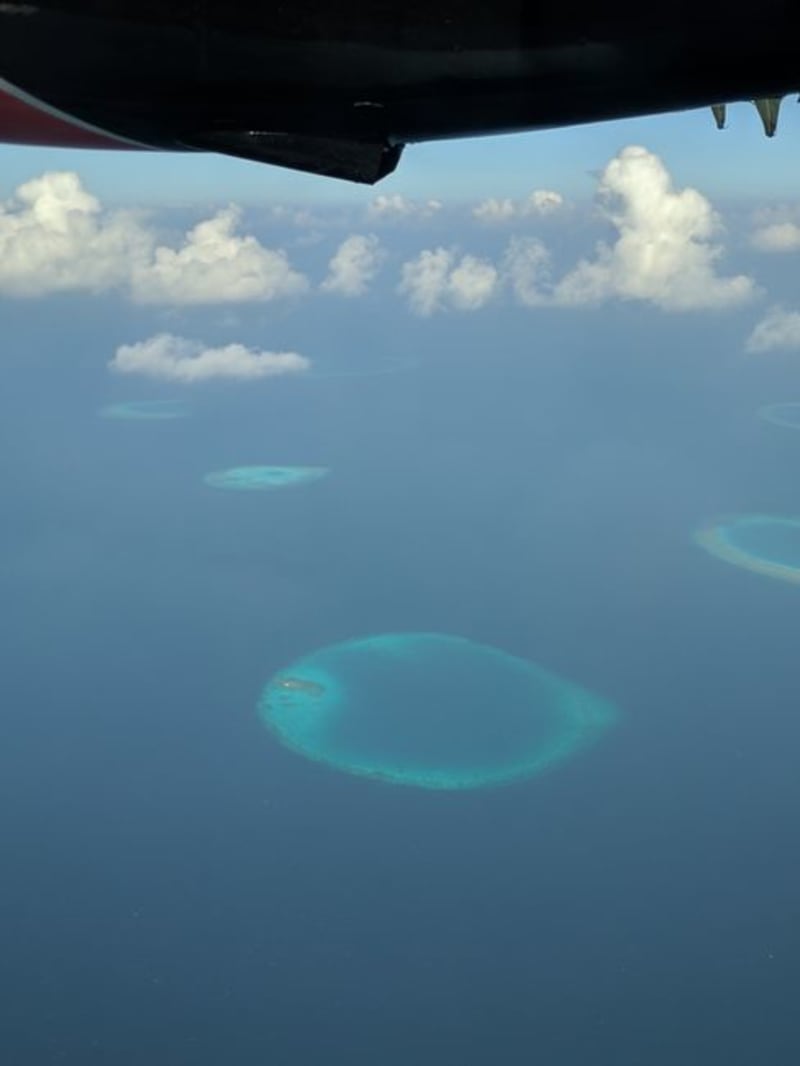 french-polynesia
 Mataiva
The westernmost atoll of the Tuamotus, with a lagoon carved into a strange checkerboard pattern of coral ridges that looks manufactured until you remember nature doesn't need a reason.
Explore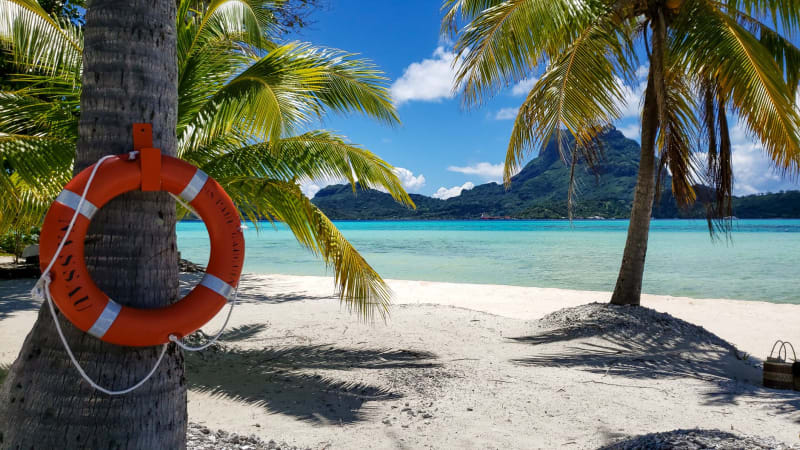 french-polynesia
 Maupiti
Bora Bora's forgotten twin — same volcano, same lagoon colors, a fraction of the visitors, and a pass so narrow the supply boat can only enter at slack tide.
Explore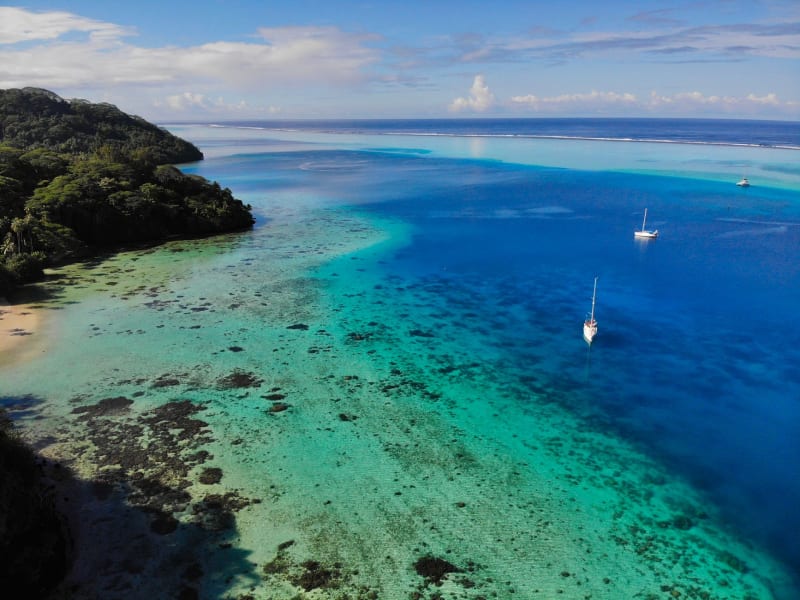 french-polynesia
 Moorea
Bora Bora's quieter neighbor, where the volcanic peaks plunge straight into a lagoon intimate enough to swim across before breakfast.
Explore