Roura
"Cayenne fell away in the rearview mirror, and thirty-five minutes later we were parking under a mango tree that predated the road."
A riverside mission town on the Oyak, where creole church bells and jungle trailheads share the same small square.
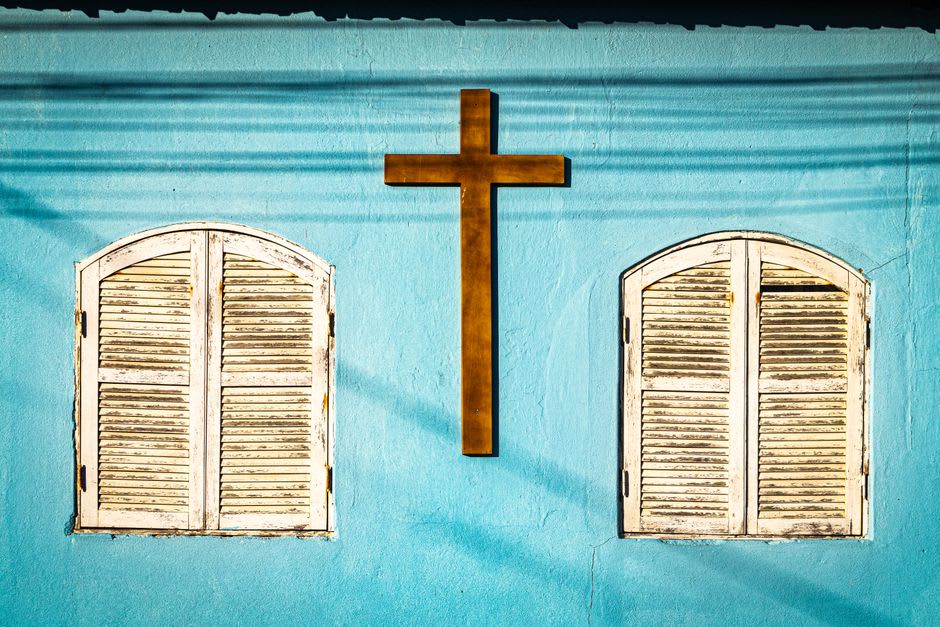
We drove down from Cayenne on a Saturday morning, the coastal highway narrowing and the suburbs thinning into palm thatch and papaya stands, and Roura arrived almost without announcement — a creole church, a dusty central square, a handful of trucks parked at odd angles. Lia spotted the church first, its wooden shutters painted a faded blue that looked older than anything we’d seen in Cayenne. The Jesuits founded this place as a mission back in the 18th century, and even now, with satellite dishes bolted to some of the roofs, the square still feels like it’s holding onto that original shape. We sat on the church steps eating grilled chicken from a stand run by a woman who’d clearly done this every Saturday for decades, and I remember thinking that this was the first town in French Guiana that felt like it had a center, rather than just a road with buildings along it.
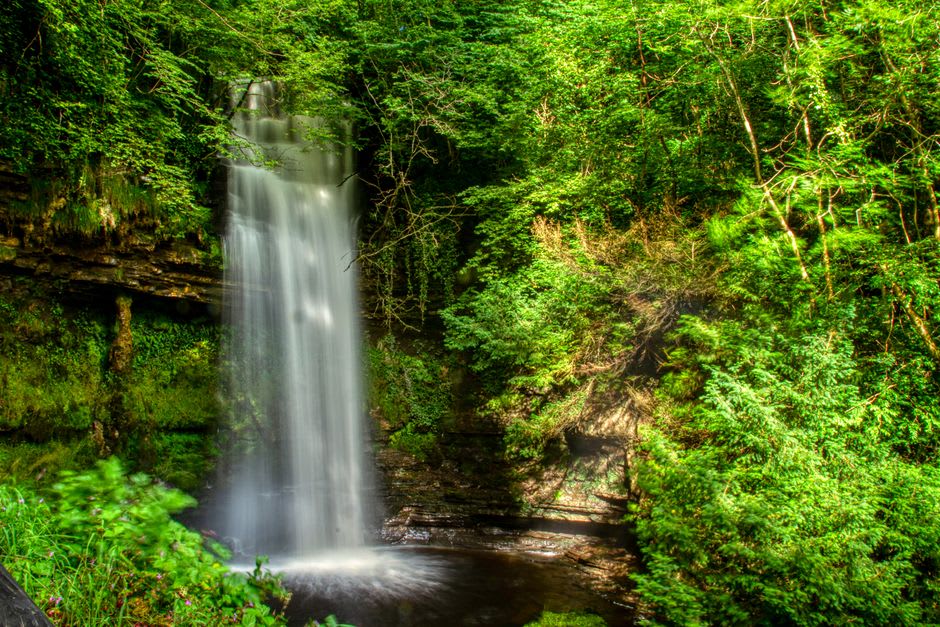
What we actually came for, though, was the hike to Fourgassié falls, and Roura turned out to be less a destination than a threshold — the last town before the forest properly closes in. We asked directions from a teenager loading crates onto a moto, and he just pointed past the last house and said “tout droit,” as if the trail were an extension of the street itself. Within twenty minutes we’d left the mango trees behind for buttress roots and the kind of humidity that makes you forget you were ever dry. The waterfall itself was smaller than I’d pictured from photos, but standing under the spray after an hour of sweating through undergrowth, neither of us cared about scale. Lia waded in up to her knees and declared it the best decision of the trip, which, granted, she says about most bodies of water.
The next morning we pushed on to the Kaw Marshes, and it was only driving back through Roura afterward — muddy, sunburned, half-asleep — that I really registered how much the town had grown around us on the way in and out. You can feel the 1980s suburban sprawl of Cayenne pressing up against Roura’s edges now, new concrete houses stacked along the highway where there was probably just forest a generation ago. But the old core, the square, the church, the river — that part hasn’t budged. It’s a strange, likeable contradiction: a mission town turned exurb turned gateway to some of the wildest terrain we found anywhere in the Guianas.
When to go: We went in September and the trails to Fourgassié and Rorota were dry and manageable underfoot; aim for the dry season between August and November if you want the waterfalls without wading through ankle-deep mud to reach them.