Îles du Salut
"The howler monkeys moved through the prison ruins like they owned the place. They do, now."
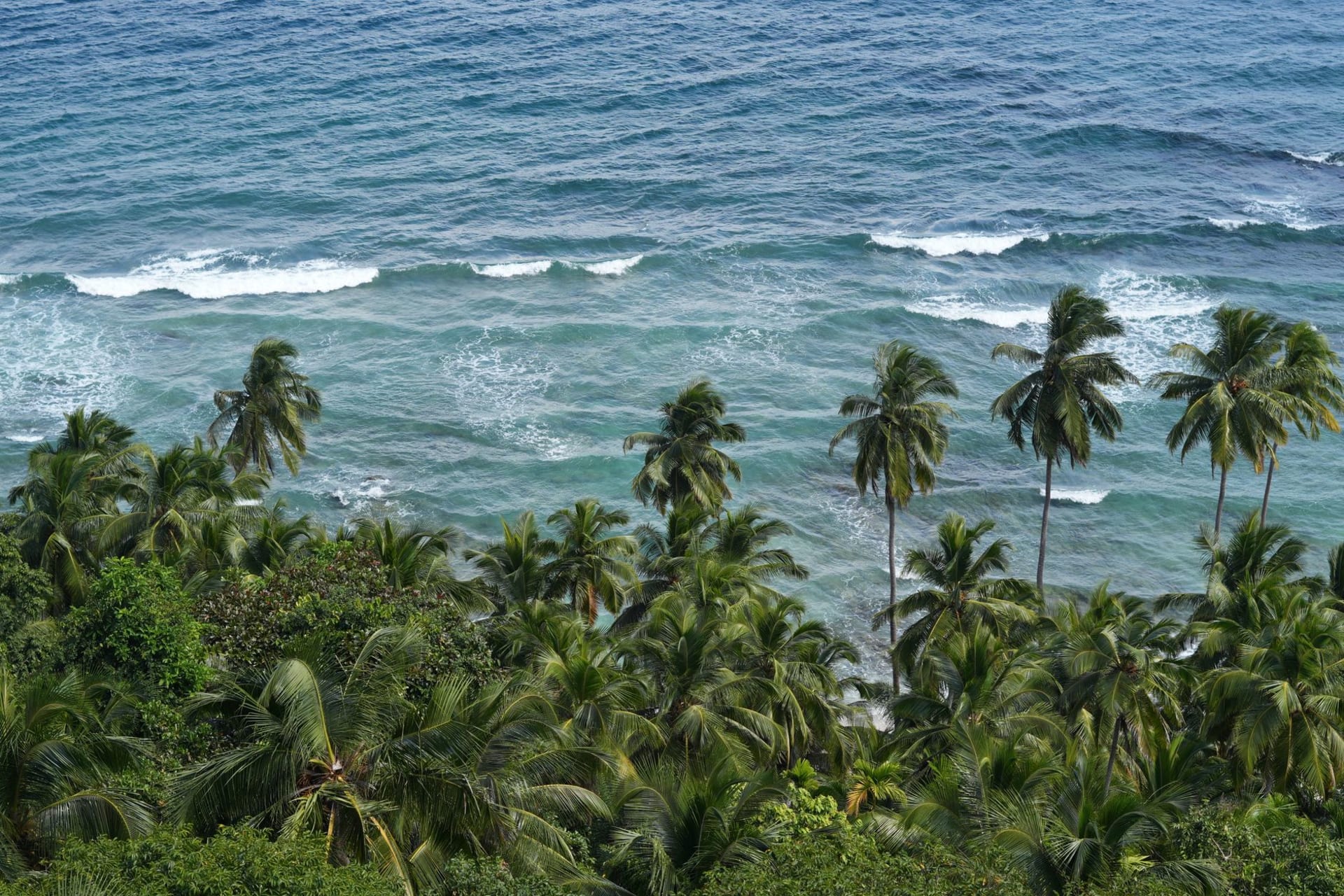
The morning boat from Kourou takes about an hour, running across open Atlantic swells before the islands appear on the horizon — three green humps rising from water that is a shade of turquoise I associate with the Caribbean rather than the coast of South America. Île Royale is the largest and the one where most visitors stay, and it announces itself with the smell of vegetation and something older, something mineral and damp, before you’ve even tied up at the dock. A howler monkey watched me disembark from the branch of a tree that had grown through what was once a guard post. He did not seem to regard my arrival as interesting.
The Îles du Salut held France’s most feared penal institutions from 1852 until 1953. Île Royale was the administrative center, Île Saint-Joseph was the solitary confinement island, and Île du Diable — visible from both — was reserved for political prisoners, the most famous of whom was Alfred Dreyfus, who spent five years there in a stone hut on a rocky outcrop before his conviction was overturned. The irony the names perform on each other — the Salvation Islands, housing the condemned — is the kind of thing that only becomes funny at a distance of seventy years.
The ruins on Île Royale are extraordinary: intact enough to be comprehensible, ruined enough to carry genuine atmosphere. The hospital ward, the guards’ quarters, the punishment cells — all in varying states of reclamation by the forest. Trees have grown through the stone floors and their roots split the walls with a patience that the original architects could not have anticipated. The howler monkeys live in the canopy above and move through the ruins with proprietary ease, occasionally dropping to eye level and considering you with the specific contempt of an animal that has never been afraid of anything. The former camp director’s house is now a small hotel, which is either poetic or tone-deaf depending on how you approach it.
I took the pirogue across to Île Saint-Joseph in the afternoon. This is the island I had most wanted to see, because the solitary confinement cells there are famous among people who think about the history of punishment — circular, vaulted, each a separate universe of silence designed to produce madness through isolation. They succeeded often. The cells are open now, the vaulted ceilings holding a particular quality of thick, cool silence even in the heat of the afternoon. I stood in one for perhaps five minutes. When I came back out into the light I needed a moment.
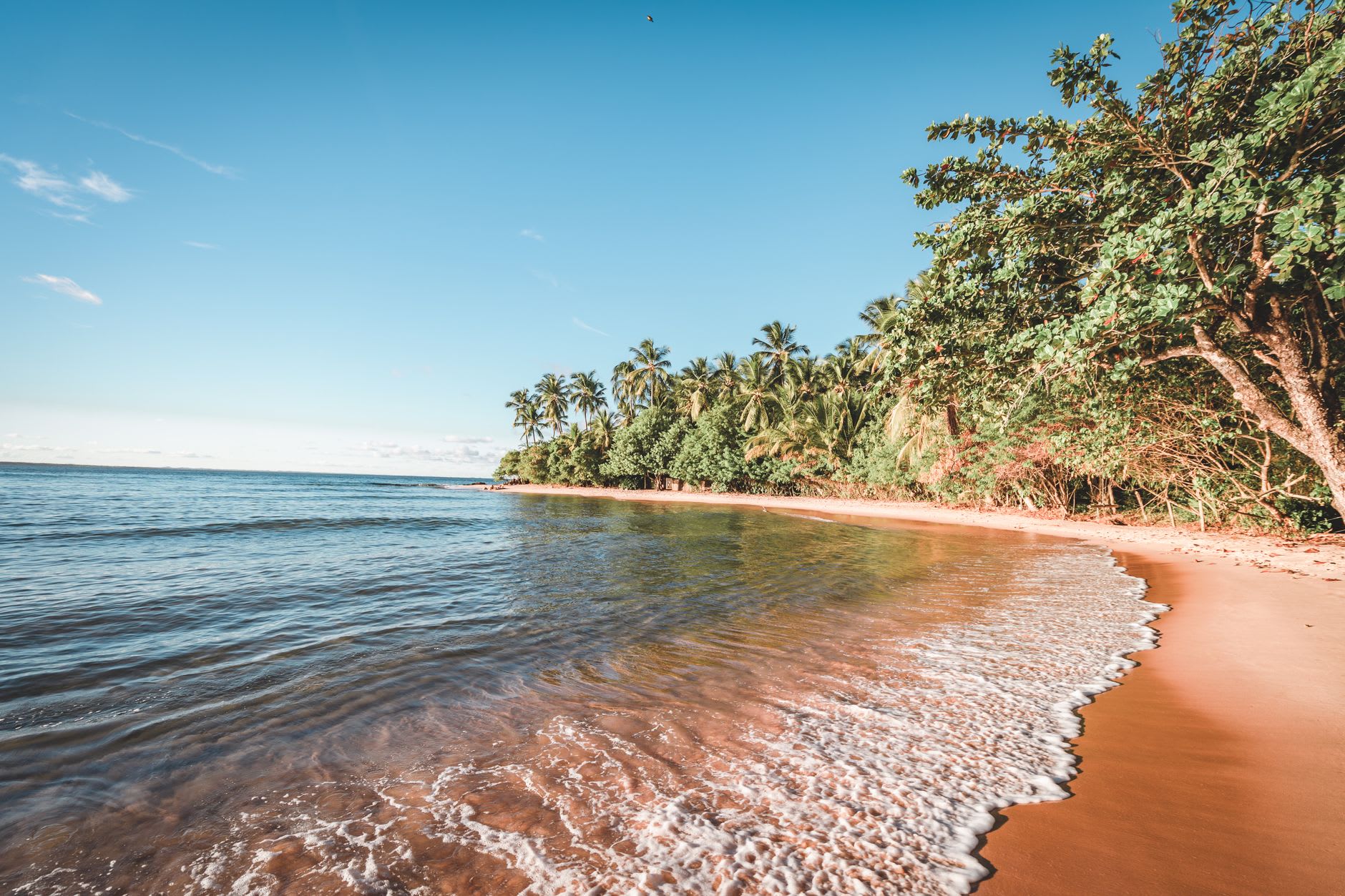
Île du Diable sits just offshore from Saint-Joseph, visible but inaccessible — the currents between the islands are too strong for landing. The rock where Dreyfus’s hut once stood is still there, a small promontory catching the Atlantic wind. You can see it clearly enough to understand what isolation meant: an island off an island off a coast that itself feels like the edge of the world. The afternoon light on the water between the islands is very beautiful. The beauty is the hardest part to make sense of.
When to go: The dry seasons — February to March and July to November — offer calmer crossing conditions from Kourou. The boat runs most mornings year-round but can be cancelled in heavy Atlantic swells. Overnight stays on Île Royale are possible and recommended — the islands at dawn, before the day-trip crowds arrive, are a different experience.