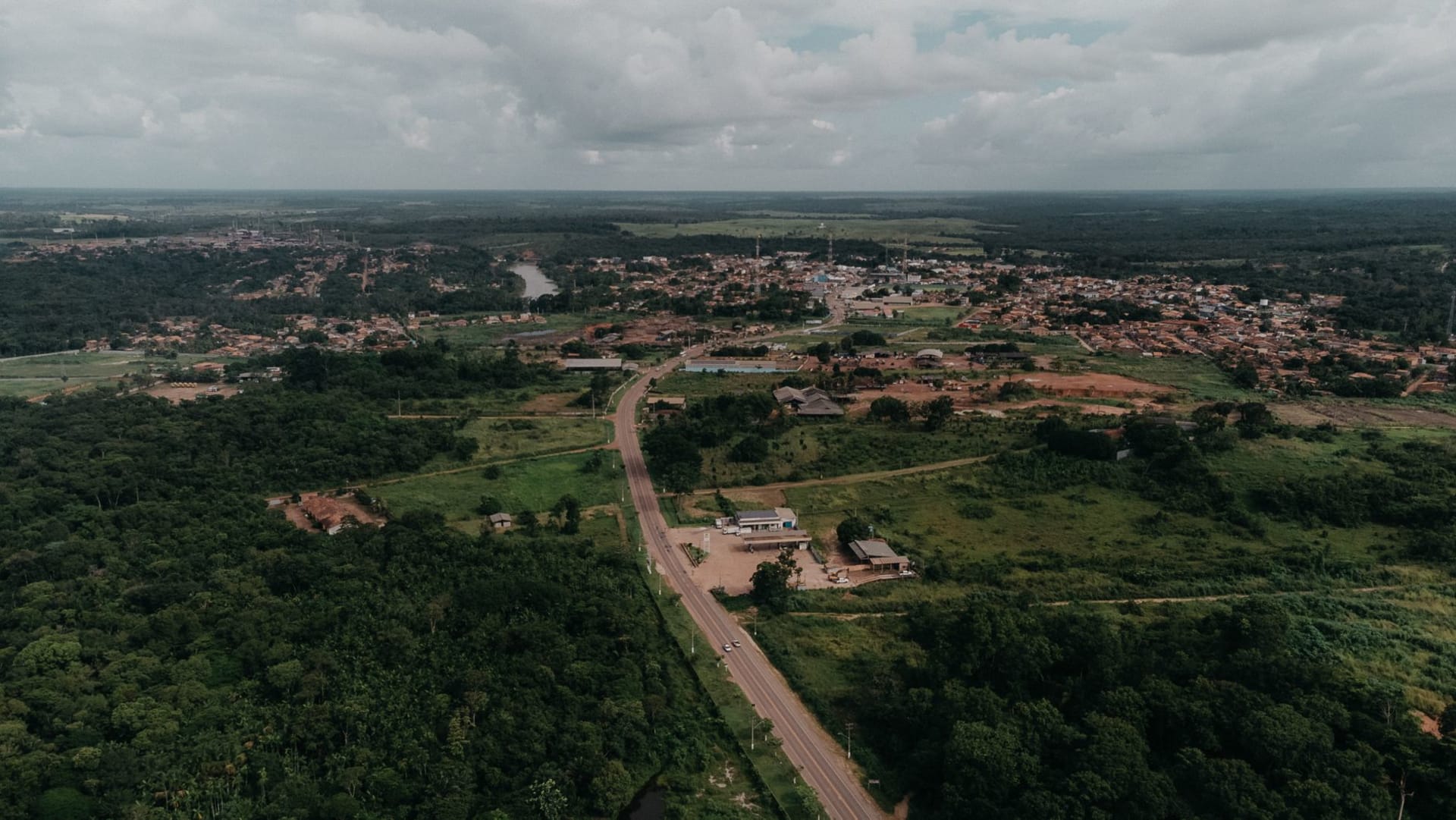
Awala-Yalimapo
"She weighed six hundred kilos and had been making this journey since before France claimed this coast. I felt appropriately small."
The guide told us not to use white light, and so we walked the beach at Plage des Hattes in near-total darkness with the Atlantic surf a pale presence to our left and the vegetation a dark wall to our right, following his voice rather than any visible path. It was just after midnight. The air was warm and smelled of salt and something organic I couldn’t identify — the beach itself, maybe, old and mineral and salt-saturated. We had been walking for perhaps twenty minutes when he stopped and said, quietly, there — and there she was.
The leatherback sea turtle was enormous in the way that only things from the deep ocean are enormous: not just large but structurally improbable, too much mass for the element she was navigating. She had hauled herself above the tide line and was digging with her rear flippers in a motion that was methodical and somehow exhausted-looking, though I was told she had been doing this same thing since before any human memory of this coast. Leatherbacks are the largest living sea turtles and among the oldest unchanged species on the planet — their lineage predates the Andes, predates the Amazon in its current form. Plage des Hattes is one of the most significant nesting sites in the world. Between April and July, hundreds of females come ashore here in a nesting run managed by the Kali’na community of Awala-Yalimapo.
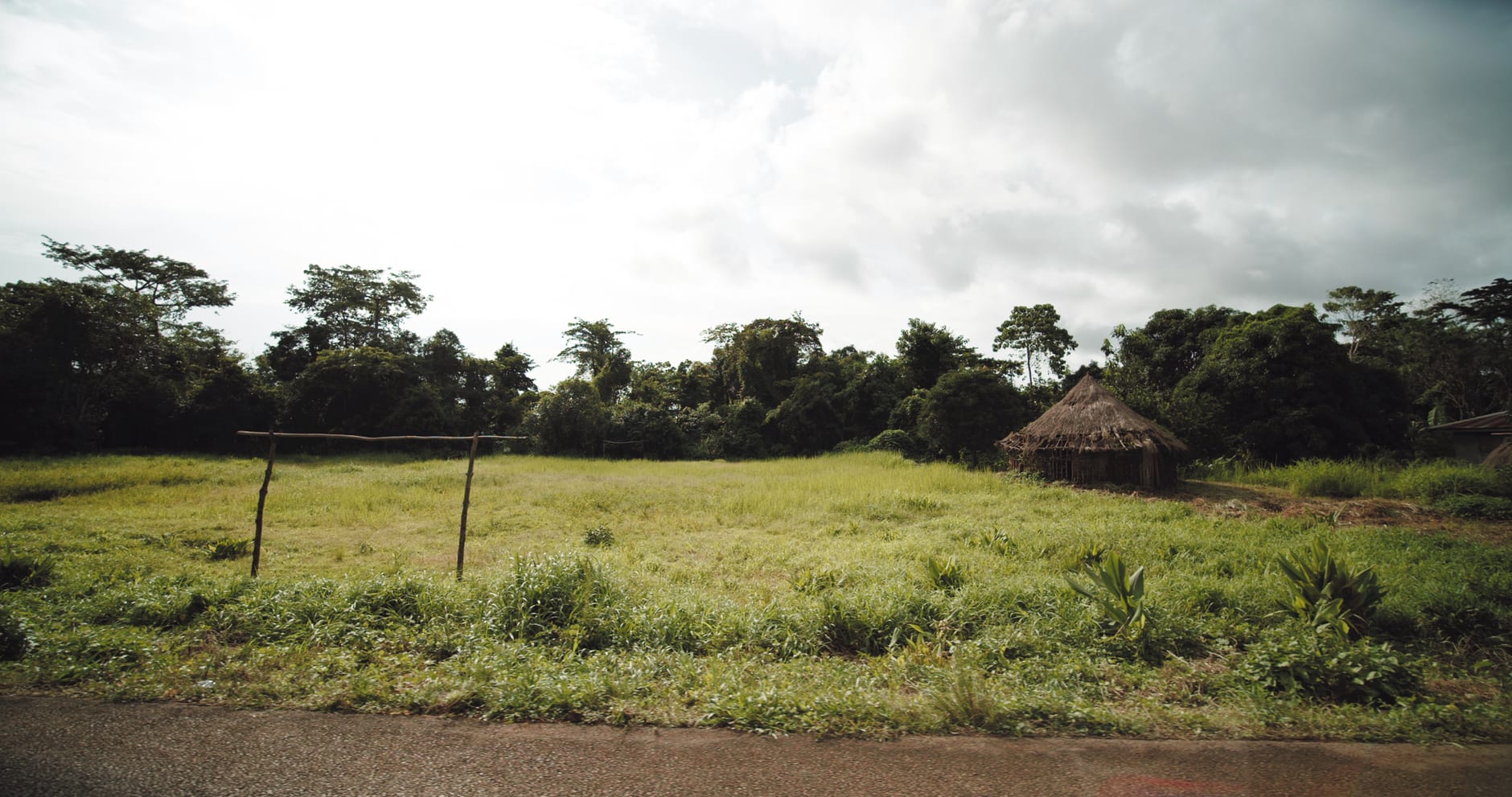
The Kali’na are one of the indigenous Amerindian peoples of the coast — Carib-speaking, with a presence on this shoreline that predates colonial contact by thousands of years. The village of Awala-Yalimapo is small, perhaps a few hundred inhabitants, and the turtle nesting tourism they manage is careful: no white lights, no photography with flash, groups limited in size, guides trained by the community. The profits from the entrance fees stay in the village. I arrived at the nature house at dusk and sat with the guide while he explained the protocol, and he spoke about the turtles with a matter-of-fact protectiveness that was different from conservation-talk — more like a landlord discussing long-term tenants.
During the day, before the midnight vigil, I walked the village and the edges of the mangrove forest behind the beach. The light here is different from the interior — coastal-flat, bleaching, reflecting off the pale Atlantic sand. The mangroves smell of brackish earth. Small children followed me for a while, not asking for anything, apparently just maintaining surveillance. I ate smoked fish at the community restaurant with tamarind juice so tart it made my eyes water, sitting under a thatch roof with two French ornithologists who had come for the birds and stayed for the turtles.

We watched the turtle for perhaps forty minutes. She finished digging, laid her eggs — a hundred and twelve of them, the guide counted later — covered the nest with rhythmic sweeps of her flippers, and began the return to the water. The whole process was unhurried in a way that seemed almost philosophically pointed: here is an animal that has no interest in speed because speed has never been the relevant variable. She reached the surf, took the first wave over her shell without apparent concern, and was gone. I stood there longer than was necessary.
When to go: The nesting season runs from April to July, with peak activity in May and June. Visits must be booked through the Awala-Yalimapo nature house — evening tours depart around 8pm and midnight excursions are organized when turtles have been sighted. Come from Cayenne or Saint-Laurent in the same day; accommodation in the village is basic but adequate.