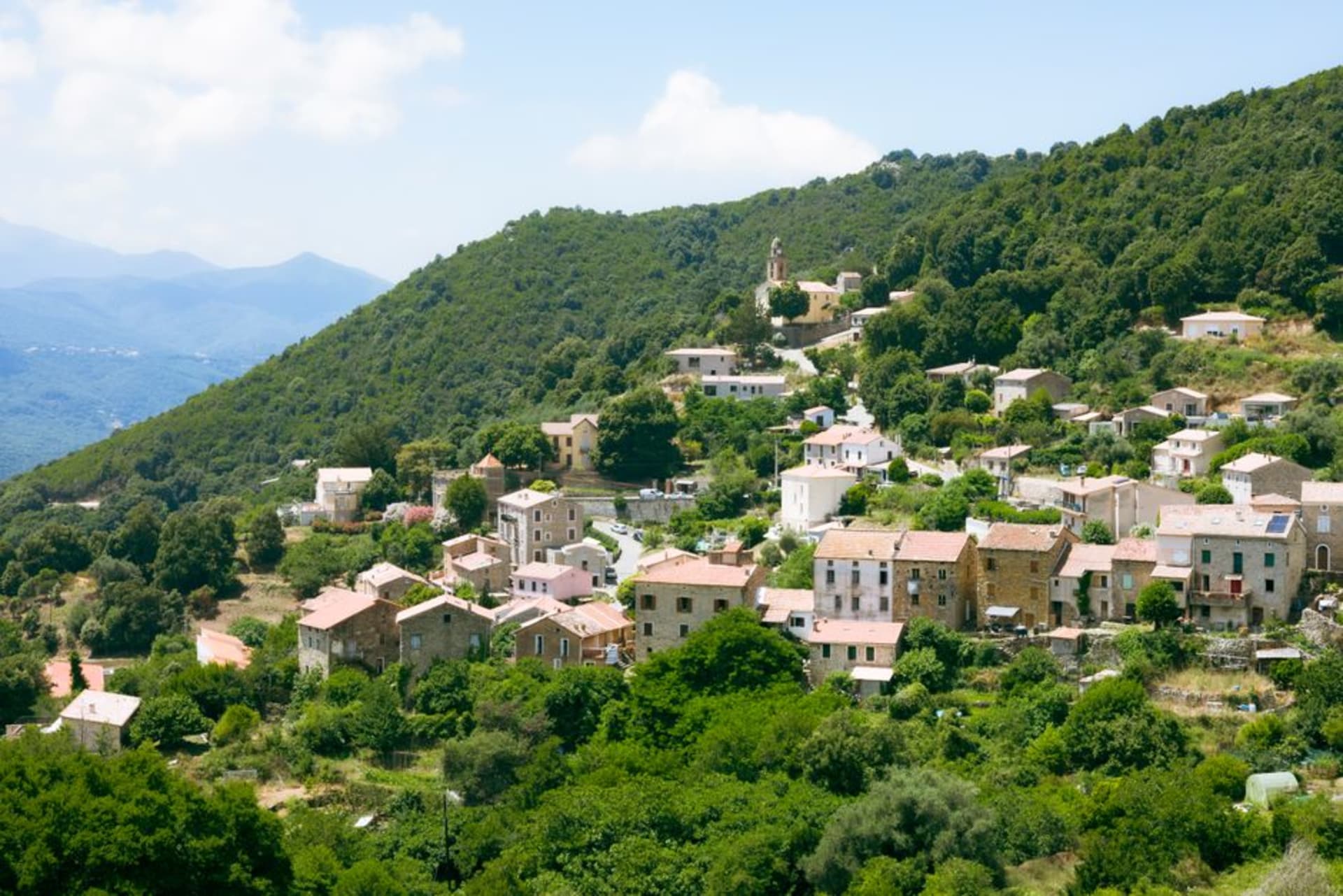
Manosque
"Giono never needed to travel far because he'd already found the whole world in the hill behind his house."
The market town where Jean Giono wrote his entire life without much need to leave, and where I finally understood that a writer doesn't need a dramatic life if he pays close enough attention to an ordinary one.

I came to Manosque for a book, which is a strange reason to visit a town in Haute-Provence but not, it turns out, an unusual one. Jean Giono lived here his entire life, barely left the region even when literary Paris wanted him, and wrote some of the most sensorially alive prose in French literature about a landscape most people would call unremarkable — dry hills, lavender, a river that’s more gravel bed than river most of the year. I’d read Colline on the bus down and arrived half expecting a shrine. What I found instead was a working town that happens to still look like the one he described, which is somehow more moving.
Walking Giono’s town instead of reading about it
The old town of Manosque sits behind two surviving medieval gates, Porte Saunerie and Porte Soubeyran, and you can cross the whole historic center in about the time it takes to lose your bearings once. I did the self-guided Giono walk with a paper map from the tourist office — his childhood home on Rue Grande, the Lycée where his father worked as a cobbler in a workshop below their apartment, and the fountain squares where he set entire scenes. None of it is dressed up for visitors. Laundry still hangs over some of the same streets. Lia, who hadn’t read a word of Giono before we arrived, kept stopping to photograph doorways and shutters that meant nothing to her literarily and everything to her visually, which felt like the correct way to experience the town regardless of homework.

The market that still runs the week
Manosque’s Saturday market spills across several squares and the boulevard that rings the old town where the ramparts used to stand, and it’s a proper Haute-Provence market rather than one curated for tourists — olive oil pressed at the mill outside town, sheep’s cheese from the Plateau de Valensole up the road, and in June and July, buckets of lavender cut from fields you can reach in twenty minutes. We came in early July, right at the edge of the lavender bloom, and every stall smelled faintly of it whether they were selling flowers or not. Manosque works well as a base precisely because it’s a real town first and a lavender-region gateway second — you sleep somewhere with a pharmacy and a proper boulangerie, then drive out to Valensole for the fields at golden hour and come back to dinner that doesn’t cost tourist prices.

When to go: Late June through mid-July for the lavender harvest in the surrounding plateau, though Manosque itself is a pleasant, quiet base almost any month — just avoid August if you want the market to yourself.
Keep exploring
More of Provence
Keep exploring
More from Provence
 france
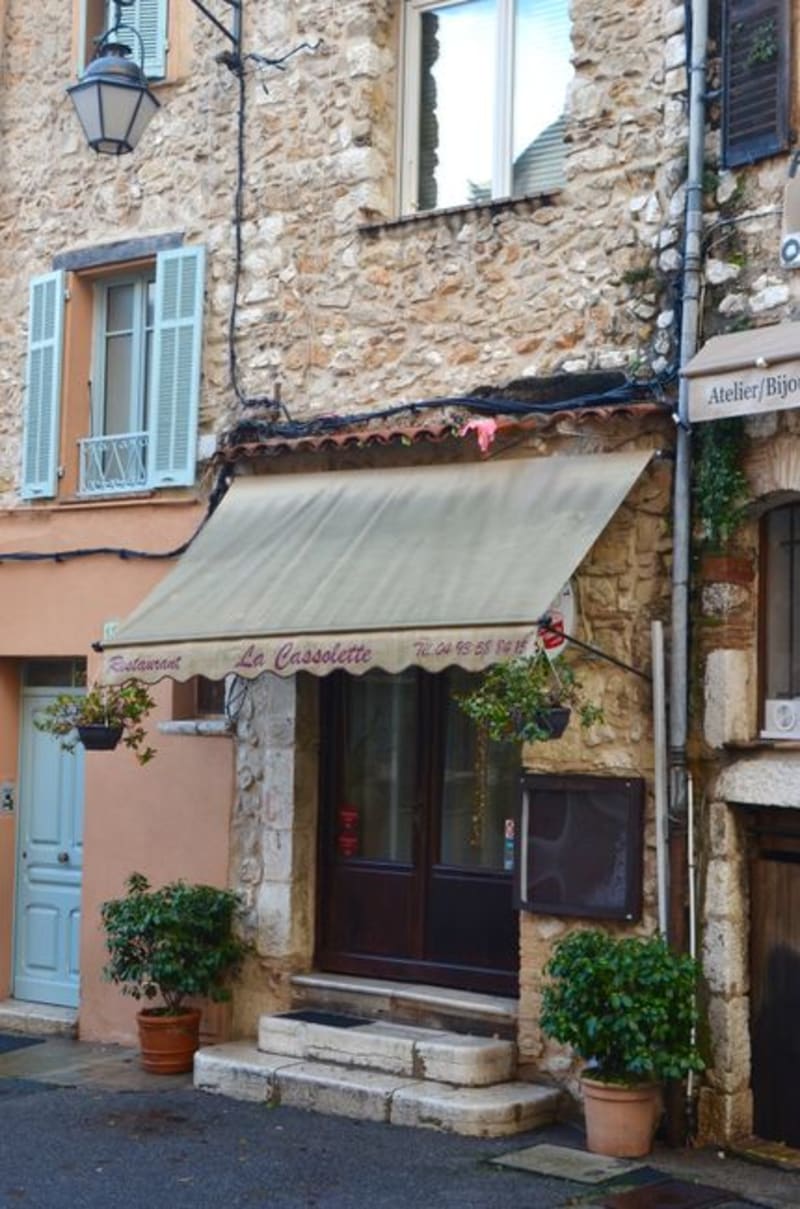
 Forcalquier
A hilltop town that calls itself the capital of Haute-Provence with a completely straight face, and after one Monday market I stopped arguing with it.
Explore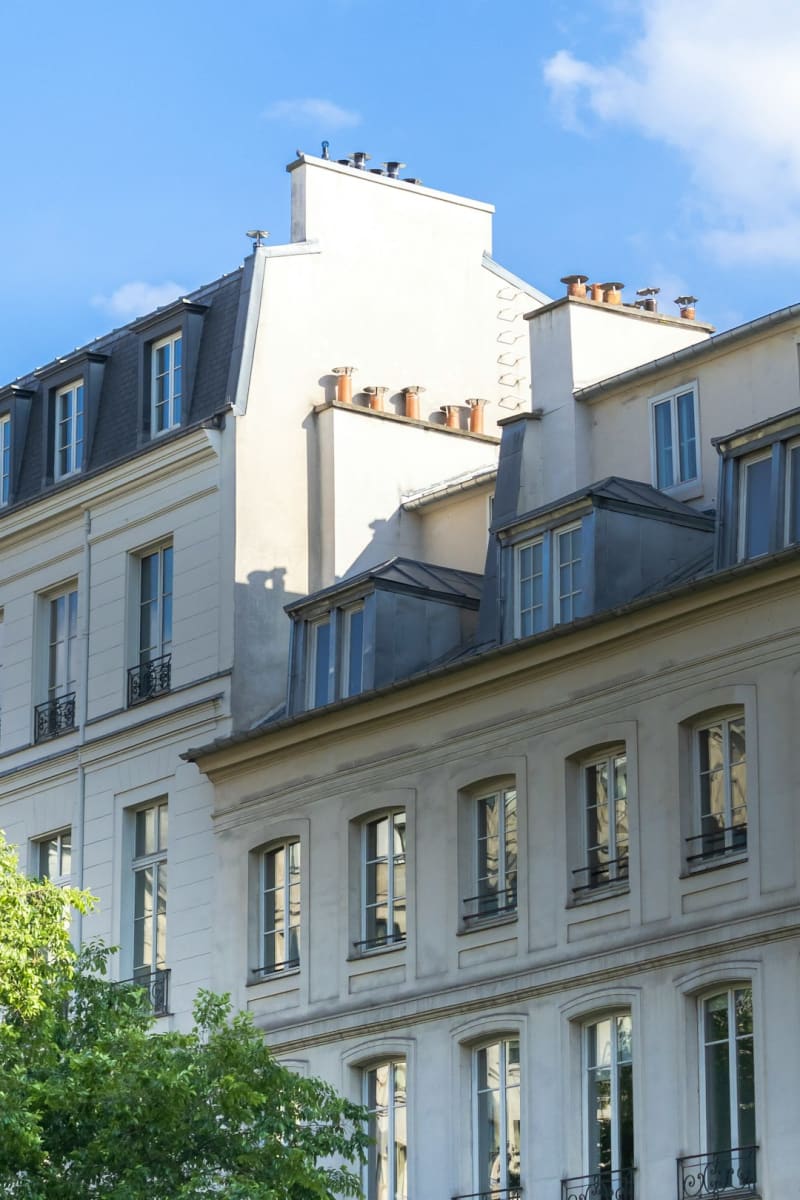 france
 Buoux
A hamlet so small the fort above it outnumbers the houses, perched over a valley that turned out to be one of the best climbing spots in France and one of the quietest walks I've done in the Luberon.
Explore france
 Sault
A windswept plateau town where the lavender fields run right up to the edge of Mont Ventoux, and the nougat shops smell like honey from the street before you've even found the door.
Explore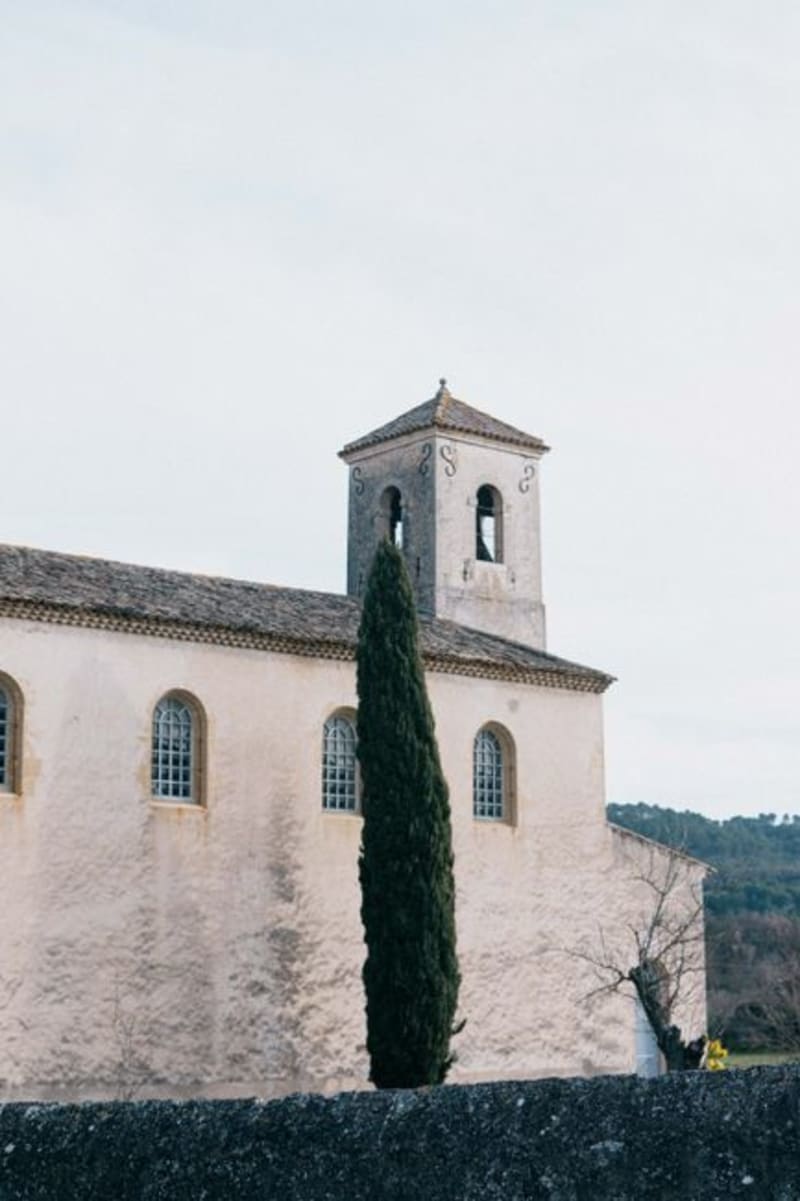 france
 Lourmarin
The Luberon village where Camus is buried under a plain stone slab a short walk from where he lived, which felt like the most Camus possible way to be remembered.
Explore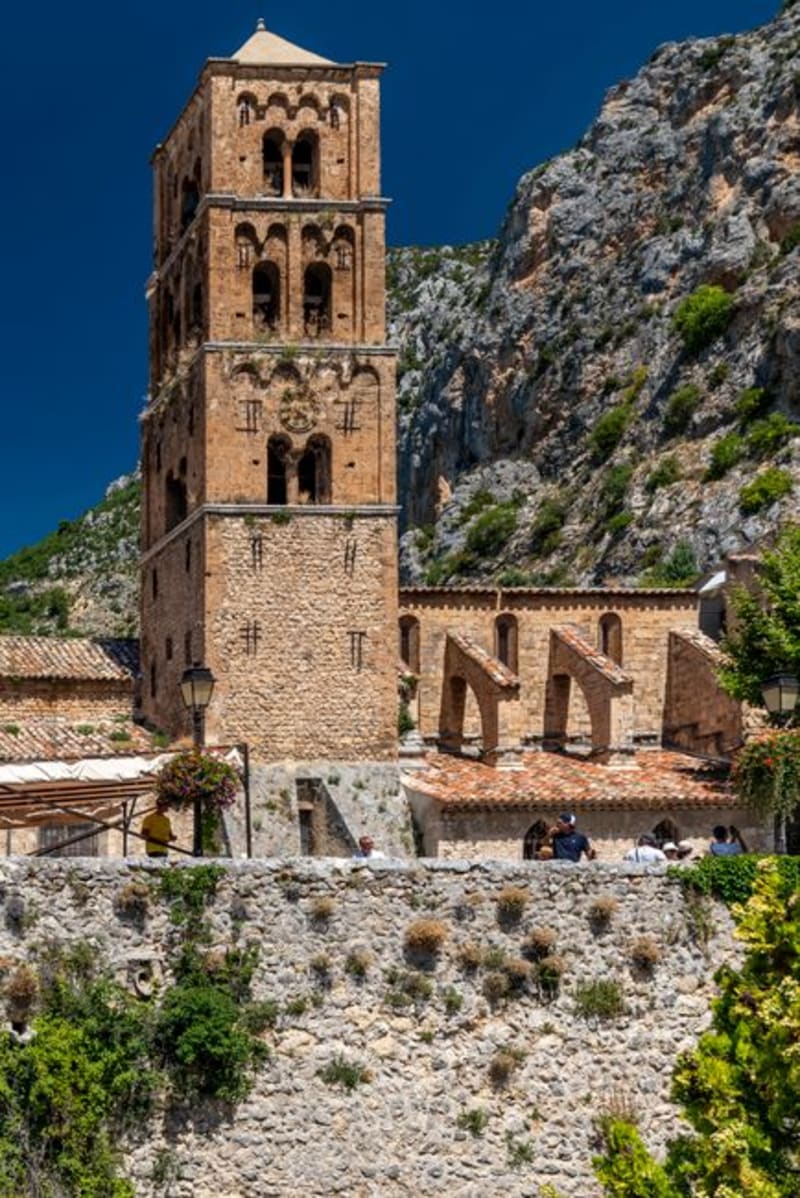 france
 Moustiers-Sainte-Marie
A village wedged into a limestone gorge with a star suspended on a chain between two cliffs above it, famous for centuries for the painted pottery still fired in its workshops.
Explore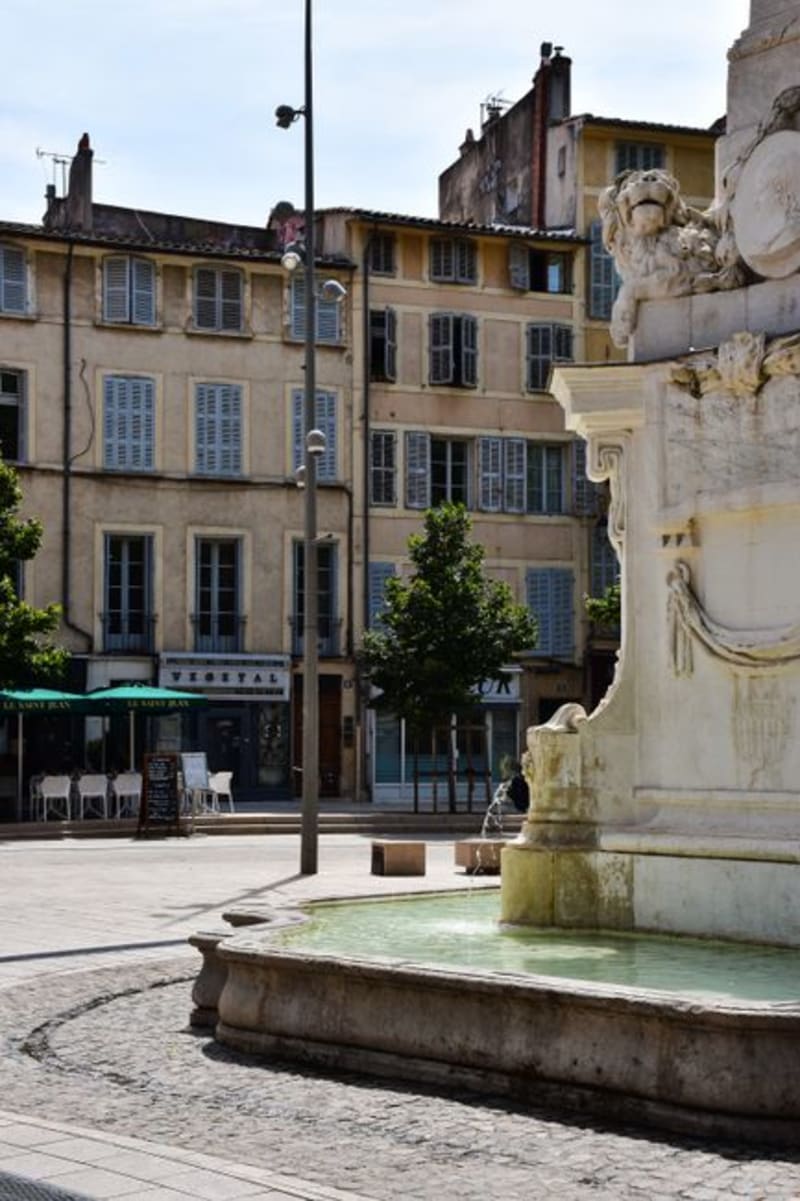 france
 Aix-en-Provence
A honey-stone university town built around a mile of plane trees and fountains, where Cézanne painted the same mountain a hundred times and the market still opens at dawn.
Explore