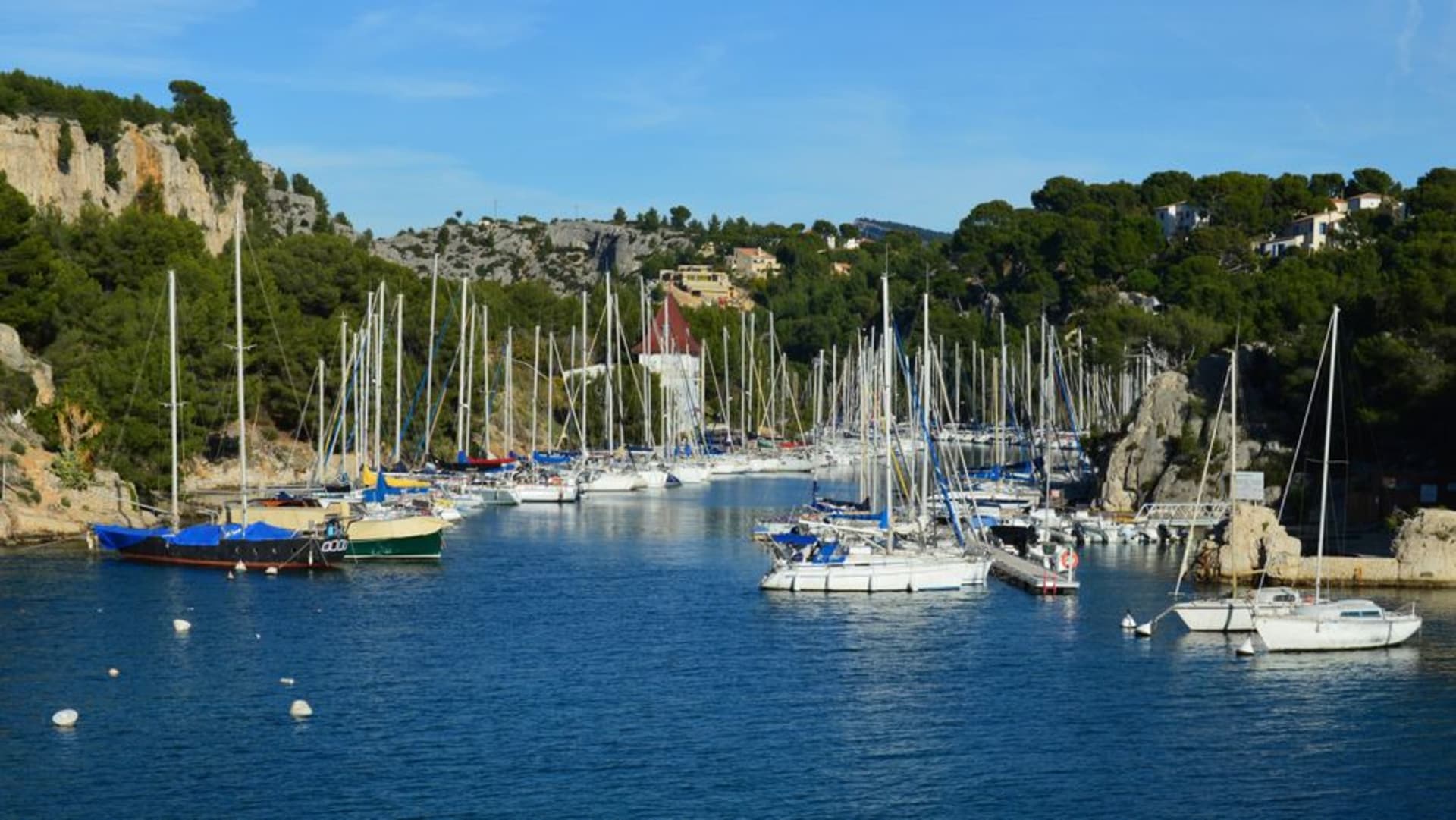
A fishing port squeezed between vineyards and the white limestone calanques, close enough to Marseille to visit for lunch and easy enough to fall for that we stayed a week.

Cassis is twenty-five minutes from Marseille and feels like a different country. We came off the Route des Crêtes — the coastal road that climbs the sea cliffs above Cap Canaille, the highest maritime cliff in France, with drops that had Lia gripping the door handle the whole way — and dropped down into a harbour so improbably pretty, all pastel façades and fishing boats bobbing against a wall of white rock, that we cancelled our onward plans within the hour. This is becoming a pattern with us in this region.
The calanques, best seen from the water
The calanques — narrow limestone fjords cut into the coastline between Cassis and Marseille — are the reason people detour here, and the boat trip out of the harbour is worth the mild seasickness. We took a ninety-minute tour past Port-Miou, En-Vau, and Port-Pin, turquoise water pinched between vertical white cliffs, sailboats anchored in inlets barely wide enough to turn around in. You can also hike in — the trail to Calanque d’En-Vau is a hot, unshaded scramble that rewards you with a small beach so blue it looks retouched — but the boat gets you further with a lot less sweat.

Vineyards that grow on a cliff edge
What surprised us was the wine. Cassis has its own small AOC, one of the oldest in France, and the vines grow on terraced slopes wedged between the town and the cliffs, mostly producing a crisp white that the whole town seems to drink at every meal regardless of what’s on the plate. We spent an evening at a cave just outside town tasting through a flight with the owner, who talked about limestone soil with the intensity most people reserve for their children, then bought three bottles we had no reasonable way of getting home intact.

When to go: June or September, when the calanques water is warm enough to swim in but the summer boat queues from Marseille haven’t formed. Avoid August entirely unless you enjoy standing in line for a boat ticket in 35-degree heat.
Keep exploring
More of Provence
Keep exploring
More from Provence
 france
 Marseille
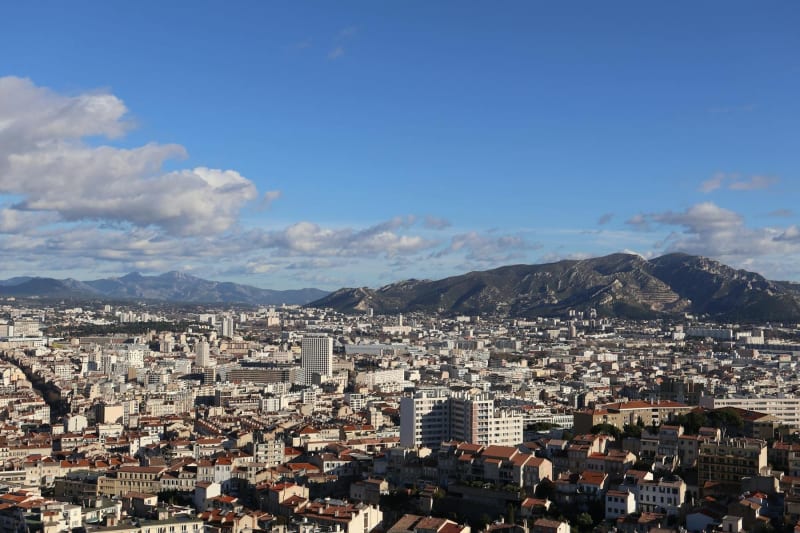
France's oldest city is also its most raw: a Mediterranean port of immigrant history, bouillabaisse, street art, and a blue that stings the eyes.
Explore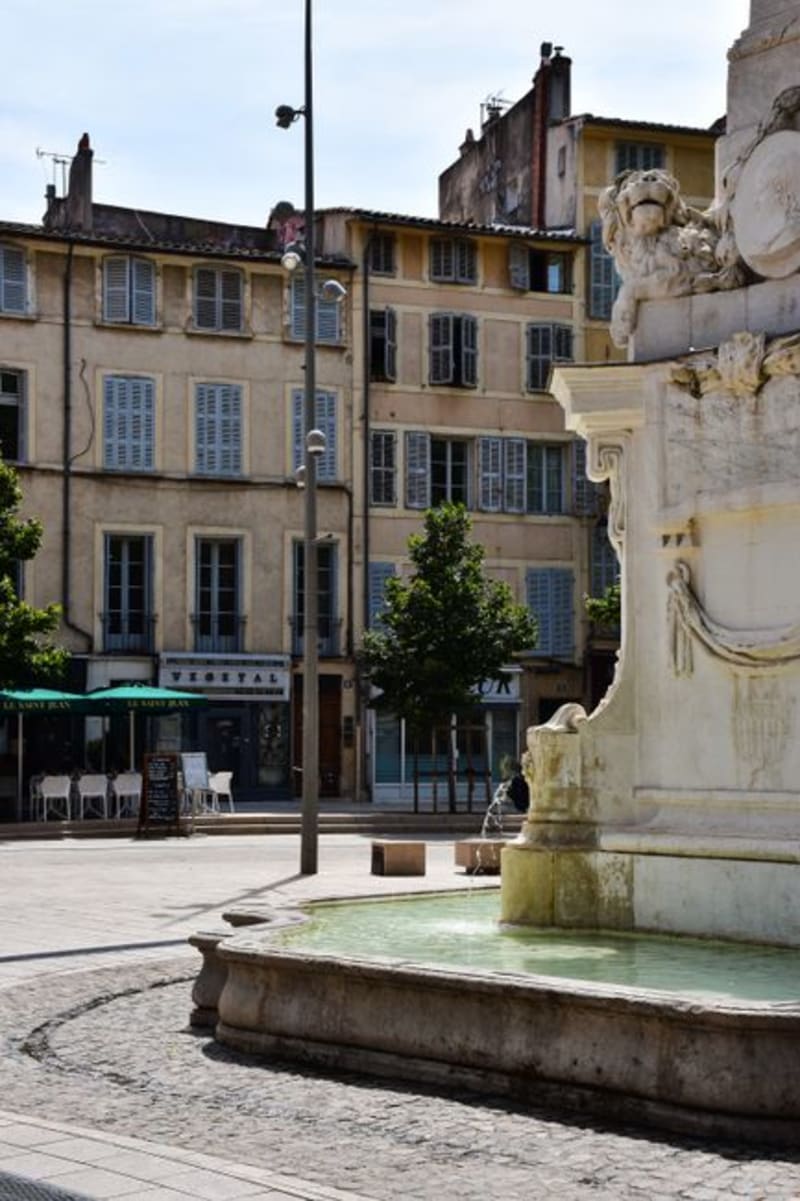 france
 Aix-en-Provence
A honey-stone university town built around a mile of plane trees and fountains, where Cézanne painted the same mountain a hundred times and the market still opens at dawn.
Explore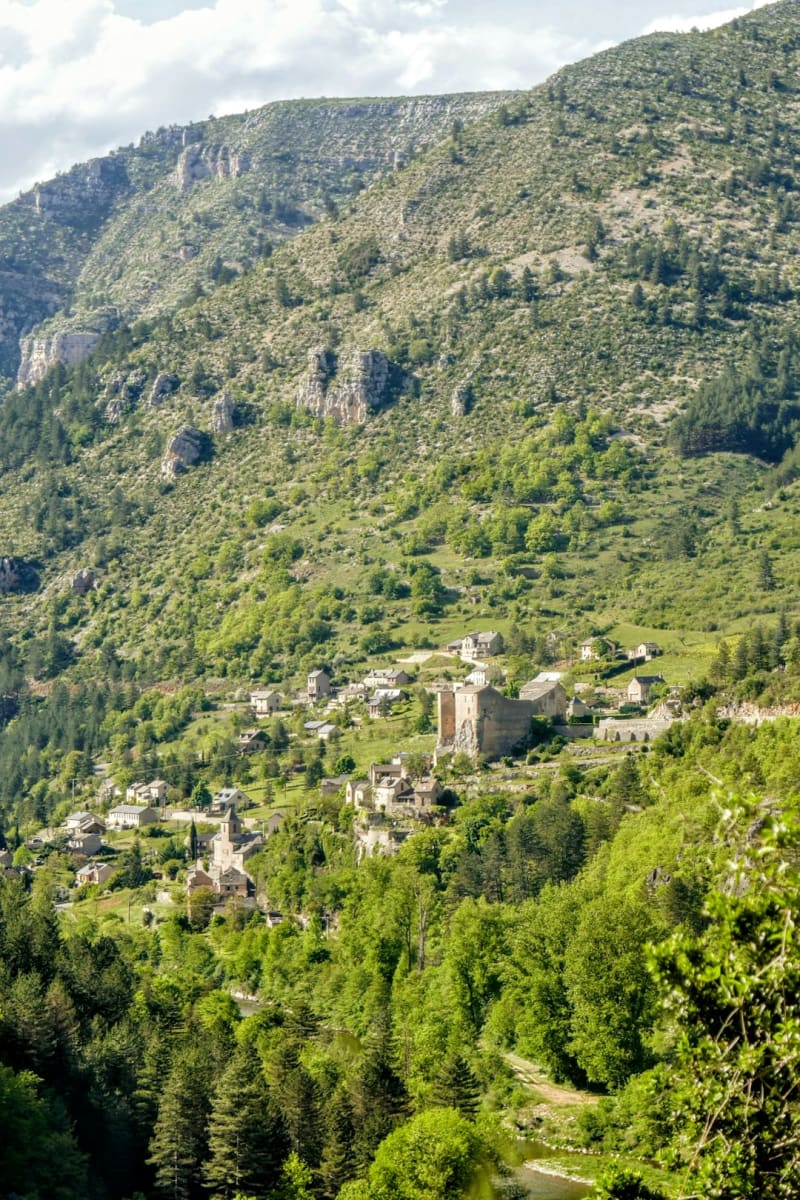 france
 La Roque-d'Anthéron
A Durance valley village where a 12th-century Cistercian abbey turns into a piano festival every summer, and where I heard a nocturne played in a room built for silence and prayer, not applause.
Explore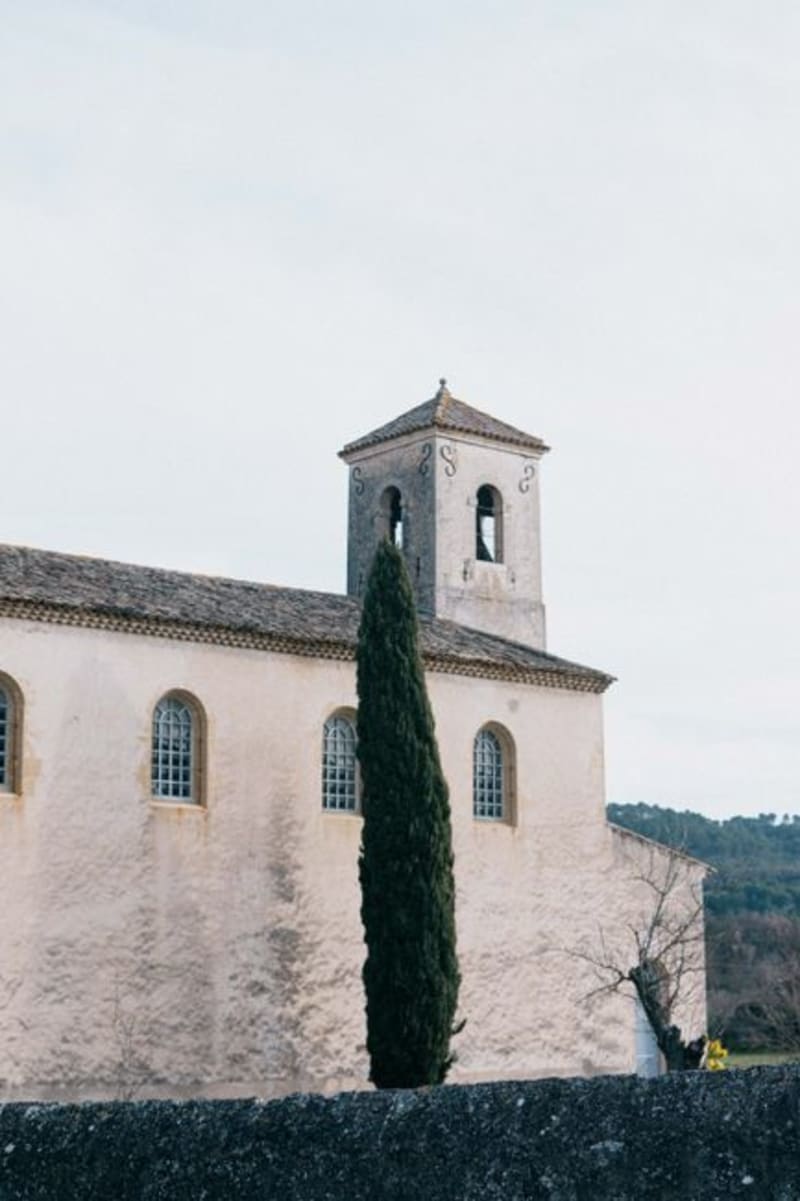 france
 Lourmarin
The Luberon village where Camus is buried under a plain stone slab a short walk from where he lived, which felt like the most Camus possible way to be remembered.
Explore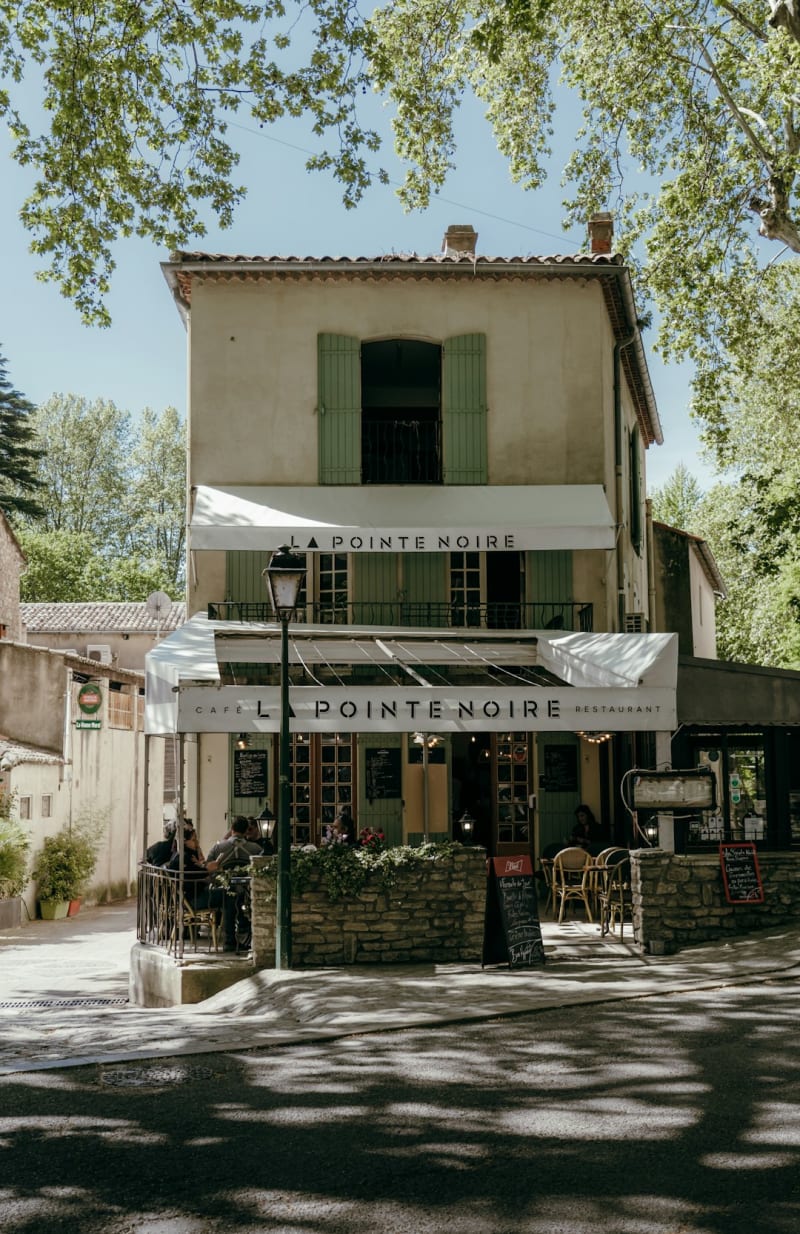 france
 Salon-de-Provence
The town where Nostradamus wrote his prophecies and is now buried under a church floor, where soap has been boiled from olive oil for centuries, and where fighter jets scream overhead on training days from the airbase next door.
Explore france
 Buoux
A hamlet so small the fort above it outnumbers the houses, perched over a valley that turned out to be one of the best climbing spots in France and one of the quietest walks I've done in the Luberon.
Explore