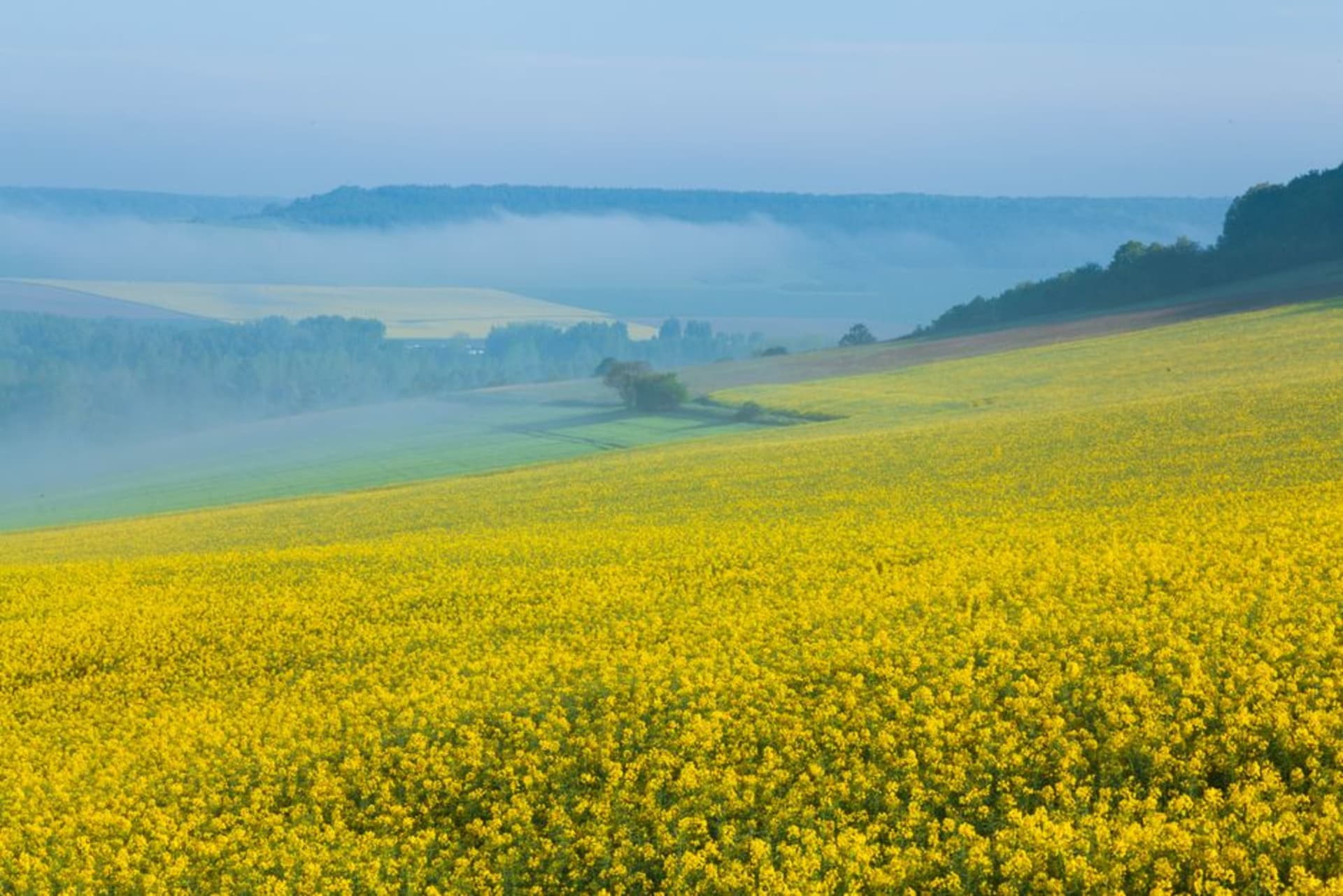
Vernon
"Everyone stops in Vernon to catch the shuttle bus to Giverny. Almost nobody stays long enough to look at the river."
The unglamorous riverside town everyone drives through on the way to Giverny, where a ruined medieval bridge and a half-timbered old quarter made me wish we'd stopped on purpose instead.

Vernon exists in most people’s itineraries as a comma, not a sentence: the train station where you get off before the shuttle bus or the bike ride out to Monet’s gardens at Giverny, four kilometers upriver. We did that too, the first time. It was only on a second trip, deliberately staying the night in Vernon itself instead of pushing straight on, that I realized the town on the Seine deserved more than a platform and a bus stop.
The bridge that’s been broken since the war
The single image that sold me on Vernon is the Vieux-Moulin, a row of stone bridge piers standing out in the middle of the Seine, several of them still capped with the remains of a half-timbered watermill house that looks like it’s simply floating on the water. The bridge dates back to the medieval period and was rebuilt multiple times over the centuries, but the version we see today is essentially a ruin left in place: German forces partially destroyed it in June 1940, and Allied bombing damaged it further in 1944 during the push to liberate Normandy, and rather than fully rebuild the crossing, the town chose to leave the broken piers and the timber mill house standing as they are, a monument by omission. Monet himself painted this same bridge and mill repeatedly in the 1880s, well before either war touched it, and it’s strange to stand on the modern bridge just downstream and recognize his brushstrokes in the actual stone.

Getting lost in the half-timbered quarter
Vernon’s old town, tucked behind the riverfront around the Collégiale Notre-Dame, is a genuine surprise if you’ve only ever passed through on the Giverny shuttle: narrow lanes lined with leaning half-timbered houses, some dating to the 16th century, their upper floors jutting out over the pavement in that lopsided, slightly drunk way Norman half-timbering always seems to settle into after five hundred years. Lia and I wandered it for a couple of hours with no destination, ducked into a boulangerie on the Rue Carnot for what turned out to be an excellent kouign-amann, and ended up at a riverside table watching the late light hit the ruined mill house across the water, the same view painted a hundred and forty years earlier, minus the tourists on bicycles heading for Giverny.

When to go: Late spring through early autumn works best, both for the Seine-side light on the old mill and because it’s peak season for the Giverny bike path — an easy, flat ride you can do straight from Vernon’s own riverfront.
Keep exploring
More of Normandy
Keep exploring
More from Normandy
 france
 Giverny
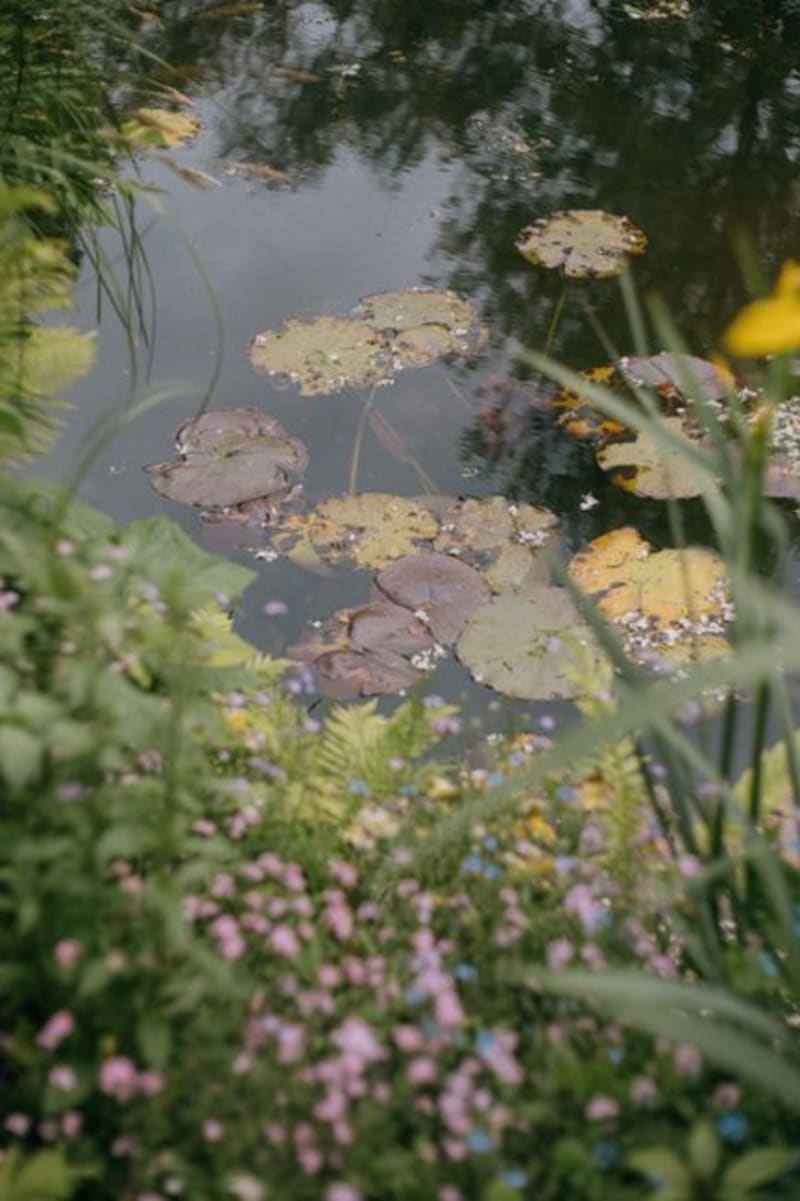
The village where Monet built his own garden to paint, and where the water lily pond still looks so much like the canvases that Lia kept checking the water for brushstrokes.
Explore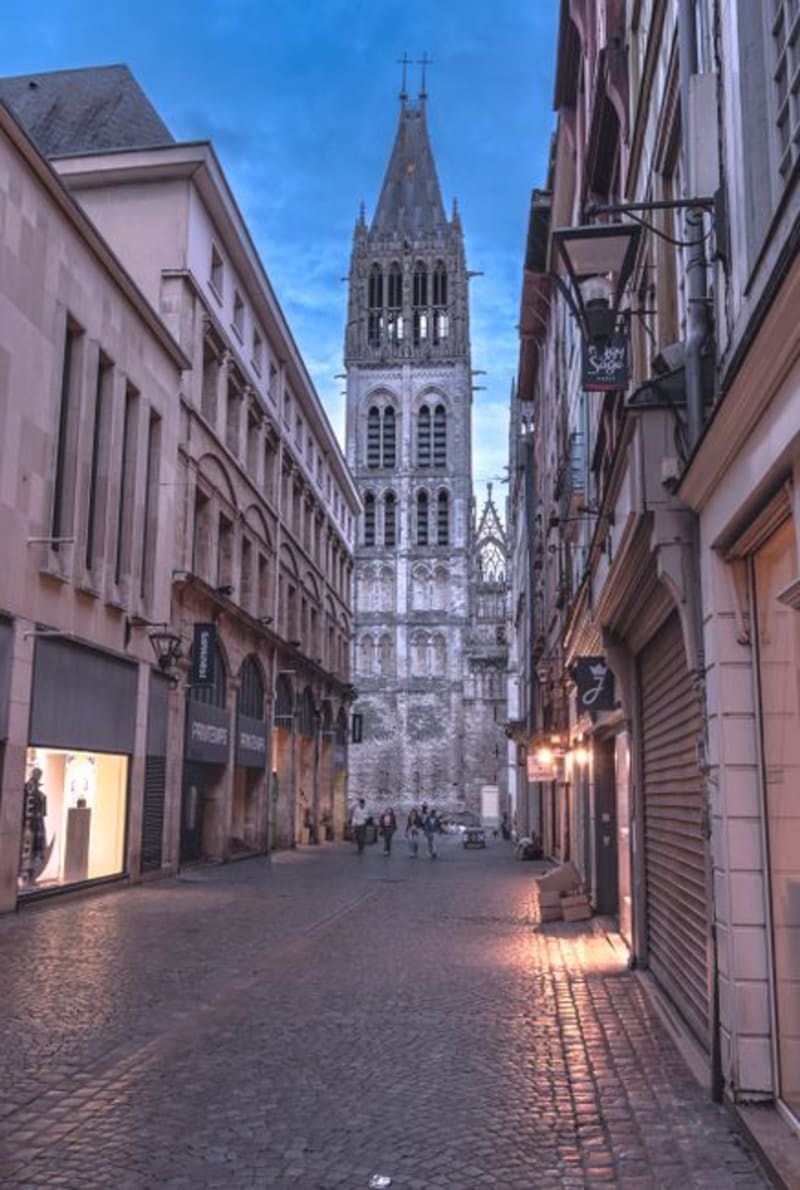 france
 Rouen
A Seine-side city of half-timbered streets and a cathedral spire that was, for a few years, the tallest building in the world, all built over the spot where Joan of Arc was burned.
Explore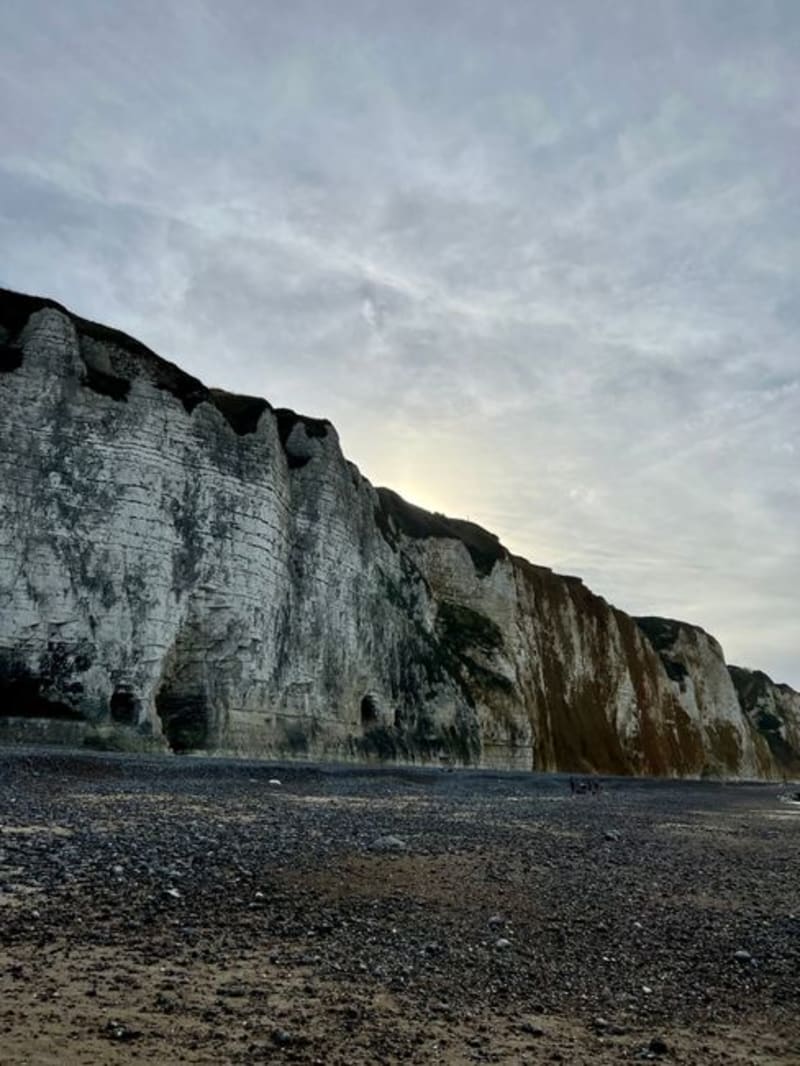 france
 Dieppe
Normandy's oldest seaside resort, a working Channel port, and the scarred site of a 1942 raid that cost more lives in one morning than almost anywhere else on this coast.
Explore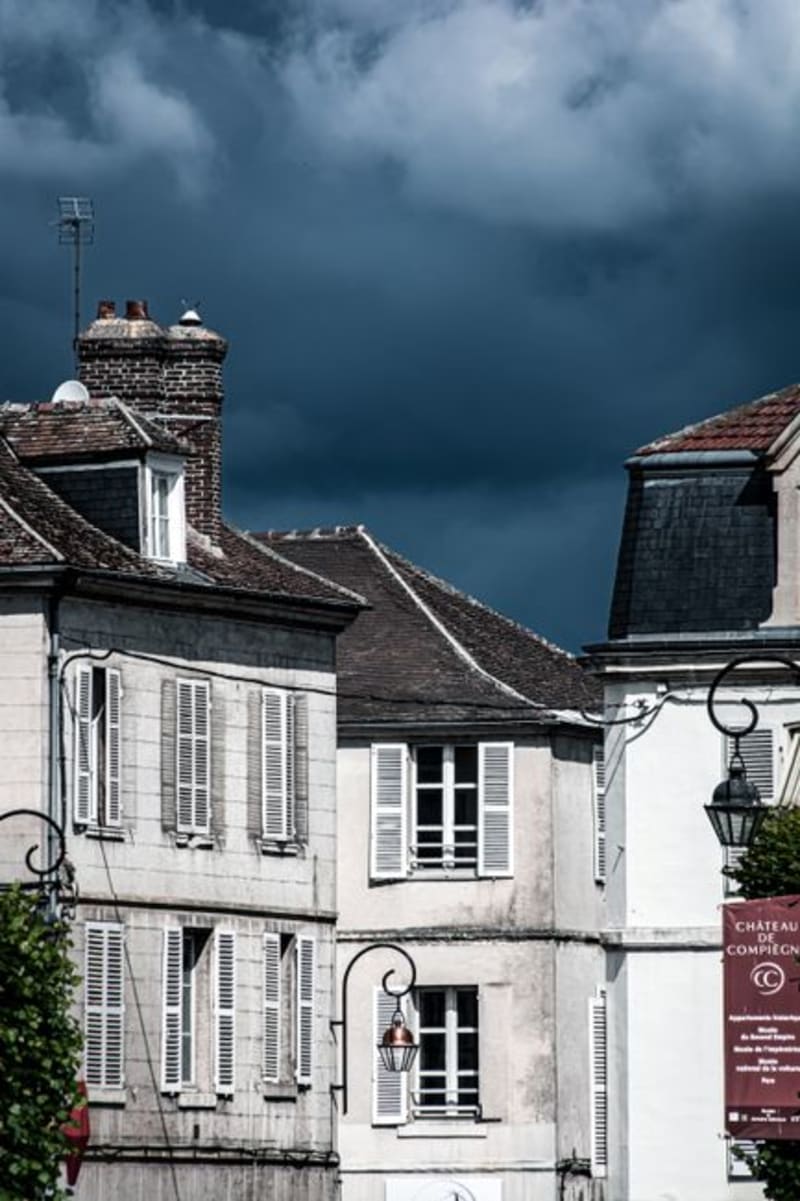 france
 Domfront
A ruined castle above a gorge, a half-timbered old town, and the best glass of pear cider I've had in Normandy — Domfront did more with less fanfare than almost anywhere else we visited.
Explore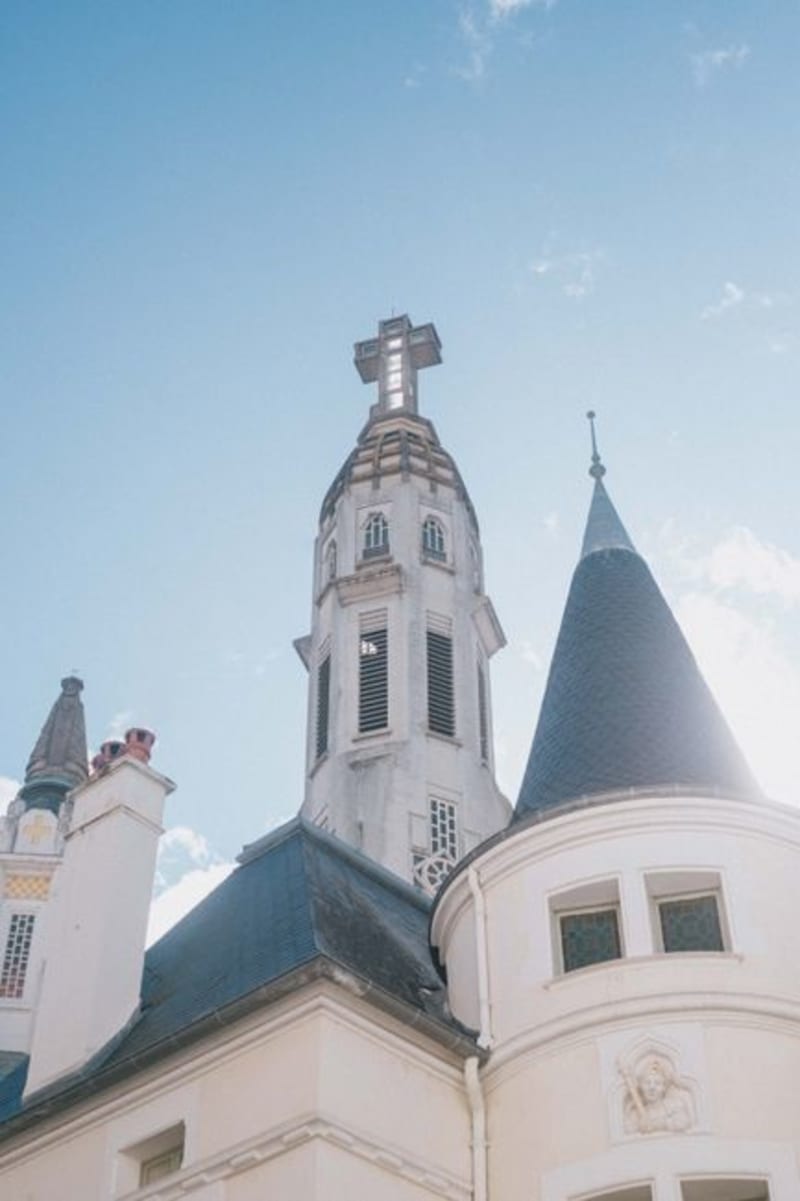 france
 Lisieux
A pilgrimage town built almost entirely around one young nun, sitting at the edge of cheese-and-cider country that made the drive there far more enjoyable than I expected.
Explore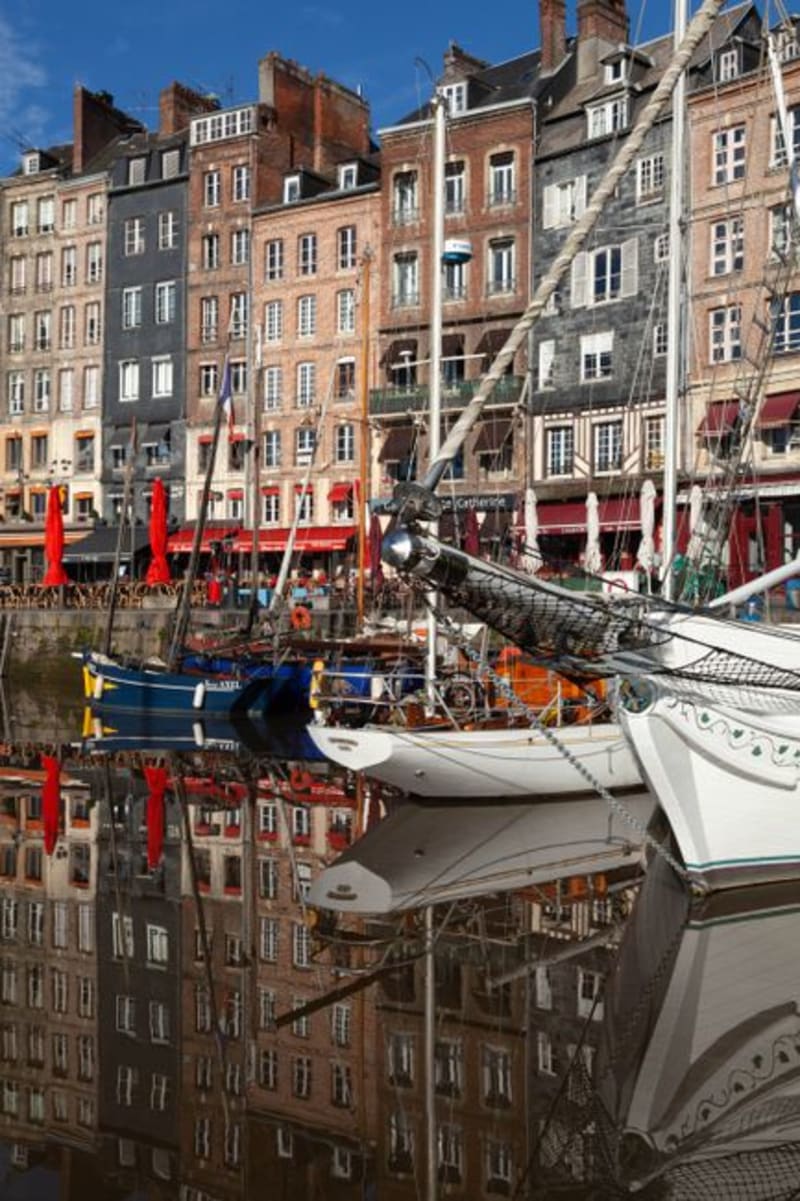 france
 Honfleur
A harbour town at the mouth of the Seine where tall, narrow houses crowd the old dock and every painter who ever visited seems to have painted the exact same view.
Explore