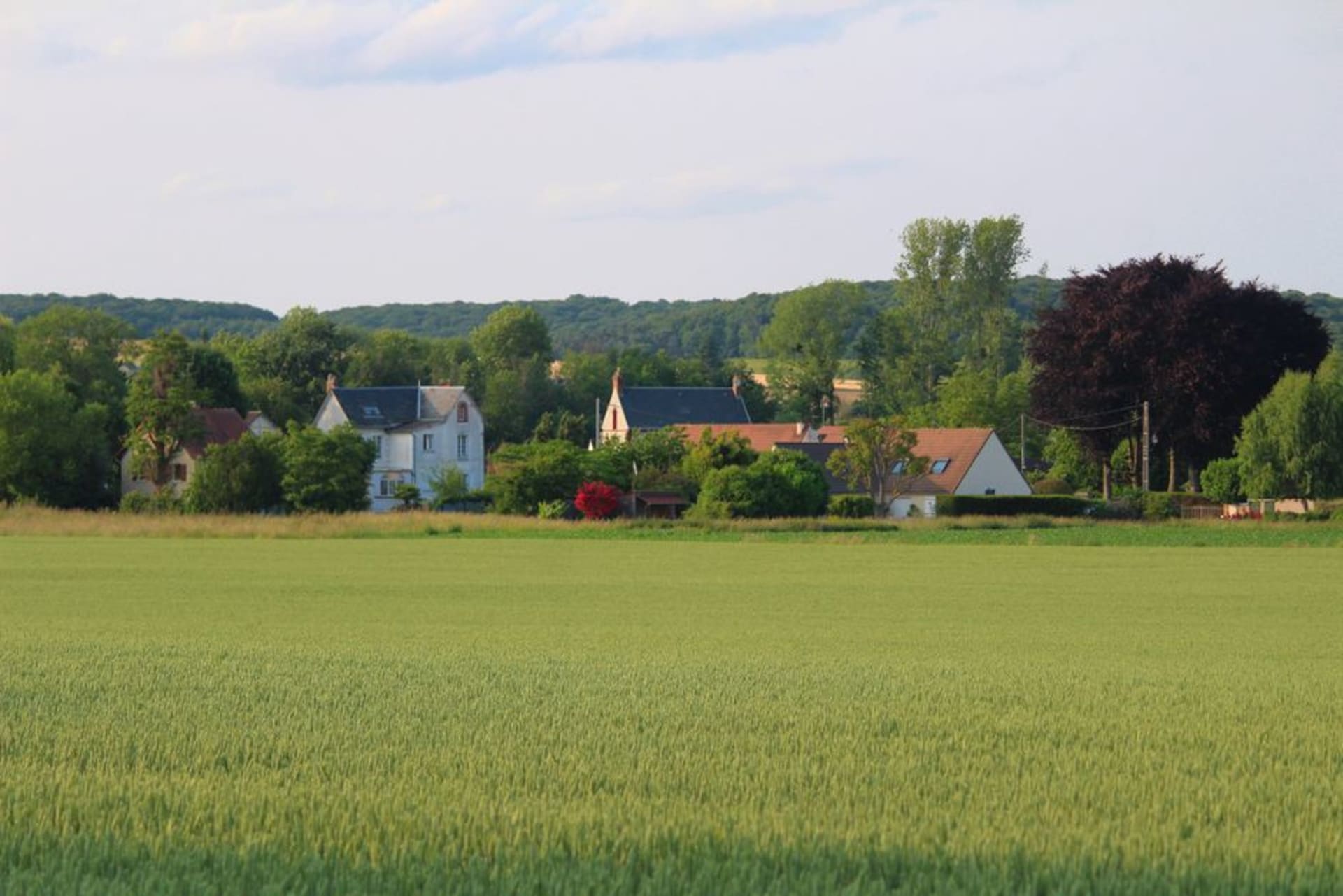
A hilltop cathedral town in the middle of the Cotentin that I drove to on a whim and ended up circling on foot for an hour just to see its twin towers from every angle.

Coutances doesn’t sit on the coast, and it isn’t on the way to anywhere in particular, which is probably why most people driving the Cotentin peninsula skip straight past it toward Barneville-Carteret or the ferry ports. I only stopped because a French friend in Mexico, originally from Cherbourg, told me flatly that I hadn’t seen Normandy Gothic architecture until I’d seen Coutances. She was right, and I felt slightly annoyed at how right she was.
A cathedral built to be seen from every road into town
Coutances sits on a hill, and its cathedral sits on the highest point of that hill, so the two soaring towers of Notre-Dame de Coutances announce themselves from the surrounding farmland long before you reach the town itself. The cathedral was largely rebuilt in the 13th century over an earlier Romanesque structure, and the builders kept some of the older stonework low down while raising an almost impossibly light, vertical Gothic structure above it — a lantern tower at the crossing lets light pour down into the nave in a way that photographs never quite capture. I stood under it for a long time, neck craned back, and a woman polishing a side chapel told me the tower had somehow survived the 1944 bombing that flattened most of the town around it, which only made it feel more improbable.

Gardens laid out by a mayor who loved a formal plan
Below the cathedral, the Jardin des Plantes de Coutances is a proper 19th-century public garden, terraced down the hillside in tight geometric beds, topiary cones, and a belvedere that frames the cathedral towers over clipped hedges — it’s the kind of view a garden designer builds specifically so postcards get sold, and it works. I came in early September when the dahlias were still going strong, wandered down past a small pond and a bandstand, and found a bench with a direct sightline to both towers that I didn’t want to leave. The rest of the old town, rebuilt after the war in a restrained, deliberately harmonious style, is worth a slow walk too — narrow streets radiating downhill from the cathedral square, a few surviving medieval houses on Rue Geoffroy-de-Montbray, and unpretentious cafés where nobody seemed to be selling anything to tourists because there weren’t any.
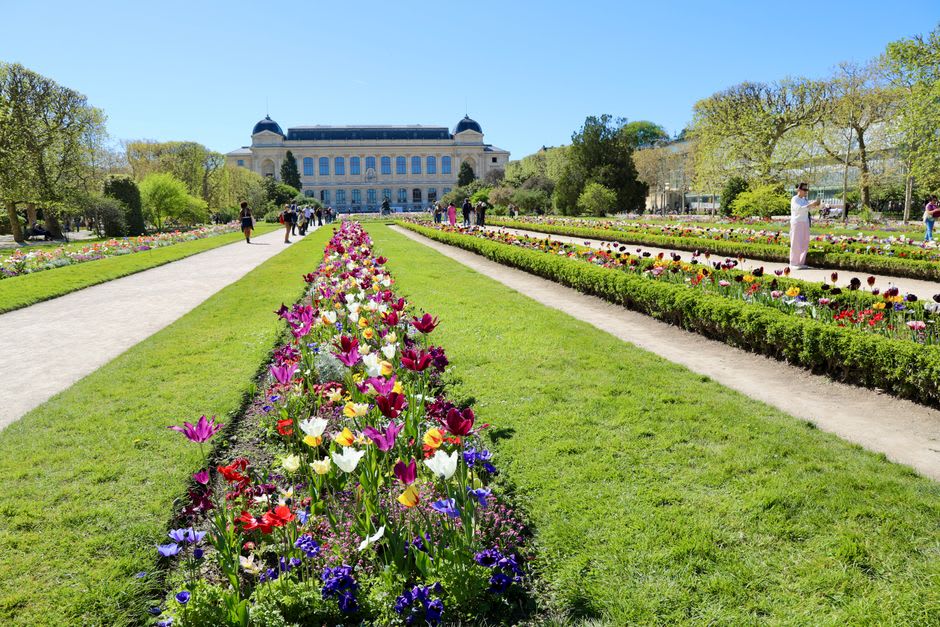
When to go: Late spring through September gives you the gardens in full bloom and good light on the towers; the town is quiet enough that even August doesn’t really crowd it.
Keep exploring
More of Normandy
Keep exploring
More from Normandy
 france
 Granville
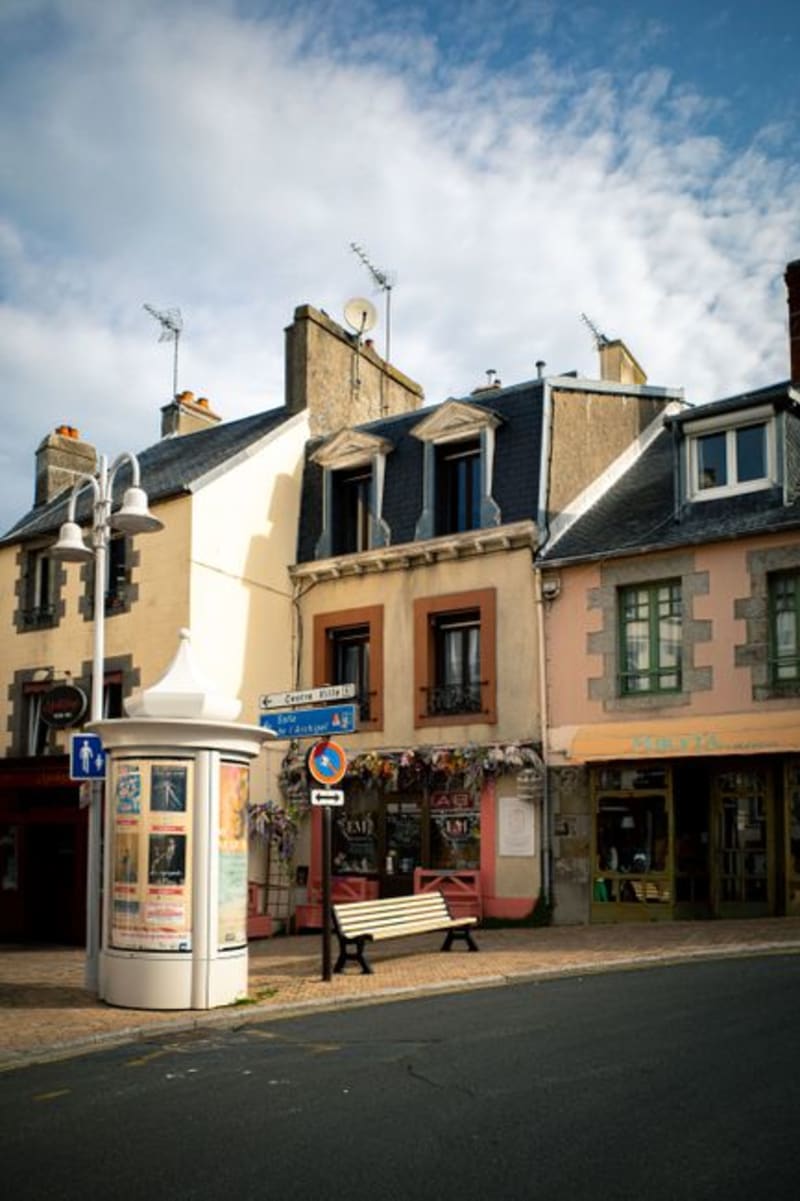
A fortified granite town perched on its own cliff, where Christian Dior grew up looking at the sea before he ever designed a dress, and where the Chausey ferry still leaves every morning like clockwork.
Explore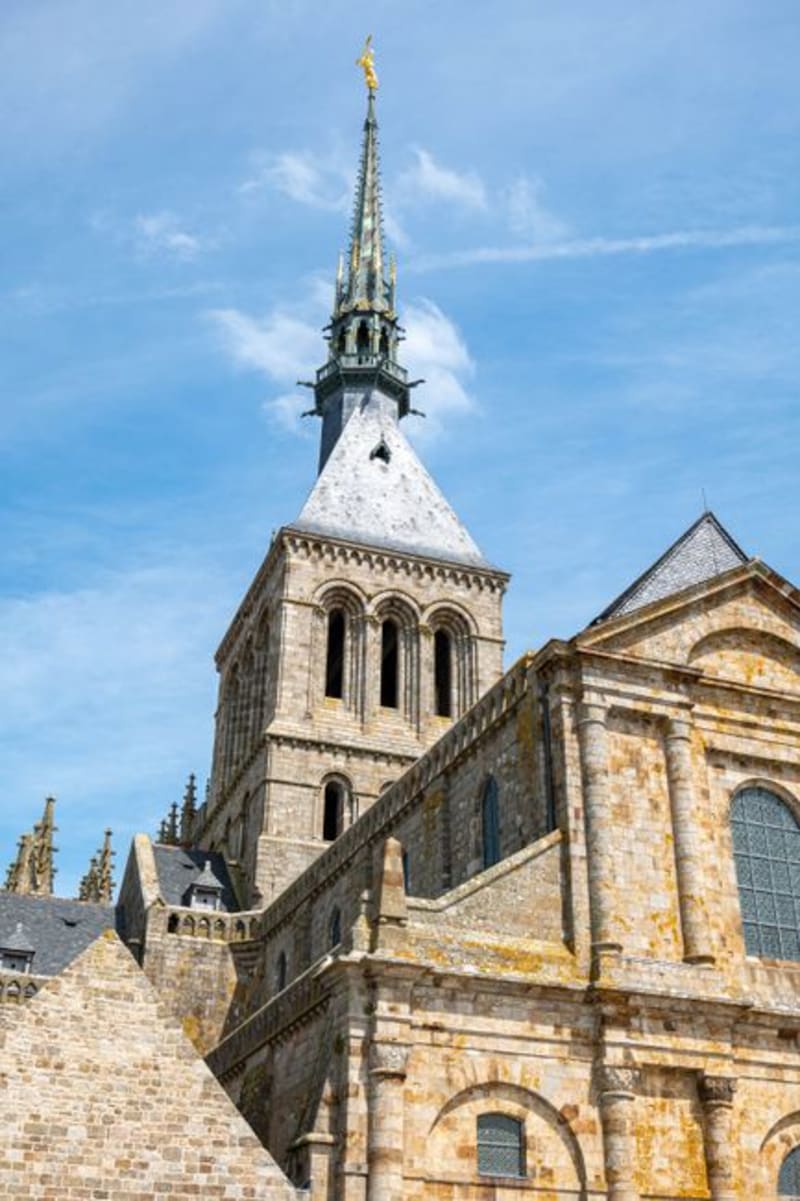 france
 Saint-Lô
The town they called the Capital of the Ruins after 1944, rebuilt almost entirely from scratch, and now home to one of the most respected stud farms in France.
Explore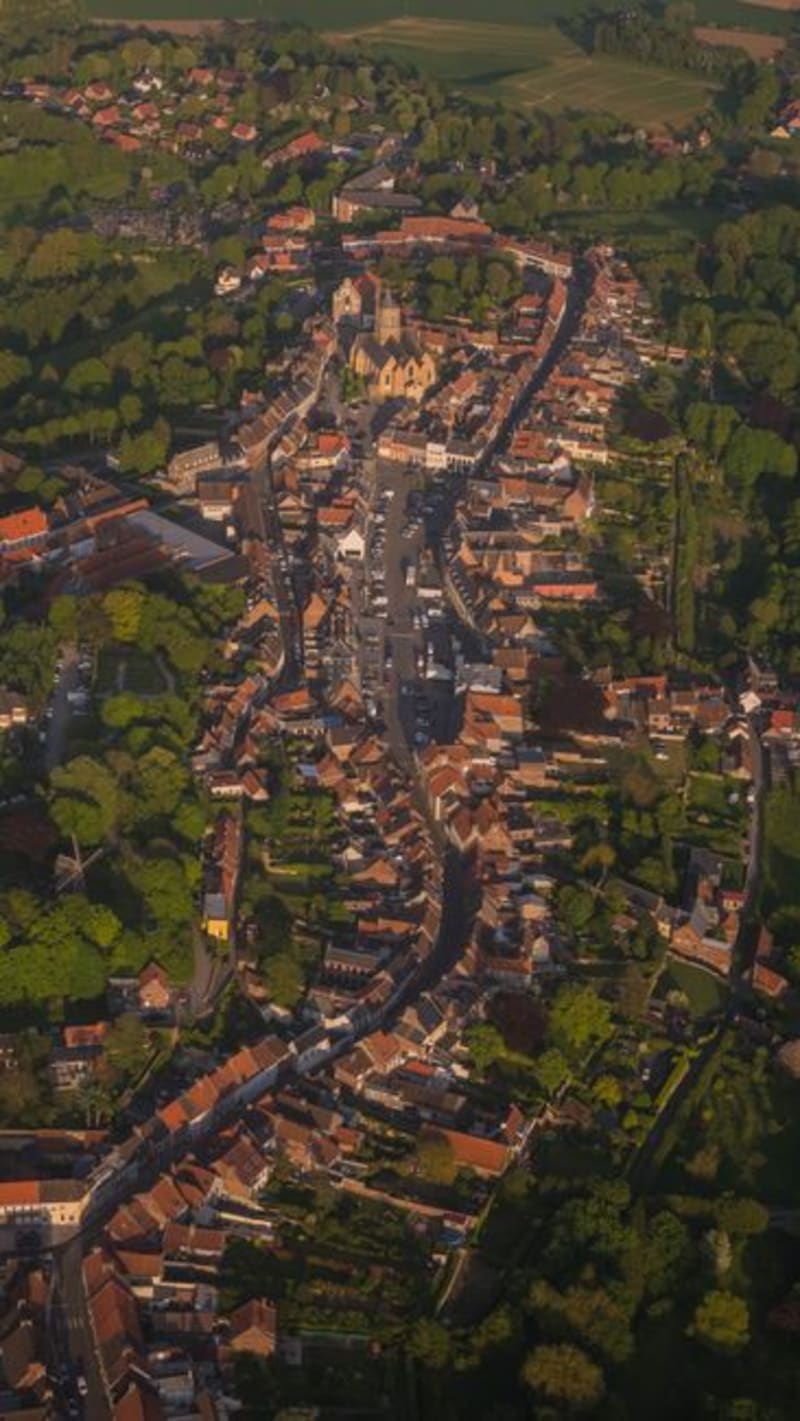 france
 Avranches
The clifftop town where I finally understood why Mont-Saint-Michel looks the way it does — you need to see it small and distant, floating in its bay, before it makes any sense.
Explore france
 Mont Saint-Michel
A tidal island abbey that rises from the Normandy sands like a mirage — medieval, magnetic, and wholly unlike anything else in Europe.
Explore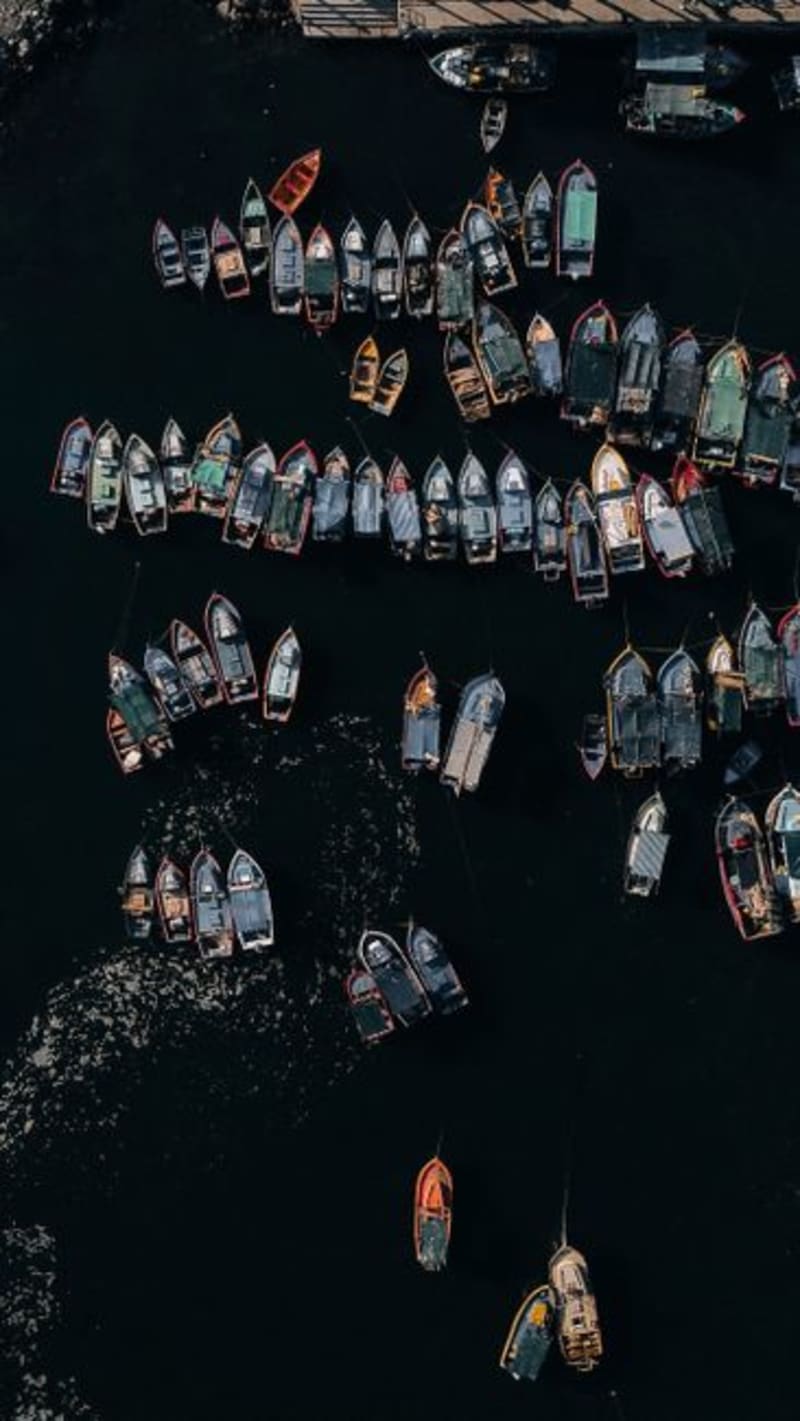 france
 Barfleur
A small granite fishing village on the tip of the Cotentin peninsula, officially one of France's most beautiful villages, where the biggest attraction is simply how little has changed.
Explore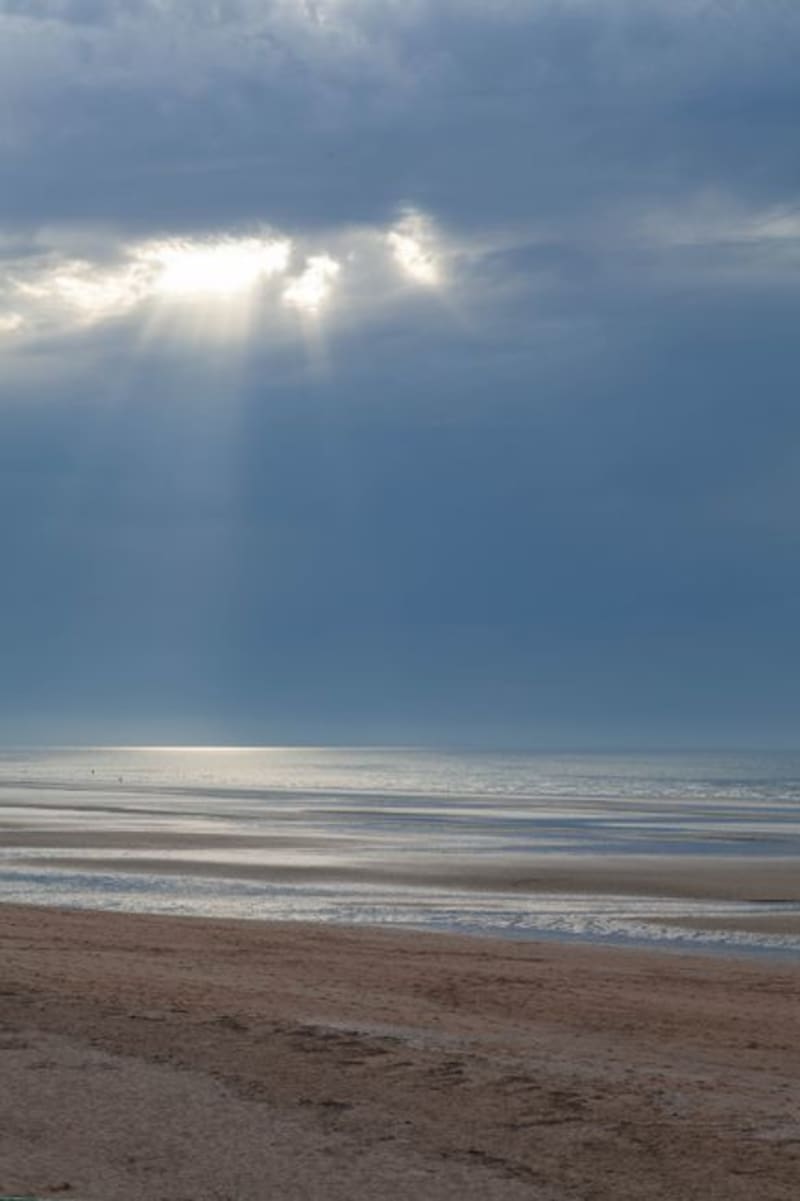 france
 Omaha Beach
A wide, quiet stretch of Normandy sand above a bluff of white crosses, where the ordinary beauty of the place sits uneasily and permanently next to what happened there in June 1944.
Explore