Saumur
"I didn't expect to spend an afternoon underground and come out having learned more about wine than I had in a decade."
A white-tufa town beneath a fairy-tale château, famous for sparkling wine aged in miles of underground cave tunnels and a cavalry school whose riders still perform the moves that made French horsemanship famous.

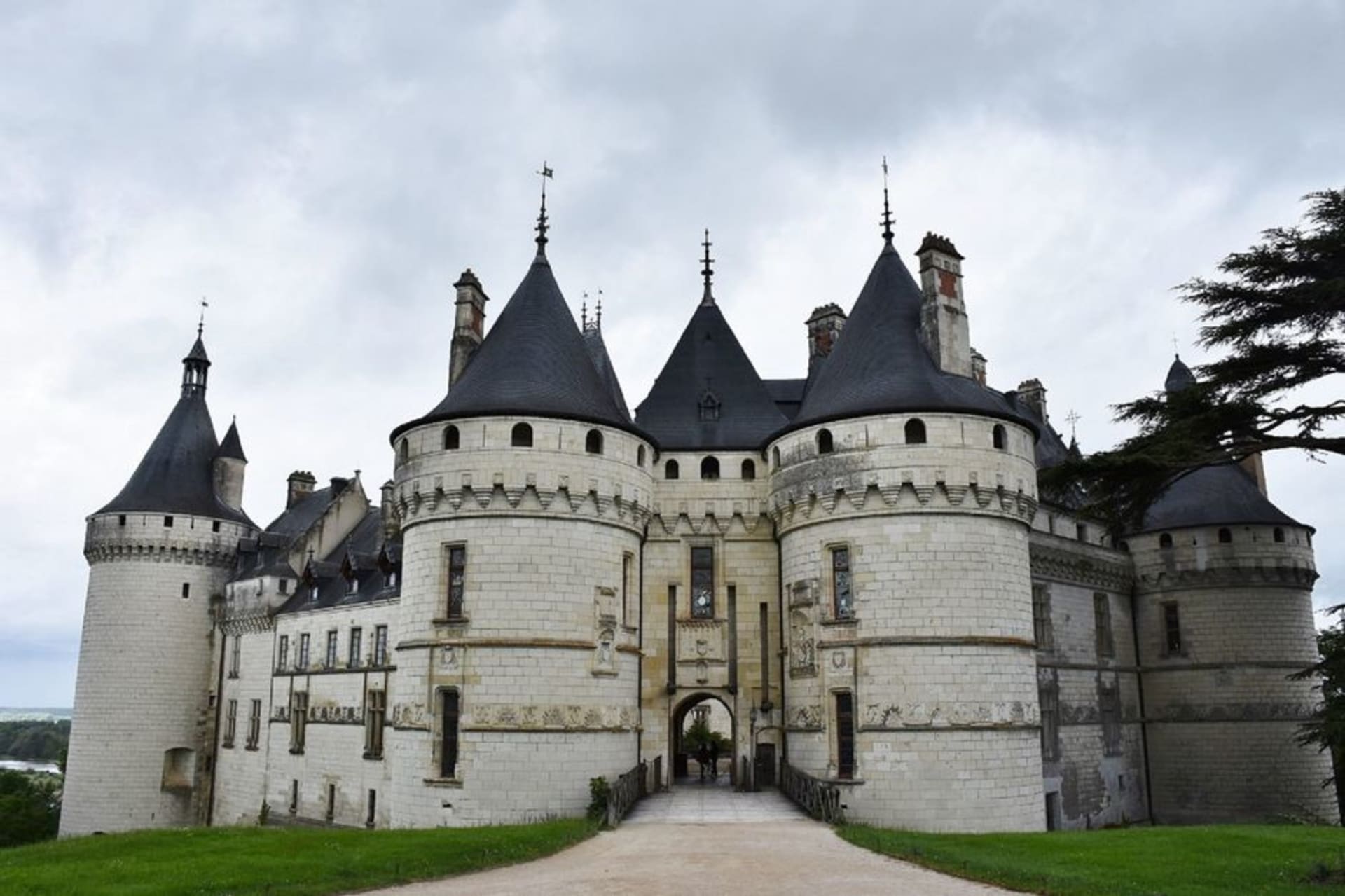
Saumur announces itself from a distance — the château sits high and white above the Loire, all conical turrets and sharp angles, looking more like an illustration from a medieval book of hours than something people actually lived in. It was, in fact, painted into exactly that manuscript, the Très Riches Heures du Duc de Berry, in the early fifteenth century, and standing on the bridge across the Loire with Lia, comparing the real skyline to a photo of the illustration on her phone, the resemblance was almost unsettling.
The caves under the town
What we hadn’t expected was how much of Saumur exists underground. The soft white tufa stone that gives the whole town its pale, chalky look was quarried out over centuries, leaving behind a network of caves that local producers repurposed for growing mushrooms and, more famously, for aging sparkling wine. Saumur has made méthode traditionnelle sparkling wine — using the same technique as Champagne — since the nineteenth century, and the constant cool temperature of the caves turns out to be close to ideal for it.
We toured one of the larger cave producers just outside town, walking a kilometre of tunnel lined floor to ceiling with bottles resting at an angle, workers turning racks by hand the old way. The tasting at the end, in a chamber carved straight into the rock, was the best wine education either of us had had — the guide walked us through exactly how lees aging changes the texture, comparing a young cuvée against one aged six years, and I actually understood the difference for the first time in my life.

Horses and a château on a hilltop
Saumur is also home to the Cadre Noir, France’s elite equestrian academy, whose riders train in a discipline of classical dressage that traces back to the sixteenth century. We caught one of their public training sessions almost by accident, drawn by the sight of a dozen black-uniformed riders putting horses through movements so precise they looked choreographed rather than ridden — a horse rearing and pivoting on its hind legs in place, another executing what the programme called a capriole, leaping and kicking out with all four legs at the height of the jump.
Afterward we climbed up to the château itself, largely restored inside now, and stood on the ramparts looking down at the Loire split by a long green island, the town’s white rooftops catching the last of the evening light.

When to go: Spring and early autumn for mild weather and open cave tours; if you can align a visit with one of the Cadre Noir’s public galas, usually held on select weekends through the season, it’s worth building the whole trip around.
Keep exploring
More of Loire Valley
Keep exploring
More from Loire Valley
 france
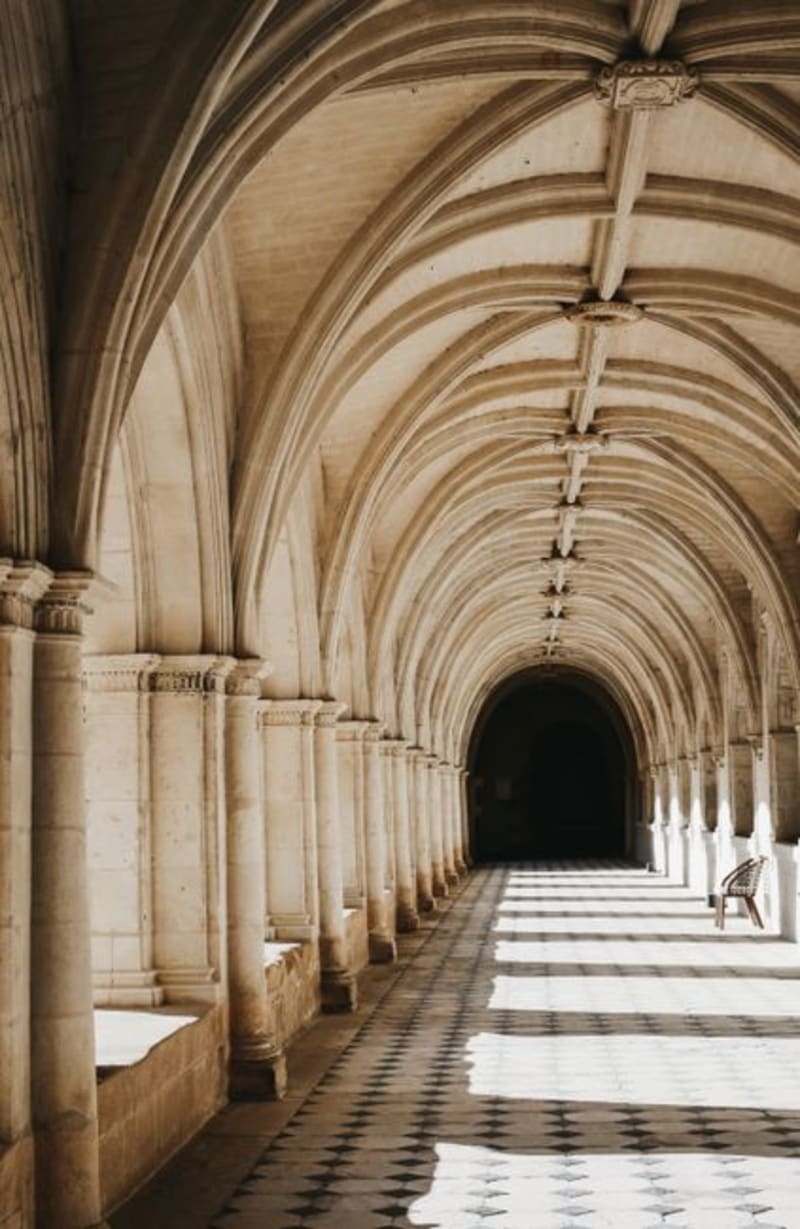
 Fontevraud-l'Abbaye
The abbey where a formidable queen chose to be buried instead of any cathedral in France, and where Lia and I ended up whispering in a nave built for a thousand monks and nuns who answered to a woman.
Explore france
 Montsoreau
The only Loire château built directly into the riverbed itself, in a troglodyte village that Alexandre Dumas made famous for reasons far bloodier than the postcard suggests.
Explore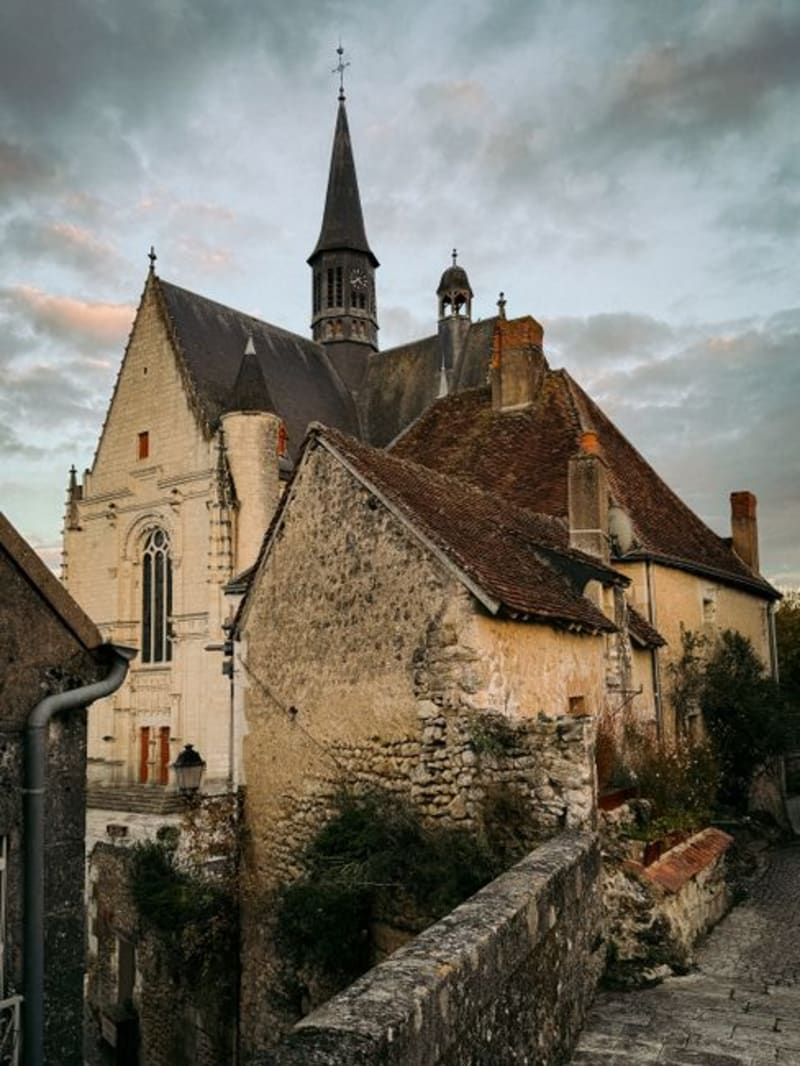 france
 Candes-Saint-Martin
The village where the Loire and the Vienne physically merge into one river, and where Saint Martin of Tours chose, on purpose, to die.
Explore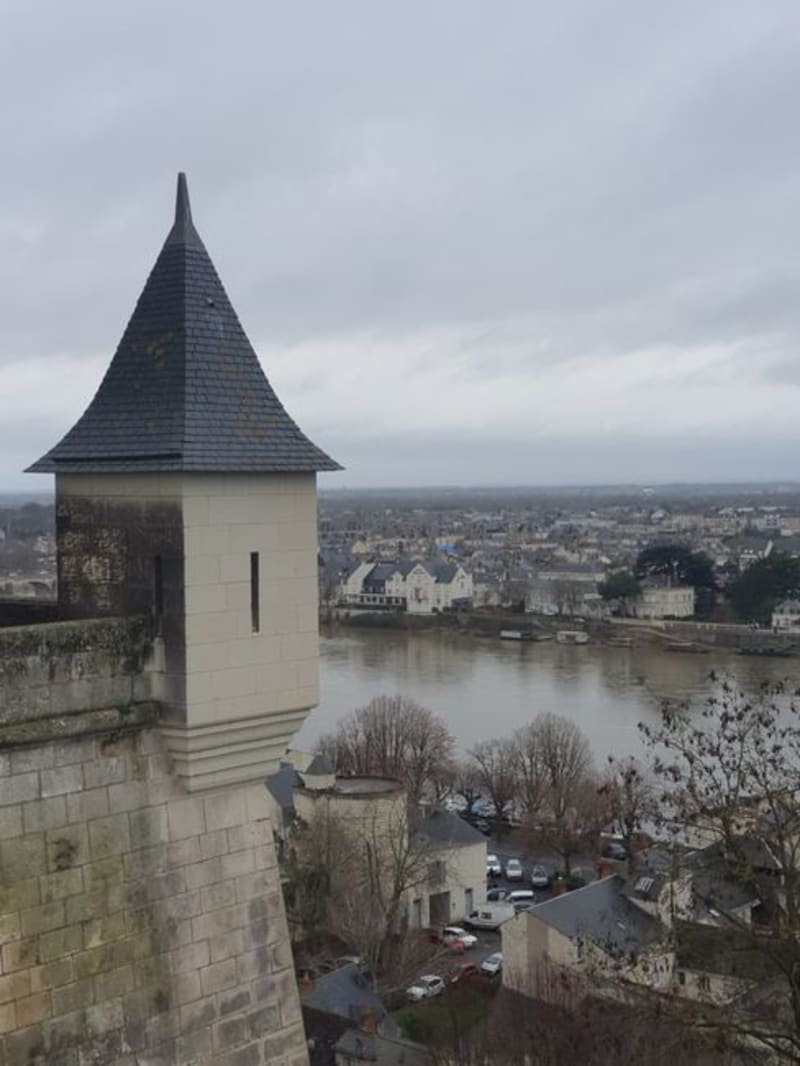 france
 Chinon
A fortress town on the Vienne where Joan of Arc first convinced a king to believe her, wrapped in vineyards that produce some of the best red wine in the Loire and rarely leave the region.
Explore france
 Ussé
The white-turreted château on the edge of the Chinon forest that supposedly gave Charles Perrault the idea for Sleeping Beauty, and that made Lia genuinely gasp when it appeared through the trees.
Explore france
 Langeais
A castle that never bothered dressing itself up as a Renaissance palace, still with a working drawbridge, still guarding the secret of a marriage that stitched Brittany to France.
Explore