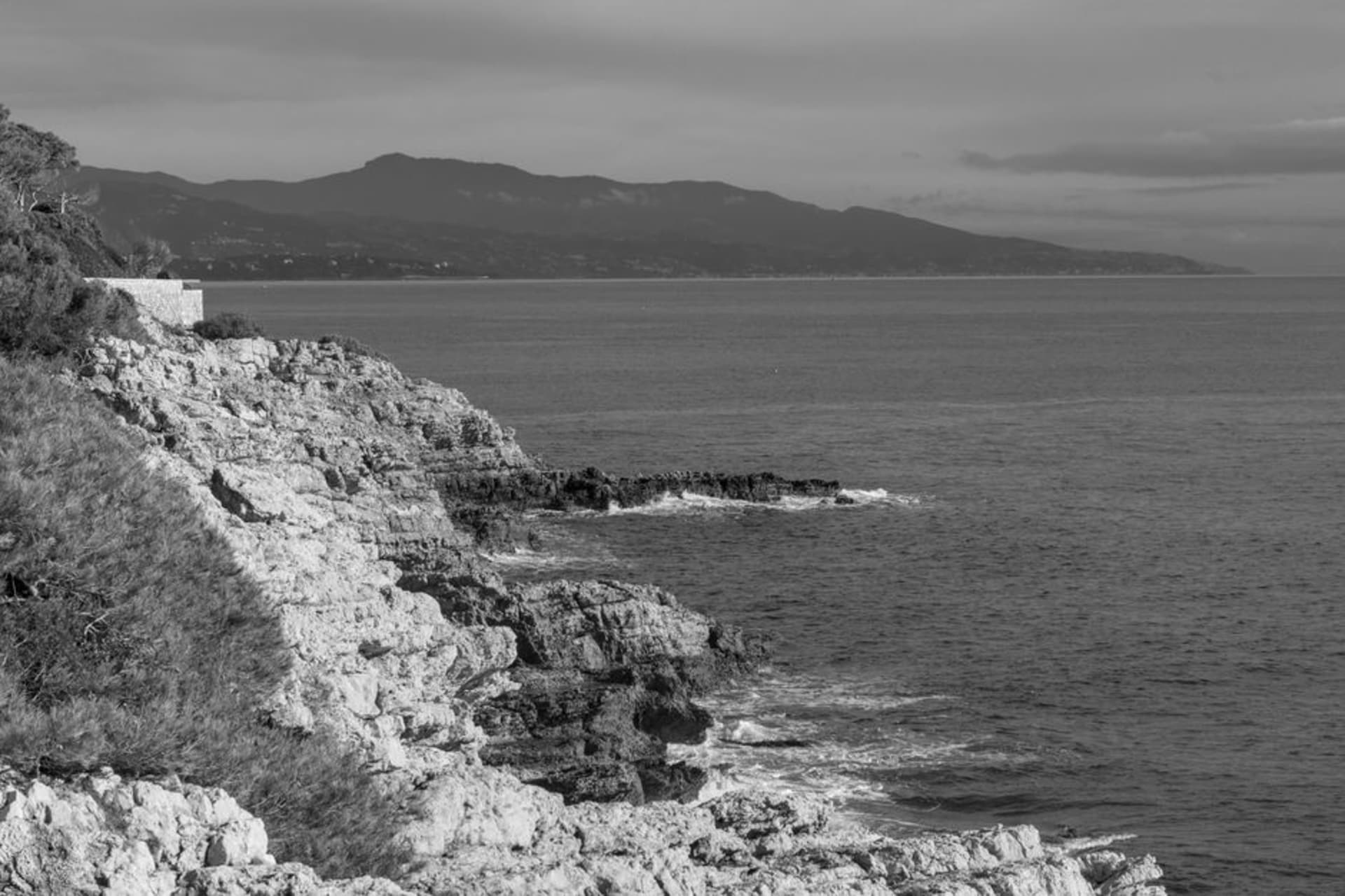
Saint-Jean-Cap-Ferrat
"One of the most expensive stretches of coastline on Earth, and the best of it costs nothing but a few hours of walking."
A pine-covered peninsula between Nice and Monaco, ringed by a coastal footpath that passes some of the most extravagant villas on the Mediterranean without asking anything of you but time.

Cap Ferrat is a small, densely pine-forested peninsula wedged between Nice and Monaco, reportedly one of the most expensive pieces of real estate on the planet, home over the decades to kings, industrialists, and at least one Beatle. None of that is visible from the road, which is mostly high walls and security gates — the peninsula’s real generosity is the footpath that circles almost its entire coastline, free and open to anyone willing to walk it.
A pink palace built on old money and older gossip
The one villa you can actually get inside is the Villa Ephrussi de Rothschild, a pink Belle Époque palace built in the early 1900s by Béatrice de Rothschild, an heiress who reportedly designed it obsessively down to the last garden hedge and reportedly divorced her husband, partly, over his refusal to indulge her building budget. The house holds her collection of porcelain, tapestries, and furniture, but the real draw is the gardens — nine of them, each themed differently, from a formal French garden with musical fountains to a small Japanese garden, laid out across the narrowest part of the peninsula with sea views on both sides at once.
Walking the coast the villas won’t let you drive
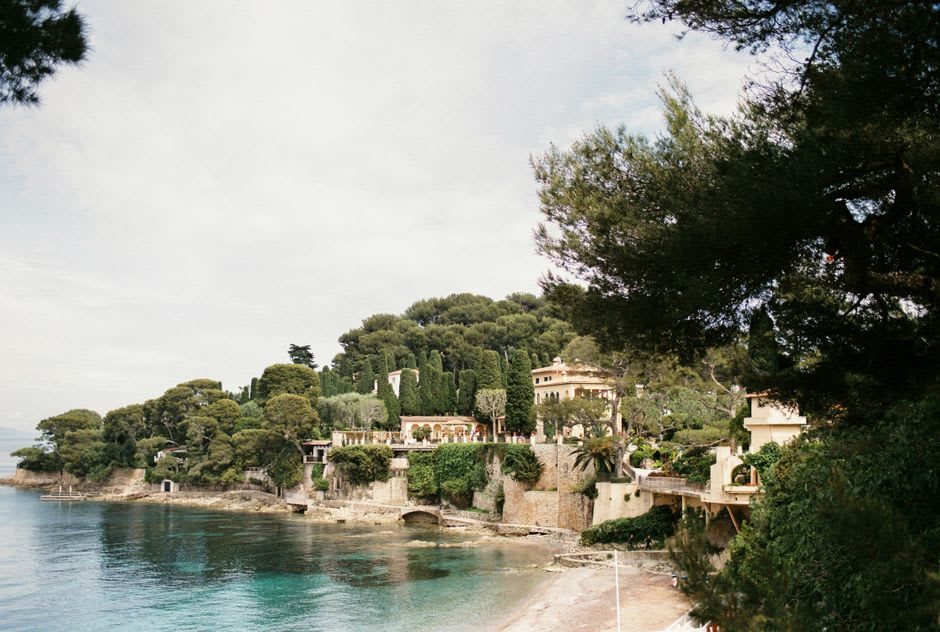
We picked up the Sentier du Littoral at Paloma Beach and walked most of the peninsula’s edge, a narrow path clinging to the rocks just below the property lines of villas we couldn’t see past their hedges, pine trees leaning out over the water, the sea a colour that kept shifting between teal and navy depending on the depth beneath us. It’s an odd, quietly satisfying kind of trespass-by-proximity — you’ll never get inside any of these gardens, but the view from the free public path is arguably better than the one from most of their windows.
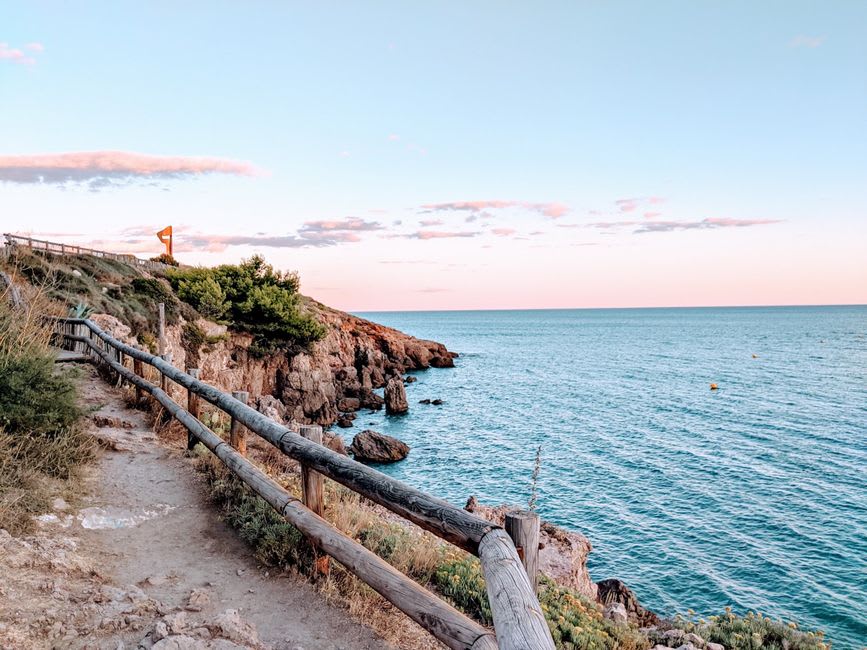
When to go: Late spring or early autumn for walking the coastal path in comfortable heat — parts of it close in high winds or rough seas, so check conditions before committing to the full loop. The villa gardens are at their best from April through June.
Keep exploring
More of Côte d'Azur
Keep exploring
More from Côte d'Azur
 france
 Beaulieu-sur-Mer
A pocket of coast so sheltered the Belle Époque crowd nicknamed it 'little Africa,' where a Greek villa built by a Rothschild-era archaeologist still looks like it washed up from another century entirely.
Explore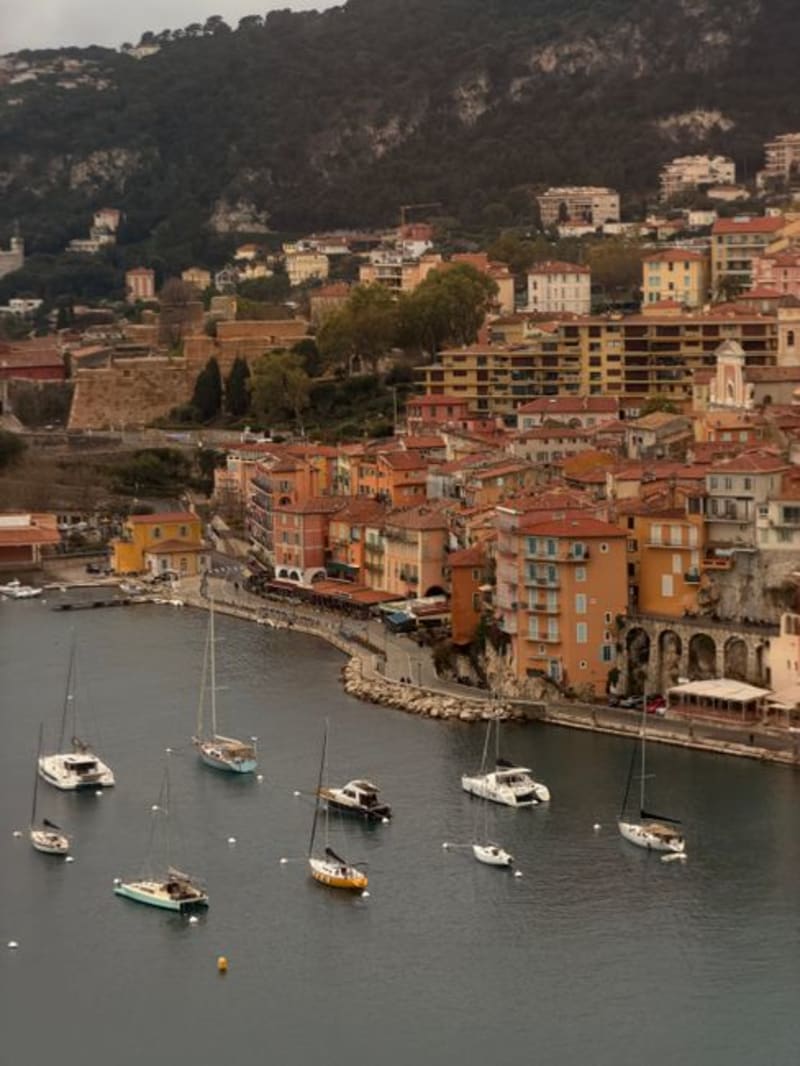 france
 Villefranche-sur-Mer
A fishing town on one of the deepest natural harbours in the Mediterranean, its old town threaded with vaulted streets and a small chapel Jean Cocteau decorated wall to wall.
Explore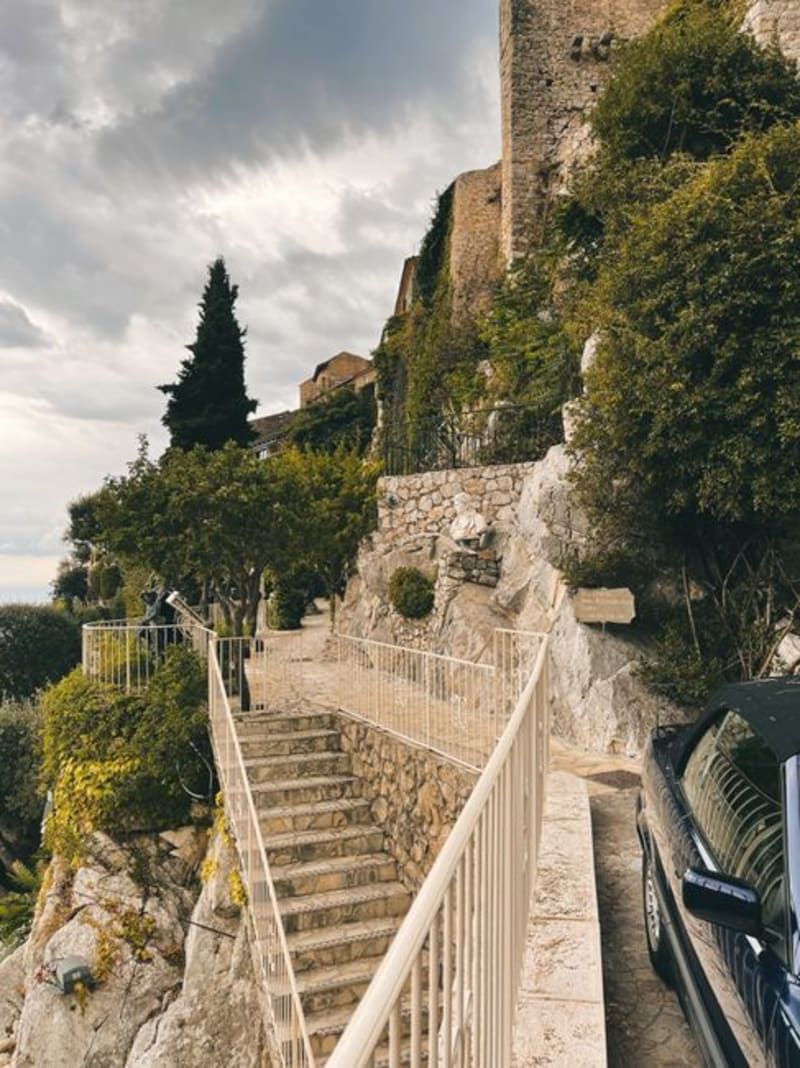 france
 Èze
A medieval eagle's-nest village perched on a rock spur four hundred metres above the sea, its stepped lanes ending in a cactus garden with one of the best views on the whole coast.
Explore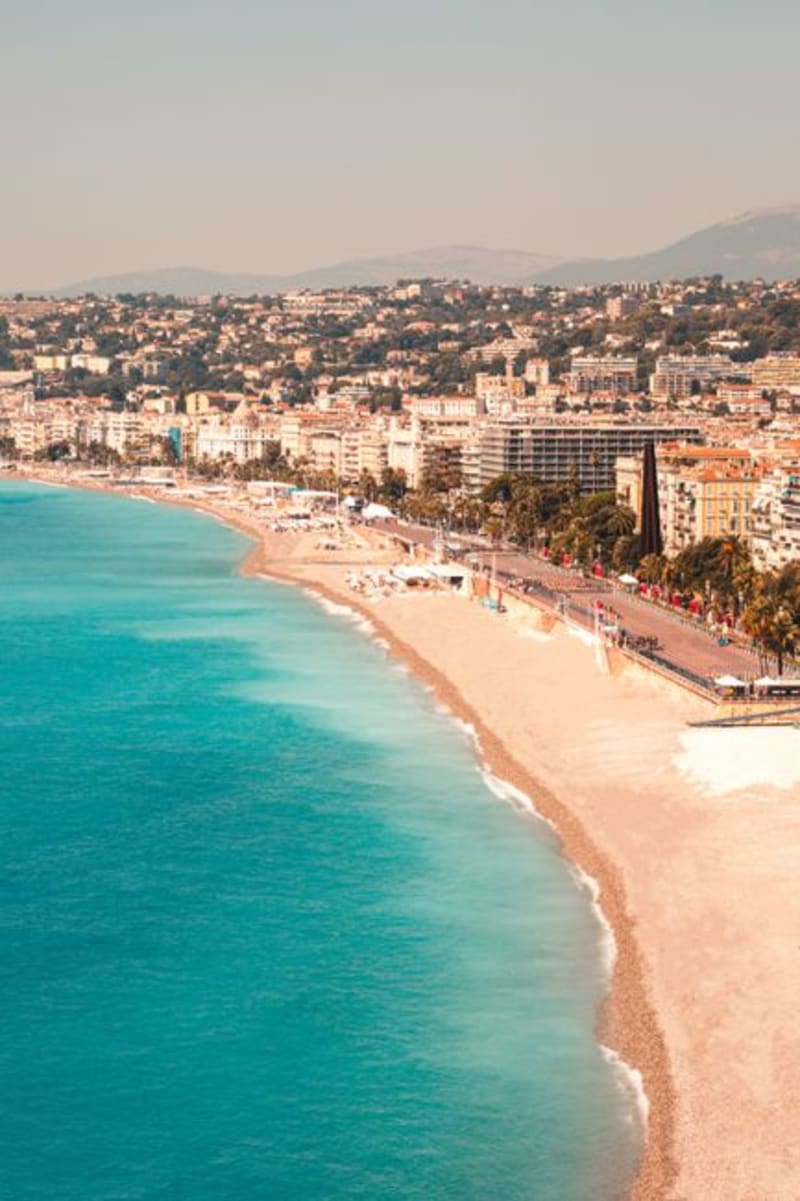 france
 Nice
The unofficial capital of the Côte d'Azur, where the Promenade des Anglais runs for miles along a pebble beach and the old town smells permanently of frying socca.
Explore france
 Peille
A hilltop village so tangled with vaulted stone passageways that I lost my sense of direction within five minutes, with a panorama over Monaco and the Mediterranean that makes the climb up entirely worth it.
Explore france
 Roquebrune-Cap-Martin
A thousand-year-old château standing guard over a village where Le Corbusier built himself the smallest, plainest cabin on the whole Riviera and where an olive tree older than the château itself still stands nearby.
Explore