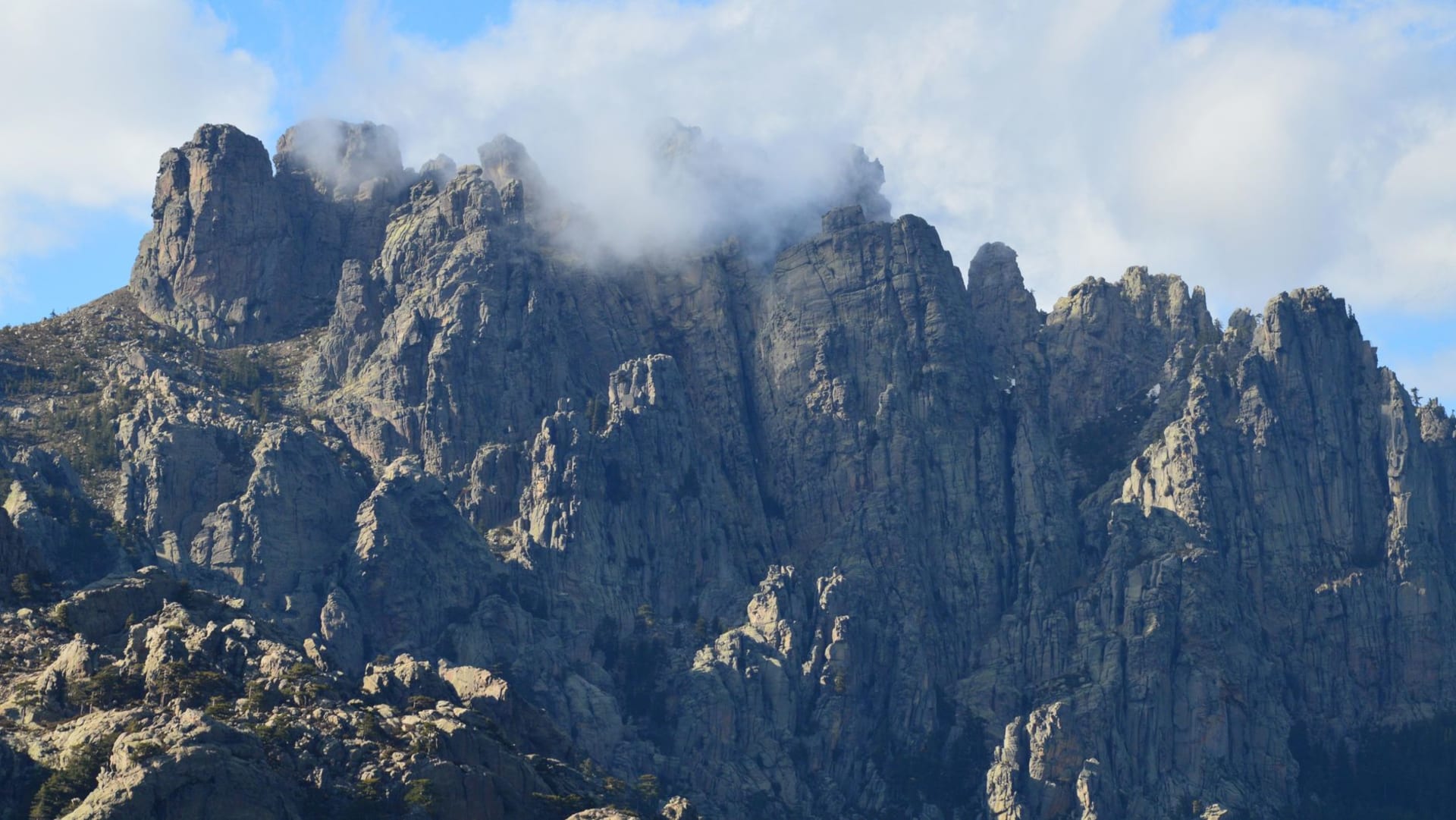
Calanques de Piana
"At sunrise the rocks turn the color of something molten, and for a moment the geology feels alive."
Three hundred million years of volcanic geology arranged into orange towers above the sea — Corsica's most otherworldly landscape.

I drove the D81 from Porto at five in the morning because someone at my gîte had told me to do it. I wasn’t convinced — it was still dark when I left, the road winding along the cliff above the Gulf of Porto, sea invisible below me, just the sound of waves and the smell of the maquis in the headlights. Then the sky began to lighten behind the mountains, and the Calanques de Piana materialized out of the dark. Not gradually. The orange porphyry columns were simply there, three hundred million years old, glowing as the first direct light caught them, and I pulled over on the gravel verge and stood in the cold morning air for twenty minutes and did not want to move on.

The geology here is volcanic — specifically phonolitic porphyry, a rock with a particular mineral composition that weathers into arches, pinnacles, needles, and hollows, all in shades from burnt orange to deep red to near-purple depending on the light. The UNESCO listing covers both this coastline and the broader Golfe de Porto: the sea below is a luminous deep blue that reads almost false against the red rock. The combination is something a painter would be told to tone down. At midday the light is too direct and the colors flatten; the formations are best at the ends of the day, when the light comes in sideways and everything turns three-dimensional.
The walking trails that thread through the formations are short enough to do in a morning but give access to the rock up close — the texture of porphyry is almost metallic in places, smooth and warm in the afternoon sun. There is a longer descent to the sea at Ficajola, a small beach at the foot of the cliffs, which requires real effort in summer heat but rewards with the only swimming in the area. I saw two wild horses on the cliff path above Ficajola, seemingly unconcerned by either the altitude or my presence.
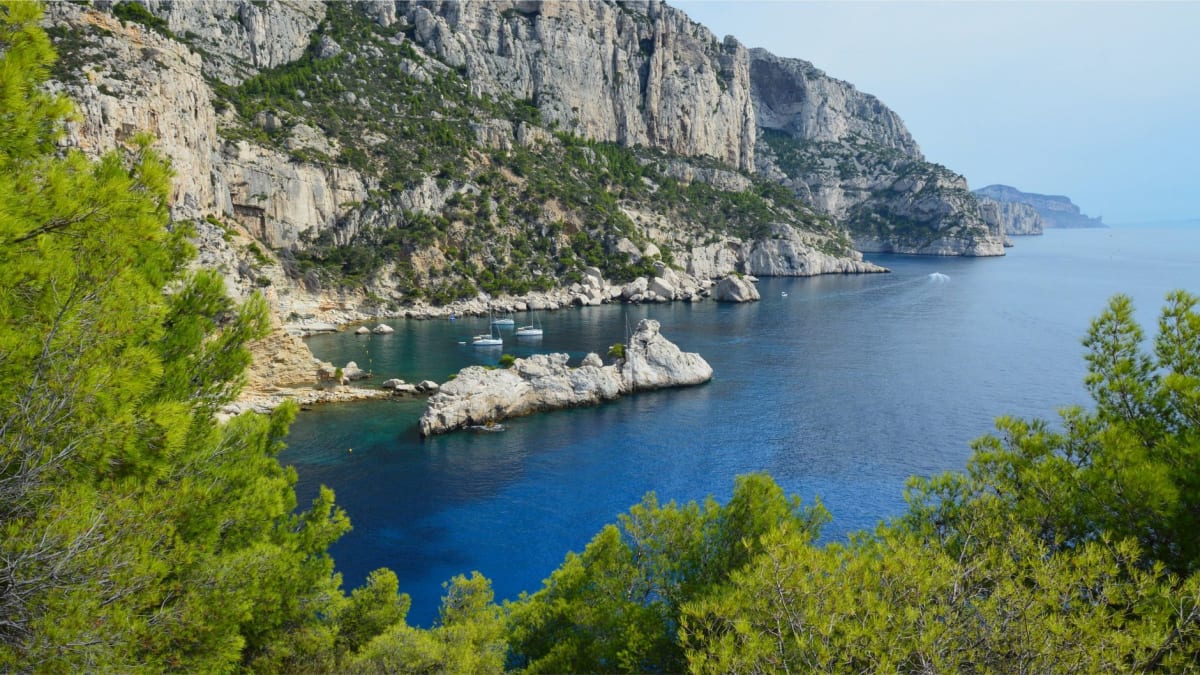
The village of Piana, perched at the top of the formations, has a pink church and a square with two cafés where the view extends over the whole Gulf of Porto to the cliffs opposite. I ate a sandwich there at noon and watched a man trying to photograph the view and giving up, which I understood. The D81 corniche between Porto and Piana is one of those roads where you stop every five minutes whether you mean to or not. Give yourself twice as long as the map suggests.
When to go: May and June are the ideal months — spring light on the rock is extraordinary, the trails are quiet, and the village of Piana hasn’t yet been overrun. September is also excellent. The formations are accessible year-round, but July and August bring traffic on the D81 that turns the famous corniche into a slow procession of campervans and rental cars with nowhere to pass.
Keep exploring
More of Corsica
Keep exploring
More from Corsica
 france
 Piana
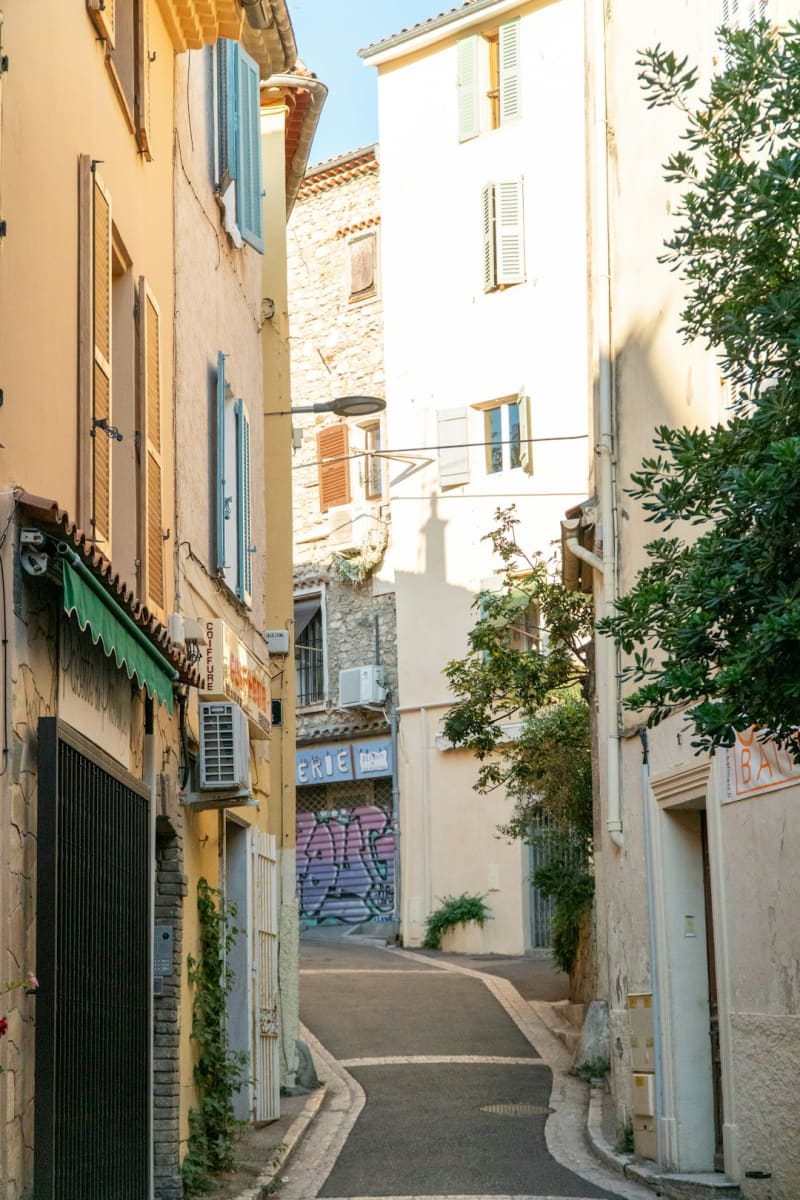
A cliff-edge village overlooking red granite formations that go from rust to blood-orange to violet in the space of one sunset, and made me put my phone down without meaning to.
Explore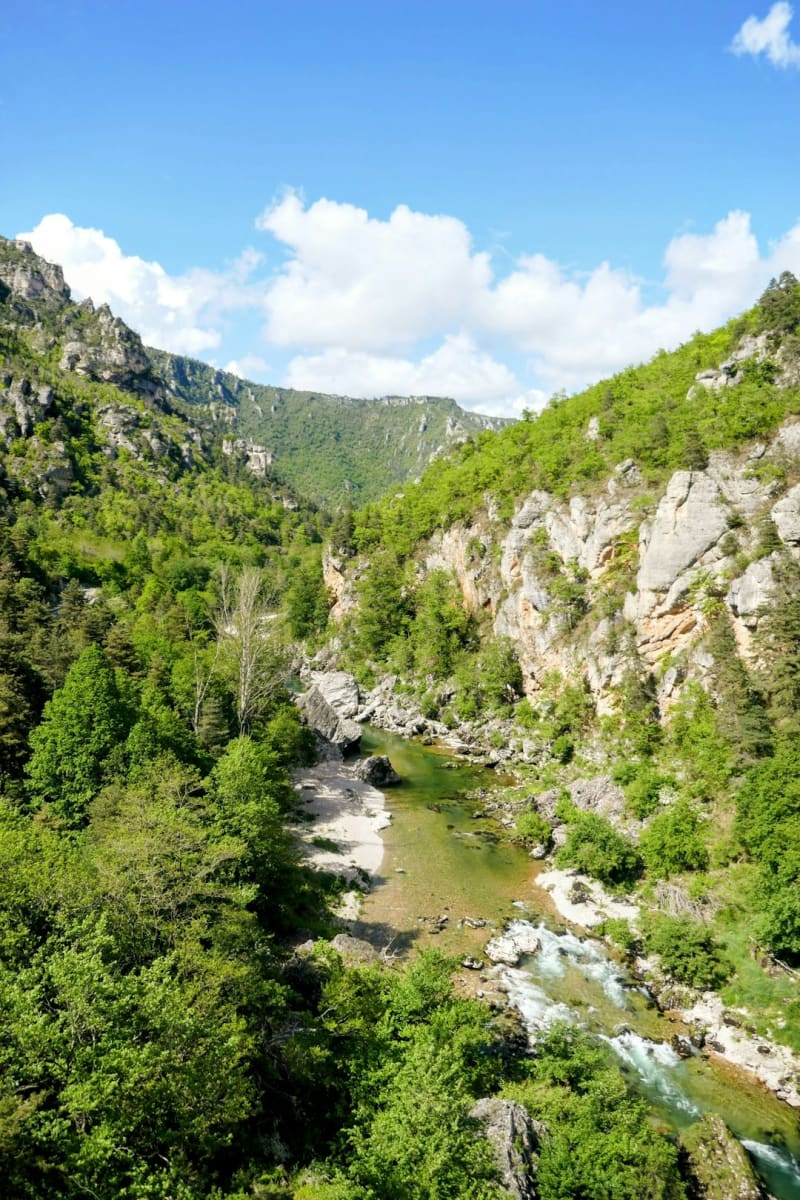 france
 Cargèse
A village founded by Greek refugees three centuries ago, where two churches face each other across a square like they're still politely disagreeing about something.
Explore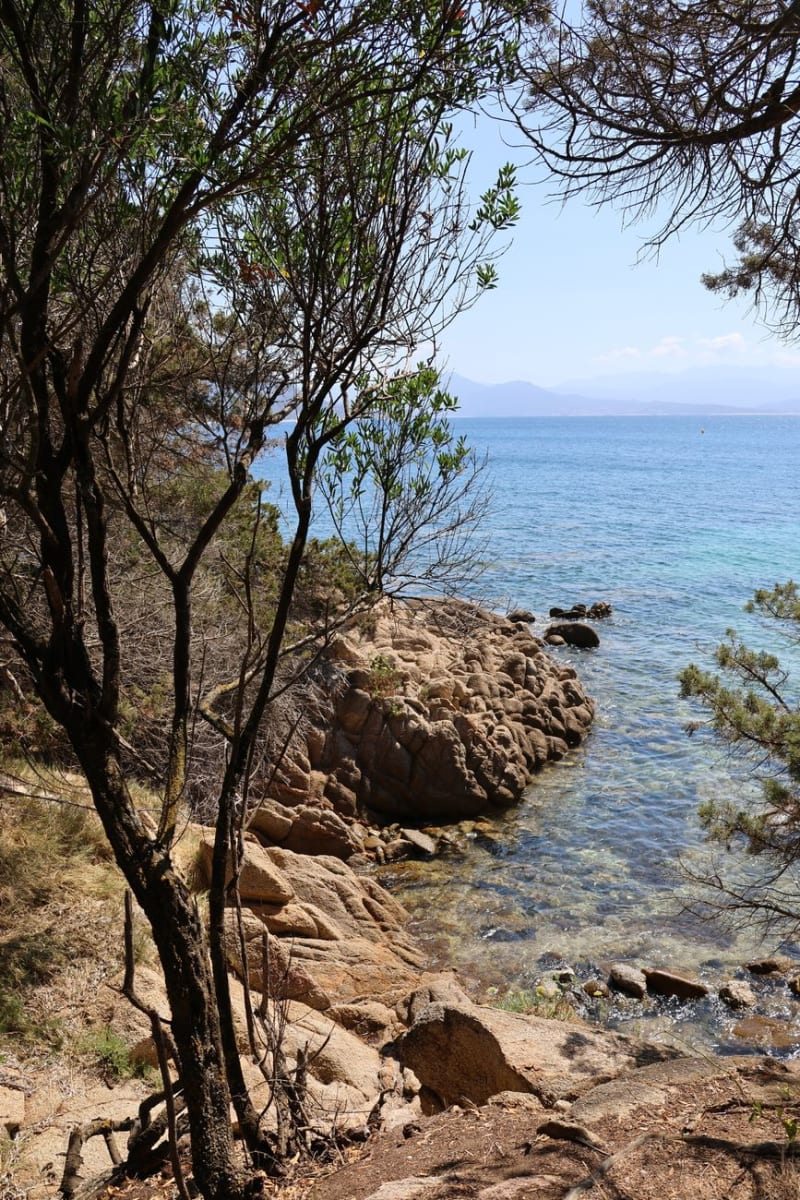 france
 Scandola Nature Reserve
A UNESCO marine reserve of blood-red porphyry cliffs that you cannot reach by road, only by boat from Porto or Galéria.
Explore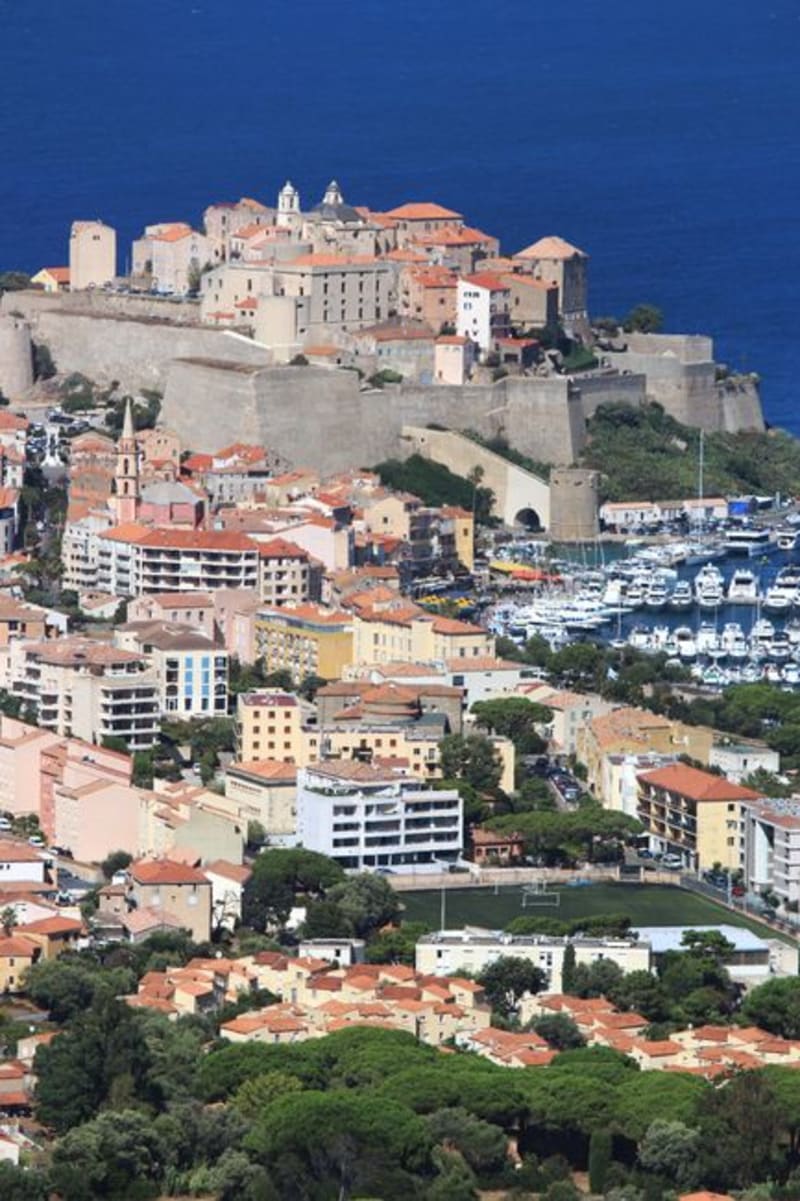 france
 Calvi
A citadel town on Corsica's Balagne coast where a Genoese fortress guards a sweeping bay of pine forest and pale sand, and a plaque inside the citadel insists, with local conviction, that Christopher Columbus was born within its walls.
Explore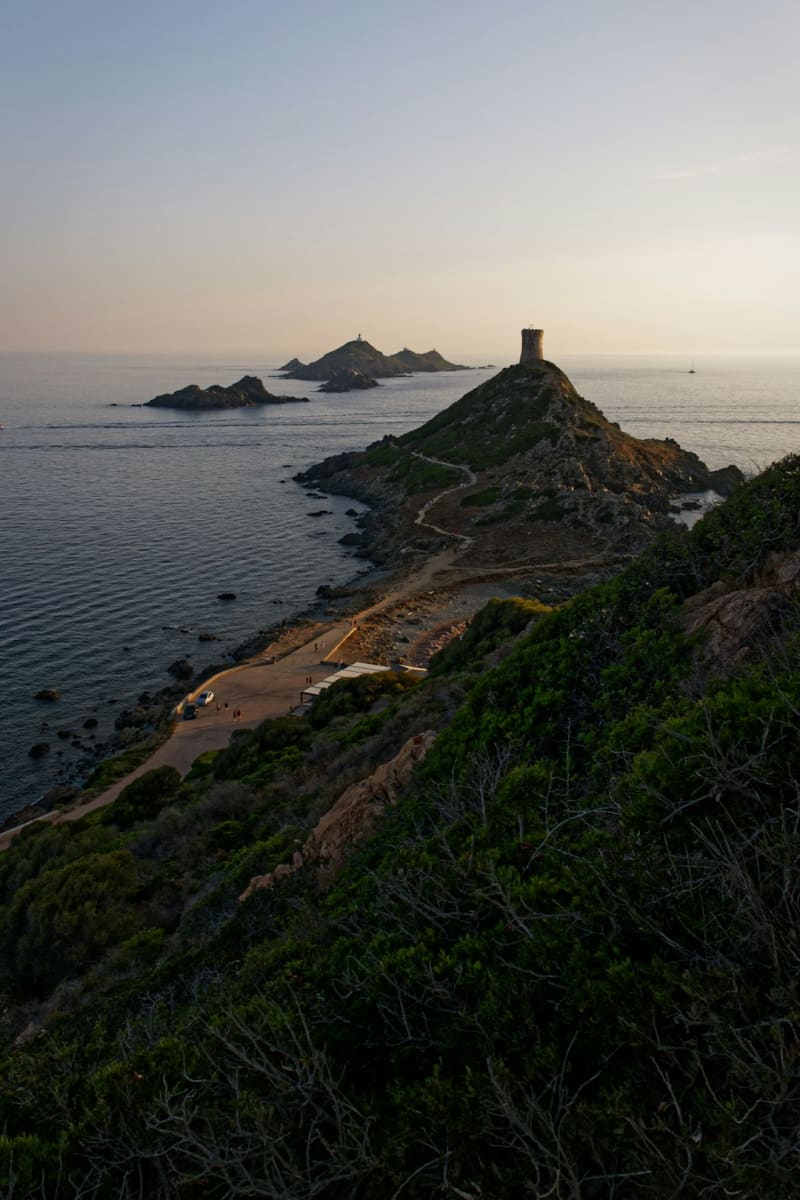 france
 Ajaccio
Napoleon's birthplace and Corsica's capital, a harbor town that argues with itself constantly about whether it's more French or more Corsican, and never resolves it.
Explore france
 Porticcio
A beach resort across the Gulf of Ajaccio where the main activity is lying on fine sand and staring at the city you could have stayed in instead, and somehow that's a completely satisfying way to spend a week.
Explore