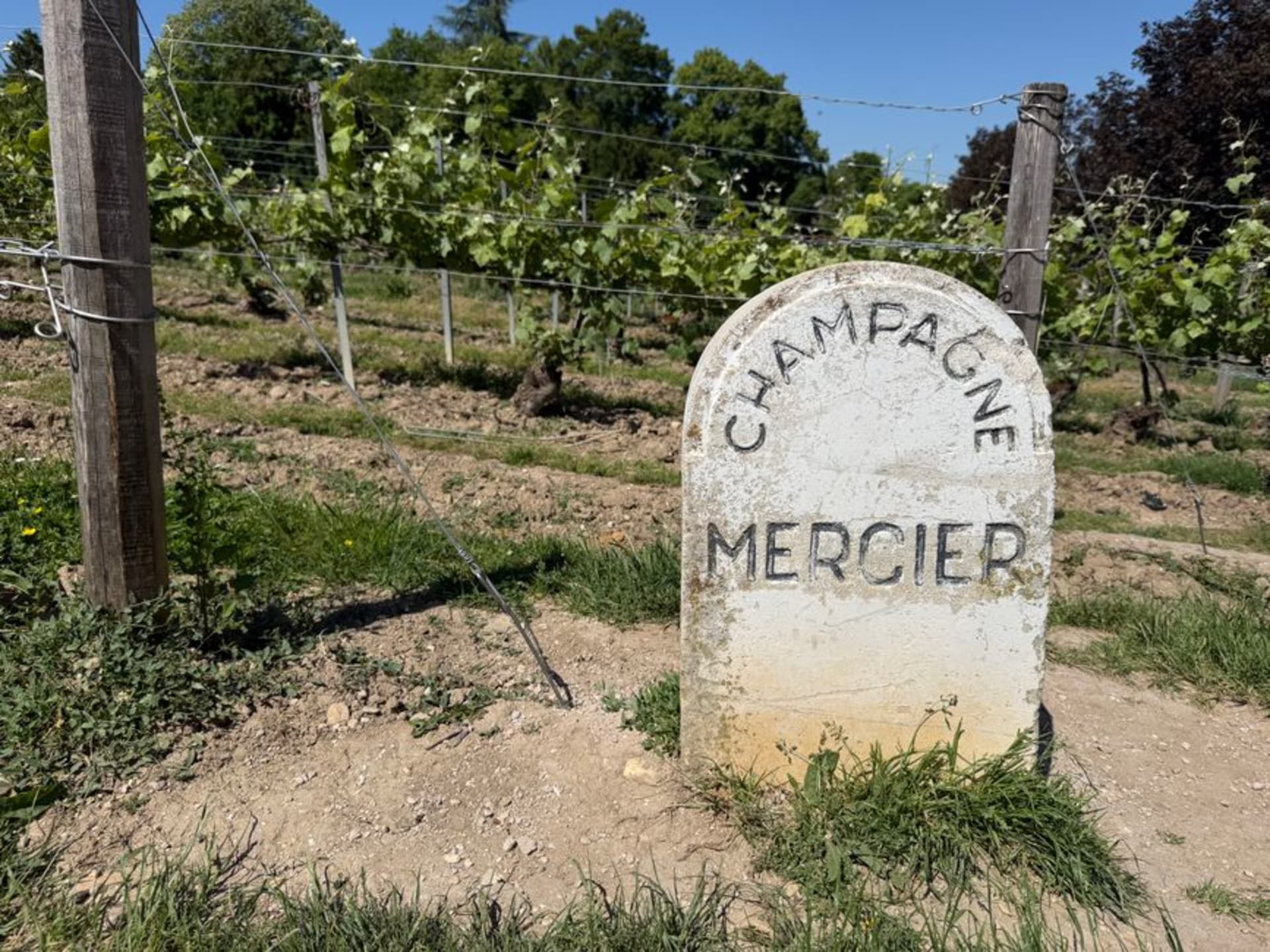
A small Champagne town whose single main avenue sits above more bottles of wine than the town has residents, and where a tasting with a fourth-generation grower rearranged my understanding of the drink.

Épernay is a modest town of around twenty thousand people, and beneath its main avenue alone sits an estimated hundred million bottles of champagne resting in chalk cellars, which is a fact I found genuinely difficult to hold in my head as we walked it. The Avenue de Champagne is lined with the ornate nineteenth-century mansions of houses like Moët & Chandon, Perrier-Jouët, and Mercier, each competing gently with its neighbours for the most impressive facade, built during the boom years when champagne became fashionable across European royal courts.
The avenue and what’s underneath it
We toured the Moët & Chandon cellars first, an efficient, polished operation with over twenty-eight kilometres of tunnels and a gift shop that made clear how large this business really is, and it was impressive in the way a well-run factory is impressive. It wasn’t until the next morning, at a much smaller grower a short drive outside town, that Épernay actually got interesting to me. We sat with a fourth-generation vigneron named Étienne in his kitchen while he poured us three vintages side by side and explained, patiently, the difference between a house blend built for consistency year after year and a small grower’s wine that changes with every harvest. Lia asked more questions than I did and by the end had bought a case to ship home, something neither of us had planned on doing.

Hautvillers and the monk who didn’t invent champagne
A short drive north into the hills, the village of Hautvillers is where the Benedictine monk Dom Pérignon spent much of his life at the abbey, and while the popular story crediting him with inventing champagne is mostly legend — sparkling wine likely developed gradually and by accident — he genuinely did pioneer techniques for blending grapes from different vineyards that shaped how champagne is made to this day. We walked up through the vineyards to the village, all narrow streets and hanging wrought-iron shop signs shaped like grape clusters and corkscrews, and stood at the abbey where his grave is marked, before heading back down for a lunch overlooking the valley of vines rolling toward the Marne.

When to go: Late September during the vendanges, the grape harvest, when the whole region is at its most active and many smaller growers are more open to informal visits than during the rest of the year.
Keep exploring
More of Burgundy
Keep exploring
More from Burgundy
 france
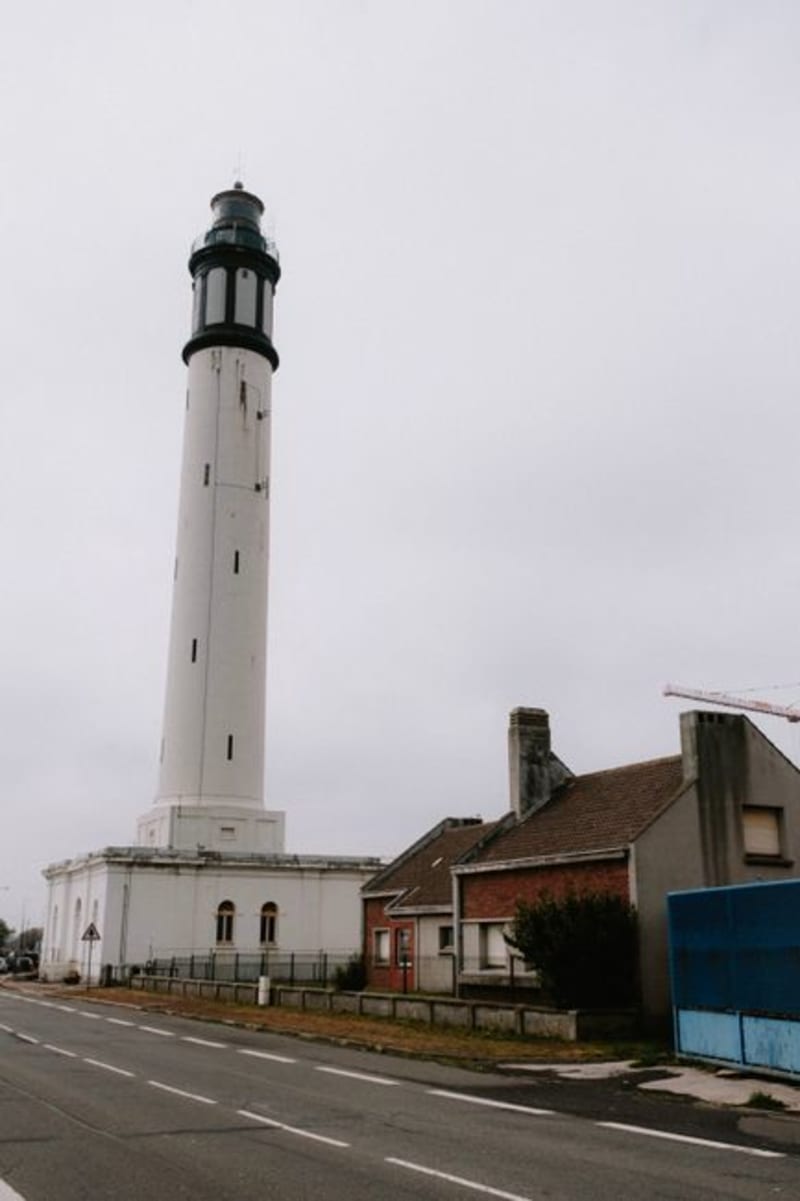
 Hautvillers
The hilltop village where the monk who supposedly invented Champagne is buried, and where I finally got the vineyard view that every Champagne label is trying to sell you.
Explore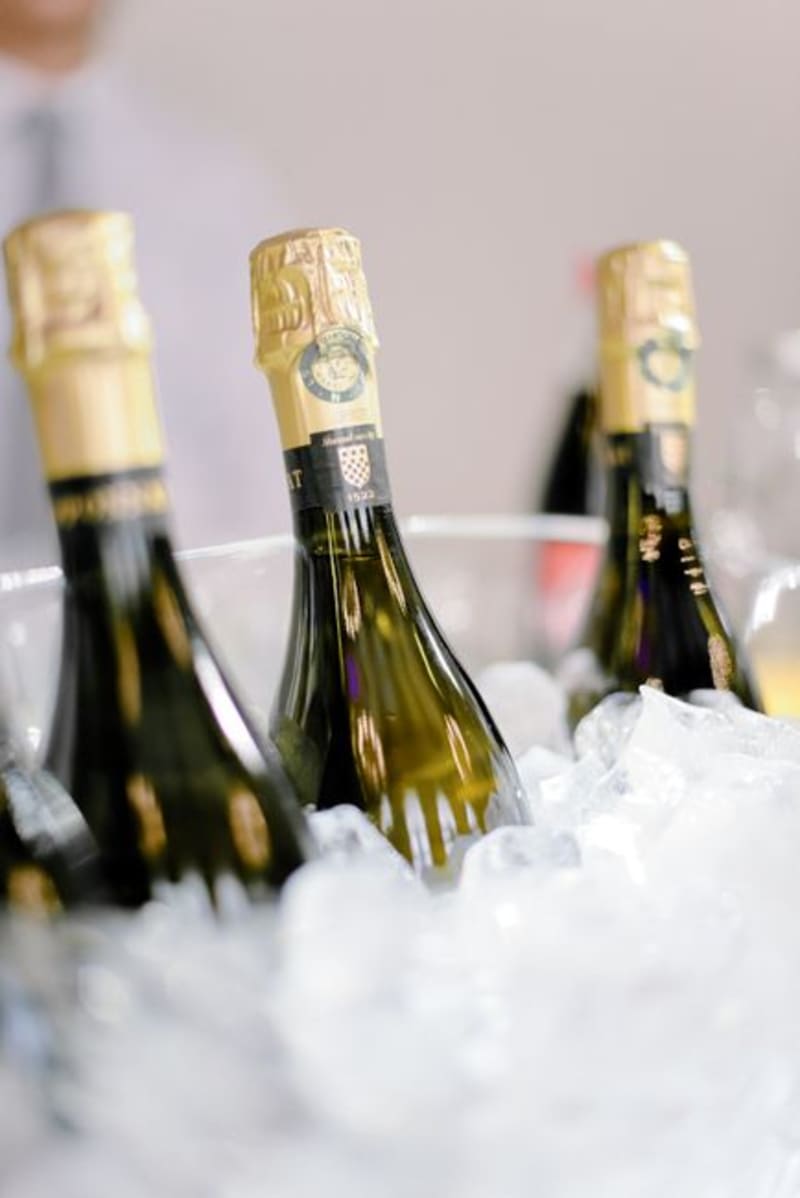 france
 Aÿ-Champagne
A grand cru village where Bollinger has been pressing grapes since 1829 and the slopes behind the church are so historically loaded they got their own UNESCO listing, though what stuck with me was how small and unpretentious the whole place still feels.
Explore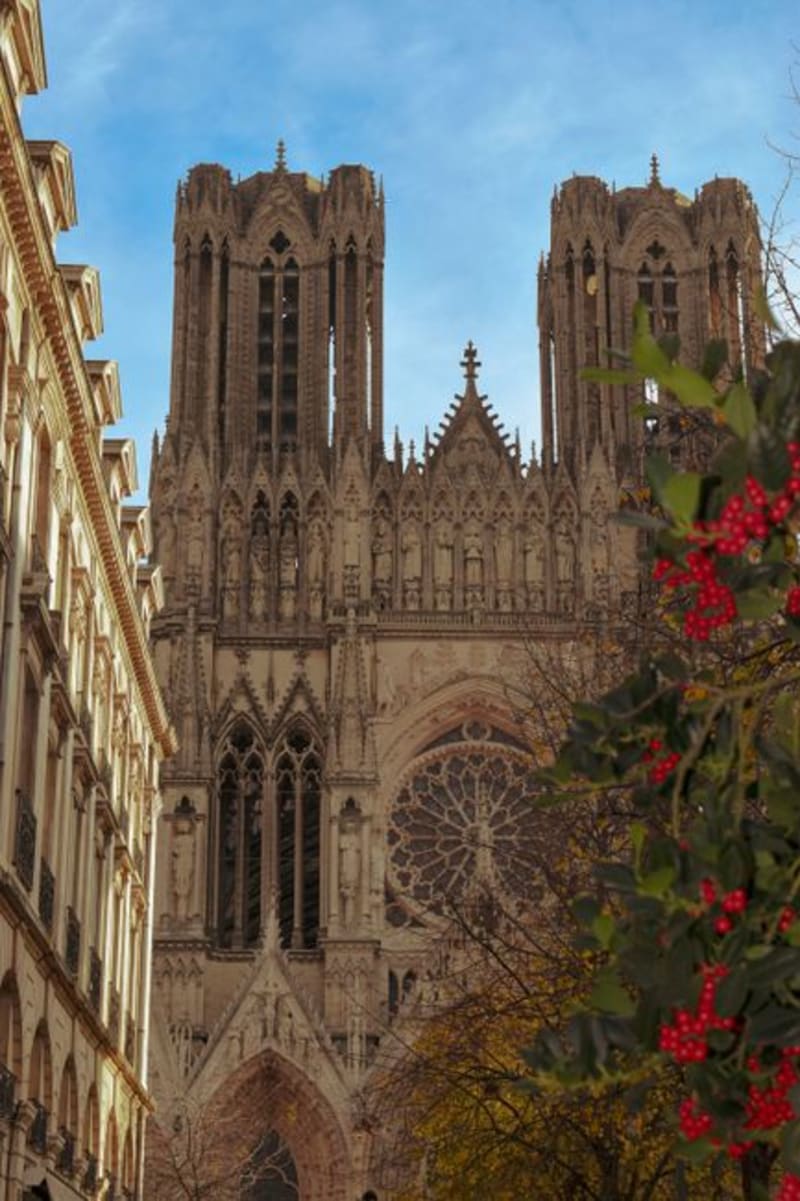 france
 Reims
The coronation city of French kings, sitting on top of hundreds of kilometres of chalk cellars where the great Champagne houses have aged their wine for two centuries.
Explore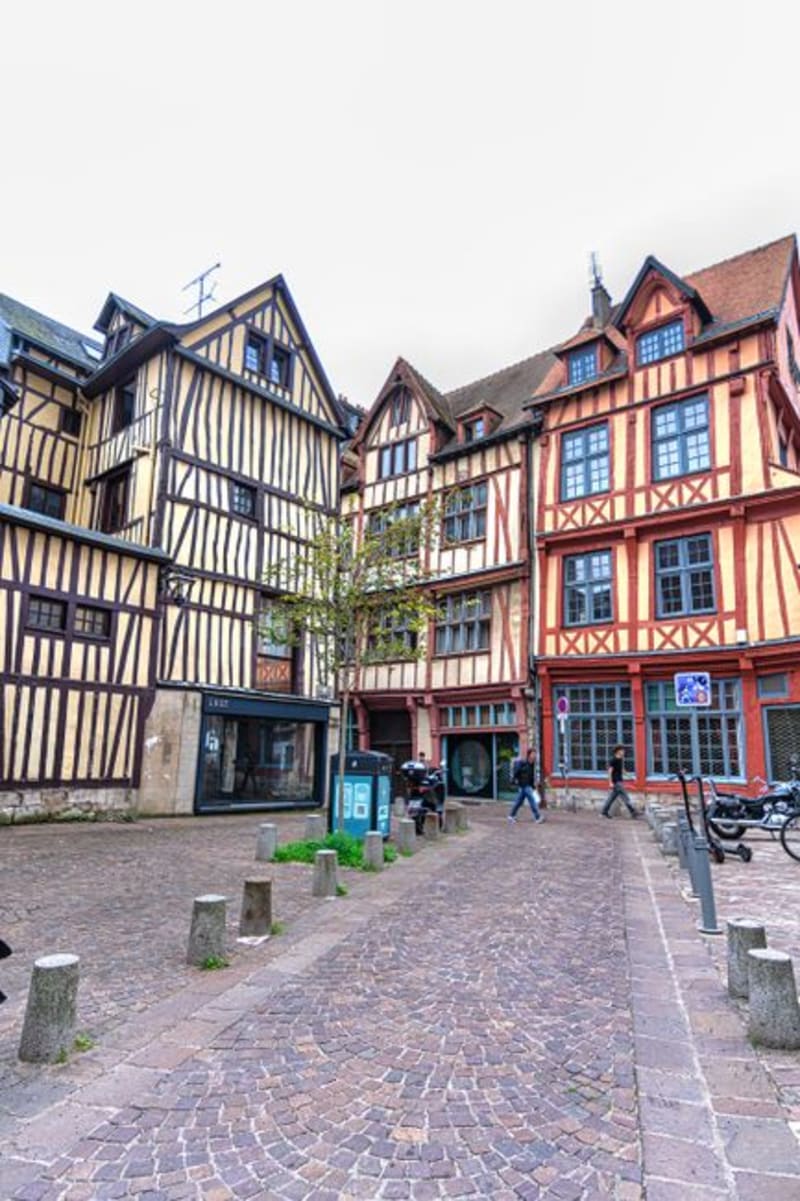 france
 Troyes
A medieval capital of Champagne whose old town is shaped like a champagne cork if you look at a map, packed with more timber-framed houses than I could count and a stained-glass tradition that outshines Chartres in sheer volume.
Explore france
 Bar-sur-Aube
A sleepy Aube market town that was once one of the great medieval trade fairs of Europe, now surrounded by the steep little vineyards of the Côte des Bar that most Champagne drinkers have never heard of.
Explore france
 Tonnerre
A Yonne wine town with a spring so improbably blue it looks photoshopped, and a medieval hospital hall bigger than most cathedrals I've been in.
Explore