Chablis
"I'd drunk bottles labelled Chablis for years before I understood the actual place was this small."
A tiny Burgundy wine town whose name has been borrowed and diluted by cheap wine everywhere else, and where tasting the real thing on its own limestone hillside set the record straight for me.

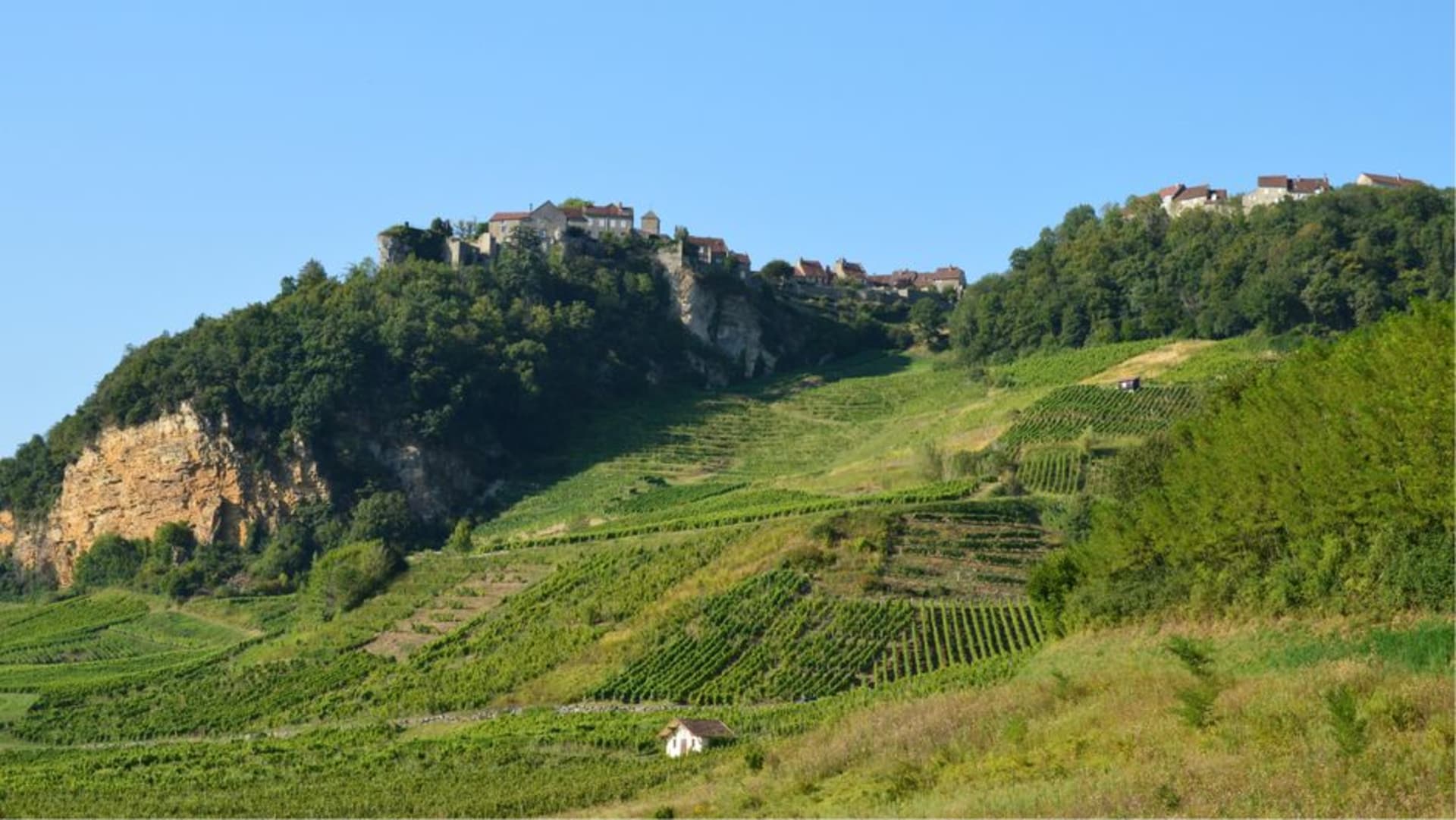
For years I associated the word Chablis mostly with mediocre carafe wine at Parisian brasseries, a generic white poured without much ceremony, and I didn’t fully appreciate that Chablis is also a specific, very small town in northern Burgundy — barely two and a half thousand people — until Lia planned a detour there on our way south. Standing on the Grand Cru hillside above town with a glass of the real thing, cool and mineral and nothing like what I’d been drinking under that name for a decade, felt like a mild personal reckoning.
Kimmeridgian clay and a very specific hill
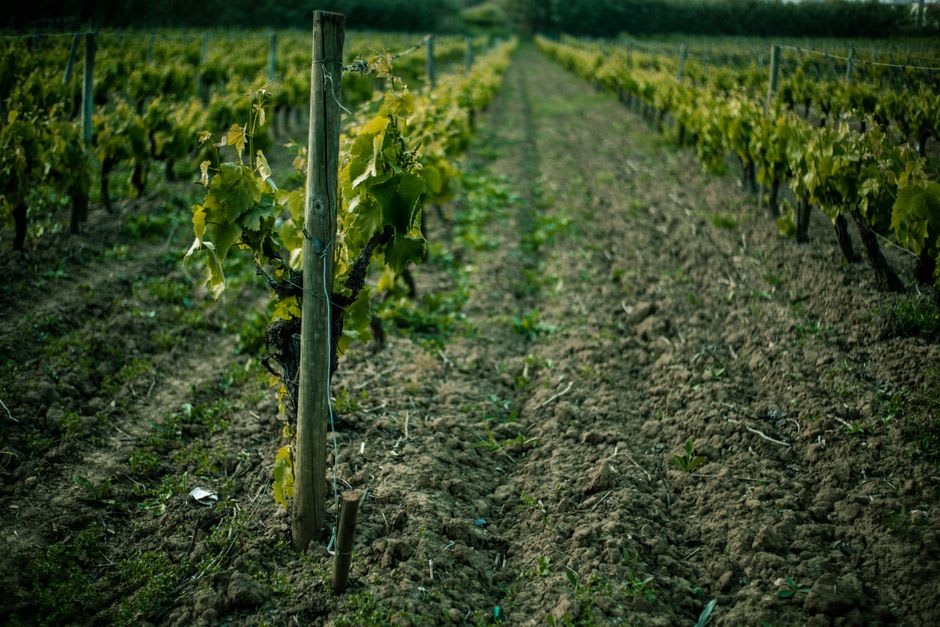
Chablis sits on a narrow band of Kimmeridgian limestone and clay, a marine soil about a hundred and fifty million years old, packed with tiny fossilized oyster shells, and this exact geology is what local winemakers insist gives Chablis its signature flinty, almost saline character, distinct from Chardonnay grown anywhere else, including elsewhere in Burgundy. The seven Grand Cru vineyards all sit on a single south-facing hillside just north of town, and we walked up through the rows on a marked path, our guide occasionally crouching to dig out a handful of pale, chalky soil studded with tiny shell fragments to prove the geology wasn’t just marketing. Below us, the town itself looked almost absurdly small to have lent its name to a wine style produced, badly, all over the world.
A small town living entirely off one hillside
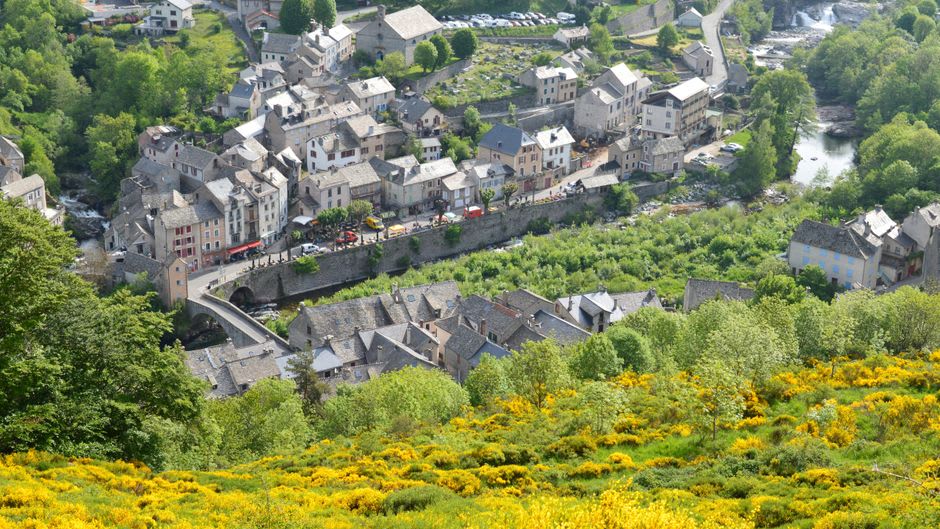
Chablis’s town centre is modest — a Gothic church, a scattering of stone houses along the Serein river, a handful of wine shops and one very good restaurant we lucked into on Rue des Moulins — and it wears its outsized reputation lightly. We tasted at a small family domaine just off the main square, working through a Petit Chablis, a village-level wine, and finally a Grand Cru side by side, and the differences in minerality and weight, explained patiently by the winemaker’s daughter who’d grown up on that exact hillside, were obvious even to two people who don’t taste wine for a living. It was, oddly, one of the more educational hours of our whole Burgundy trip, packed into a town you could walk across in ten minutes.
When to go: September for harvest, when the Grand Cru hillside is at its most active, or late spring when the vines are freshly leafed and the domaines are less rushed for tastings.
Keep exploring
More of Burgundy
Keep exploring
More from Burgundy
 france
 Tonnerre
A Yonne wine town with a spring so improbably blue it looks photoshopped, and a medieval hospital hall bigger than most cathedrals I've been in.
Explore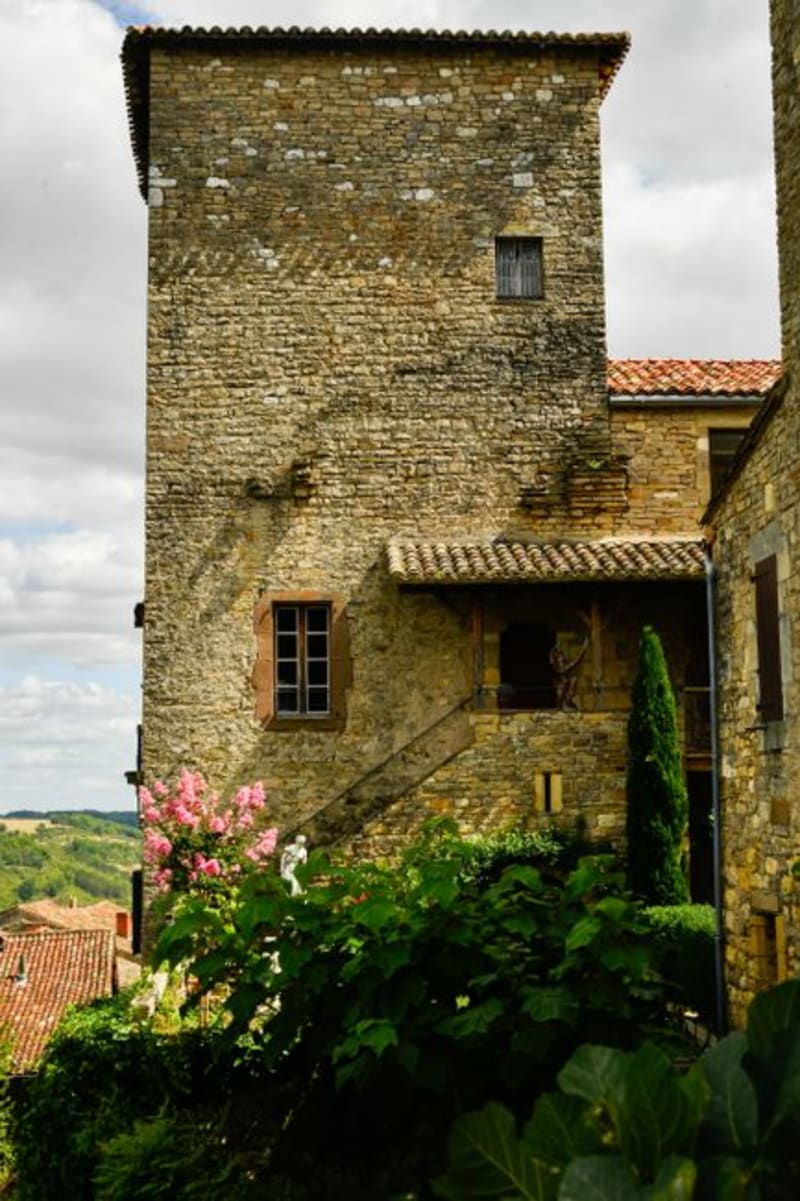 france
 Noyers-sur-Serein
A half-timbered village folded almost entirely inside a loop of the Serein river, official 'most beautiful village of France,' where I spent an hour just looking up at carved beams.
Explore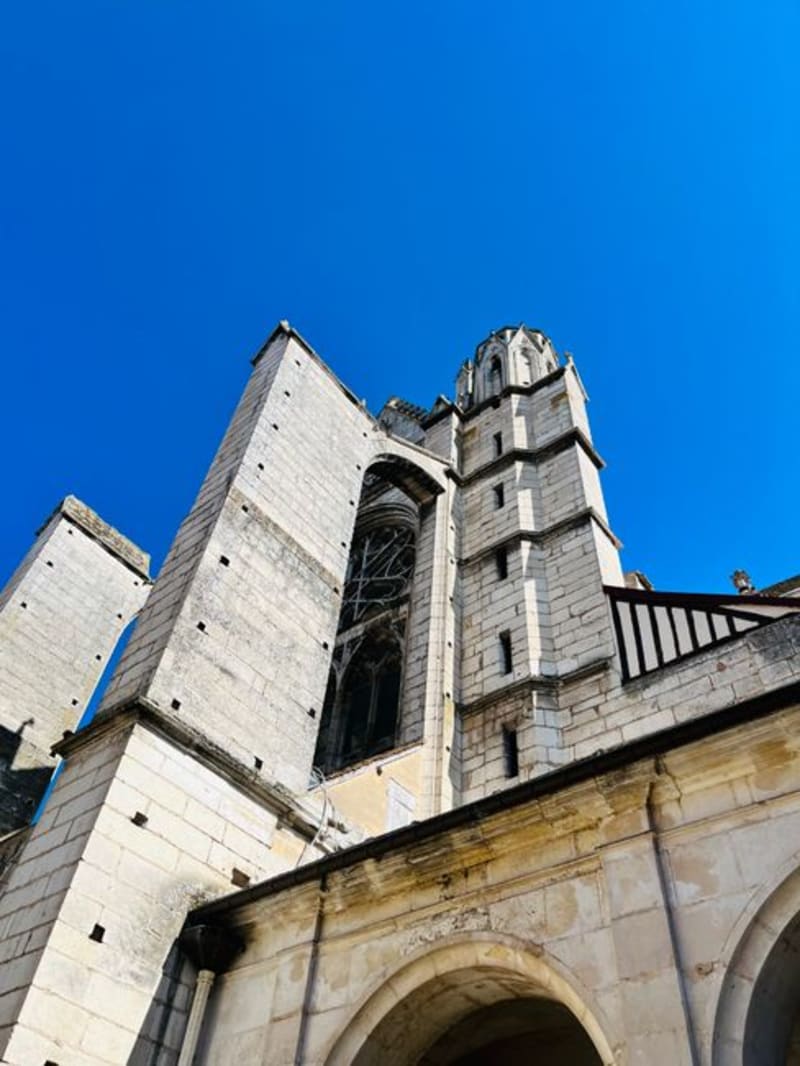 france
 Auxerre
A riverside town on the Yonne where a Gothic cathedral and a Romanesque abbey crypt sit almost on top of each other, and where the view from the water turned out to be the best one in Burgundy.
Explore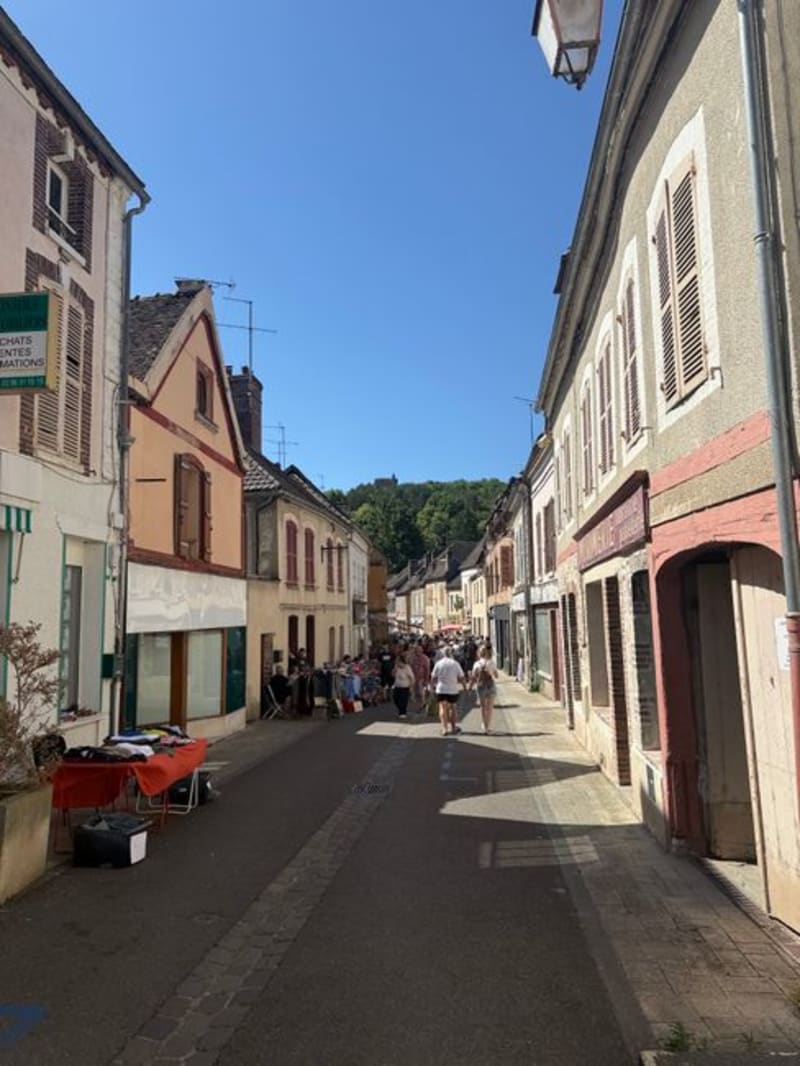 france
 Avallon
A fortified town perched on a rocky spur above its own ravine, guarding the road into the Morvan, with a Romanesque church front carved so densely we spent twenty minutes just finding all the figures.
Explore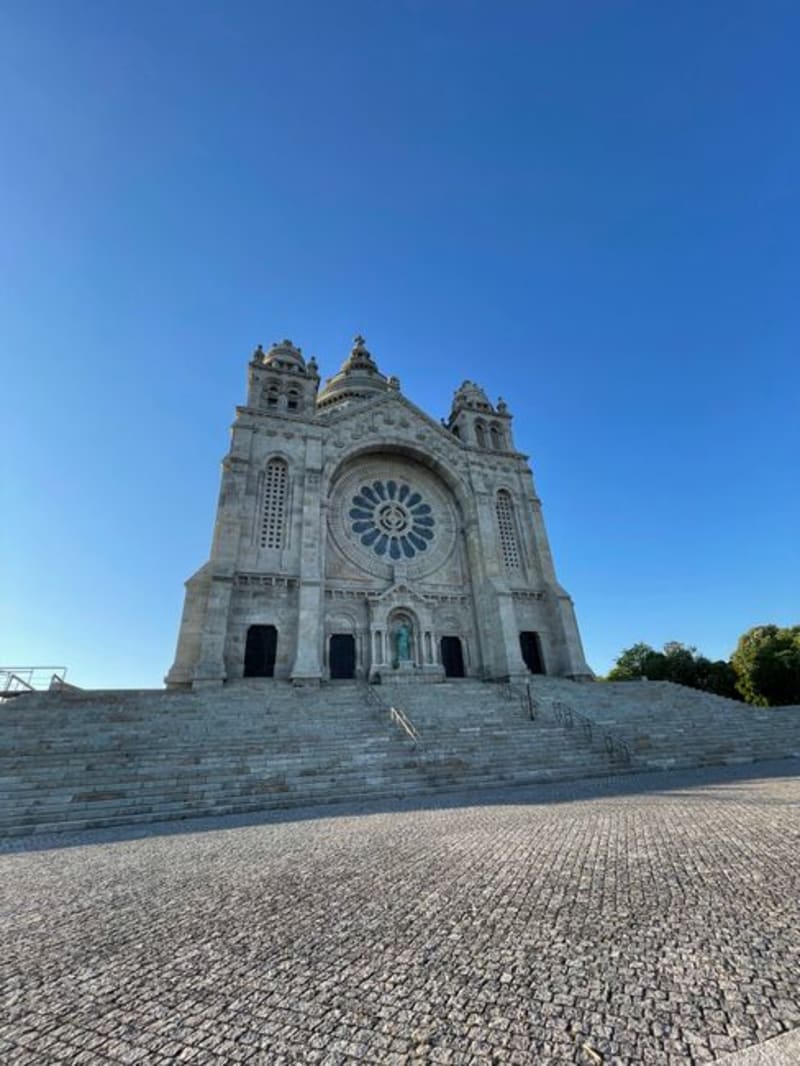 france
 Vézelay
A hilltop pilgrimage village in the Yonne crowned by a basilica so significant it launched a crusade, and one of the few places I've visited that felt genuinely worth the climb before we'd even reached the top.
Explore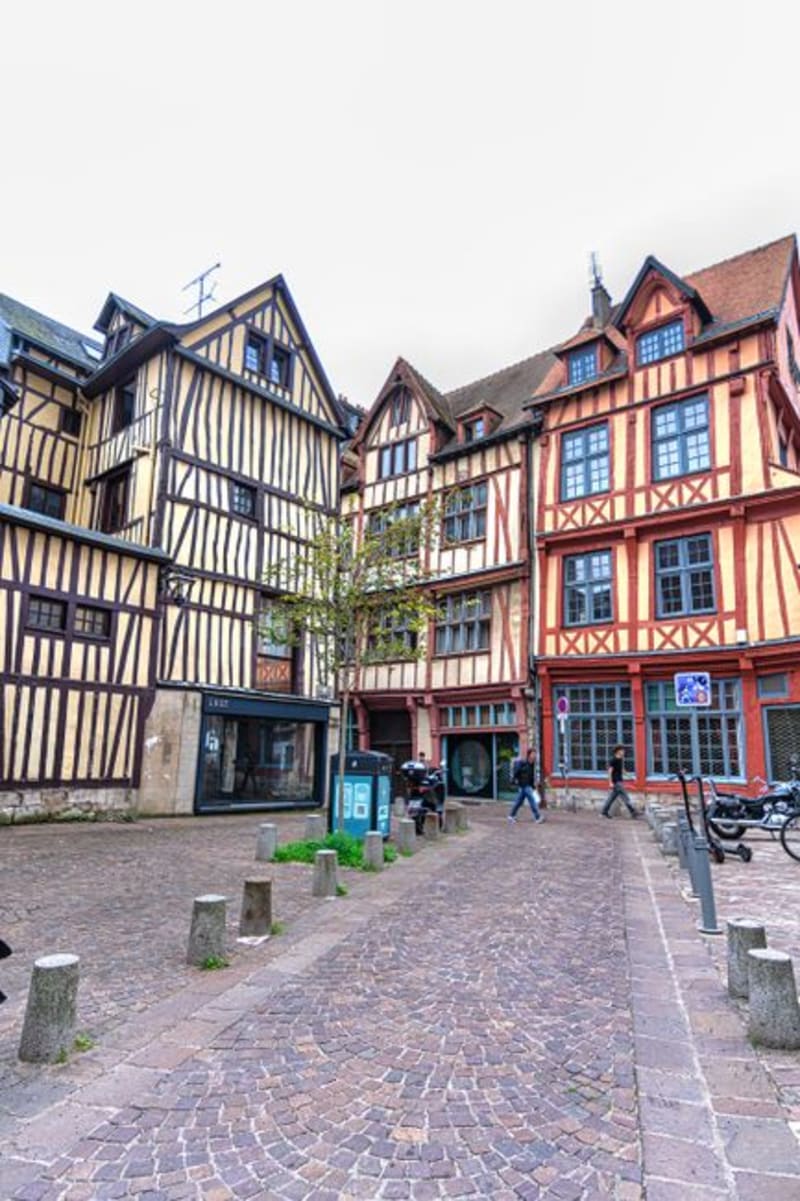 france
 Troyes
A medieval capital of Champagne whose old town is shaped like a champagne cork if you look at a map, packed with more timber-framed houses than I could count and a stained-glass tradition that outshines Chartres in sheer volume.
Explore