Vic-sur-Cère
"A spa town that time forgot to modernize, and I mean that as the highest compliment."
A Belle Époque spa village tucked into a Cantal valley, where the old thermal baths and gingerbread villas still outnumber the tourists, and the walk up to the Rocher des Pendus gave me the best view of the trip.
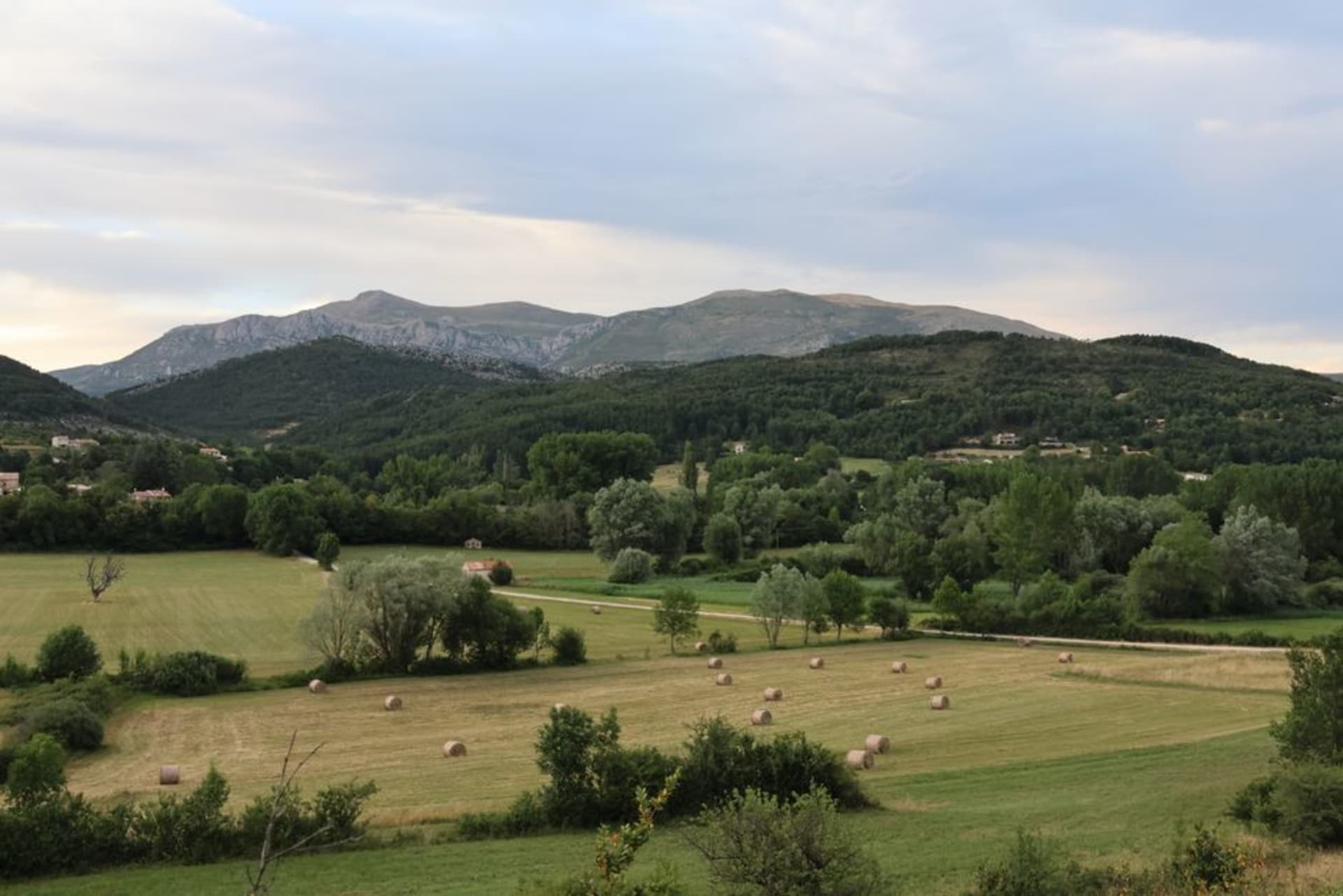
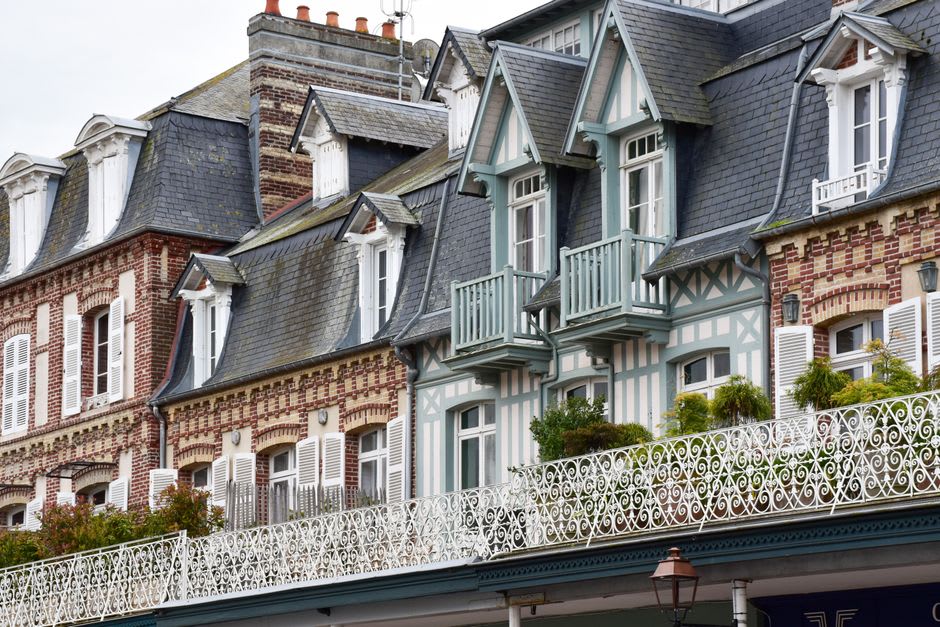
I’d driven past Vic-sur-Cère twice before I actually stopped, both times on the road between Aurillac and the higher Cantal villages, and both times I told myself I’d come back for a proper look. When I finally did, with Lia navigating off a paper map because the phone signal had given up somewhere near Thiézac, it turned out to be exactly the kind of place that rewards the detour: a small spa town squeezed into a narrow valley, built up in the nineteenth century when the thermal springs briefly made it fashionable, and never quite modernized past that point. The result is a village of pastel villas with wrought-iron balconies and turrets, laid out along the Cère river, looking like someone dropped a slice of Vichy or Royat into the middle of the Cantal mountains and forgot to update it.
Belle Époque bones in a mountain valley
The thermal establishment that put Vic-sur-Cère on the map in the 1800s is still there, more modest than the grand palaces of Vichy but unmistakably from the same era — the same taste for wrought iron, glassed-in verandas, and villas named after flowers or empresses. We wandered the streets below the old casino building for a good hour, and what struck me was how lived-in it all felt. This wasn’t a museum piece; people were hanging laundry off those wrought-iron balconies, kids were cycling past the old spa buildings like they were nothing special. Lia pointed out that half the shutters were painted the same faded blue-green, a local habit apparently, and once she said it I couldn’t stop noticing it on every street.
The climb to the Rocher des Pendus
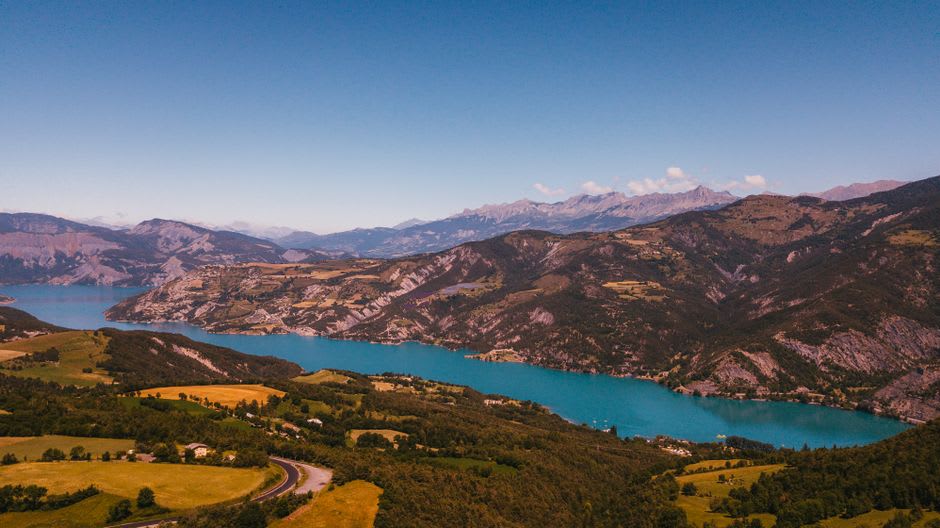
What I actually came back for was the walk up to the Rocher des Pendus, a rocky outcrop above the village whose grim name — the hanged men’s rock — comes from an old story about summary executions carried out there, though nobody could give me a date or a source that held up. Grim history aside, the path up through chestnut woods took us about forty minutes, steeper than it looked from below, and the payoff at the top was one of the best panoramas I found anywhere in the Cantal: the whole valley of the Cère laid out beneath us, the spa town’s rooftops catching the late light, and the volcanic ridges of the Cantal massif stacking up behind it in layers of blue-grey. We sat up there long enough to finish the water we’d brought and watch a pair of buzzards work the thermals along the cliff face.
When to go: Late spring through early autumn, when the Rocher des Pendus trail is dry and the valley is at its greenest; the village itself is quiet enough that summer weekends don’t really count against it.
Keep exploring
More of Auvergne