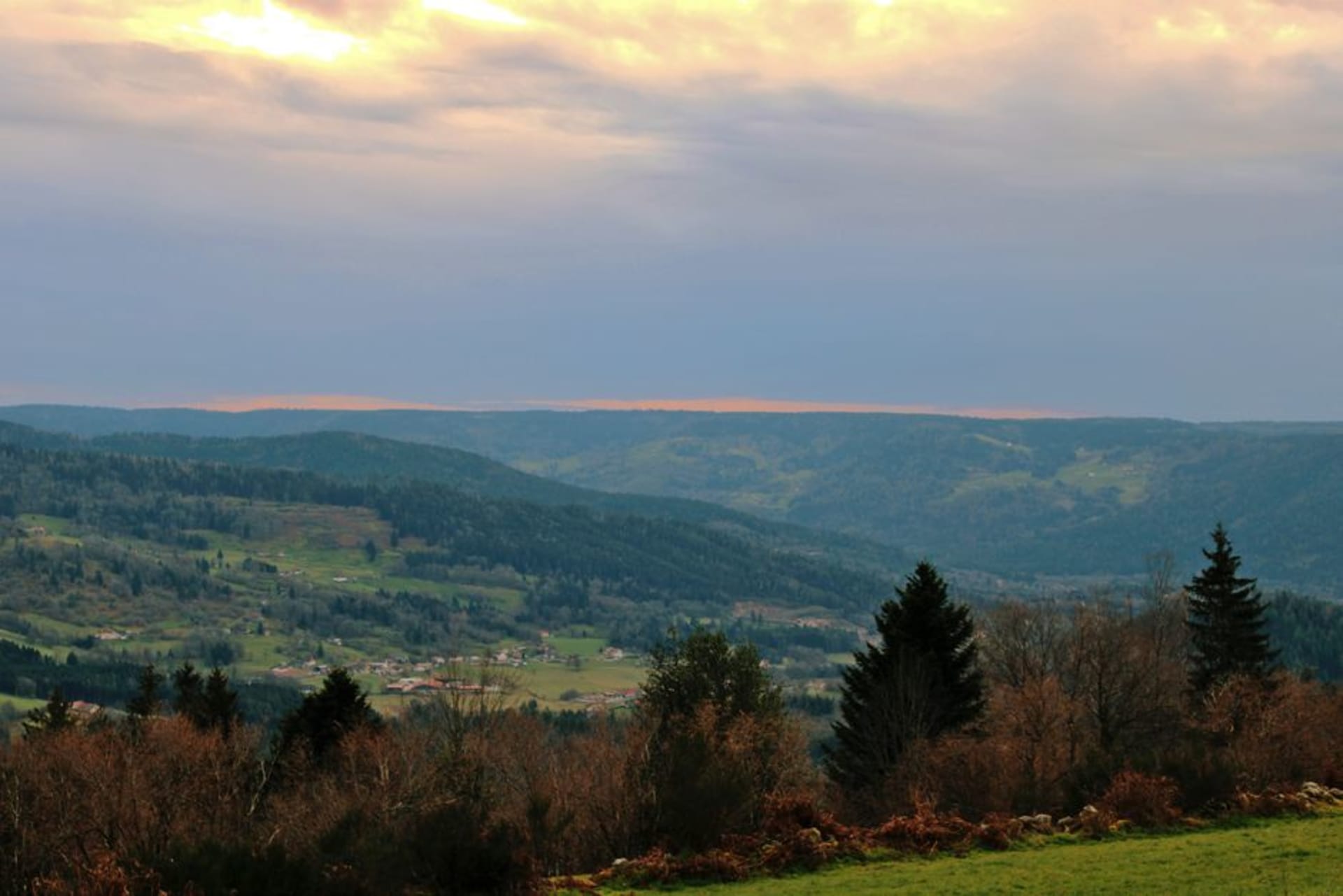
Thiers
"I came to Thiers for a pocketknife and left an hour later, legs aching, having bought three."
France's historic knife-making capital, its medieval streets so steep above the Durolle river that the whole town seems built at an angle, and every other shopfront sells a blade sharp enough to worry an airport.
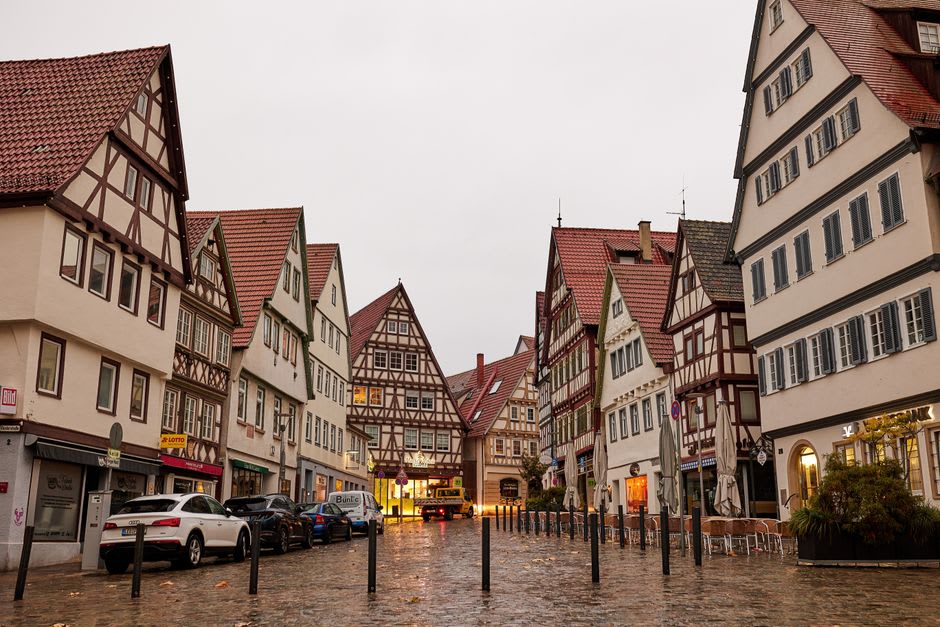
Thiers is built on a slope so steep that some of its medieval streets are essentially staircases with buildings attached, half-timbered houses leaning into each other over the centuries until their upper floors nearly touch across the alley, and the whole town clings to the side of a gorge cut by the Durolle river with a kind of stubbornness that seems very in character for a place that has been making knives here since the Middle Ages. This is the historic cutlery capital of France — Thiers has produced the majority of French-made knives for something like seven hundred years — and that identity is impossible to miss from the moment you park the car and start walking uphill.
A town powered by its own river
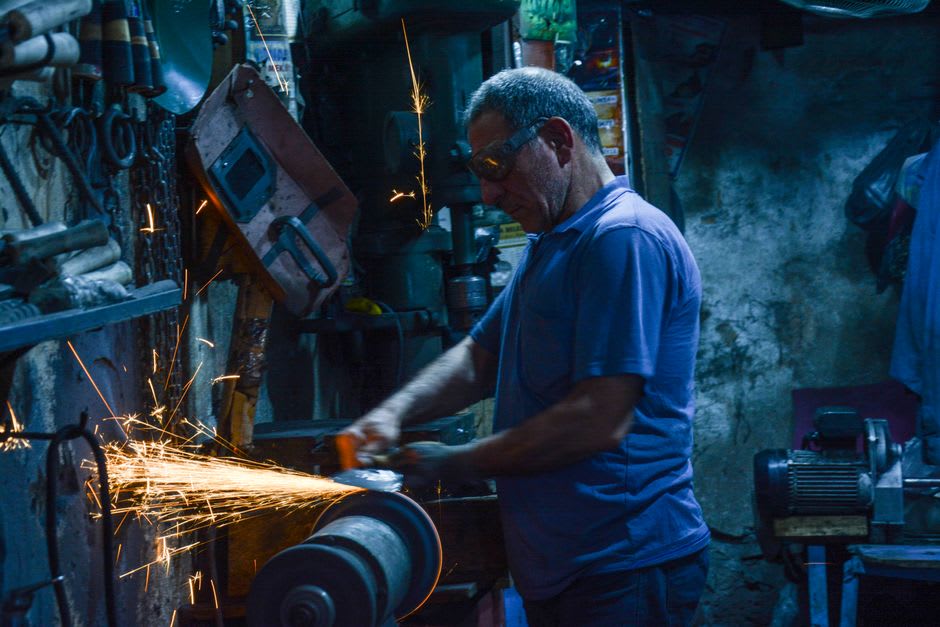
The reason Thiers became a knife town in the first place is the Durolle, which drops steeply enough through the gorge below the old town to have powered dozens of watermills, and cutlers built their workshops directly along the riverbanks to harness that current for grinding and polishing blades. A handful of these old grinding workshops, called rouets, survive along a walking path down in the gorge, some restored as small museums where you can watch demonstrations of the old foot-powered and water-powered grinding wheels in action, sparks flying off steel blades in a way that feels genuinely dangerous even from a safe distance. We walked the gorge path on a warm afternoon, the sound of the river below us and the smell of the surrounding forest, and it was easily as memorable as the town above.
Buying a knife you didn’t know you needed
Up in the old town, the steep streets are lined with cutlery shops ranging from tourist-trap souvenir stalls to serious ateliers selling hand-finished Laguiole-style and Thiers-style knives that cost as much as a nice dinner, and after politely browsing three or four of them I walked out with a small folding knife with a horn handle that I genuinely didn’t need but couldn’t leave behind. The Musée de la Coutellerie, built into one of the old town’s most striking half-timbered buildings, walks through the whole history of the trade with real blades on display going back centuries, and gives useful context for exactly why every shop window in town is full of steel.
When to go: Spring through autumn, when the gorge path along the Durolle is dry underfoot and comfortable for the steep climb back up into town; wear shoes you don’t mind hiking in, because Thiers does not do flat.
Keep exploring
More of Auvergne