Saint-Nectaire
"I've eaten Saint-Nectaire cheese my whole life and never once thought about the actual village until I stood in it."
A village that gave its name to one of France's great cheeses, with a Romanesque church on the hill above and cellars below where wheels of Saint-Nectaire still age on straw the old way.
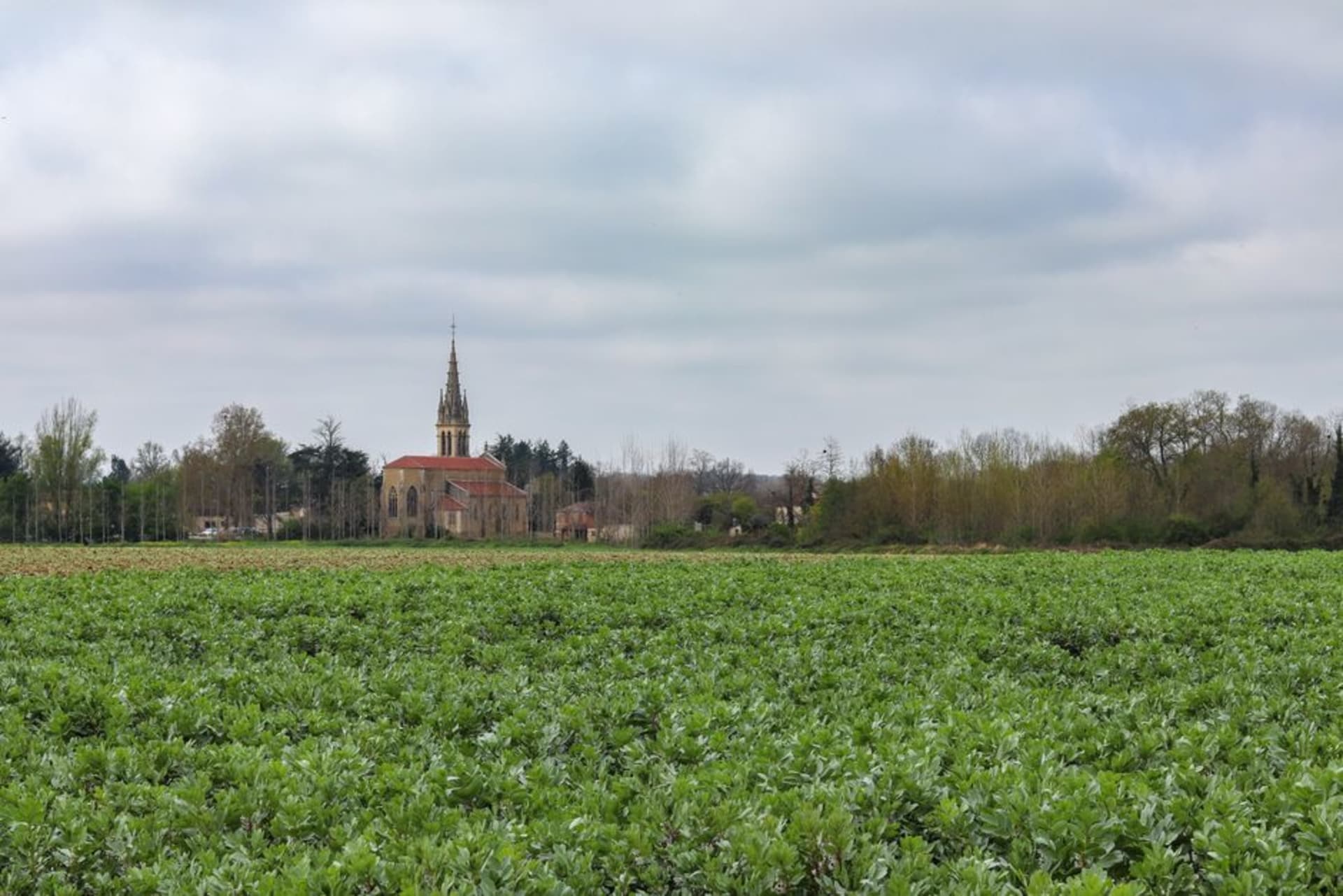
Saint-Nectaire is one of those places where the food got famous enough that it’s easy to forget there’s an actual village attached, but the village is very much there, split between a lower town of thermal baths and a small upper settlement, Saint-Nectaire-le-Haut, crowned by a Romanesque church that looks almost too grand for the size of the place beneath it. I’d bought wheels of Saint-Nectaire cheese from cheese counters across France for years before I ever stood in the village itself, and there’s a specific pleasure in finally connecting a taste you know well to the actual hillside and farms it comes from.
A church built by monks who also made cheese
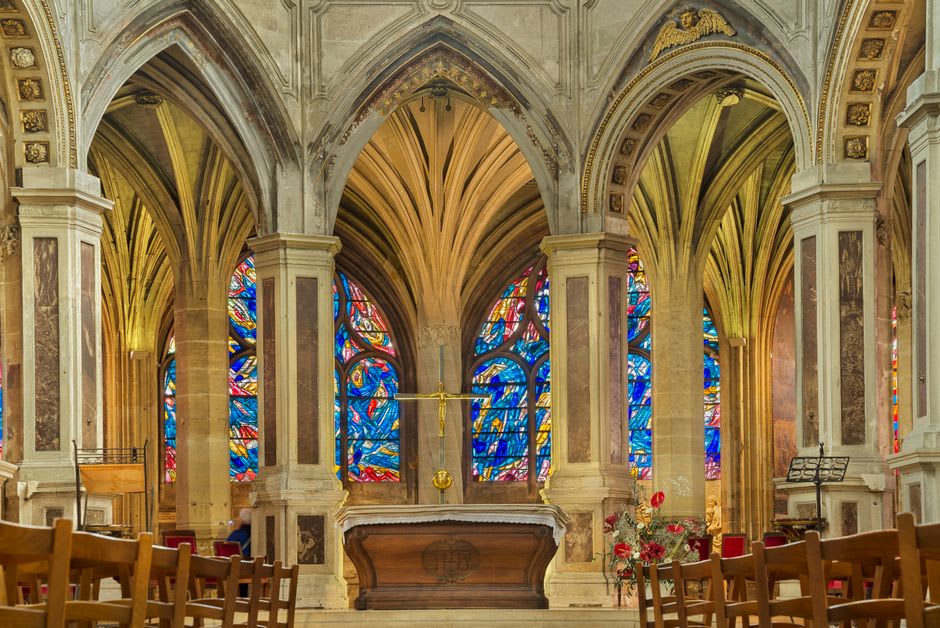
The Église Saint-Nectaire, up on its hilltop, is one of the five great Romanesque churches of the Auvergne, built in the twelfth century with the same stepped chevet and carved capitals as its cousins at Orcival and Issoire, its two mismatched towers visible from most of the valley below. Local tradition credits the monks of a nearby priory with developing the cheese-making techniques that gave the region its name, aging raw cow’s milk cheese on beds of rye straw in cool cellars dug into the volcanic hillside, a method that farms around the village still use today largely unchanged. We climbed up to the church on a quiet weekday morning, had the carved capitals mostly to ourselves, and looked out over pastureland that has been producing this exact cheese for the better part of a thousand years.
Into the cheese cellars
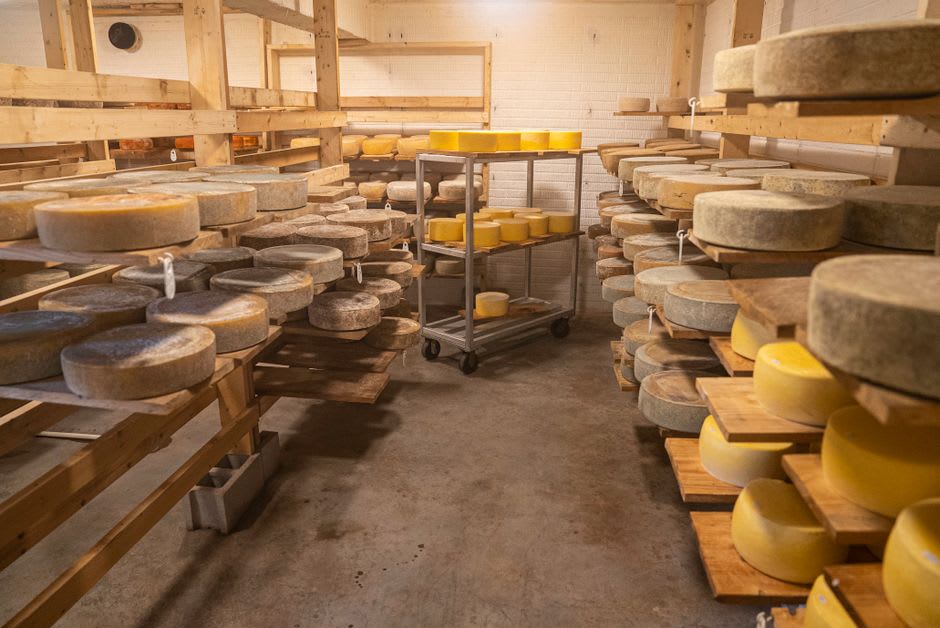
Several farms around the village open their affinage cellars to visitors, and we booked a short tour at one of them, walking down into a cool, dim, earthy-smelling cave lined floor to ceiling with wheels of cheese resting on straw mats, each one turned and brushed regularly over weeks of aging until the rind develops its distinctive grey-orange bloom. The farmer running the tour cut us a wedge straight off a wheel that had been aging exactly the right number of weeks, and it tasted, unsurprisingly, like nothing from a supermarket ever had — nuttier, muddier, more alive. We left with a full wheel wrapped in paper that didn’t survive the drive home intact.
The village also sits on its own thermal springs, less dressed up than Le Mont-Dore or La Bourboule but genuinely used since Roman times, and the lower town retains a handful of modest bath buildings still in operation.
When to go: Late spring through autumn for cellar visits and the church, ideally timed with a farm tour booked a day ahead since the smaller producers don’t always take walk-ins.
Keep exploring
More of Auvergne