Royat
"Ten minutes from Clermont-Ferrand's tram lines and suddenly you're in a spa town out of a Maupassant story."
The thermal spa suburb where Clermont-Ferrand quietly ends and the Chaîne des Puys begins, with a fortified Romanesque church and Gallo-Roman bath ruins tucked behind the Belle Époque casino.
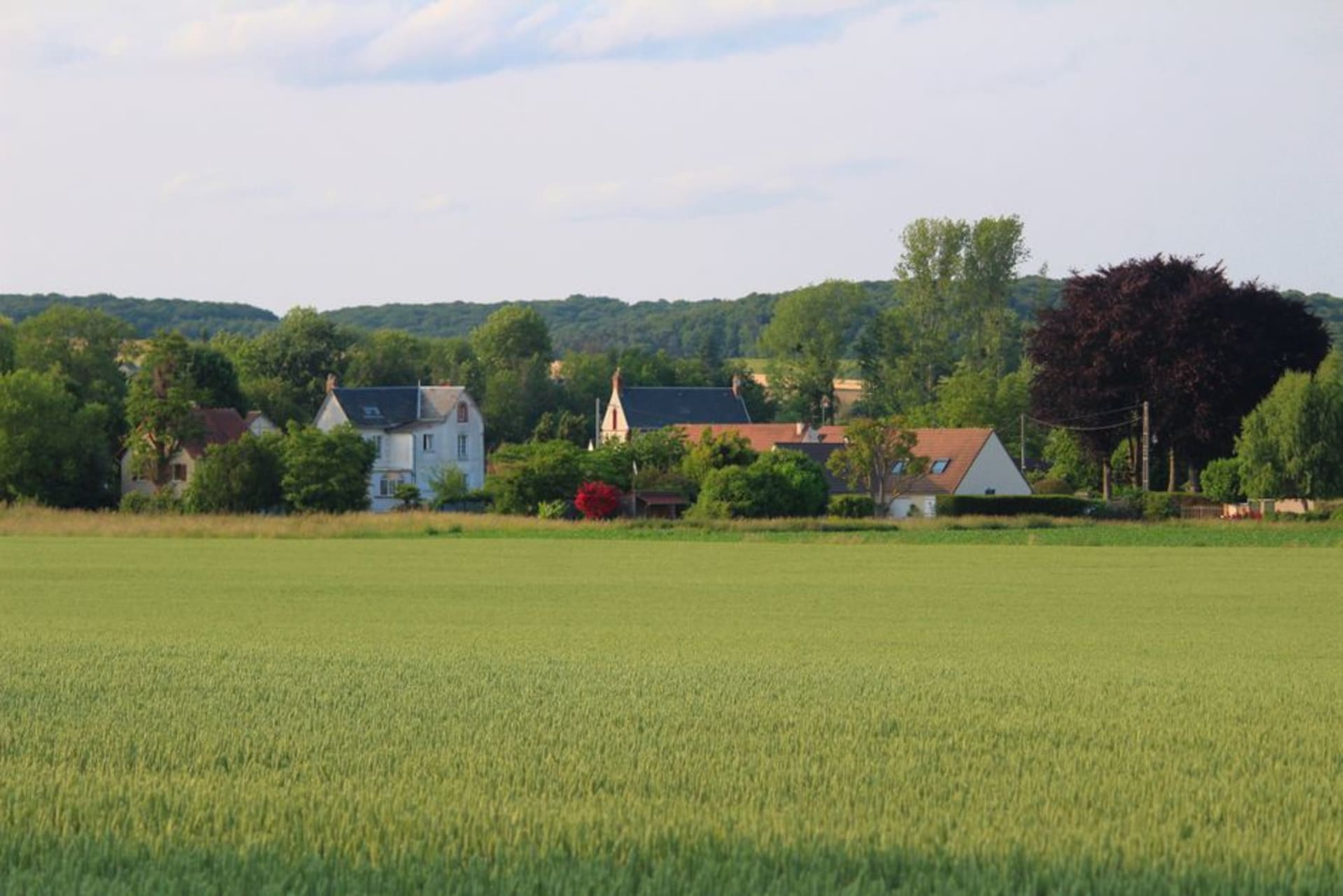
Royat is close enough to Clermont-Ferrand that it barely registers as a separate destination on a map, more or less a suburb reached by tram, but the moment you step off at the Royat-Chamalières stop the character of the place changes completely. Where Clermont is grey basalt and student energy, Royat is a nineteenth-century spa town in miniature, all cast-iron canopies and chestnut-lined avenues, built around thermal springs that the Romans were already using two thousand years before Napoleon III’s doctors decided to fashion them into a resort.
Baths old and older
The thermal establishment at the center of Royat dates mostly from the 1860s, a grand building with a glazed entrance canopy where the Second Empire elite came to take the waters, and it’s still operating today, though the clientele these days is more likely to be locals with prescriptions than aristocrats with gout. What surprised me more was learning, from a small display near the baths, that Gallo-Roman remains had been found right beneath the modern complex — foundations of an earlier bathing establishment that used the same springs, proof that people have been coming to Royat specifically for its water for the better part of two millennia. Standing at the display, Lia pointed out that the marketing pitch had essentially not changed since antiquity: come here, the water will fix you.
A fortress built to protect a church
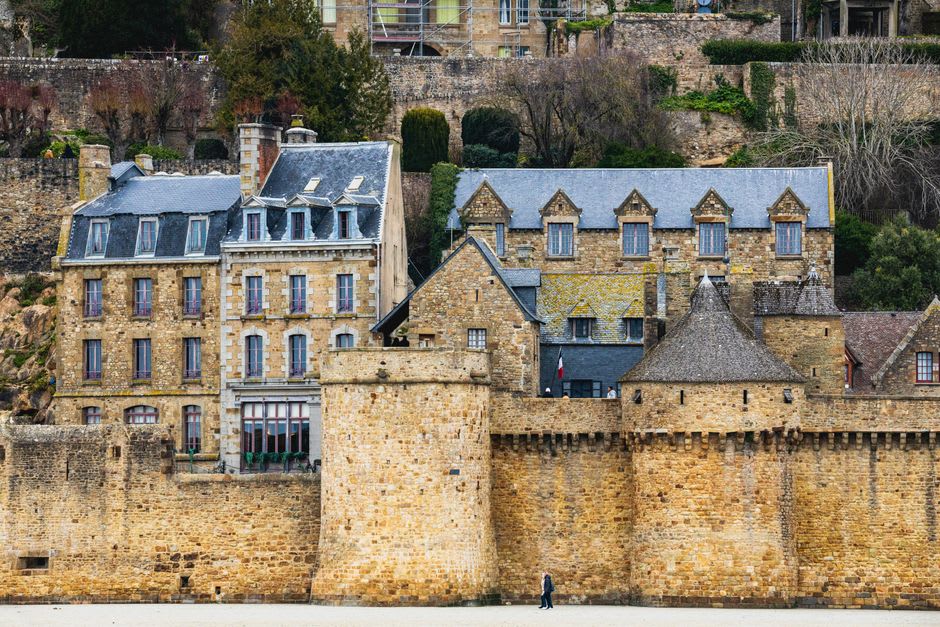
Above the spa quarter, the old village center of Royat has a genuinely striking Romanesque church, Saint-Léger, built in the twelfth century and then, unusually, fortified around its perimeter with defensive walls and towers so the whole structure could double as a refuge during periods of unrest. Walking the narrow passage between the outer fortified wall and the church itself, you can still see the arrow slits and the crenellations that turned a place of worship into a genuine stronghold; it’s a smaller, less famous cousin of the fortified church at Saint-Saturnin nearby, but no less effective for it. We climbed a short stair inside the fortifications for a view back down over the spa quarter’s rooftops toward Clermont-Ferrand’s cathedral spires in the distance.
When to go: Any season works for the baths and the old village, but spring and autumn are best if you want to combine Royat with a hike up into the nearby Chaîne des Puys before the weather turns.
Keep exploring
More of Auvergne