Montluçon
"I came for the château and left having learned more about accordions than I ever expected to know."
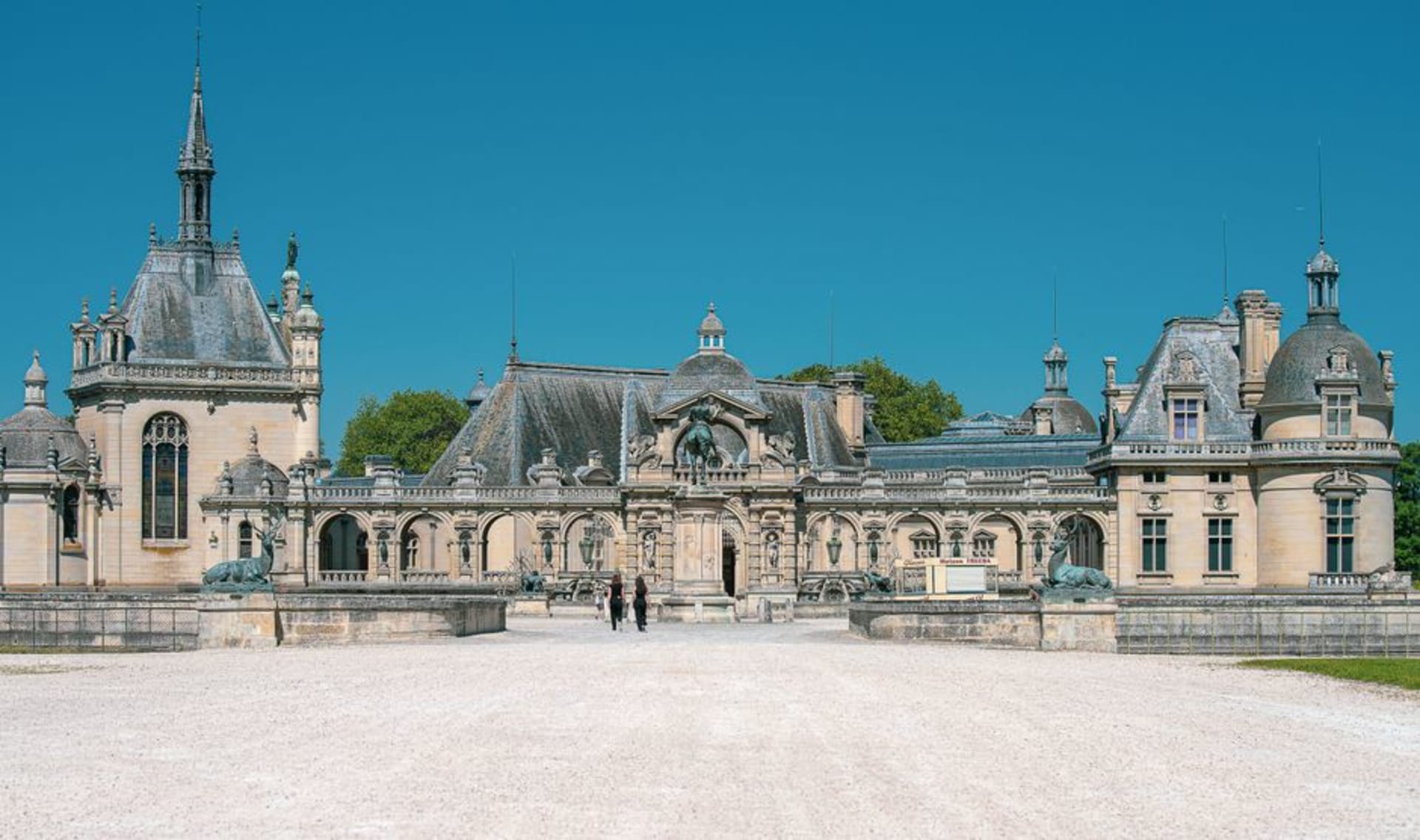
A Bourbonnais border town where Auvergne quietly hands off to Berry, its medieval streets stacked below a château that once guarded the frontier and now houses an accordion museum I did not see coming.
Montluçon sits at the northwestern edge of Auvergne, close enough to the Berry region that the landscape starts to soften out of volcanic hills into gentler farmland, and the town has always functioned as a kind of hinge between the two — historically part of the Bourbonnais, the old duchy that once controlled this borderland, rather than squarely Auvergnat or squarely Berrichon. We stopped on our way north out of the region, expecting a quick look at the château and not much else, and ended up staying most of the day.
A château built for a border that mattered
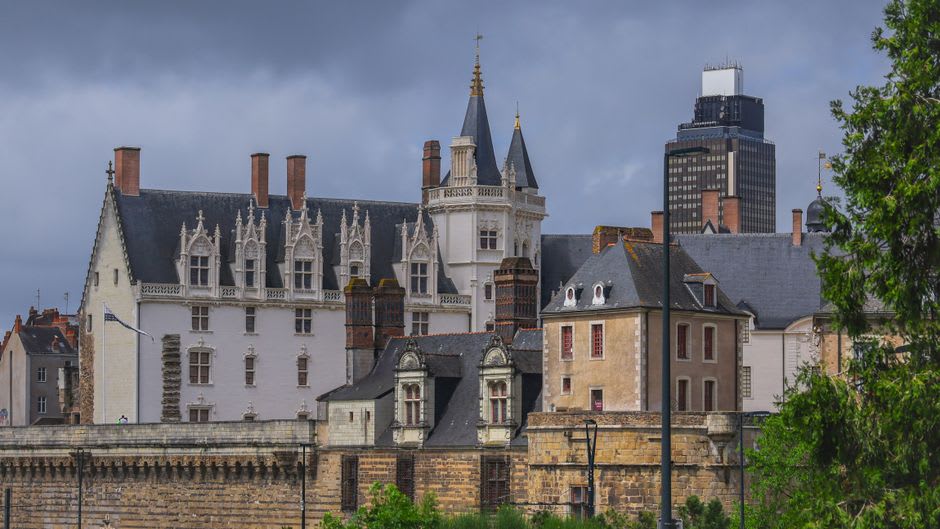
The Château des Ducs de Bourbon rises above Montluçon’s old town on a rocky spur, built in the fourteenth century by the dukes of Bourbon to control river crossings and trade routes along the frontier between their territory and the kingdom of France proper — a reminder that this part of the country wasn’t always simply “France” in any settled sense. Climbing up to it from the medieval streets below, past steep lanes of half-timbered houses leaning into each other at odd angles, gives you a real sense of the defensive logic: whoever held this spur controlled the approach from several directions at once. The château itself now houses, somewhat unexpectedly, a national museum dedicated to the accordion and other popular French instruments, a collection that turned out to be one of the most engaging small museums I’ve been to in the region, tracing how the instrument became inseparable from French dance-hall culture in the nineteenth and twentieth centuries.
Old streets that still work as streets
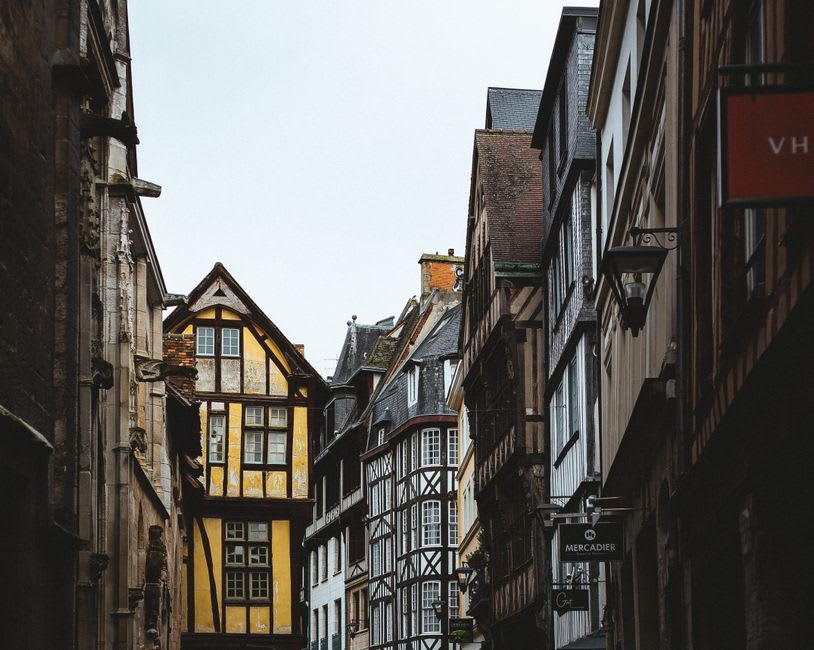
What I liked most about Montluçon’s medieval quarter is that it hasn’t been entirely given over to tourism the way some better-known old towns have; the half-timbered houses along Rue Grande and the streets fanning out from Saint-Pierre church are still full of ordinary shops and apartments, laundry hanging from upper windows, kids cutting through on bikes. We had lunch at a small place off the main square where the owner, on hearing we’d come up from Auvergne proper, made a point of telling us Montluçon was Bourbonnais, not Auvergnat, with the kind of gentle insistence that told me the distinction still mattered locally even if most outside visitors wouldn’t know to ask.
When to go: Spring and autumn suit the town well for walking the old quarter and château grounds without summer crowds, though Montluçon’s July street-art and music festival is worth timing a visit around if that’s your thing.
Keep exploring
More of Auvergne