
Le Mont-Dore
"We hiked the highest point in central France in the morning and soaked in Roman-era hot springs by evening. Not a bad day."
A thermal spa town at the foot of the Puy de Sancy, where you can ride a cable car toward the highest point in central France and then soak the resulting sore legs in the same hot springs the Romans used.

Le Mont-Dore sits in a narrow valley directly beneath the Puy de Sancy, the highest point in the Massif Central and, depending on how you count, the highest point in France outside the Alps and Pyrenees, and the town has built its entire identity around the two things that mountain offers: hiking and skiing above, and hot mineral water below. The Romans knew about the springs here — archaeological remains under the current Établissement Thermal date the site’s use back nearly two thousand years — and the town that grew up around them still smells faintly of the sulphur and warm stone that make thermal towns in this region so distinctive.
Up to the roof of central France
A cable car, the funiculaire du Sancy, runs from just outside town most of the way up the slope, cutting a good chunk of elevation off what would otherwise be a serious climb, and from the top station it’s a manageable hour or so of hiking to the summit of the Puy de Sancy at 1,886 meters. We went up on a clear late-June morning and the view from the top genuinely surprised me — the entire Chaîne des Puys stretching north in a chain of green volcanic cones, and on the clearest days, they say you can see as far as the Alps, though we settled for the more modest but still spectacular view of Auvergne’s own volcanic country laid out below us.

Soaking it off afterward
Back down in town, the Établissement Thermal is a grand nineteenth-century building of stone and ironwork, still operating as a working spa offering treatments for respiratory conditions using the naturally warm, mineral-rich water that rises here, and while we didn’t book the full medical cure that brings in regular thermal patients every season, a shorter relaxation session in the warm pools after a morning of hiking felt like exactly the right way to end the day. In winter the town flips identity entirely, becoming a modest but genuine ski resort with pistes running down from the same slopes we’d hiked in summer, which says something about how thoroughly this valley has organized itself around its mountain.

When to go: July and August for hiking the Puy de Sancy in full daylight and warm weather, or December through March if skiing and the thermal baths together sound like a better combination than a summer trail.
Keep exploring
More of Auvergne
Keep exploring
More from Auvergne
 france
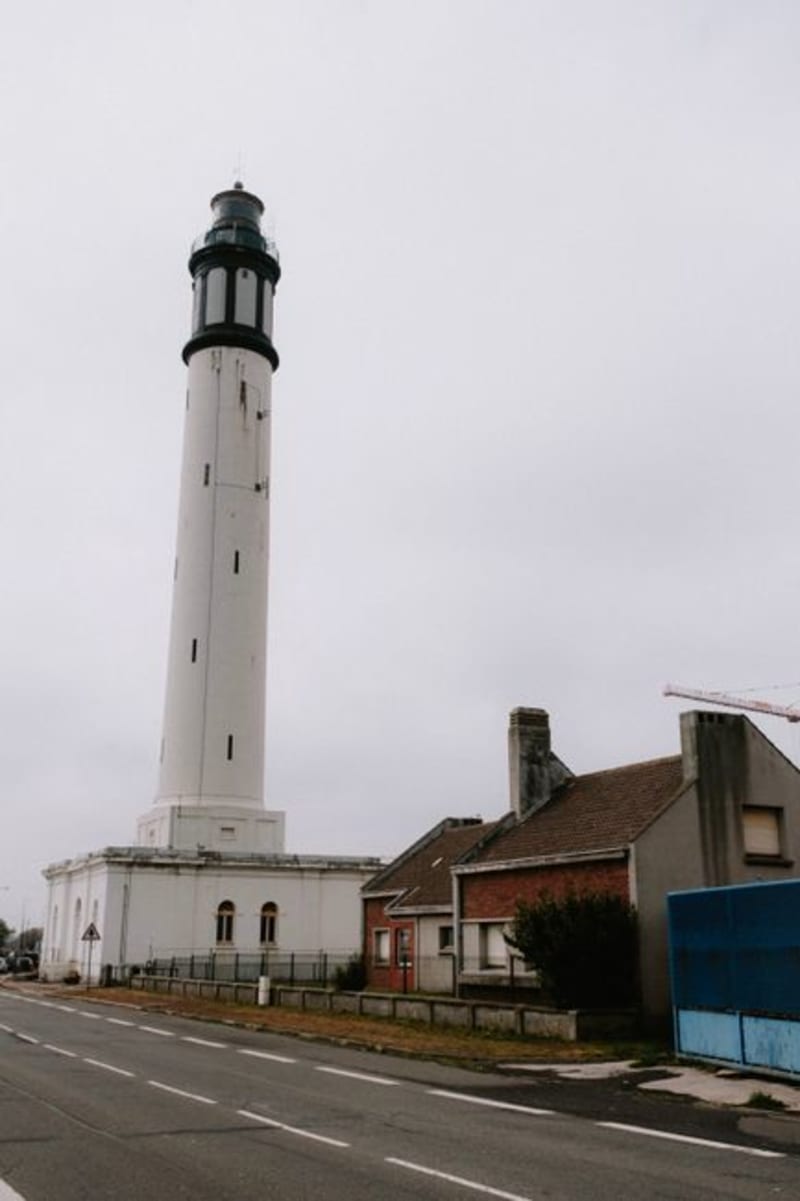
 Montluçon
A Bourbonnais border town where Auvergne quietly hands off to Berry, its medieval streets stacked below a château that once guarded the frontier and now houses an accordion museum I did not see coming.
Explore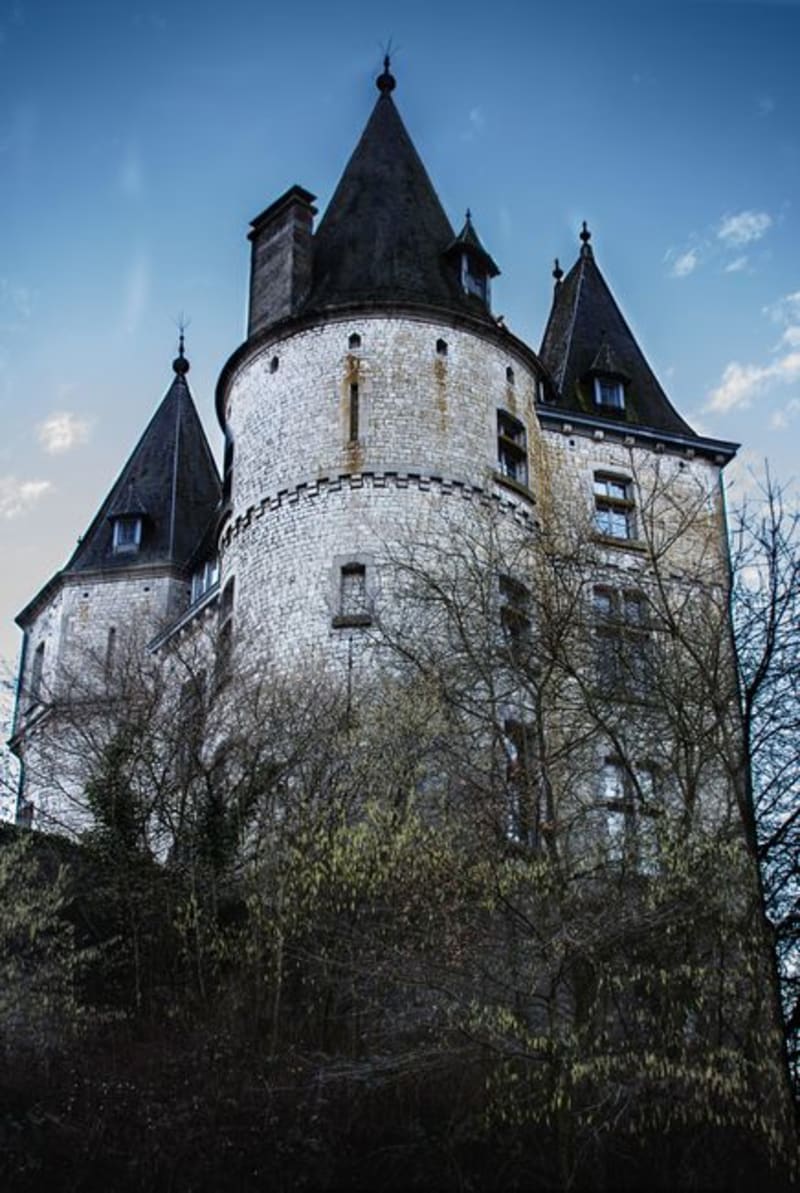 france
 Salers
A fortified medieval village in the Cantal highlands built entirely from dark volcanic stone, home to the deep red cattle breed that shares its name and grazes the surrounding pastures in the thousands.
Explore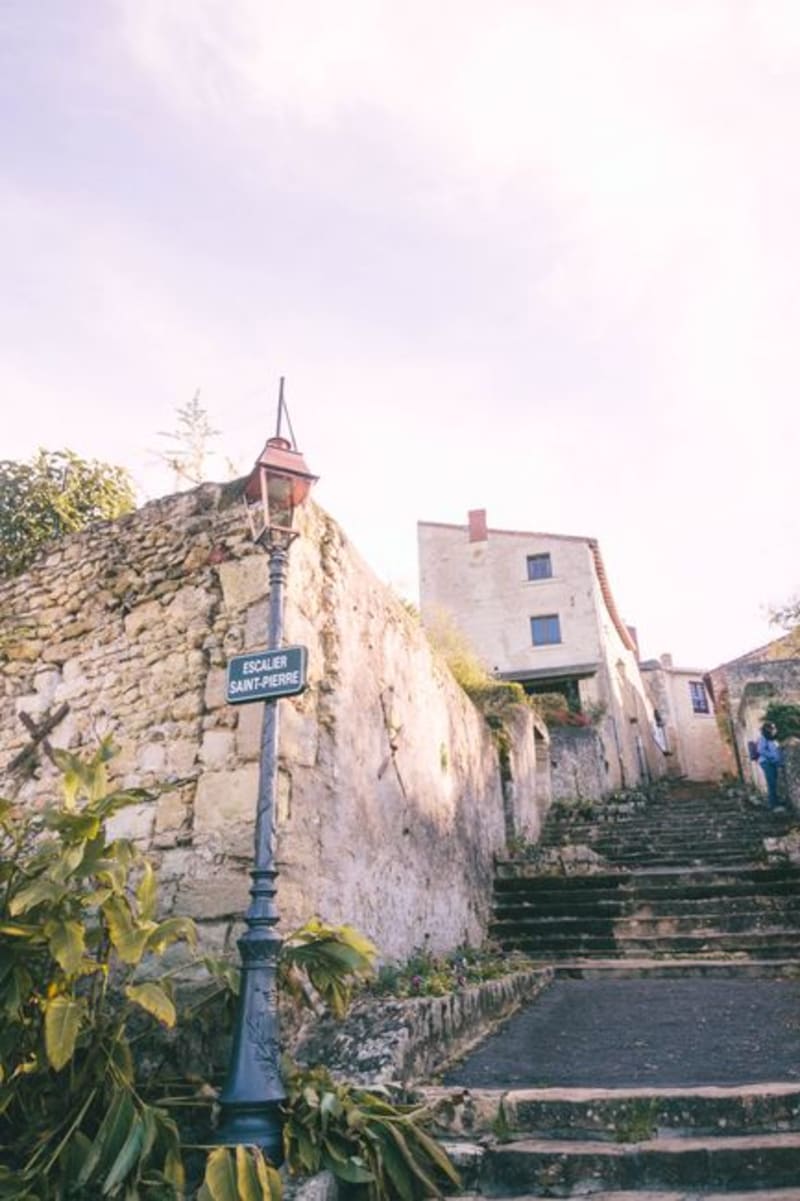 france
 La Bourboule
A Belle Époque spa town built around arsenic-laced springs that were once prescribed as medicine, its grand pastel facades still holding onto the faded glamour of a century when families sent their children here to be cured.
Explore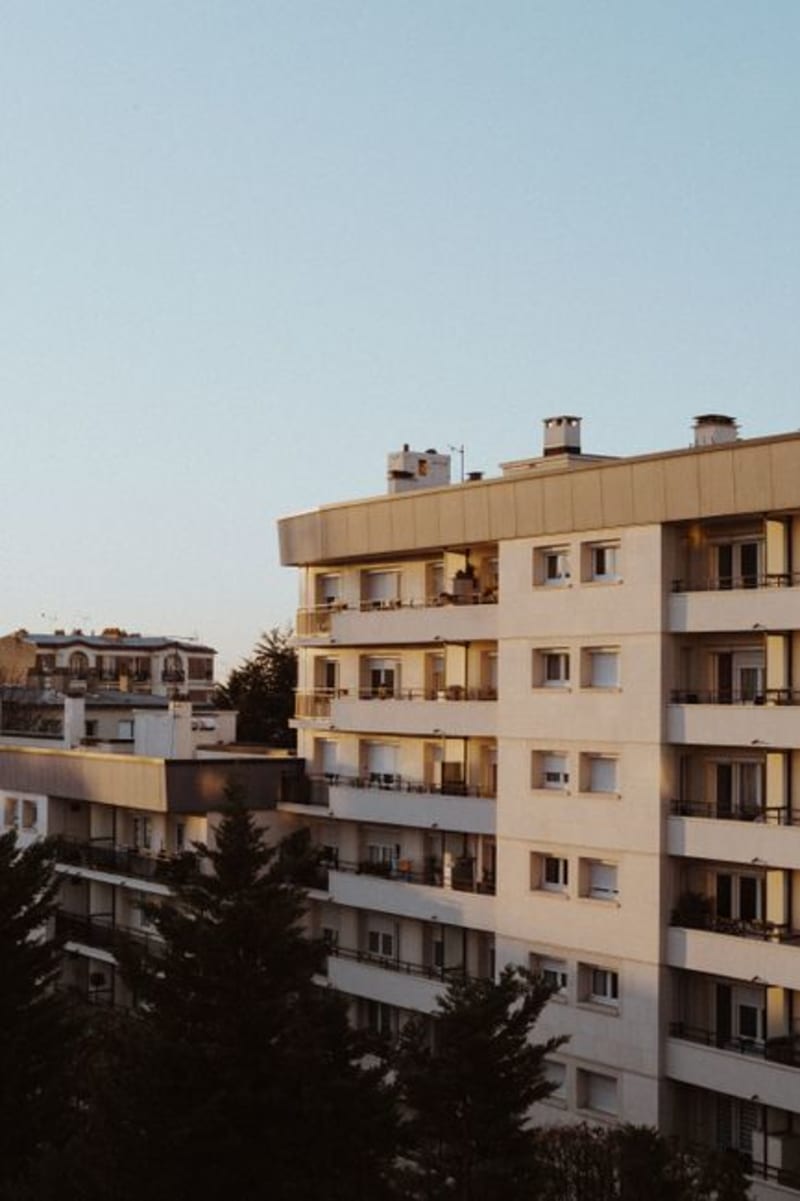 france
 Aurillac
Cantal's real capital, a town that quietly made the world's umbrellas for a century and still treats the volcanic massif on its doorstep as an ordinary backyard rather than a tourist attraction.
Explore france
 Orcival
A Romanesque pilgrimage basilica sitting in the bottom of a volcanic valley, in a village so small the church seems to have been built for a much bigger town that never showed up.
Explore france
 Vic-sur-Cère
A Belle Époque spa village tucked into a Cantal valley, where the old thermal baths and gingerbread villas still outnumber the tourists, and the walk up to the Rocher des Pendus gave me the best view of the trip.
Explore