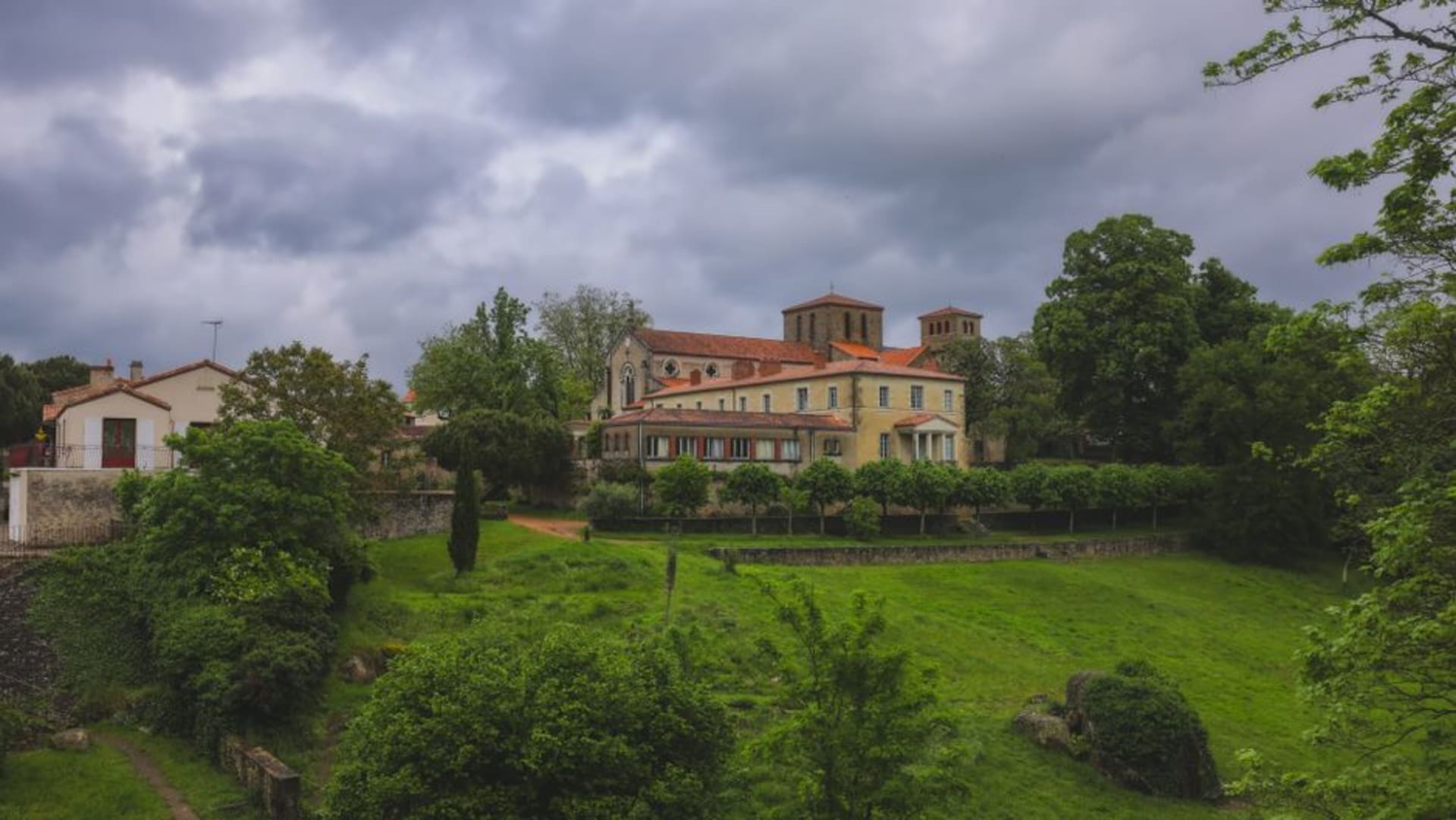
La Bourboule
"This town's water is famous for its arsenic content, and somehow that used to be the selling point."
A Belle Époque spa town built around arsenic-laced springs that were once prescribed as medicine, its grand pastel facades still holding onto the faded glamour of a century when families sent their children here to be cured.
La Bourboule sits a few kilometers down the valley from Le Mont-Dore, close enough that people often pair the two, but where its neighbor leans into hiking and skiing, La Bourboule has always leaned into being a spa town, full stop — specifically a children’s spa town, which is not a phrase you hear often. The springs here are unusually rich in arsenic, in naturally occurring, medically monitored trace amounts, and in the nineteenth century that mineral content was marketed as uniquely effective for treating childhood respiratory illnesses, which turned La Bourboule into one of France’s great pediatric thermal resorts, with entire hotels and even a dedicated children’s hospital built around the cure.
A town built for convalescing children
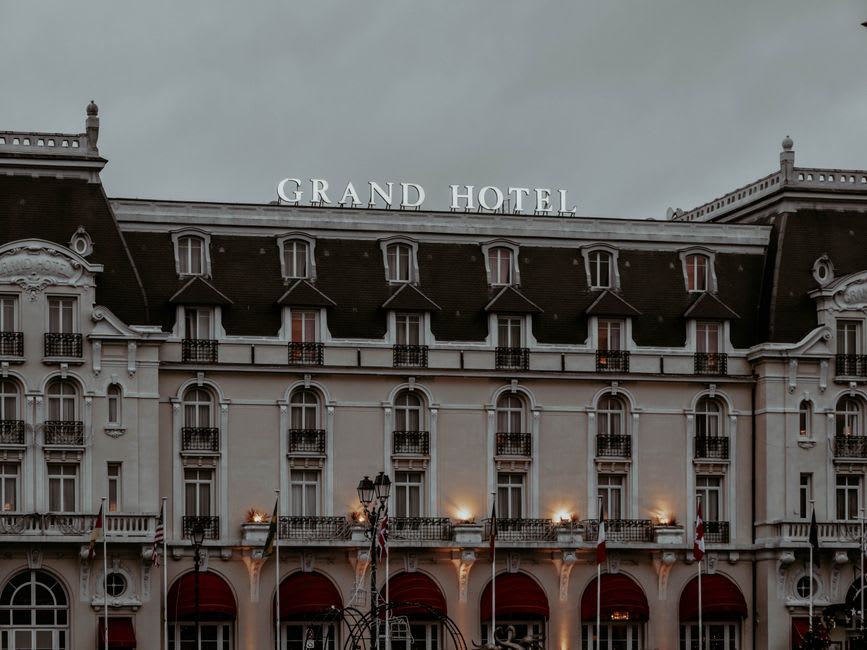
Walking through La Bourboule today, that history is still visible in the architecture: wide, gentle promenades built for slow strolling, grand Belle Époque hotel facades in pastel stone with wrought-iron balconies, and a genuinely lovely municipal park, the Parc Fenestre, laid out with exactly the kind of shaded paths and quiet benches you’d want for children recovering from illness a century ago. The Grands Thermes still operate, treating respiratory and skin conditions with the same arsenical-sulphurous water that built the town’s reputation, and though the crowds of convalescing families from Belle Époque France are long gone, the pace of the place still feels unmistakably built for rest rather than adventure.
The Parc Fenestre and the mountain behind it
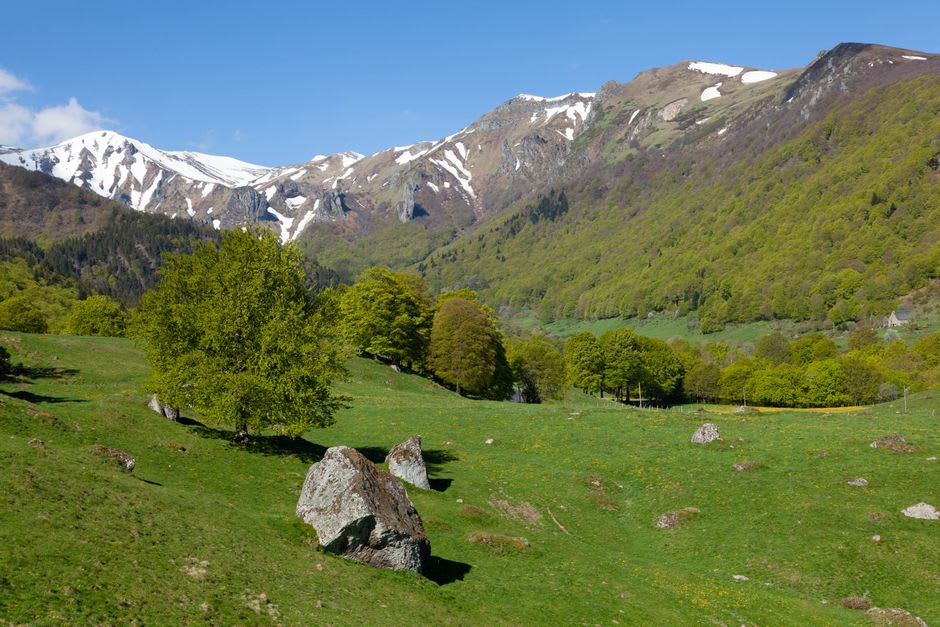
We spent an easy afternoon in the Parc Fenestre, a genuinely handsome public garden with mature trees and a small stream running through it, more restorative in its own quiet way than anything we’d planned, before taking the cable car up nearby Charlannes plateau for a view back down over the whole valley and across to the Sancy massif. Charlannes has its own small network of walking and, in winter, cross-country skiing trails, gentler than the serious hiking around Le Mont-Dore, in keeping with La Bourboule’s whole character as the calmer, more convalescent half of this thermal valley.
When to go: Late spring through early autumn for the parks and the Charlannes cable car in comfortable weather; it’s a genuinely restful stop if you want a slower day between more active stretches of an Auvergne itinerary.
Keep exploring
More of Auvergne