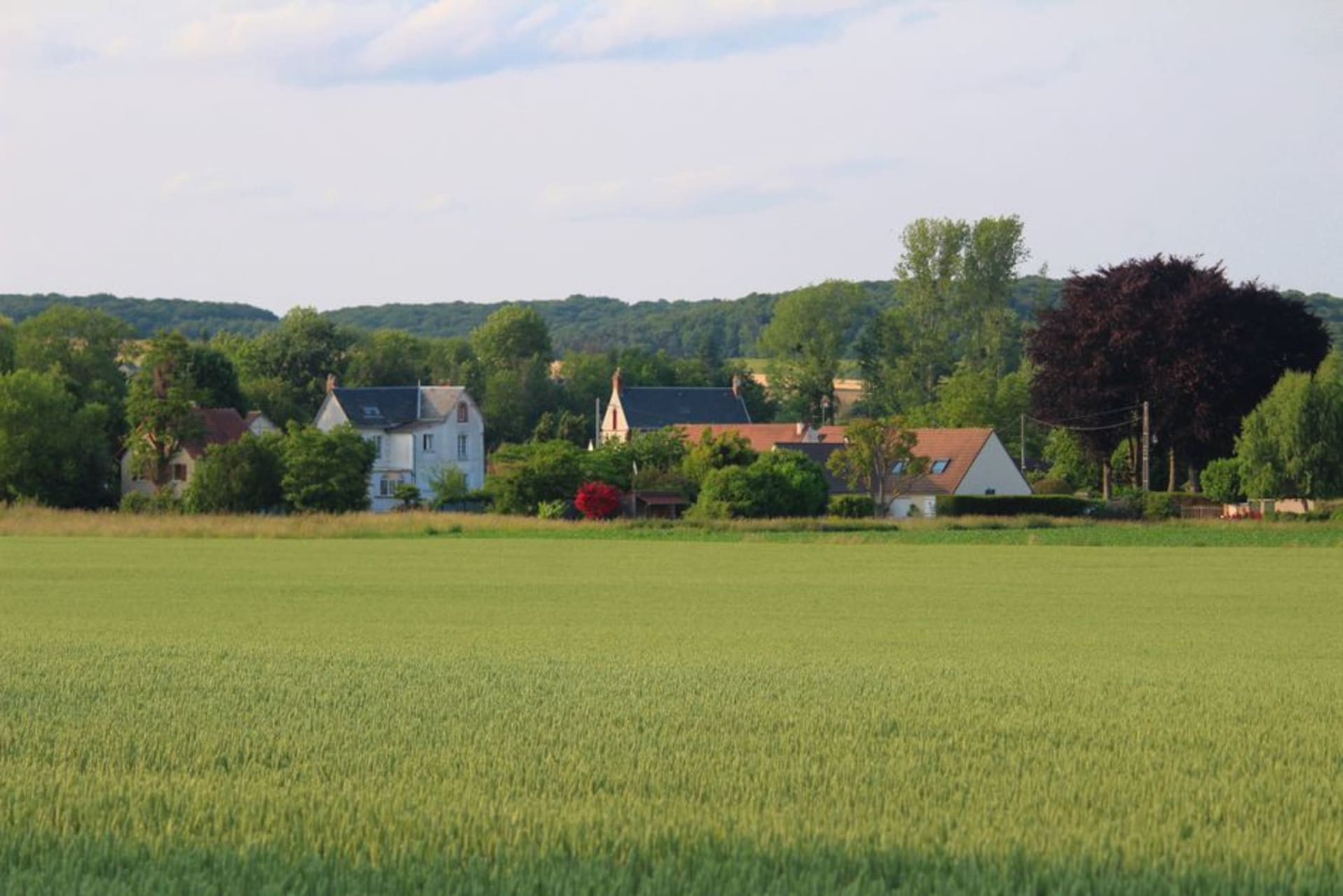
Issoire
"The outside of that church looks like nothing else in France, and the inside is a fresco of the zodiac. Nobody warned me."
A Romanesque abbey church with a facade too strange to forget, sitting at the point where the flat Limagne plain gives way to the volcanoes of southern Auvergne.
Issoire is the kind of town you pass through on the way to somewhere more famous — the Sancy massif, the volcanic parks further south — and I nearly did the same thing, until a friend in Clermont-Ferrand told me flatly that skipping the Abbatiale Saint-Austremoine would be a mistake, and she was right. From the outside, the abbey’s east end is covered in a mosaic-like pattern of colored volcanic stone laid out in diamonds and geometric bands, a decorative technique unique to a handful of Auvergne Romanesque churches, and it looks less like eleventh-century France and more like something Byzantine that wandered inland and got comfortable.
A church with the zodiac on its ceiling
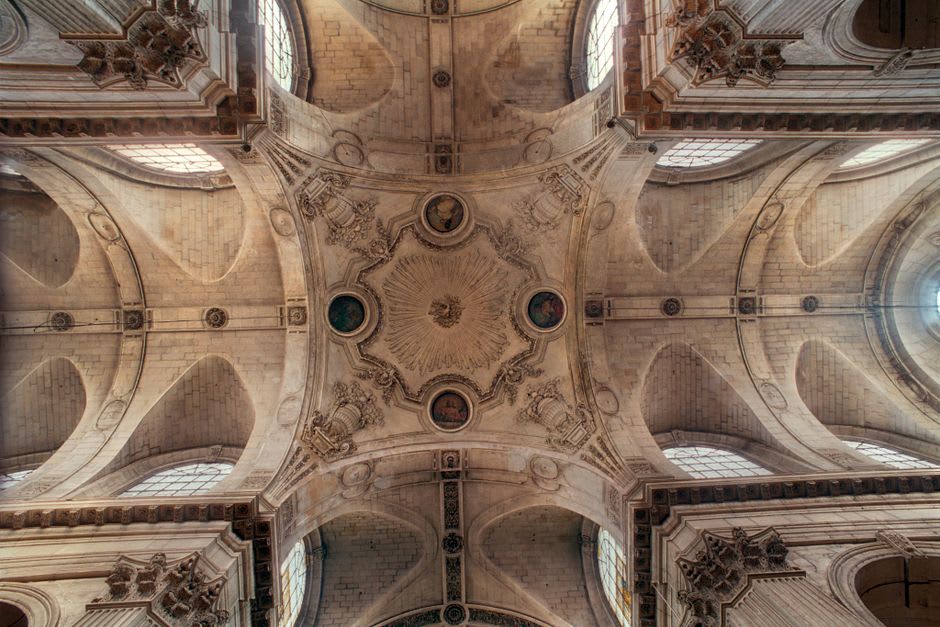
Saint-Austremoine is considered one of the five great Romanesque churches of the Auvergne, alongside Orcival and Notre-Dame-du-Port in Clermont-Ferrand, and its interior holds a surprise most visitors don’t expect: a nineteenth-century painted decoration covering the choir vault and capitals in vivid color, including a fresco cycle of the zodiac signs worked into the ceiling above the altar. It was restored heavily in the 1850s after centuries of damage and neglect, and art historians argue about how faithful the restoration is to the original medieval scheme, but standing underneath it, watching the painted signs of the zodiac circle the vault in reds and blues and gold, the argument feels academic. We spent almost as long looking up at the ceiling as we did looking at the carved capitals at eye level.
Between the plain and the volcanoes
Issoire itself sits at a genuine geographic hinge point, where the flat farmland of the Limagne plain — some of the richest agricultural soil in France — runs up against the first foothills of the Monts Dore and the southern volcanic chain. Driving south out of town, the landscape changes within a few kilometers from wheat fields to the steep green slopes that lead eventually to the Puy de Sancy, and we stopped at a roadside viewpoint just outside town to watch that transition happen, flat gold plain behind us and rounded volcanic summits ahead. The old town center itself, though smaller and less dressed up than Riom’s, still has a handful of half-timbered houses and a market square worth a slow lap before continuing south.
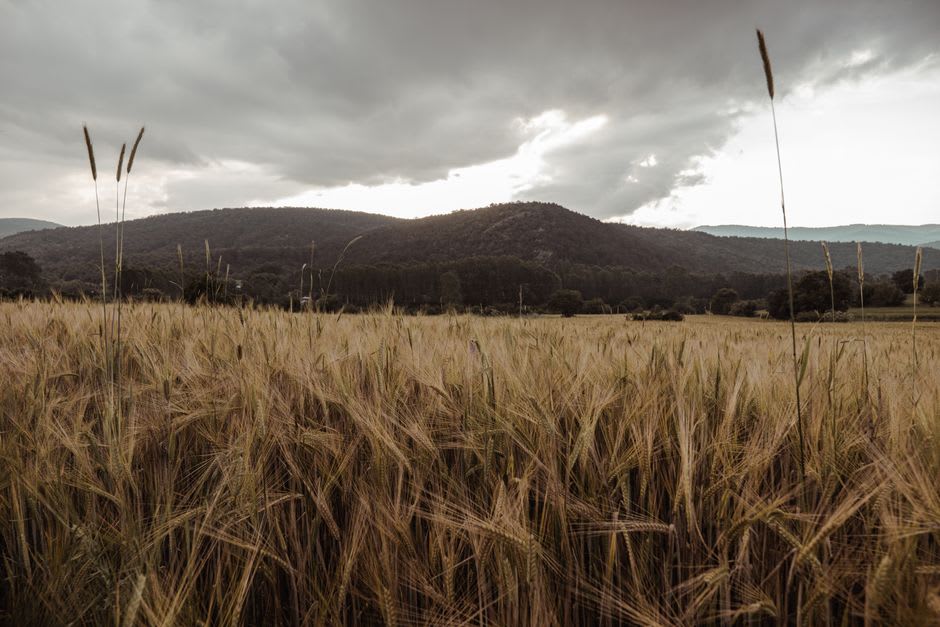
When to go: Early summer, when the Limagne plain is green before harvest and the road south into the volcanic massifs is fully open for a same-day detour into the mountains.
Keep exploring
More of Auvergne