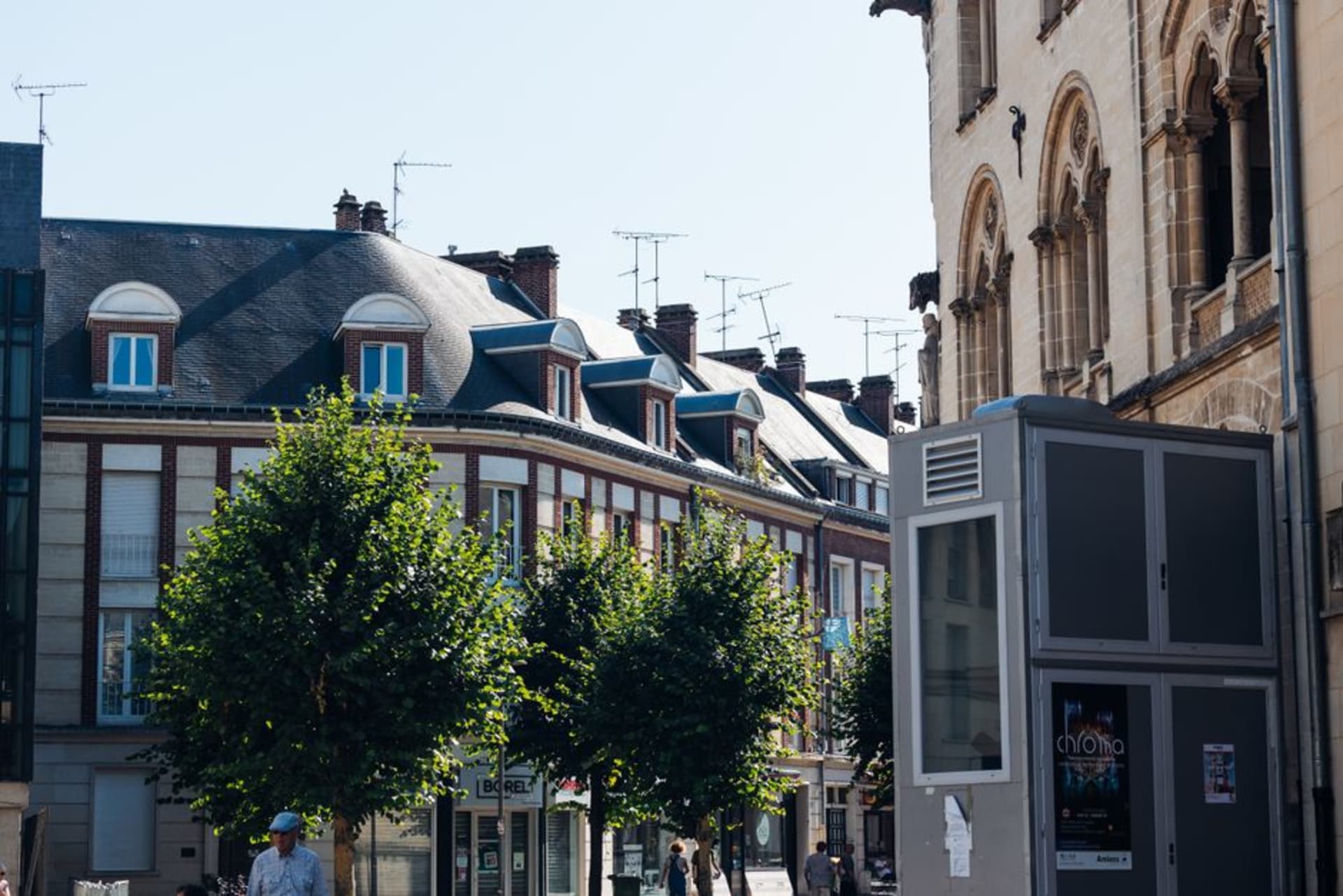
Cantal's real capital, a town that quietly made the world's umbrellas for a century and still treats the volcanic massif on its doorstep as an ordinary backyard rather than a tourist attraction.
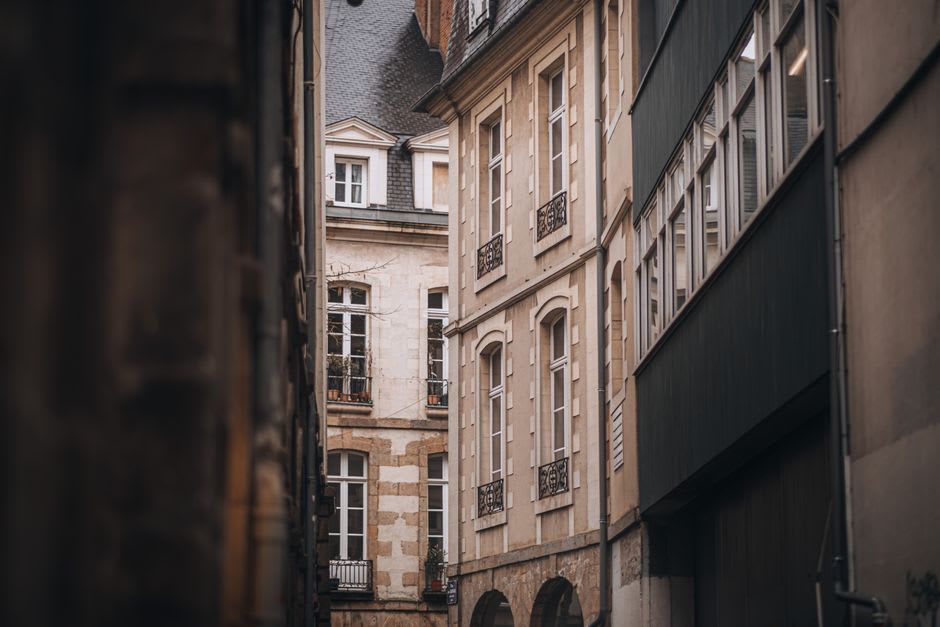
Aurillac doesn’t get talked about much outside the Cantal, which is strange given it’s the departmental capital and sits right at the foot of the largest volcanic massif in Europe, but I think that’s partly the town’s own doing — it has never tried especially hard to be a destination. We ended up there on a grey October afternoon, the kind of weather that makes the Cantal feel properly remote, and spent longer than planned just walking the old center along the Jordanne river before pushing on toward the higher villages.
An umbrella town that never advertised it
What pulled me to Aurillac in the first place was a half-remembered fact that the town used to be one of the world’s centers of umbrella manufacturing, something that started in the nineteenth century when itinerant sellers from the area began repairing umbrellas across France and eventually brought the trade home. At the peak there were dozens of workshops here; today there’s essentially one manufacturer left, still producing by hand, and a small museum dedicated to the craft that I found more charming than I expected — cabinets of ribs and ferrules, hand-painted silk panels, adverts from the 1900s selling Aurillac umbrellas as far as Buenos Aires. The woman running the till told us her grandfather had worked the frames; she said it like it was the most ordinary biographical detail in the world, and in Aurillac it probably is.
Gateway to the volcano, treated like a backyard
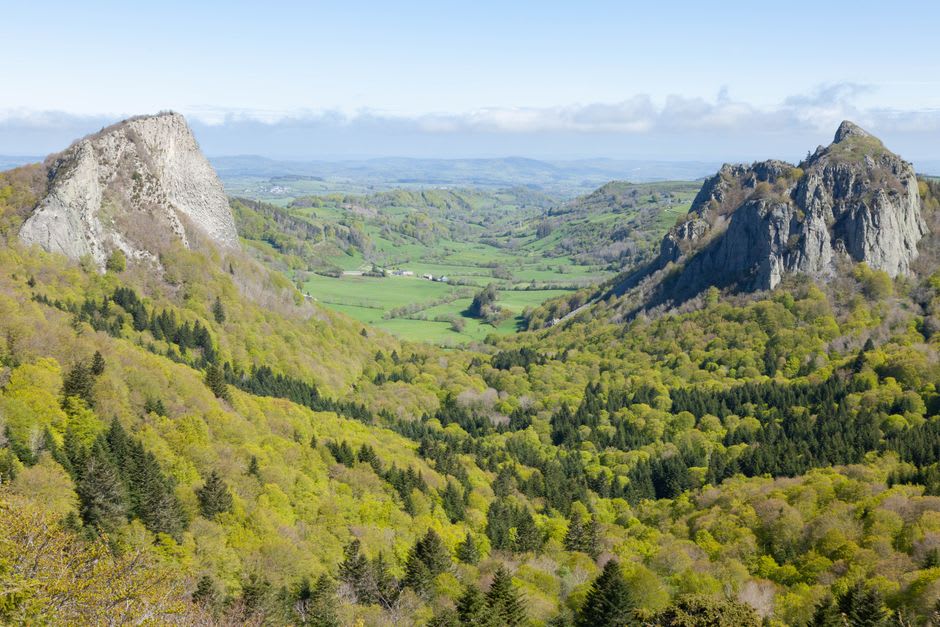
The other thing about Aurillac is how casually it sits at the edge of the Cantal massif, an enormous eroded stratovolcano whose highest points, the Puy Mary and the Plomb du Cantal, are visible from the edges of town on a clear day. Locals talked about weekend hikes up there the way people elsewhere talk about a walk in the park — no ceremony, no sense that they lived next to one of the great volcanic landscapes of France. We drove up into the foothills one afternoon, past the château de Conros just outside town, and the transition from market-town streets to open volcanic pasture happened faster than I expected, maybe fifteen minutes of driving. Lia said it reminded her of how people in Mexico City talk about the volcanoes ringing the valley: always there, rarely remarked on.
When to go: September and October give you crisp air and a good base for pushing into the Cantal massif before the high roads close; the umbrella museum and old town are a fine wet-weather fallback any time of year.
Keep exploring
More of Auvergne