Ambert
"I'd eaten Fourme d'Ambert a hundred times before I ever thought about where the name came from."
A small Livradois town where I learned that the blue cheese I'd been eating my whole life without noticing, Fourme d'Ambert, comes from exactly here, and where a working paper mill still makes sheets by hand the way it did in the 1500s.
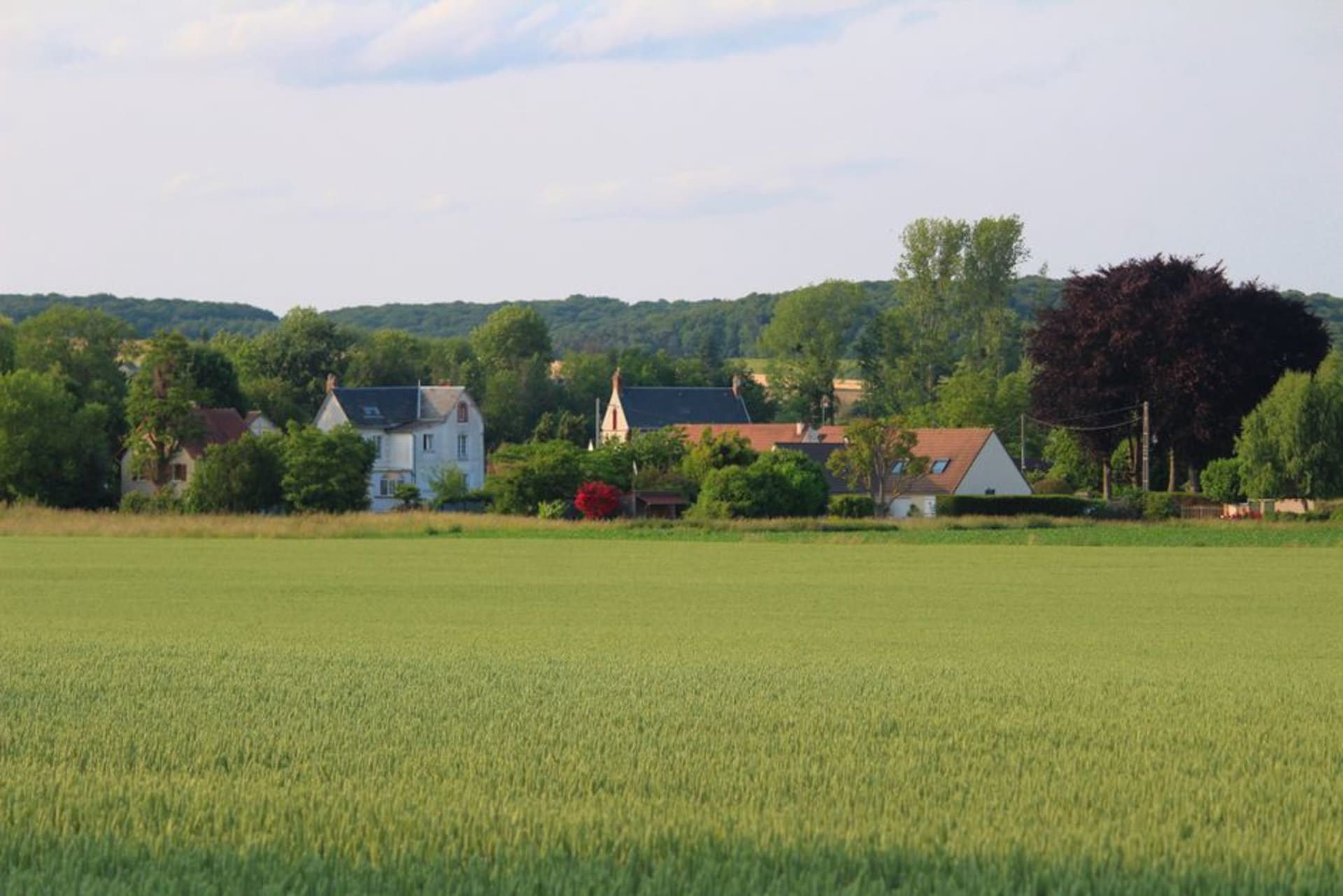
Ambert sits in a broad valley at the foot of the Forez mountains, in a corner of Auvergne that gets far less attention than the volcanic Cantal or the puys around Clermont-Ferrand, and honestly that undersells it. We came for the cheese, in the sense that I’d seen Fourme d’Ambert on menus and supermarket shelves for years without ever registering it as a place name rather than just a type of blue cheese, and once I made the connection I couldn’t not go.
The town that gave its name to a cheese
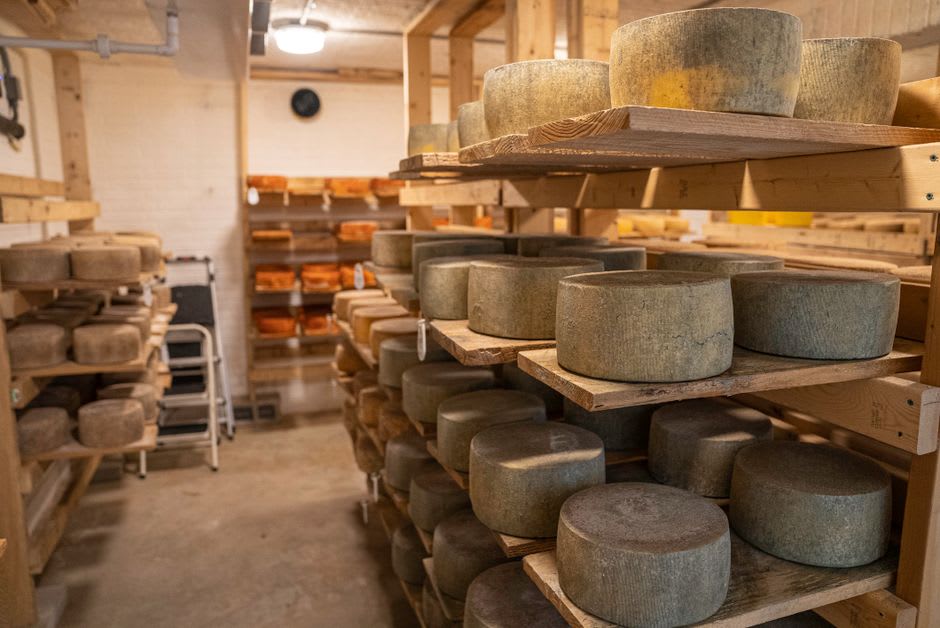
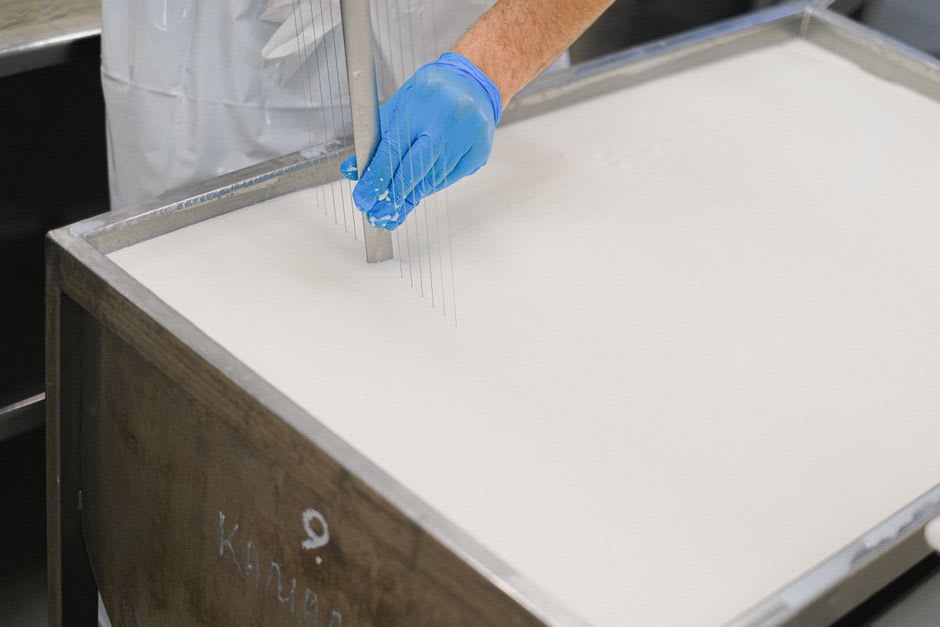
Fourme d’Ambert is one of France’s oldest cheeses, with records of monks making it in the Forez mountains going back over a thousand years, and it’s distinctive among French blues for its shape — a tall, narrow cylinder rather than the flatter wheels of Roquefort or Bleu d’Auvergne, originally designed that way so the natural veining could develop evenly through the dense paste. At a small producer just outside town we watched wheels being turned and pierced with long needles to let air in for the blue mould, and tasted a young one alongside one aged several months; the older cheese had a sharper, almost peppery finish that the mild one didn’t have at all. Lia, who claims not to like blue cheese, ate more of it than I did.
A paper mill still running on water power
The other reason to stop in Ambert is the Moulin Richard-de-Bas, a paper mill a few kilometers outside town that has been making paper by hand since the fifteenth century and still does, using the same water-driven pounding process to break down linen and cotton rags into pulp before it’s lifted onto screens and pressed by hand. Watching the mill workers dip and lift the wire frames from the vats, letting the water drain and the fibers settle into a sheet, was more mesmerizing than I expected from what is, at bottom, industrial history. We bought a small notebook made on site, thick handmade paper with a rough deckled edge, and I’ve been reluctant to actually write in it ever since.
When to go: Late spring through early autumn, when the mill and cheese producers run full visiting hours and the Forez foothills around Ambert are at their greenest for walking.
Keep exploring
More of Auvergne