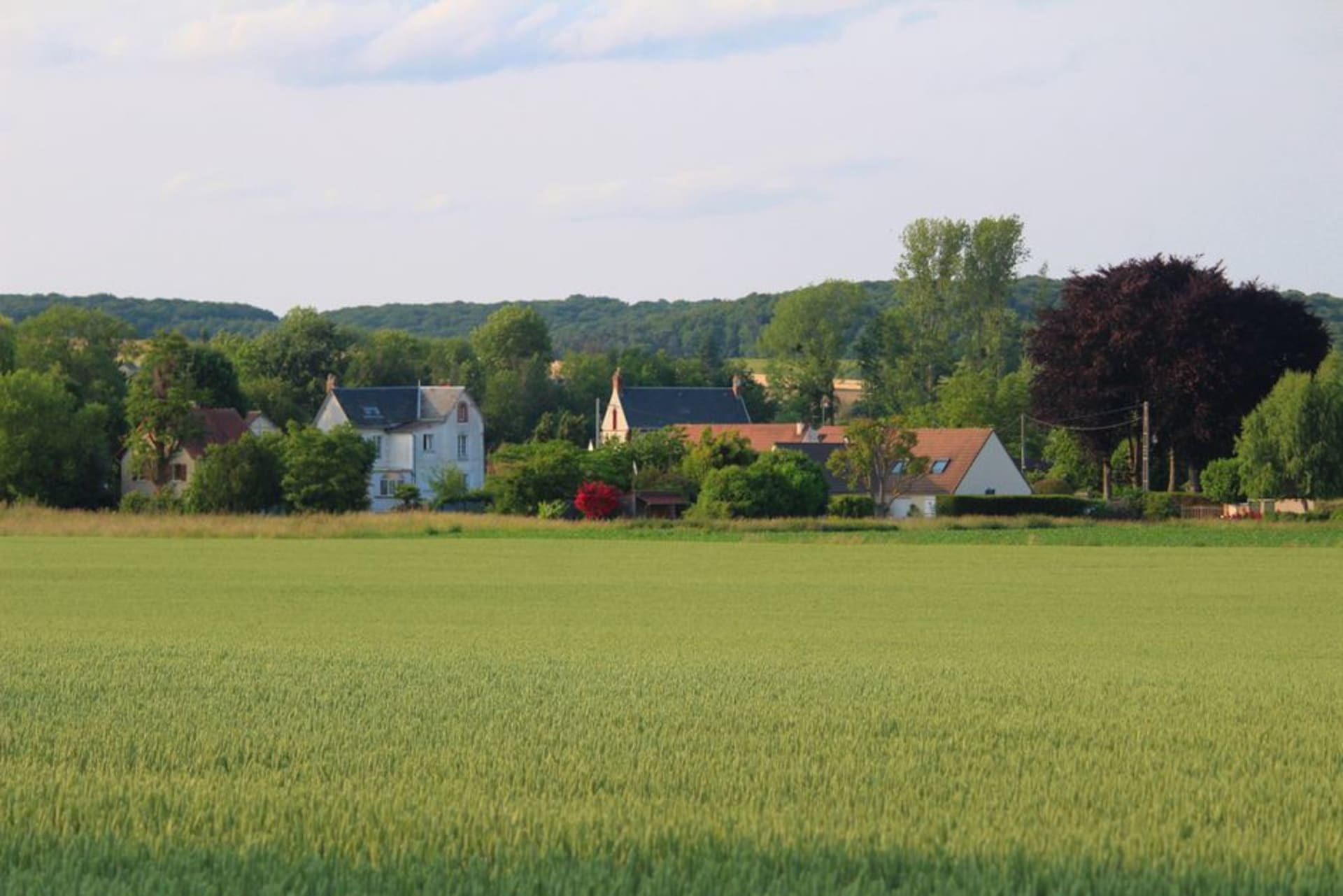
Verdun
"I grew up learning about Verdun from a textbook. Standing on the ground itself is a different kind of learning entirely."
A quiet town on the Meuse that carries the weight of the longest battle of the First World War, where the ossuary and the shattered forts taught me more about my own country's history than any classroom ever did.
I’d driven past the exit for Verdun on the autoroute a dozen times over the years without ever taking it, the way you do with the things you assume you already understand. My grandfather’s generation talked about Verdun the way some families talk about a death in the family — sparingly, and only when it mattered. So when Lia and I finally stopped there properly, on a grey afternoon in early autumn, it felt overdue in a way few destinations ever have.
The Ossuaire and the forest that grew back over everything
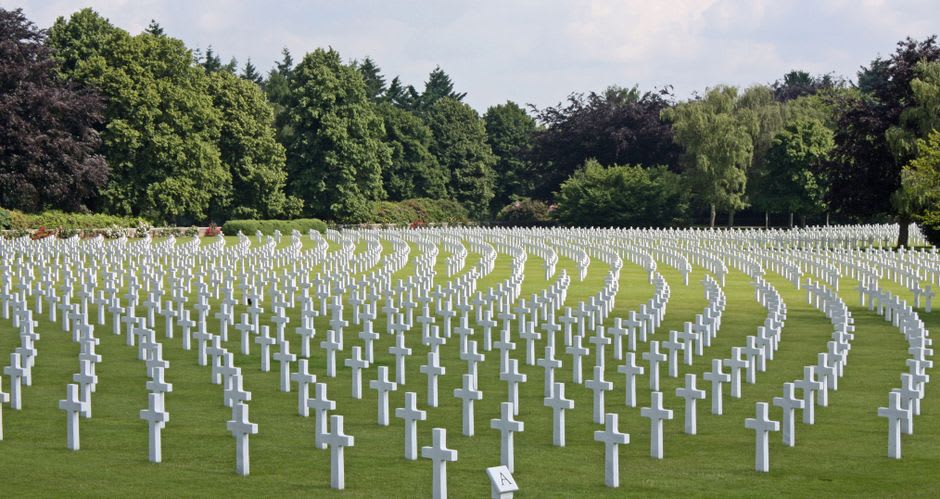
The Ossuaire de Douaumont is the first thing you see from a distance, a long pale building shaped like an artillery shell laid on its side, with a tower rising from its centre like something between a lighthouse and a tombstone. Inside, small windows near ground level let you look directly into the crypt, where the unidentified remains of roughly one hundred and thirty thousand French and German soldiers are kept, gathered from the battlefield over decades because there was simply no other way to account for them. In front of it, sixteen thousand white crosses line up in the cemetery with a precision that felt almost unbearable after the disorder implied inside. We walked out into the surrounding Bois des Caures and Bois de Douaumont afterward, where the ground still ripples with shell craters a century on, softened now by moss and beech saplings — nature doing quiet, patient work on a landscape that was once reduced to mud and iron.
Fort de Vaux and the town that rebuilt itself
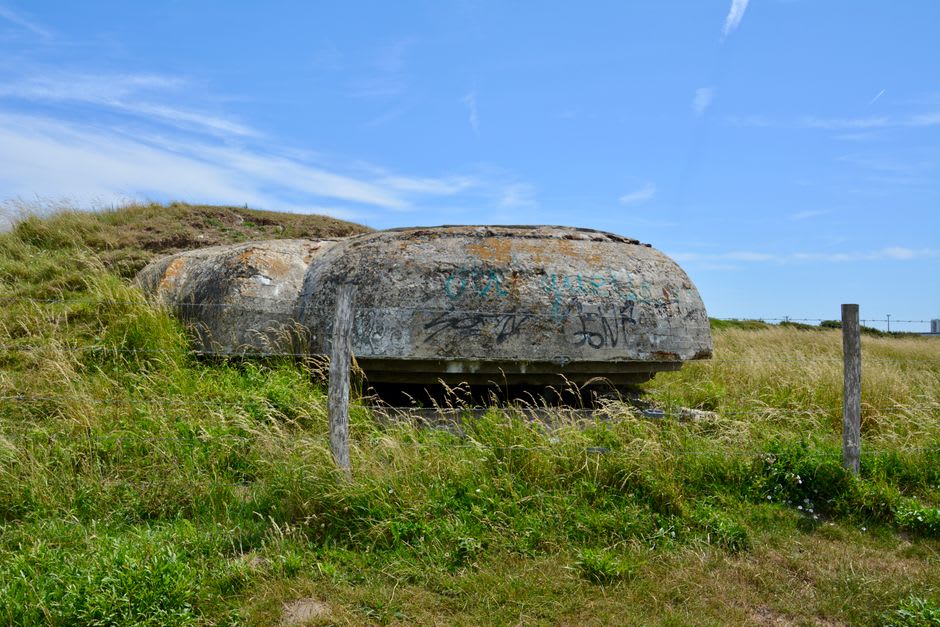
A few kilometres on, Fort de Vaux sits low and half-buried in the same scarred hillside, its concrete roof cratered by shells that never quite broke through to the garrison sheltering below during the battle’s worst weeks in 1916. We walked its cold corridors with a handful of other visitors, nobody talking much, reading the plaques marking where Commandant Raynal’s men held out until they ran out of water rather than ammunition. Coming back down into Verdun itself afterward was its own kind of relief — the town sits gently on a bend of the Meuse, rebuilt after the war around its Vauban citadel and Gothic cathedral, and ordinary life has resumed there the way it does everywhere eventually, cafés and a Saturday market and children on bicycles along the riverbank, which somehow made the forts above the town feel more sobering rather than less.
When to go: Late spring through early autumn keeps the forts and memorial sites open on full hours and the Meuse valley green; November 11th draws ceremonies and crowds if you want to witness the remembrance itself, but a quiet weekday in September gave us the space the place seems to ask for.
Keep exploring
More of Alsace