Saverne
"Someone in Saverne once told me the château was built to look richer than Versailles from the front. I believe them."
The town where the Vosges finally give way to a proper gap, guarded by a pink sandstone château the Rohan cardinals built to remind everyone exactly how rich they were.
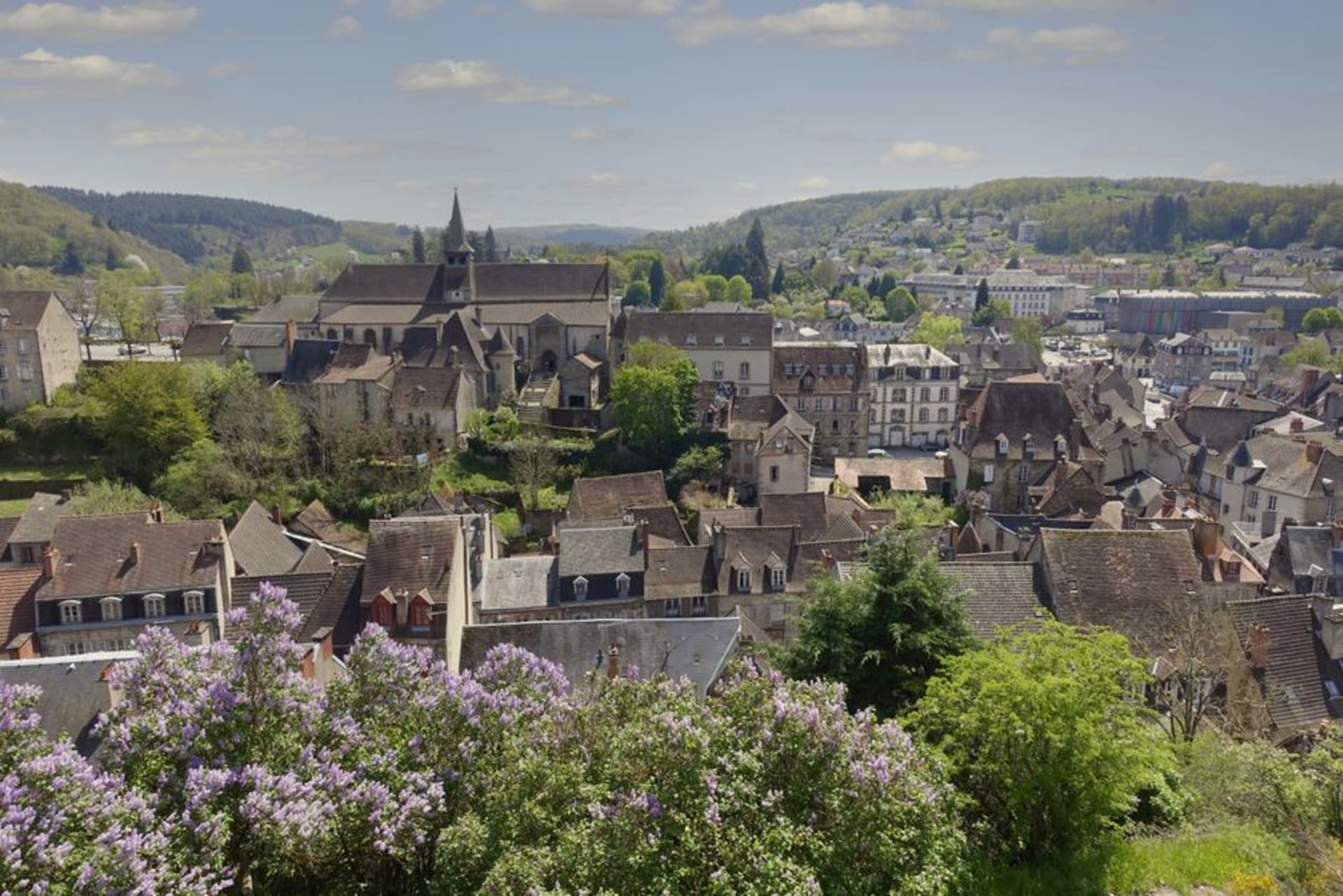
Saverne exists because of a gap. This is the col where the Vosges mountains dip low enough for a road, and later a canal, and later a rail line, to pass through from the Alsace plain into Lorraine — which made the town a chokepoint worth controlling for about two thousand years, from Roman garrison to medieval toll station to, eventually, the country residence of some of the wealthiest churchmen in pre-Revolutionary France. I came the first time on a delivery run for work, expecting a functional crossroads town, and found instead a rose-pink palace sitting at the end of a straight canal like something misplaced from the Loire.
The Rohan château and its very deliberate facade
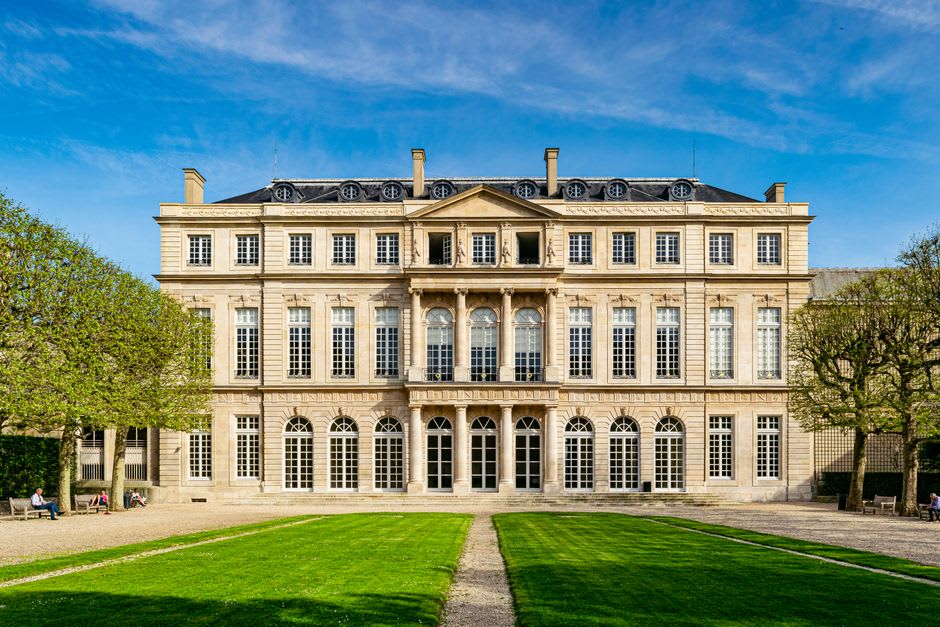
The Château des Rohan dominates Saverne’s old town, and it’s worth knowing the building you see today isn’t medieval at all — it was rebuilt in the 1770s by Cardinal Louis-René-Édouard de Rohan, one of the Rohan family’s long line of Strasbourg bishops, after a fire destroyed the previous residence. Rohan had the money and, by most accounts, the ego to match: the facade facing the canal runs nearly the full length of a football pitch, built in pink Vosges sandstone with a severity that locals half-jokingly compare to Versailles, and it was reportedly designed to impress visitors arriving by boat along the canal before they’d even set foot in town. Cardinal Rohan is the same man who later got tangled up in the Affair of the Diamond Necklace, the scandal that did real damage to Marie Antoinette’s reputation just before the Revolution — so there’s a certain irony in how much of his fortune went into a building meant purely to project status. Today the château houses a museum and a youth hostel, an odd but oddly fitting afterlife for a cardinal’s vanity project.
Roses, a canal, and the road over the mountains
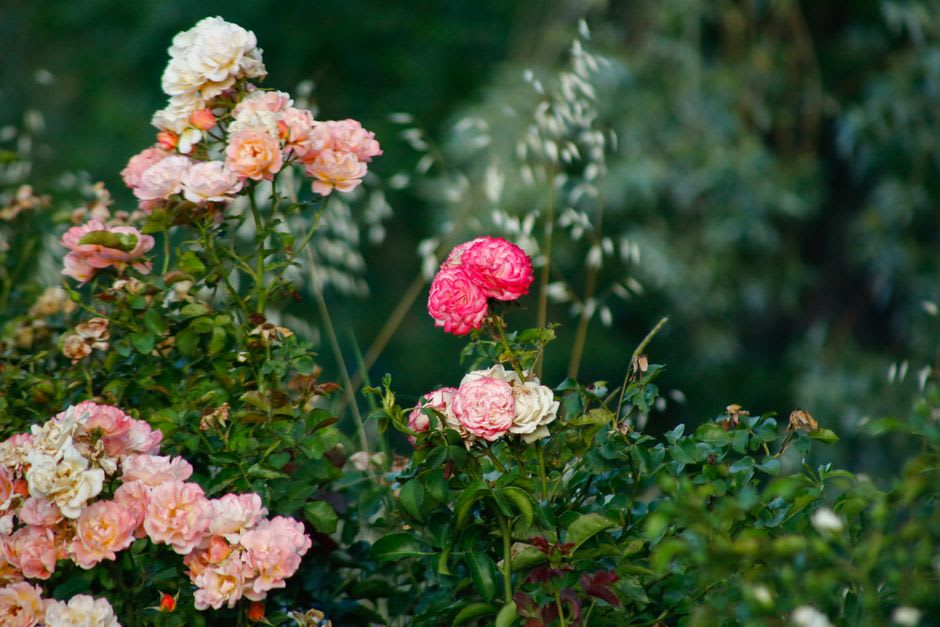
Behind the château is Saverne’s rose garden, the Roseraie, which holds several thousand plants and several hundred varieties and somehow avoids feeling like a municipal obligation — it’s genuinely one of the better rose gardens I’ve walked through in France, laid out along the river with enough scale that you can lose the crowd within a few minutes even on a busy Sunday. We went in June, which I’d now say is close to mandatory, and sat by the water while barges worked their way through the canal lock nearby, headed toward the same gap in the mountains that’s made Saverne a crossing point since the Romans built a road here. Climb up out of town instead, along the marked trail toward the ruined Haut-Barr castle — nicknamed the “eye of Alsace” for the views it commands over the plain — and you get the geography in one frame: mountains behind you, flatland ahead, and the town sitting exactly on the seam between the two.
When to go: June, for the roses at their peak, though September works nearly as well if you’d rather have the Haut-Barr trail and the canal towpath mostly to yourself.
Keep exploring
More of Alsace