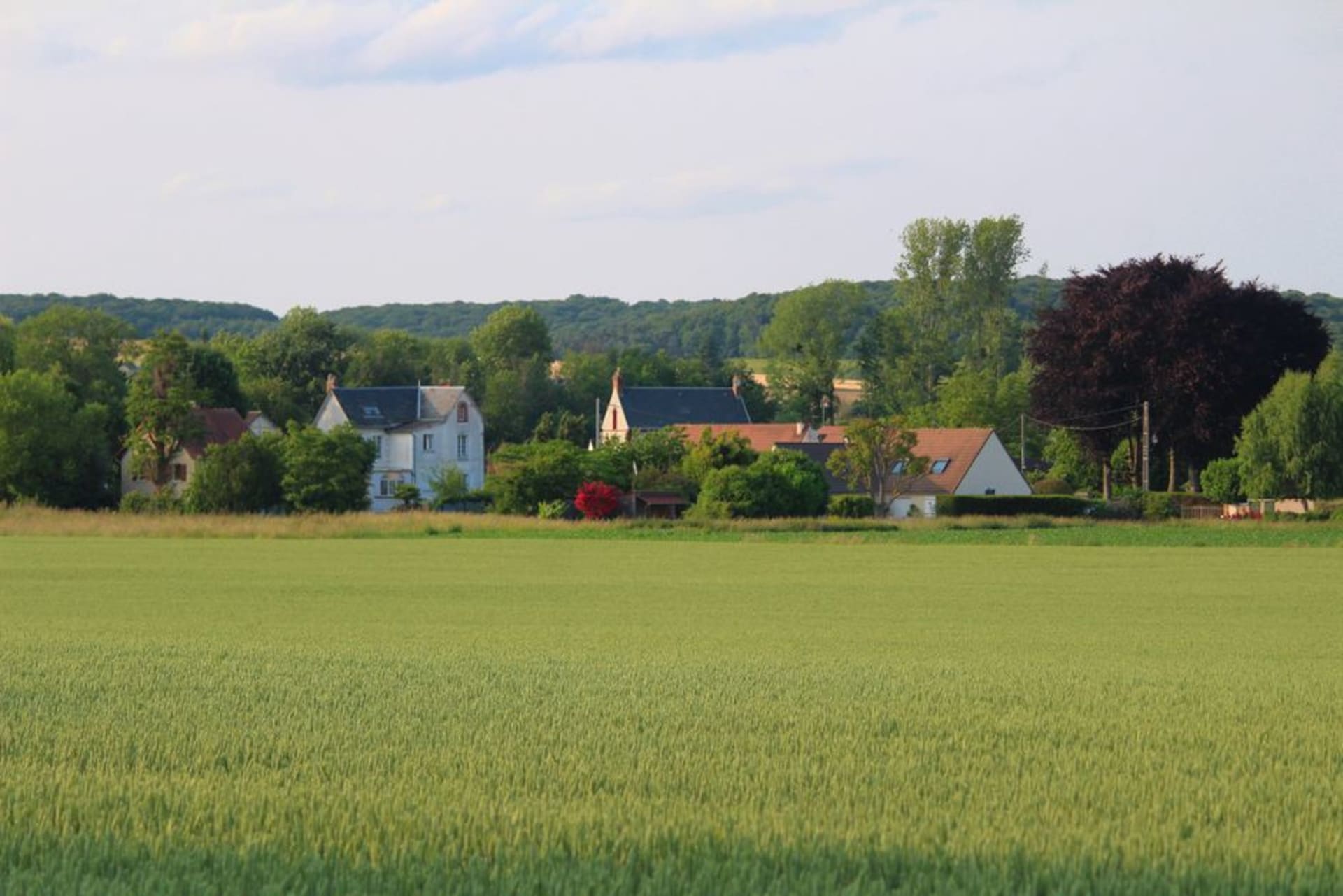
Rouffach
"Rouffach is where the map of Alsace stopped being an abstraction and became a view."
The town on the Alsace wine road where I finally understood the geography of the region, because you can stand in one spot and see the Vosges, the vineyards, and the Rhine plain all fall into place.
I’d driven through Rouffach a dozen times on the way to somewhere else before I actually stopped, which is a mistake I’ve since tried to talk other people out of making. It sits almost exactly at the midpoint of the Route des Vins d’Alsace, between Colmar and Guebwiller, and what makes it different from its more photogenic neighbors is the vantage point. Climb even slightly out of the old town, up toward the Vierge du Schauenberg chapel on its wooded hill, and the whole logic of the region lays itself out below you: the granite wall of the Vosges to the west, a apron of vineyards on the last slopes before the land goes flat, and then the plain running east toward the Rhine and Germany beyond it. Lia stood up there with the map open on her phone for the first time all trip and said, “oh, now I get it.” That’s Rouffach’s job, in a way — it’s the town that explains the others.
A market hall that outlasted three centuries of quarrels
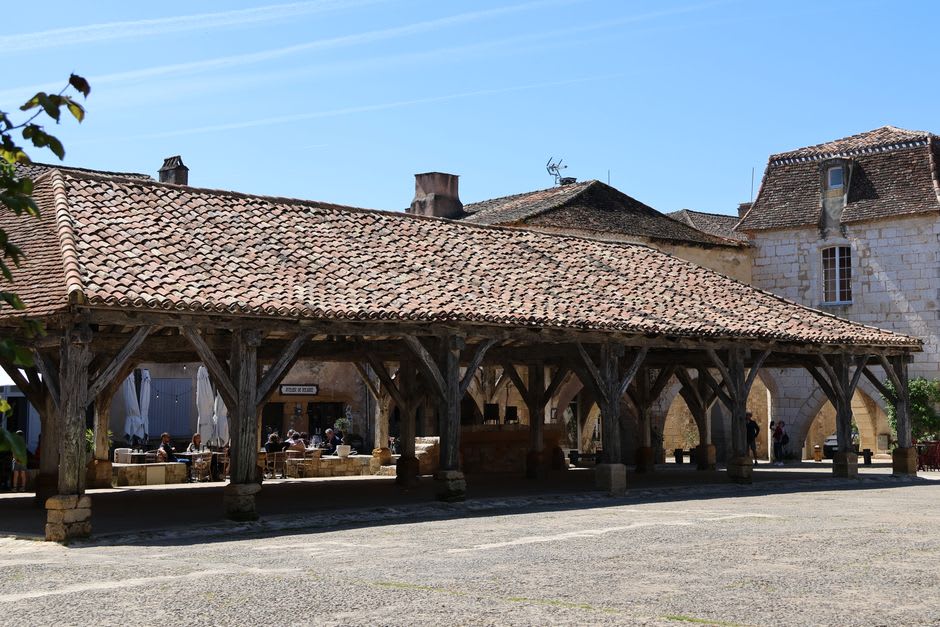
The center of Rouffach is built around one of the oldest covered market halls in Alsace, the Halle au Blé, a squat stone-and-timber structure from the thirteenth century that’s been rebuilt and patched so many times it reads like a cross-section of the town’s history. Grain and wine were weighed and taxed here for something like six hundred years, and the building sat at the crossroads of two rival medieval powers — the Bishop of Strasbourg controlled part of Rouffach while the town itself answered to a separate local authority, which apparently made for centuries of jurisdictional bickering that I only half understood from the plaque outside. What struck me more than the history was how unceremonious the hall still is. No ticket booth, no roped-off interior — on the Saturday we visited, a handful of stalls were set up under it selling Munster cheese and mirabelles, doing more or less what the building was built for.
Between the Vosges and the plain
What I keep coming back for, though, isn’t the history so much as the walk up toward Schauenberg. It’s a modest climb, maybe forty minutes at an unhurried pace, through vineyards planted with Pinot Blanc and Sylvaner that belong to some of the négociants whose names you’ll have seen on bottles all over the region. The chapel itself is simple, a pilgrimage site since the fifteenth century, but it’s the bench just below it that I actually go for — a spot where you can sit with a bottle bought from the cave in town and watch the light change on the Vosges foothills while storks (Rouffach has a small but proud resident colony) circle over the rooftops below. We came up at golden hour in late September, half-drunk on the walk and the view before we’d even opened the bottle, and it’s one of the only times in Alsace I’ve felt like I understood exactly where I was standing in relation to everything else.
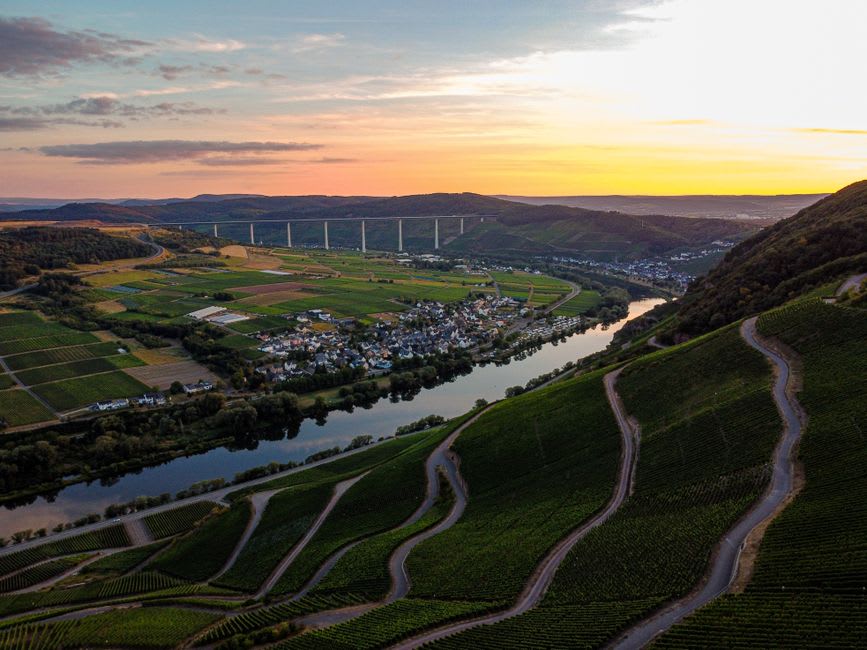
When to go: Late September through October, during the grape harvest, when the vineyard paths up to Schauenberg are busiest with pickers and the town itself is at its quietest, having sent everyone else up the road to Eguisheim and Colmar.
Keep exploring
More of Alsace