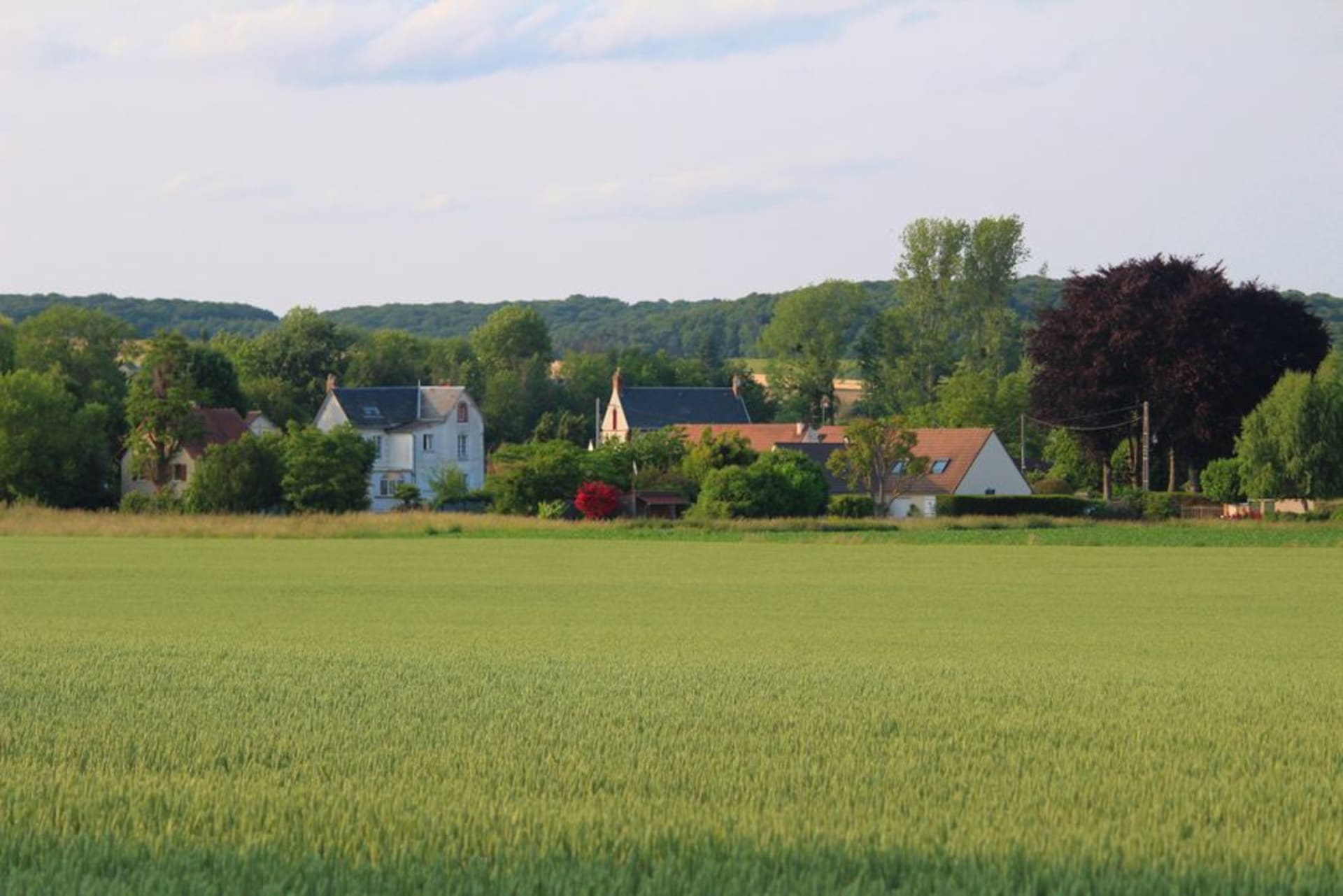
Lunéville
"It burned in 2003 and they rebuilt it anyway, wing by wing, which tells you everything about how this town feels about its château."
Lorraine's own Versailles, rebuilt almost stone by stone after a 2003 fire, in a town that's been quietly making some of France's finest porcelain for three hundred years.
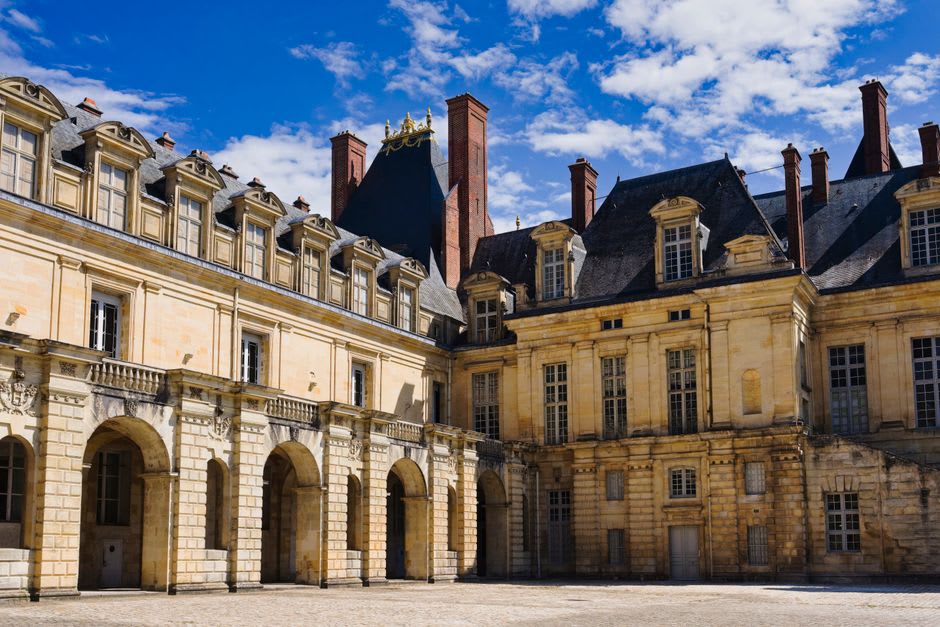
Lunéville gets called “the Versailles of Lorraine” often enough that it’s practically part of the town’s name, and the first time I heard the comparison I assumed it was the kind of local puffery every mid-sized French town indulges in. Then I actually stood in front of the château and understood the claim was more literal than I’d expected. Duke Léopold of Lorraine had it built in the early eighteenth century, explicitly modeling it on Versailles, and later Stanislas Leszczyński — the deposed king of Poland who ended up as Duke of Lorraine through one of those tidy dynastic arrangements the eighteenth century specialized in — made it his court, filling it with the same taste for gardens, fountains, and orchestras he later brought to Nancy. For a while, Lunéville really was a rival seat of culture to Versailles, close enough in ambition that Voltaire spent time here as Stanislas’s guest.
Rebuilding after the fire
What makes the château’s story different from most historic piles in this part of France is January 2, 2003, when a fire tore through the central section and destroyed the dome, the chapel, and a significant part of the interior. I remember the news coverage at the time — it was treated as a genuine national loss, not just a regional one. What followed was a decades-long restoration effort, still not entirely finished, funded by a mix of state money, regional contributions, and a very public fundraising campaign that turned ordinary people into stakeholders in getting the dome rebuilt. Walking through today, you can still see where the restored sections meet the parts that survived untouched, newer stone against centuries-old stone, and there’s something quietly moving about a town that decided a fire wasn’t the end of the story.
The other Lunéville: porcelain and faience
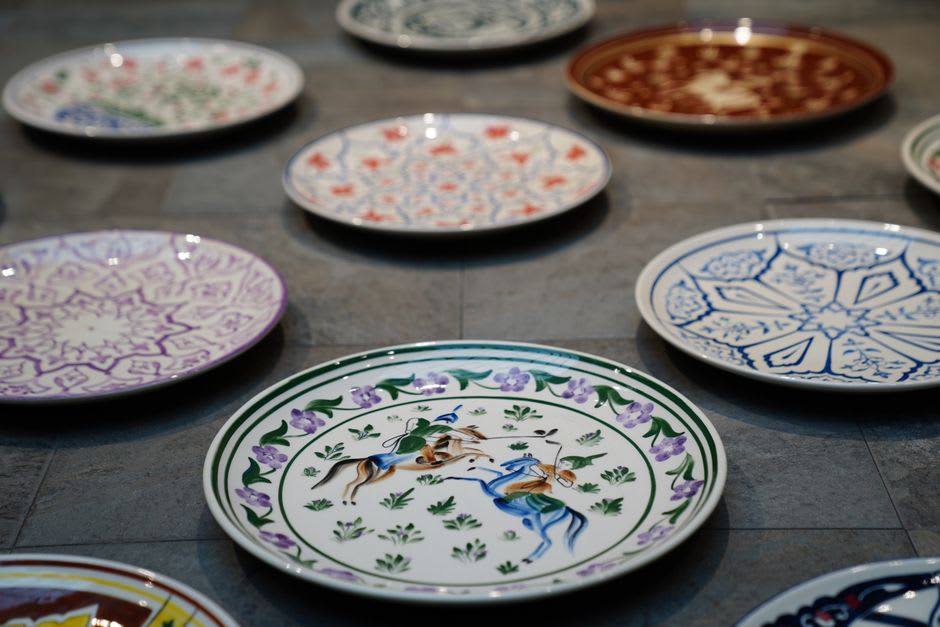
Less discussed than the château, but just as central to the town’s identity, is its ceramics tradition. Lunéville has been producing faience and porcelain since the 1730s, when a local craftsman set up kilns practically in the shadow of the château, and the town — along with neighboring Saint-Clément — developed a signature style of richly colored, often floral tableware that’s still collected and, in a much reduced way, still produced here. We spent an hour in the small faience museum housed in a former convent, looking at plates and tureens glazed in deep blues and ochres, before wandering into one of the last working ateliers in town, where a painter was hand-decorating a plate with the same unhurried, practiced strokes that have presumably been used on this exact pattern for two centuries.
When to go: Spring or early autumn, when the château’s formal gardens are being tended and you can pair a visit with Nancy, twenty minutes away by train, without either town feeling rushed.
Keep exploring
More of Alsace