Bar-le-Duc
"There's a jam in this town that takes longer to make than some wines, and I still think about it more than I probably should."
A Renaissance old town on a hill above the Meuse, famous for a redcurrant jelly seeded one grain at a time with a goose quill, and for the road that supplied Verdun.
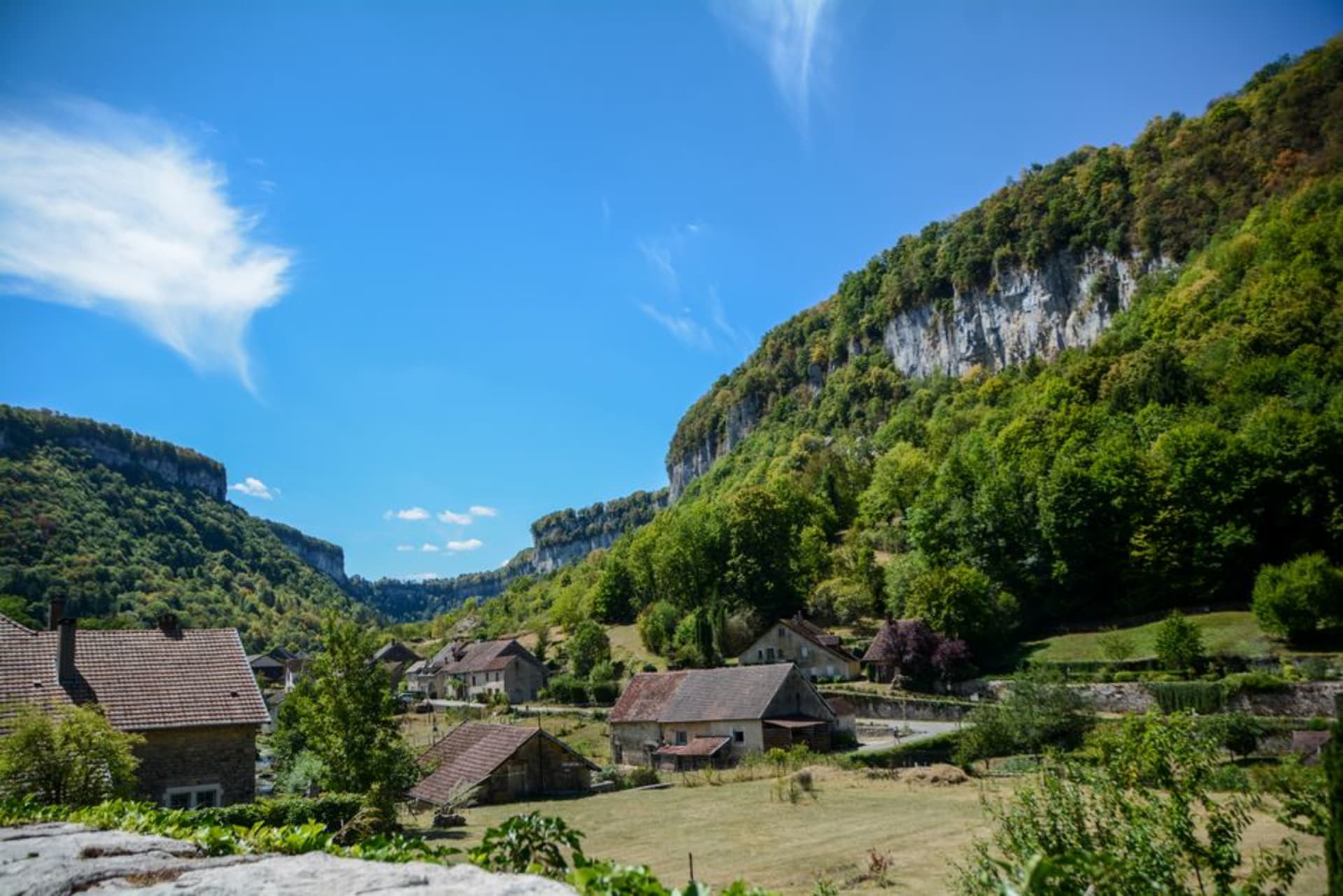
Bar-le-Duc splits cleanly into two towns stacked on top of each other, and the split tells you most of what you need to know about it. Down by the Meuse river is the Ville Basse, a workaday commercial center rebuilt after wartime damage; up on the hill above it is the Ville Haute, a genuinely startling cluster of Renaissance mansions that survived more or less intact, built by the merchants and nobles of the old Duchy of Bar when the town was still capital of its own small, independent state before it merged into Lorraine. I went up there expecting a modest historic quarter and instead spent two hours wandering streets lined with turreted stone townhouses, their facades carved with the kind of ornamental detail — mullioned windows, sculpted doorways, the odd gargoyle — that you’d expect from somewhere far more celebrated than Bar-le-Duc tends to be.
The jelly seeded by hand
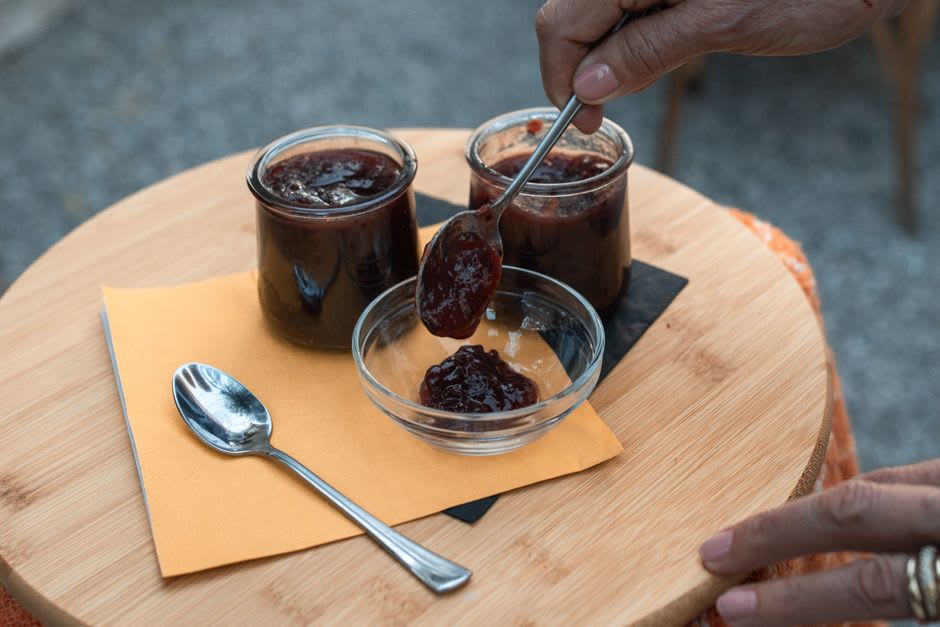
The town’s strangest and most specific claim to fame is confiture de groseille épépinée — redcurrant jelly, but only from currants that have been individually deseeded, by hand, using the quill of a goose feather to pop each tiny seed out without tearing the fruit. It sounds like an eccentric footnote until you watch someone actually do it: a woman at a small atelier in the Ville Haute showed us the technique, working through a bowl of currants one by one, and estimated it takes roughly an hour to prepare enough fruit for a single jar. The tradition goes back centuries and, remarkably, has held on as a genuine artisanal practice rather than fading into industrial shortcuts — Alfred Hitchcock reportedly had it shipped to him after tasting it here, which the shopkeepers mention with the pride of people who know their product’s one good piece of celebrity trivia. We bought two jars and rationed them like they were something rarer than jam.
Living with the Voie Sacrée
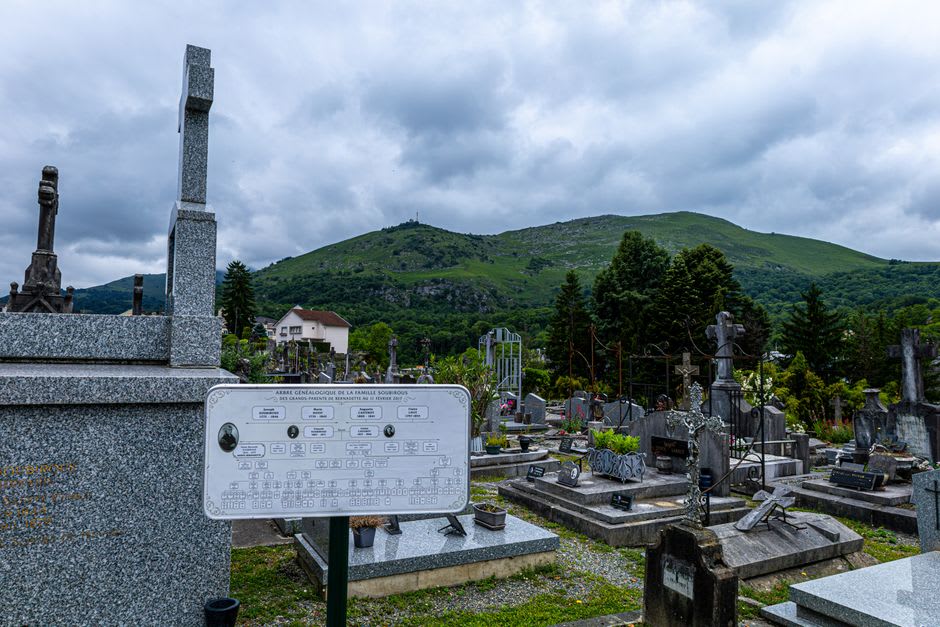
Bar-le-Duc’s other identity is quieter and heavier. During the Battle of Verdun in 1916, this was the southern terminus of the Voie Sacrée — the “Sacred Way” — the single road that kept the French army at Verdun supplied and reinforced while the rail lines nearer the front were cut off by German artillery. For months, trucks ran along that road in an unbroken, carefully managed convoy, one vehicle passing a fixed point roughly every fourteen seconds at the operation’s peak, carrying men and shells north and bringing wounded soldiers back south through Bar-le-Duc. A memorial marks the road’s starting point on the edge of town, unshowy compared to the monuments at Verdun itself, but standing there with that number in mind — a truck every fourteen seconds, for months — changed how I saw the quiet provincial road running past it.
When to go: Late summer, when the redcurrants are harvested and the ateliers in the Ville Haute are actually seeding fruit rather than just selling last season’s jars, and the light on the old stone facades runs long into the evening.
Keep exploring
More of Alsace