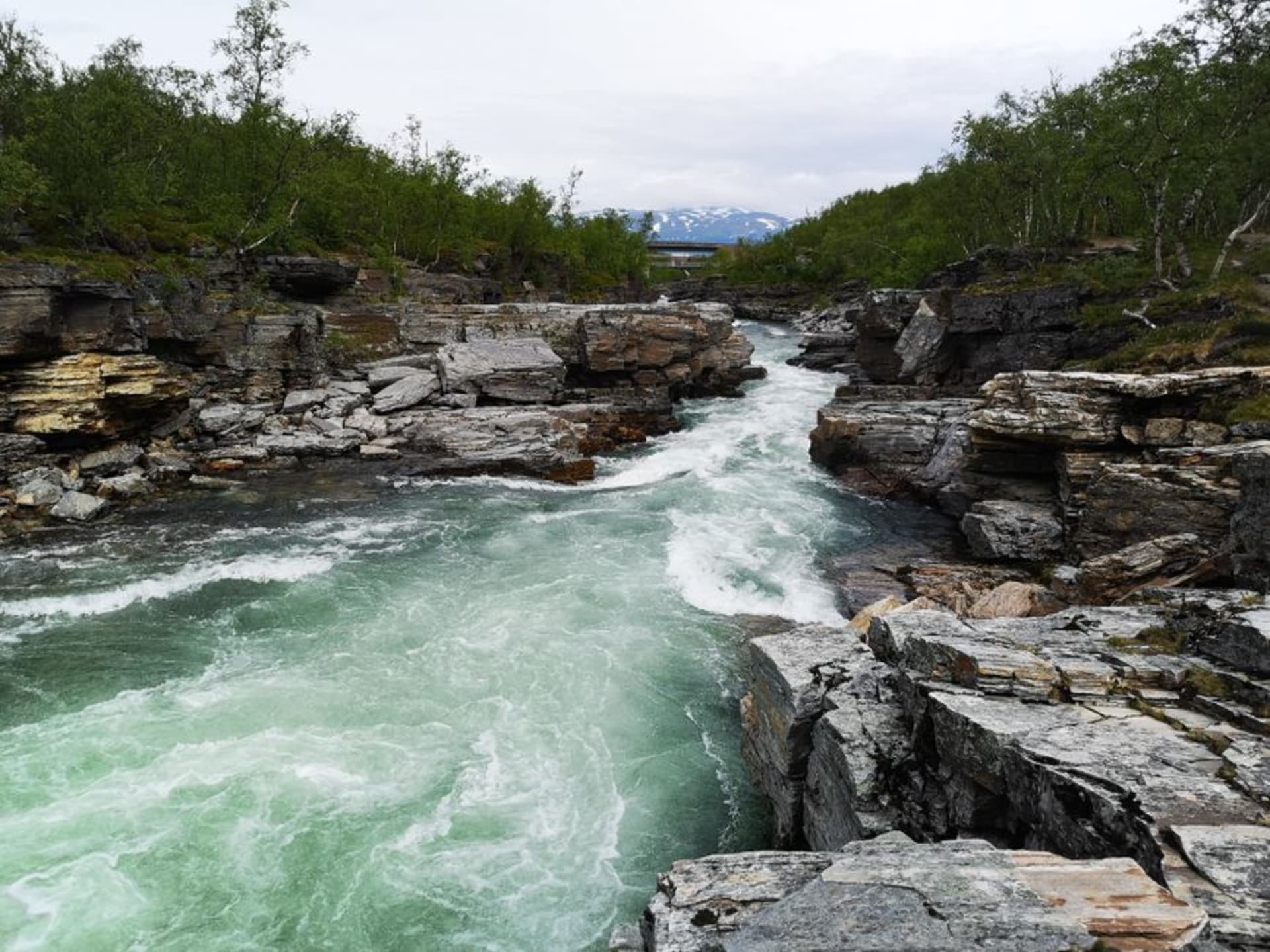
Lemmenjoki National Park
"No road took us there — just a boat, a river, and the feeling we'd left the map behind."
Finland's largest wilderness, reached only by river boat or foot, where old gold panners still work the streams beneath golden eagles.
I’ll admit it took me a while to convince Lia that Lemmenjoki was worth the detour. We were already deep in Lapland, and the idea of a national park with no roads into it — 2,850 square kilometers of it, Finland’s largest — sounded like a lot of effort for scenery we could maybe see elsewhere. She was right to make me argue for it, because I couldn’t really explain why until we were sitting in the bow of a small boat, motoring up the Lemmenjoki River with our packs between our knees, watching the old-growth pines close in on either side. That’s when it clicked: this wasn’t a park you visit, it’s one you enter.
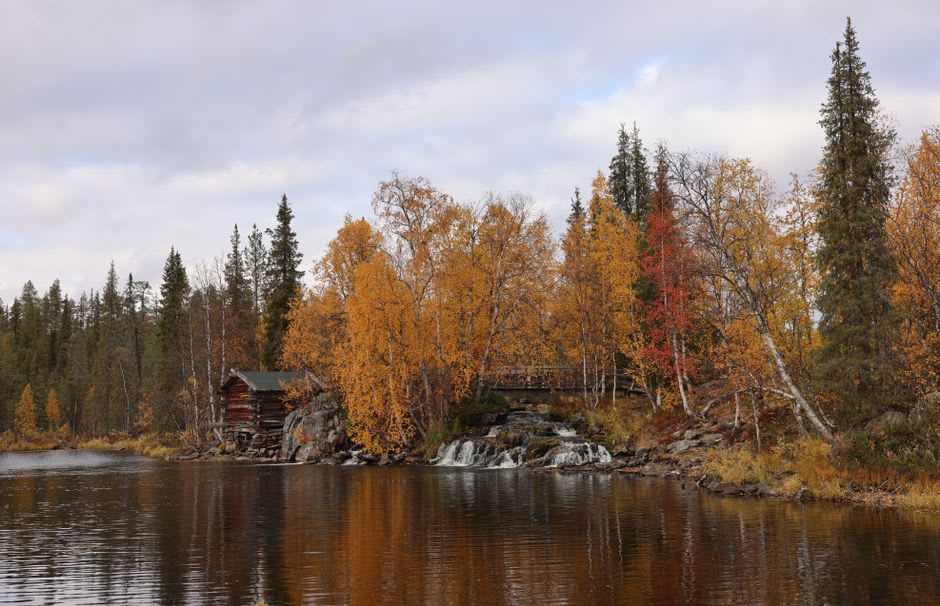
We’d booked the boat from the village of Njurgalahti, and the boatman, a quiet man who’d clearly done this run a thousand times, pointed out a weathered wooden hut on the riverbank without slowing down — one of the old gold panning huts, he said, still in use. I hadn’t fully registered before arriving that people still hold permits to pan gold on these rivers, a leftover right from the rush that started here in the 1940s. It’s one of the only places left in Finland where you can legally do it. We met one of them two days later, an older woman crouched at the water’s edge with a pan and a thermos, who told us — in better English than my Finnish deserved — that she’d been coming back to the same bend in the river for eleven summers and had never made a living from it, only a life.
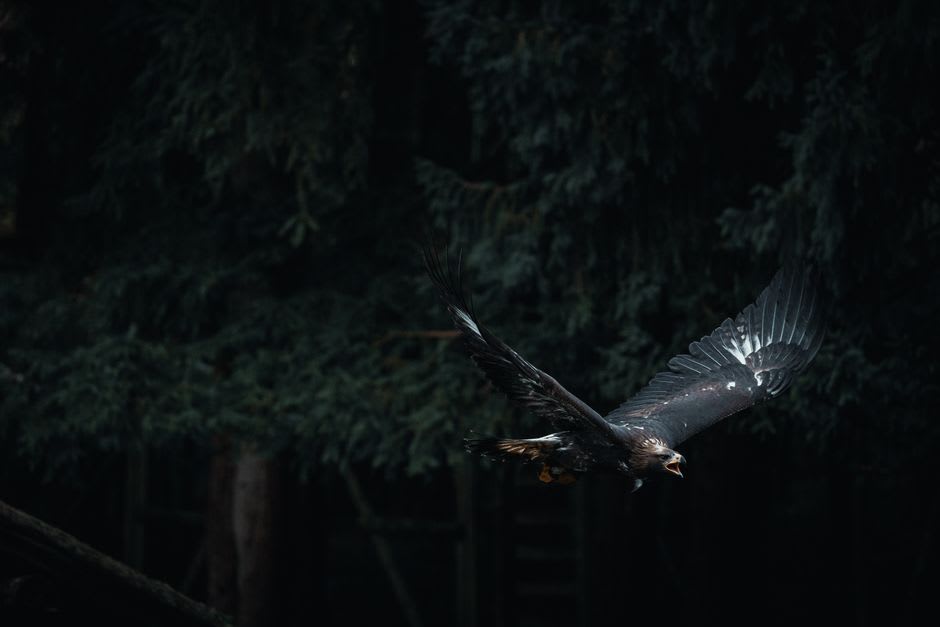
We hiked up toward Morgamoja fell on our second day, and it’s there the forest finally gave way — the treeline dropping off and the land opening into that bare, rolling fell country that made Lia stop talking for a good ten minutes, which for her is rare. We didn’t see a bear, though our guide back in the village swore they were around, along with wolverines that are apparently far harder to spot than to hear about. What we did see, circling low over the Joenkielinen ridge on our last afternoon, was a golden eagle — Lia caught it on camera almost by accident, and it’s still the best photo either of us took in Finland.
Lemmenjoki isn’t a park you drop into for an afternoon — there’s no road that reaches its interior, so you commit, by boat or by trail, for days rather than hours. That commitment is exactly what makes it feel untouched in a way I haven’t found elsewhere in Lapland. We slept in a rented hut near the river, ate reindeer stew that the boatman’s wife had left simmering for us, and fell asleep to a silence so complete I could hear the water moving half a kilometer away.
When to go: We went in August, when the boats run up the river and the trails are clear for multi-day hikes — but locals told us the park has a whole second life from February to April, when the snow packs down into ski trails and the fells turn into something even quieter than what we saw.