Europe
Finland
"Finland taught me that stillness isn't emptiness — it's everything."
I arrived in Helsinki on a Tuesday in late November, when the sun barely scraped the horizon before giving up entirely. By three in the afternoon it was dark. My first instinct, arriving from Mexico’s relentless brightness, was mild panic. By Thursday I was completely hooked. There’s something about that compressed daylight — maybe four hours of grey, diffuse glow — that makes Finns brutally efficient with time, and makes everything feel quietly precious.
What nobody tells you about Finland is how physical it is. Not in the adrenaline-sport way the brochures push. I mean in the literal, body-level sense: you sweat in a sauna until your skin turns red, then you step naked into a frozen lake, and something resets in your nervous system that you didn’t know was broken. In Tampere I did this three times in an afternoon, in a public sauna right on the lakeshore with a bunch of locals who found my initial hesitation endearing and then entirely forgot about me, which is exactly the Finnish social dynamic. They’re not unfriendly — they’re just not performing friendliness, which I found profoundly restful.
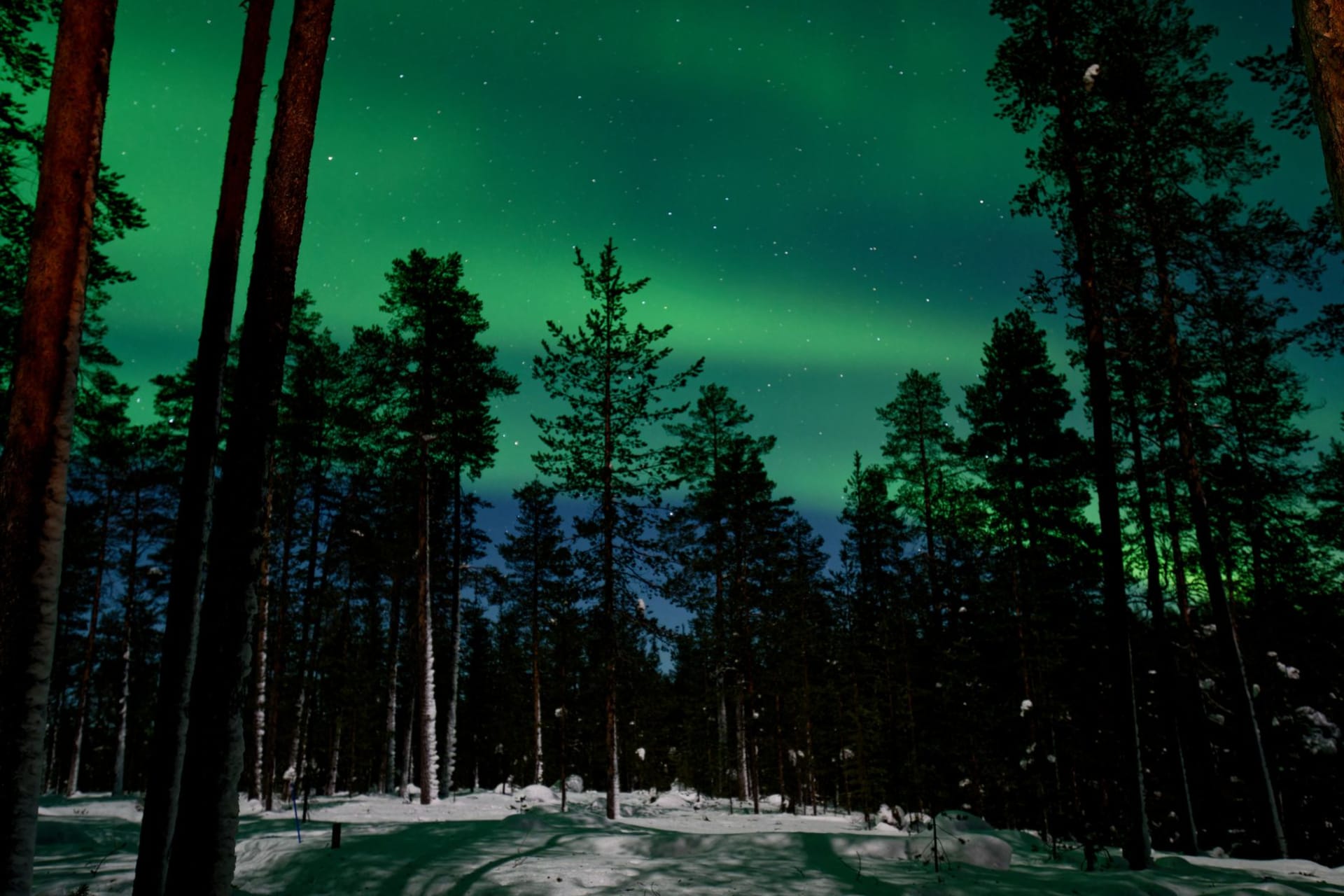
I spent a week in Lapland around the winter solstice. The auroras came on the third night, green and shifting over a birch forest so quiet I could hear my own heartbeat. I know that sounds like travel writing cliché, but I’m describing what actually happened. What I hadn’t expected was how fast they move — not the slow pulse the photos suggest, but ribbons that snap and ripple. I stood outside in minus-twenty-something for forty minutes in inadequate boots, and I would do it again. The food in the north is simple and good in a way that feels earned: reindeer stew, cloudberries with cream, rye bread so dense it could ballast a boat. In Helsinki, the market hall by the harbor has vendors selling smoked fish and Finnish cheeses that deserve more international attention than they get.
When to go: December through March for the aurora and snow, which transforms the landscape into something genuinely otherworldly — but dress properly (locals will judge you for underpreparing). Late June for the midnight sun and lake culture, when Finns migrate to their summer cottages and the country exhales. Avoid the shoulder months (October, April) unless you specifically want that muddy, monochromatic in-between feeling.
What most guides get wrong: Every Finland piece leads with the aurora or the midnight sun as if the country is just a backdrop for dramatic lighting effects. The actual draw is the culture underneath: a genuine relationship with solitude and nature that isn’t performative or Instagram-filtered. Finns don’t go to the sauna to relax for you — it’s a private ritual they’re generously sharing. The most interesting things I experienced came from slowing down and accepting Finnish pace, which means tolerating silence in conversation, not rushing to fill it, and understanding that someone not talking to you is not a problem to be solved.